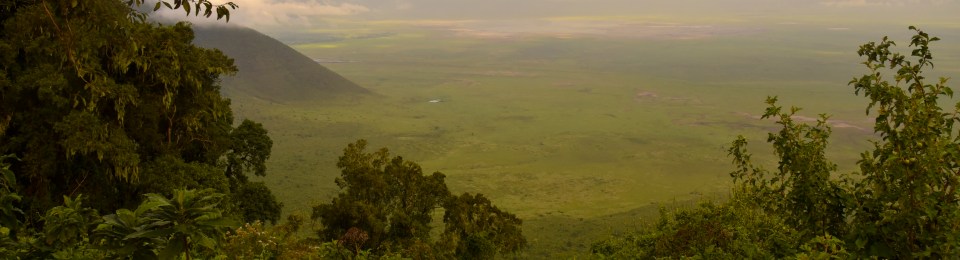
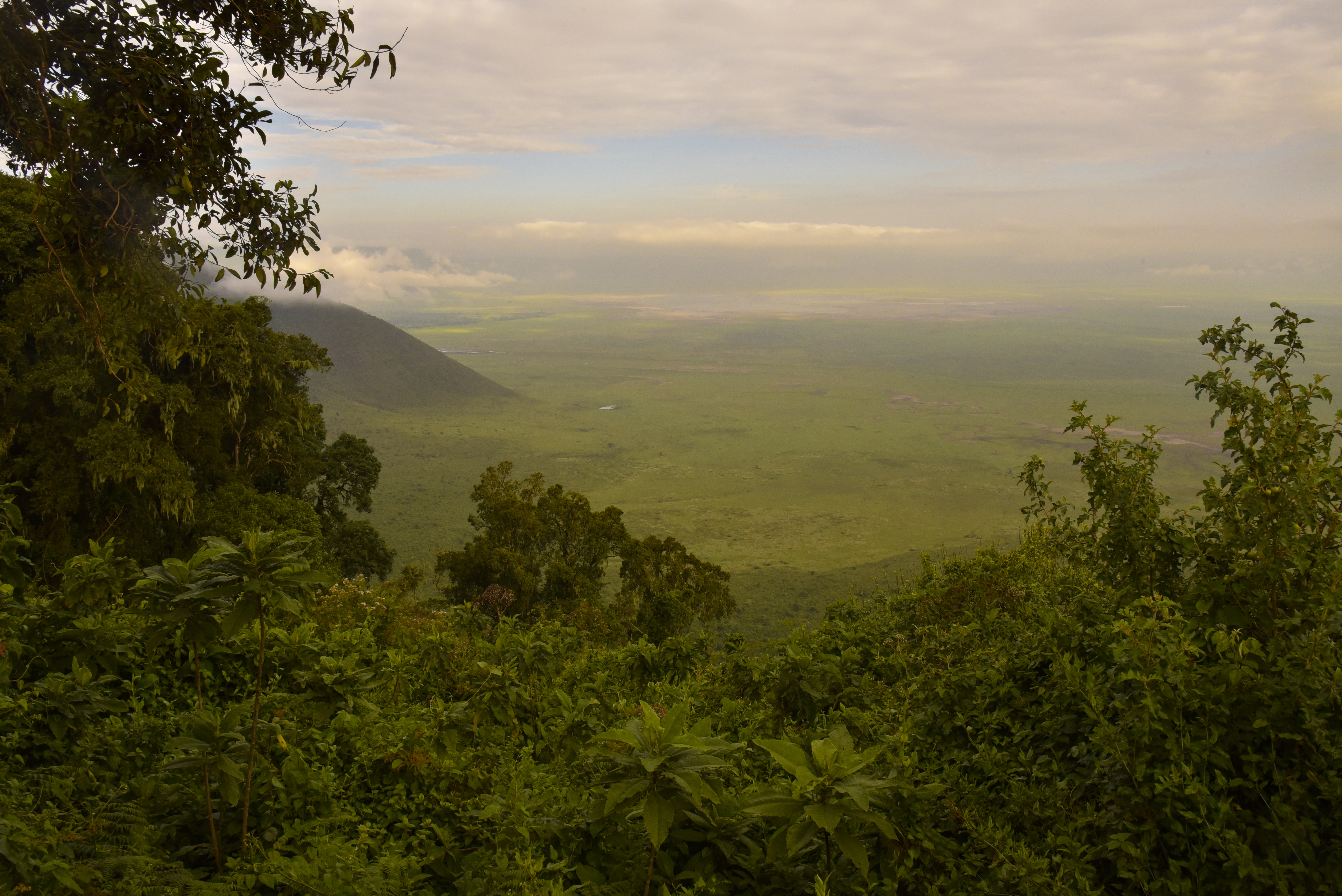
The Ngorongoro Crater is the world’s largest caldera, the remnant of a volcano the size of Mount Kilimanjaro. It is 14 miles wide and its rim is some 7500 feet above sea level. The Crater is part of the Ngorongoro Conservation Area which runs from the eastern part of the Rift Valley to the plains of the Serengeti National Park. Olduvai Gorge, noted in an earlier blog, is part of the area. This is a world heritage site and a true wonder to behold. One is immediately struck by the sheer number of varied wildlife living in such a concentrated area. While you could search for days in the Serengeti looking for a specific animal, like a Rhino, one does not have to go far here. In just a few hours one will encounter teems of lions, hyenas, jackals, wildebeests, buffalo, ostrich, gazelles, zebras, elephants, hippos, and scores, if not hundreds of bird species. Hmm did Noah’s Ark land here?
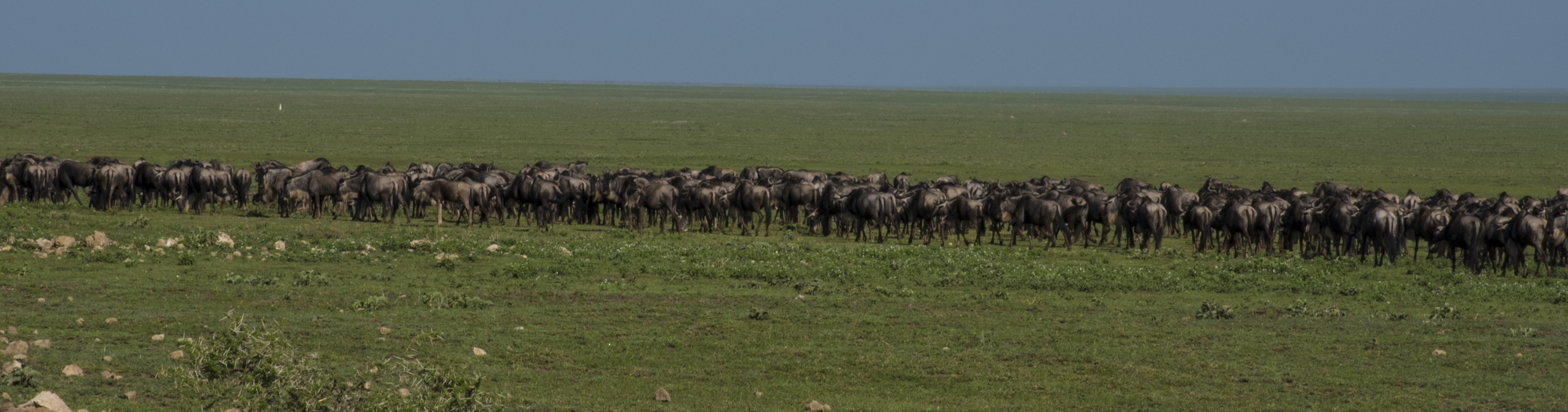 Wildebeests know how to form a line. They are the leaders in the Great Migration.
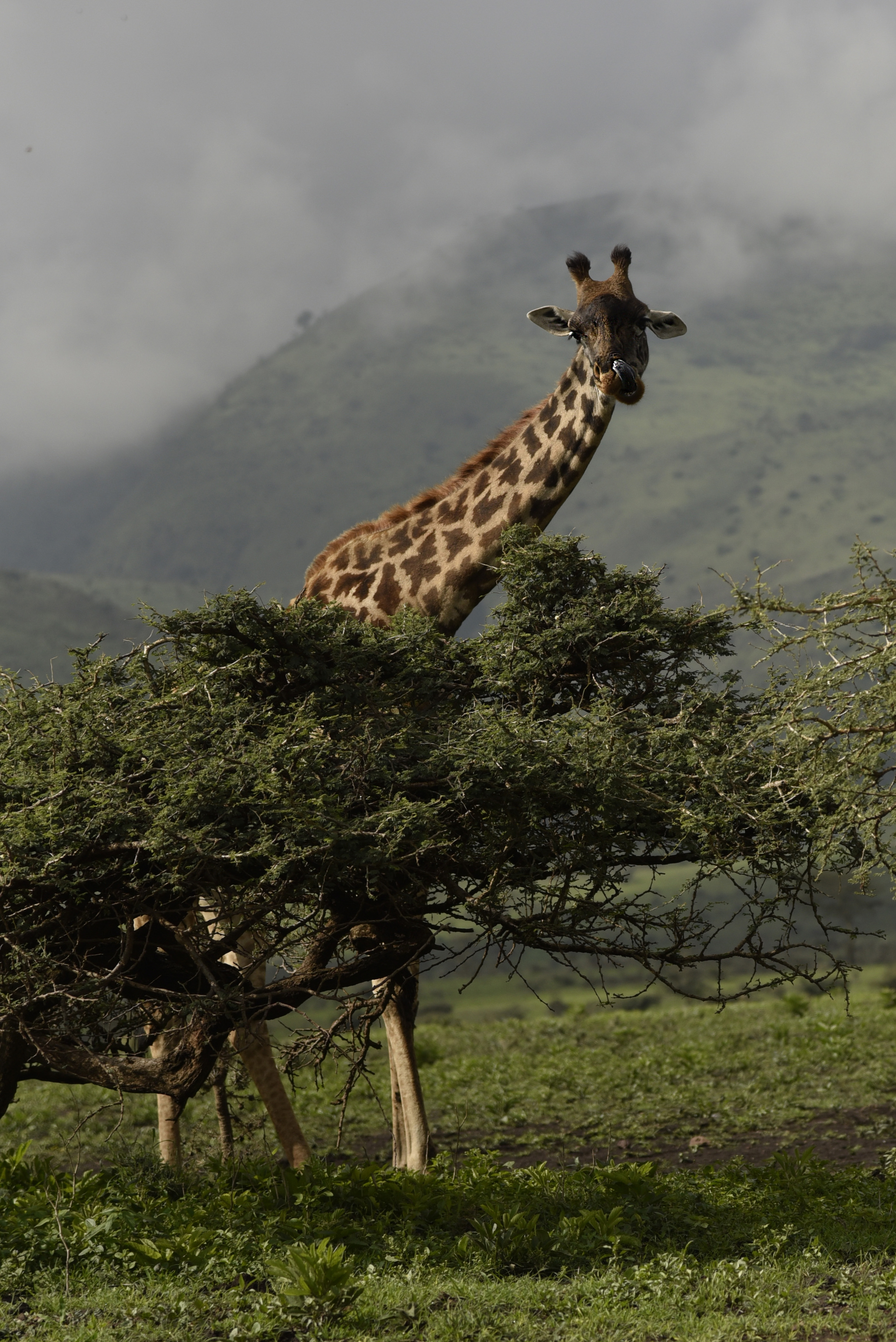 A curious giraffe licks its lips and looks out at us from behind (and above) a tree.
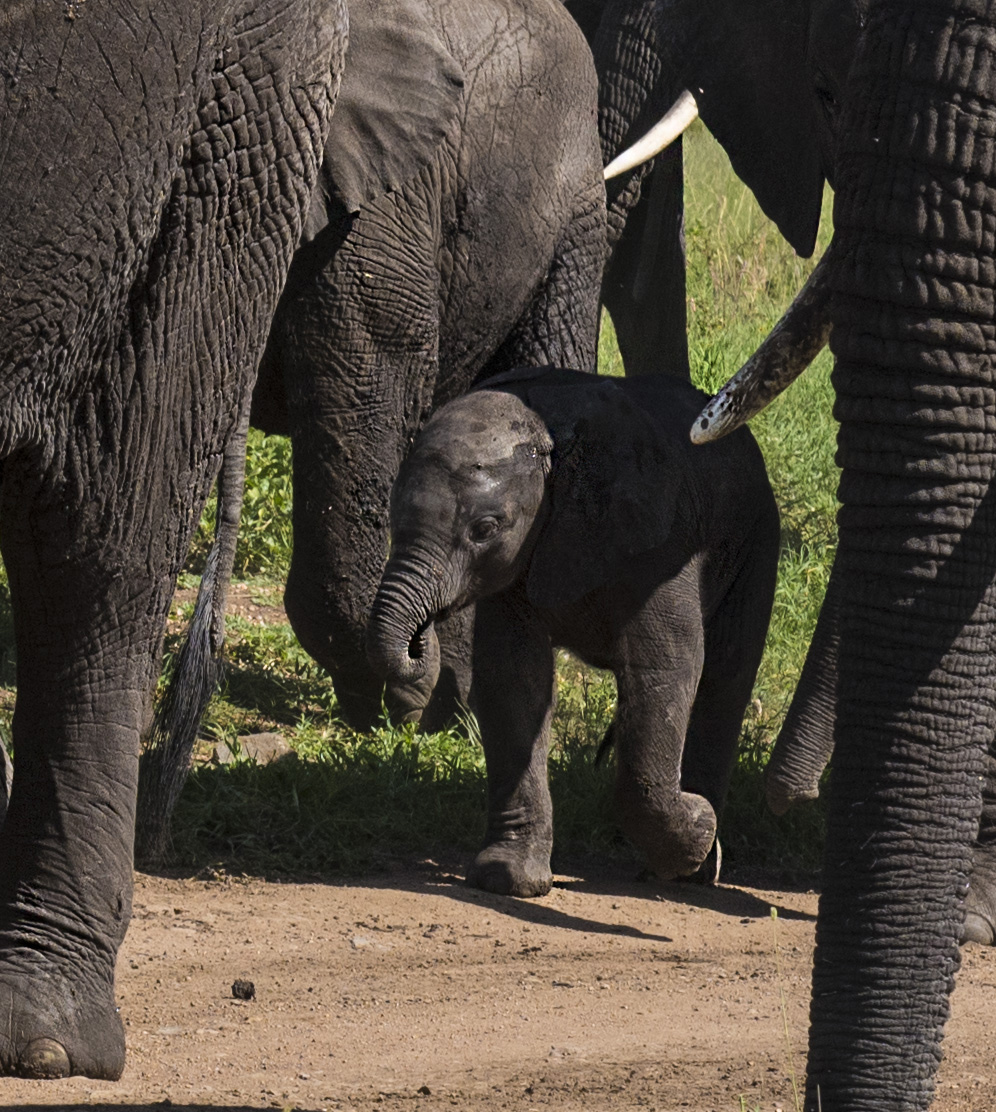 Elephant calves are fiercely protected by their elders.
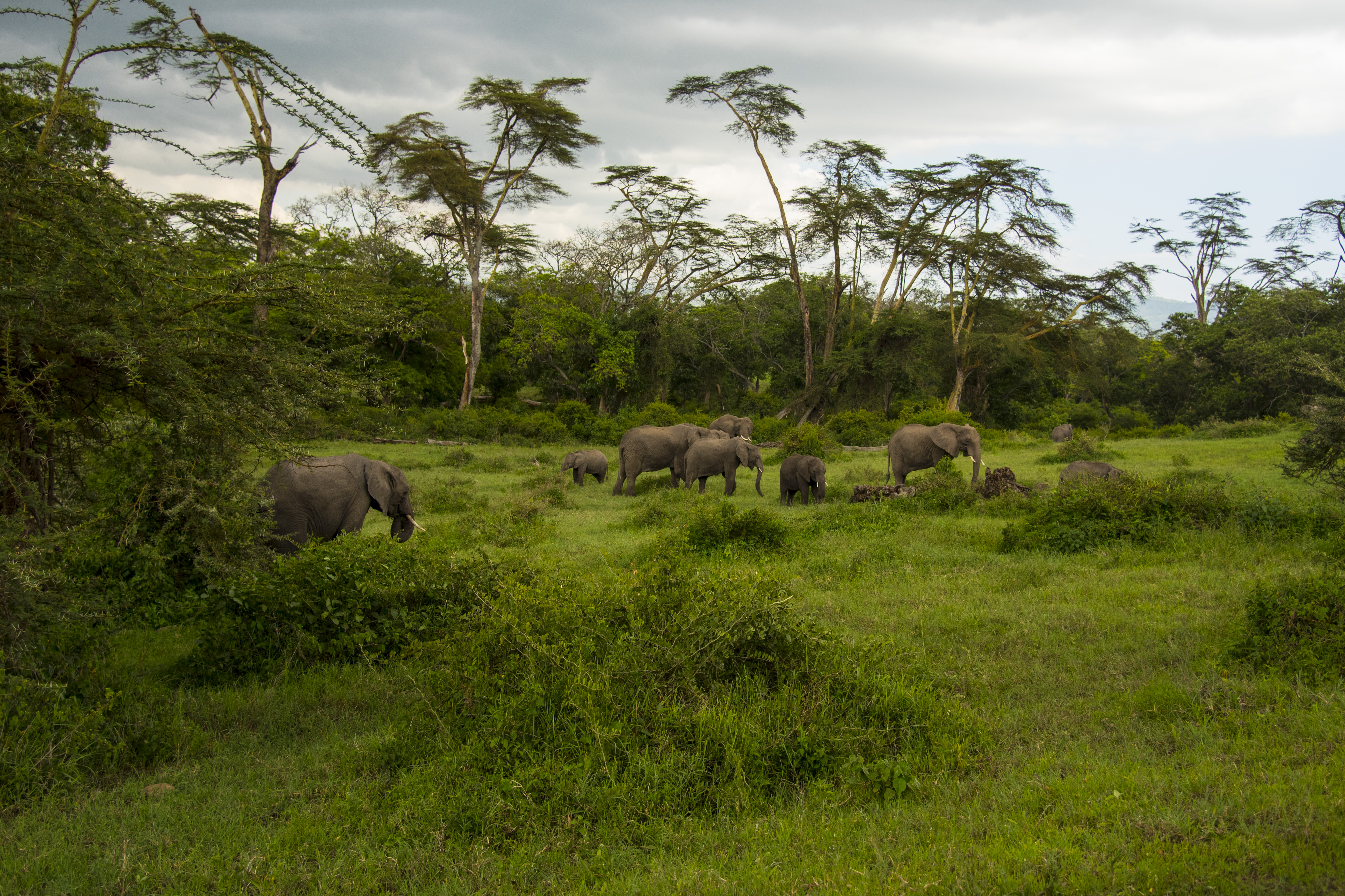 The herd moves in for a snack.
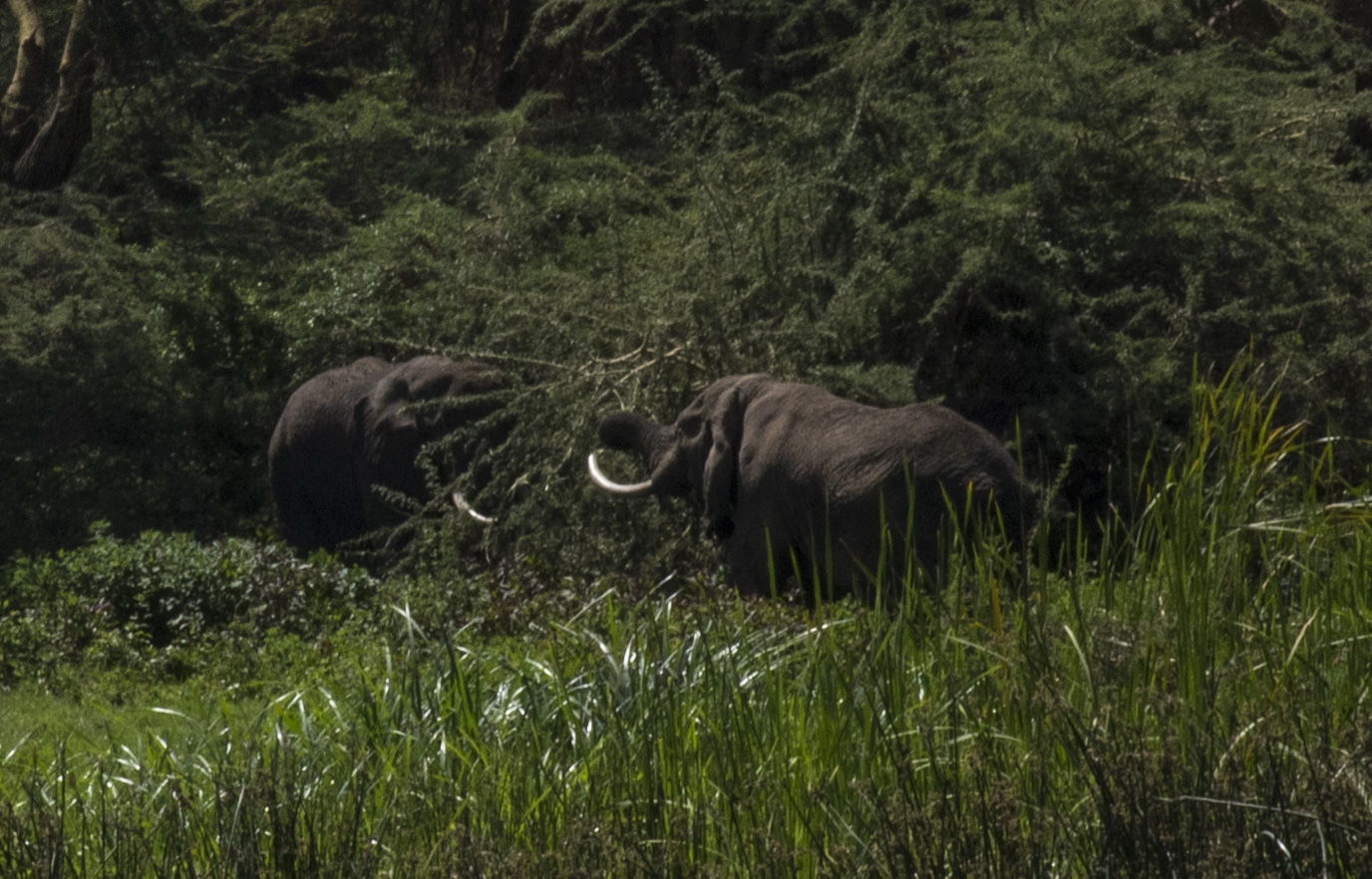 Ngorongoro provides a quiet retreat for senior elephants, identified by their long curled tusks. Elephants are under constant threat because unconscionable people are still willing to pay a high price for their ivory tusks. Poaching takes a horrific toll on the world elephant population.

A rare sighting of a Black Rhinoceros.
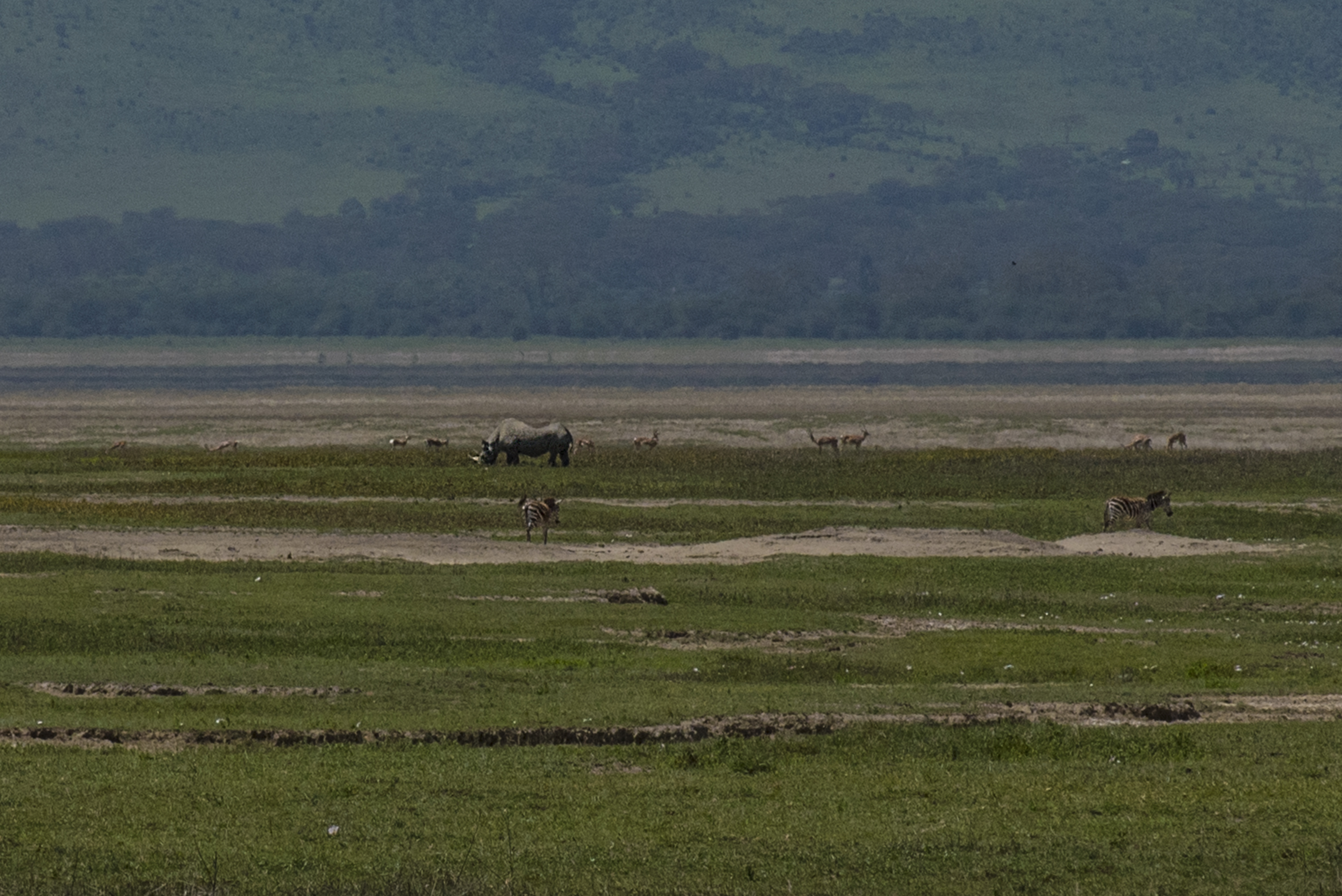 We had been on the lookout to get a glimpse of a Black Rhinoceros. We were not disappointed although it was a considerable distance away. Rhinos are under threat of extinction because of loss of habitat and poaching (a rhino horn can get $20,000 on the market).
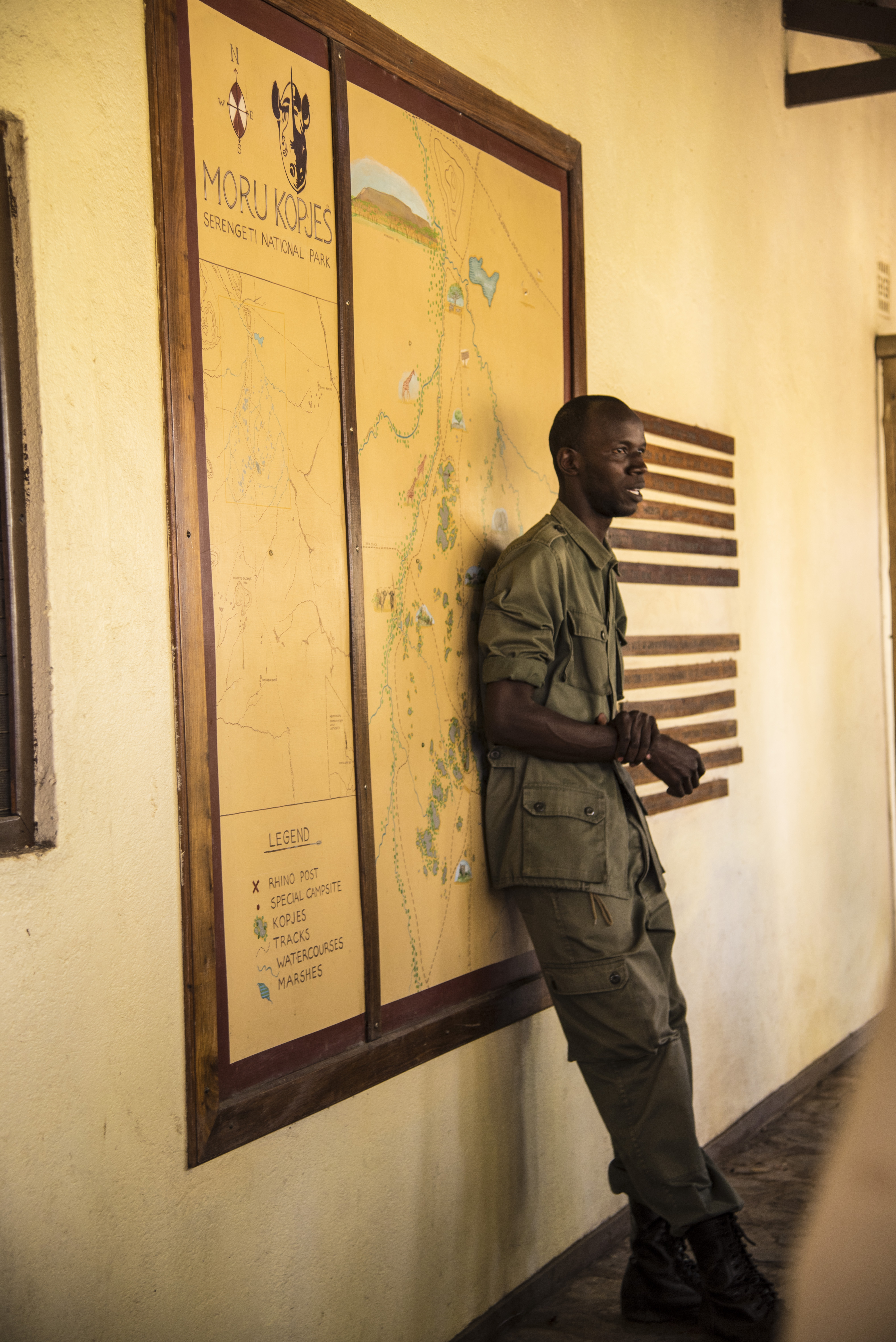 We visited a rhino preservation project and learned about efforts to protect these animals. The rangers who work to protect the rhinos and elephants are very brave and often forced into fierce battle with poachers. One strategy to undermine this market driven slaughter is to provide gainful employment for reformed poachers. We saw a few signs in front of shops in the local towns saying “We are former poachers…”
Offspring
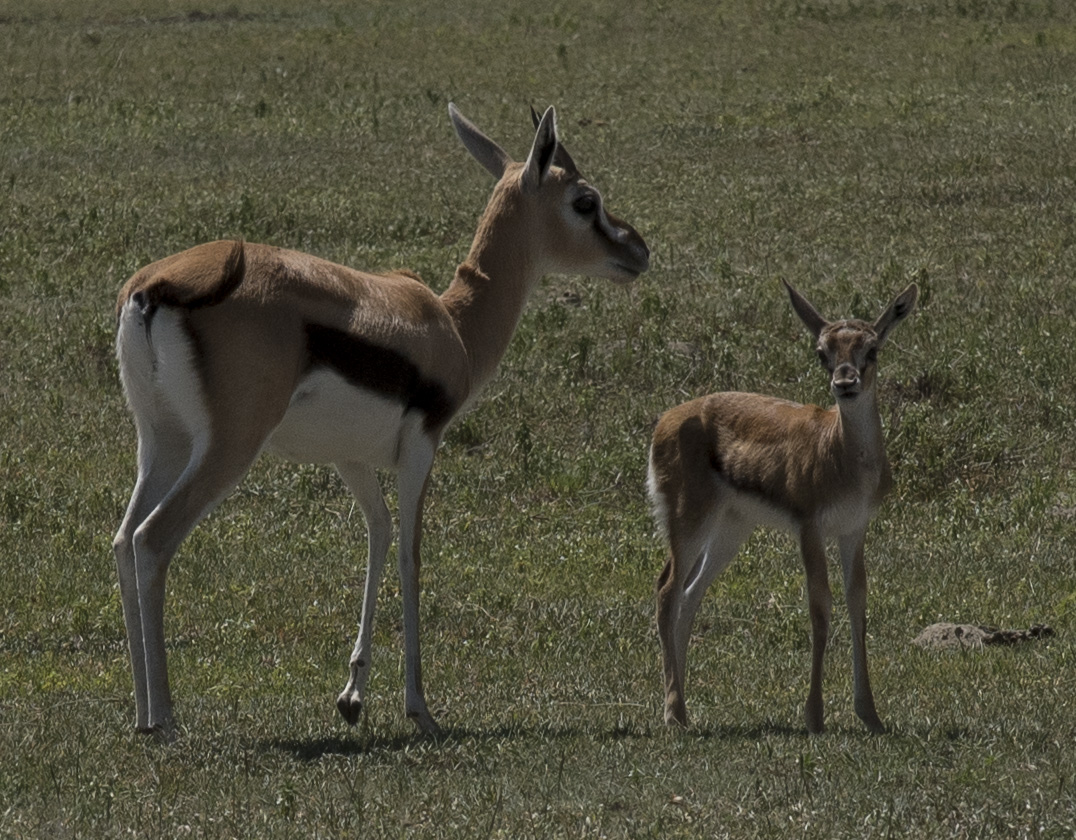 Thompson Gazelle with baby.
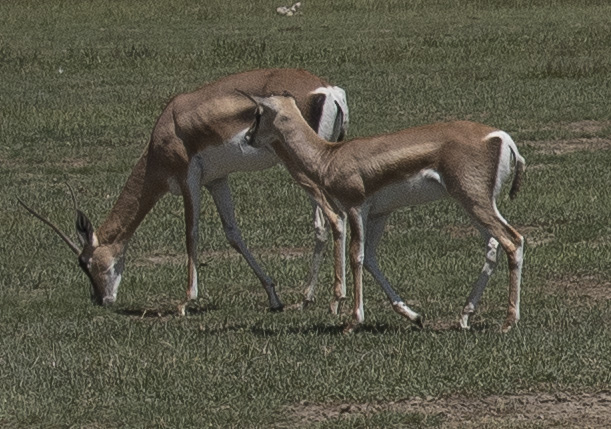 Grant’s Gazelle with baby
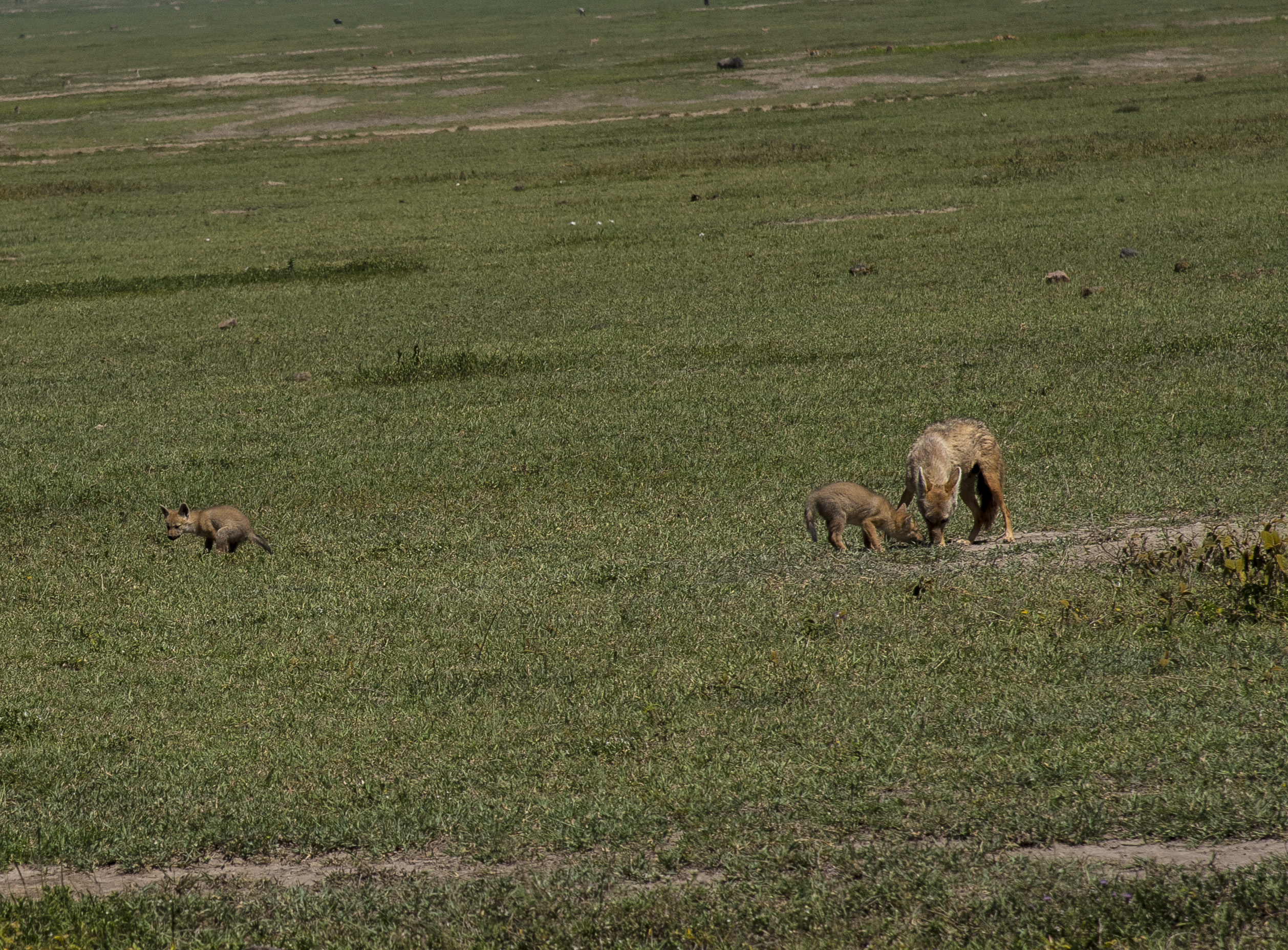 Golden Jackal caring for her babies. Get a diaper!
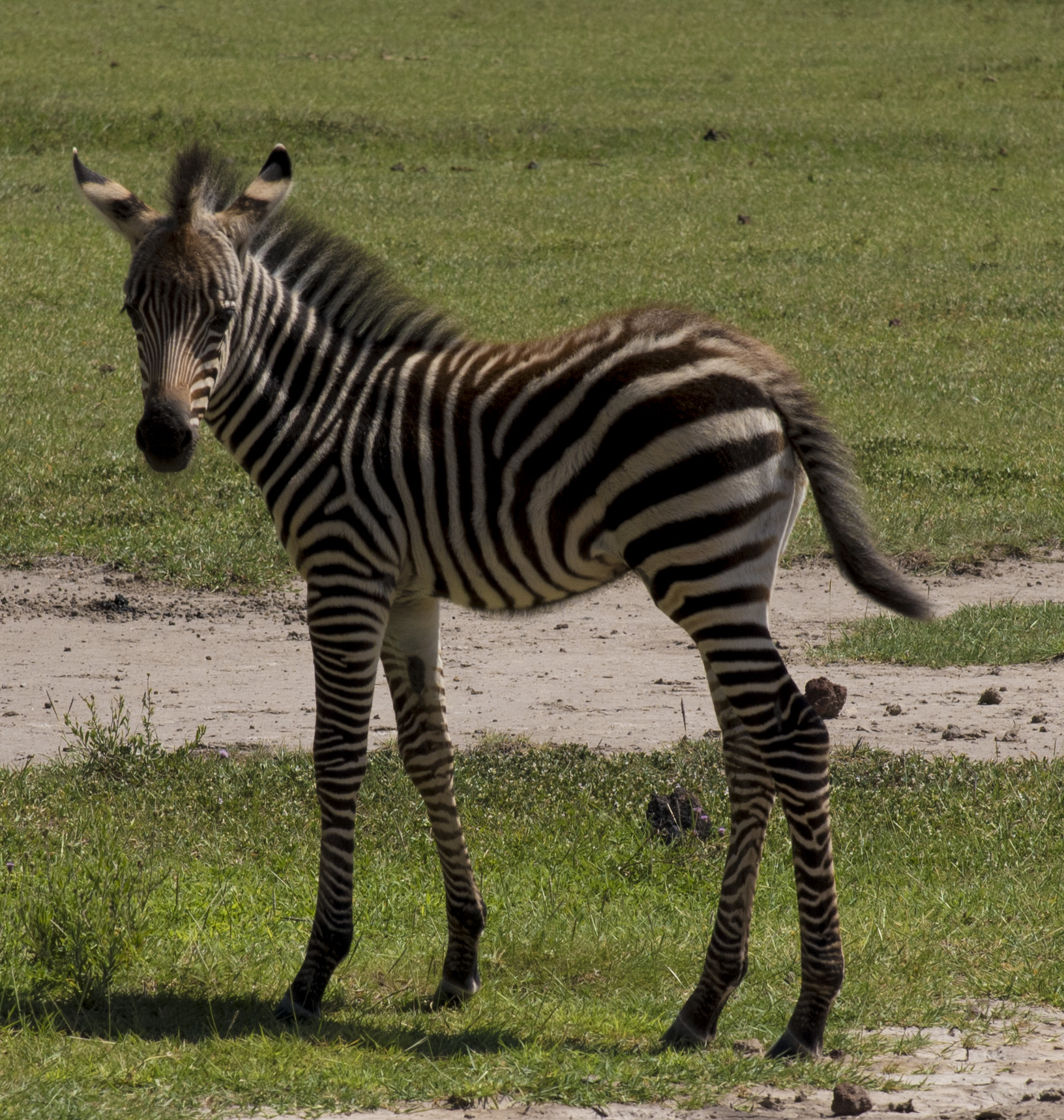 Baby zebra
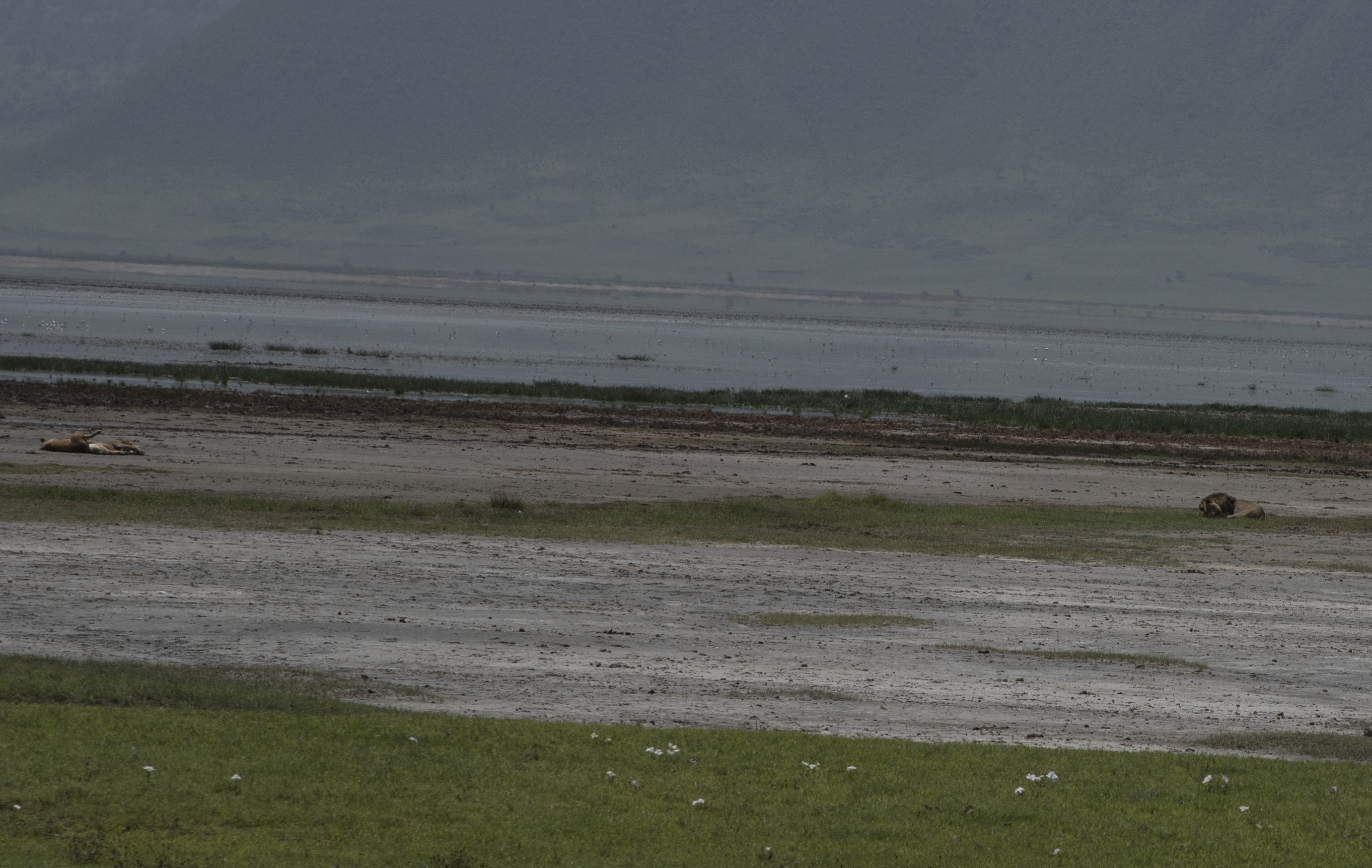 Two lionesses and a male lion lounge in the distance.
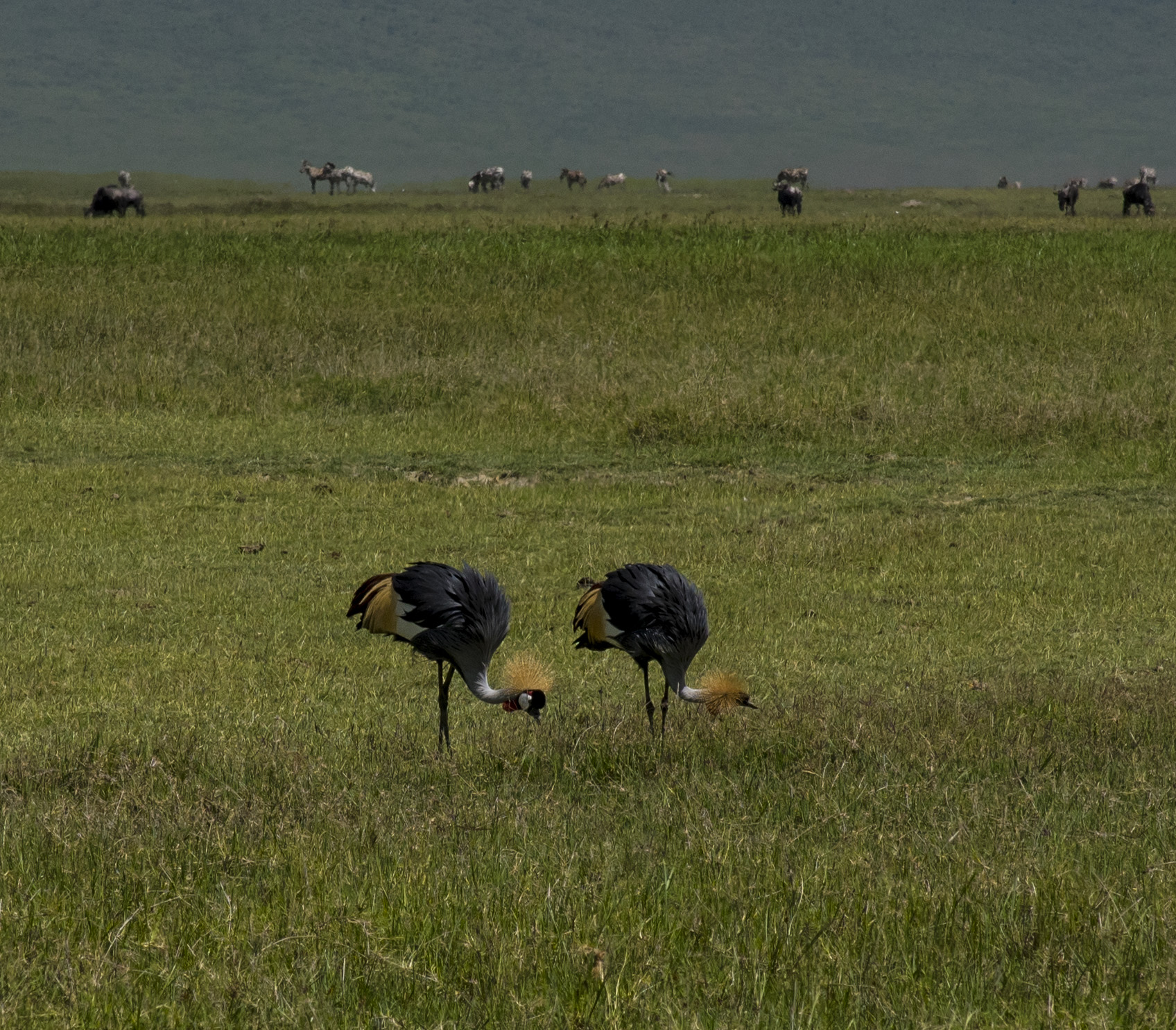 The Grey Crowned Crane is the national bird.
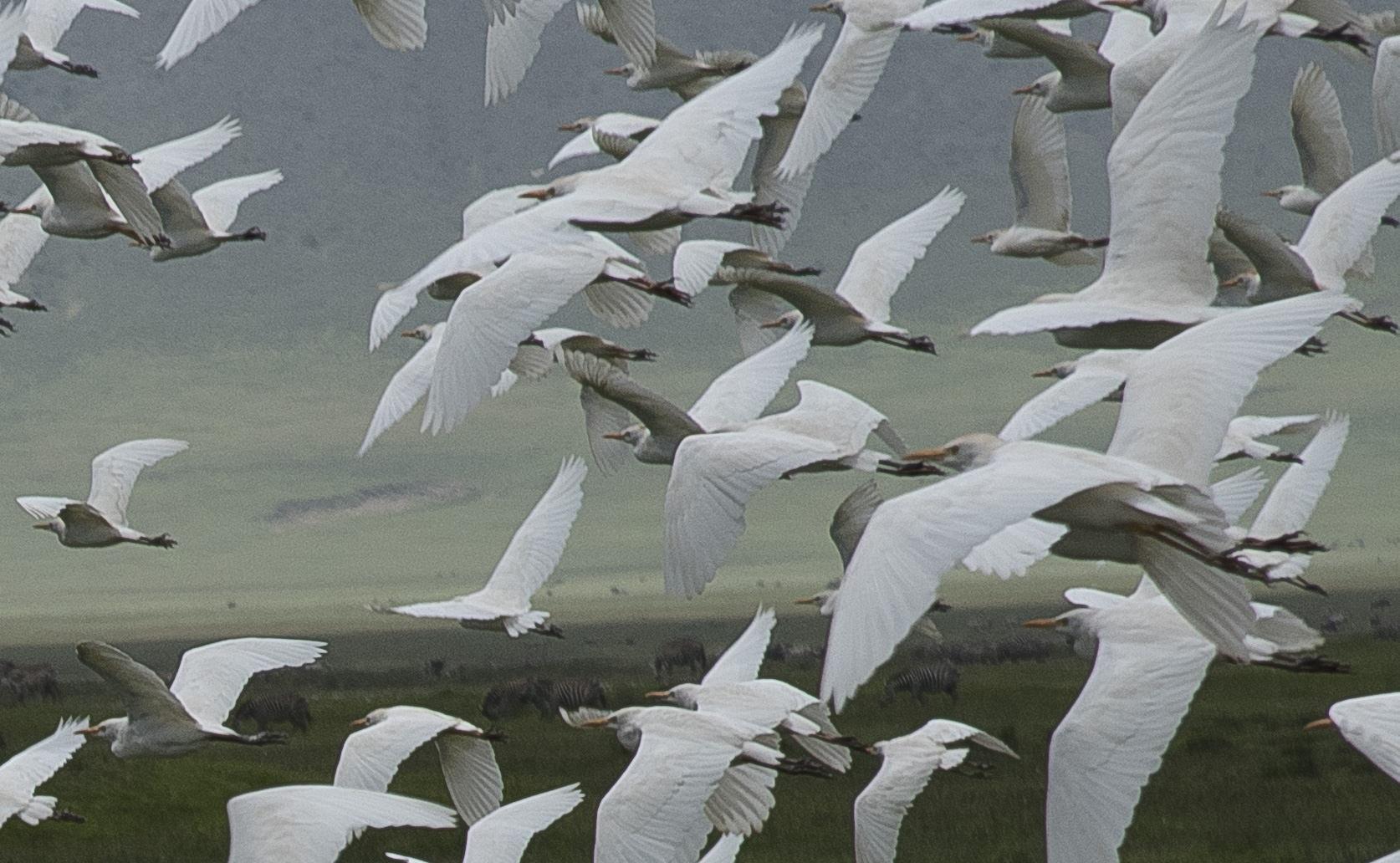 Yellow Billed Egrets take flight.
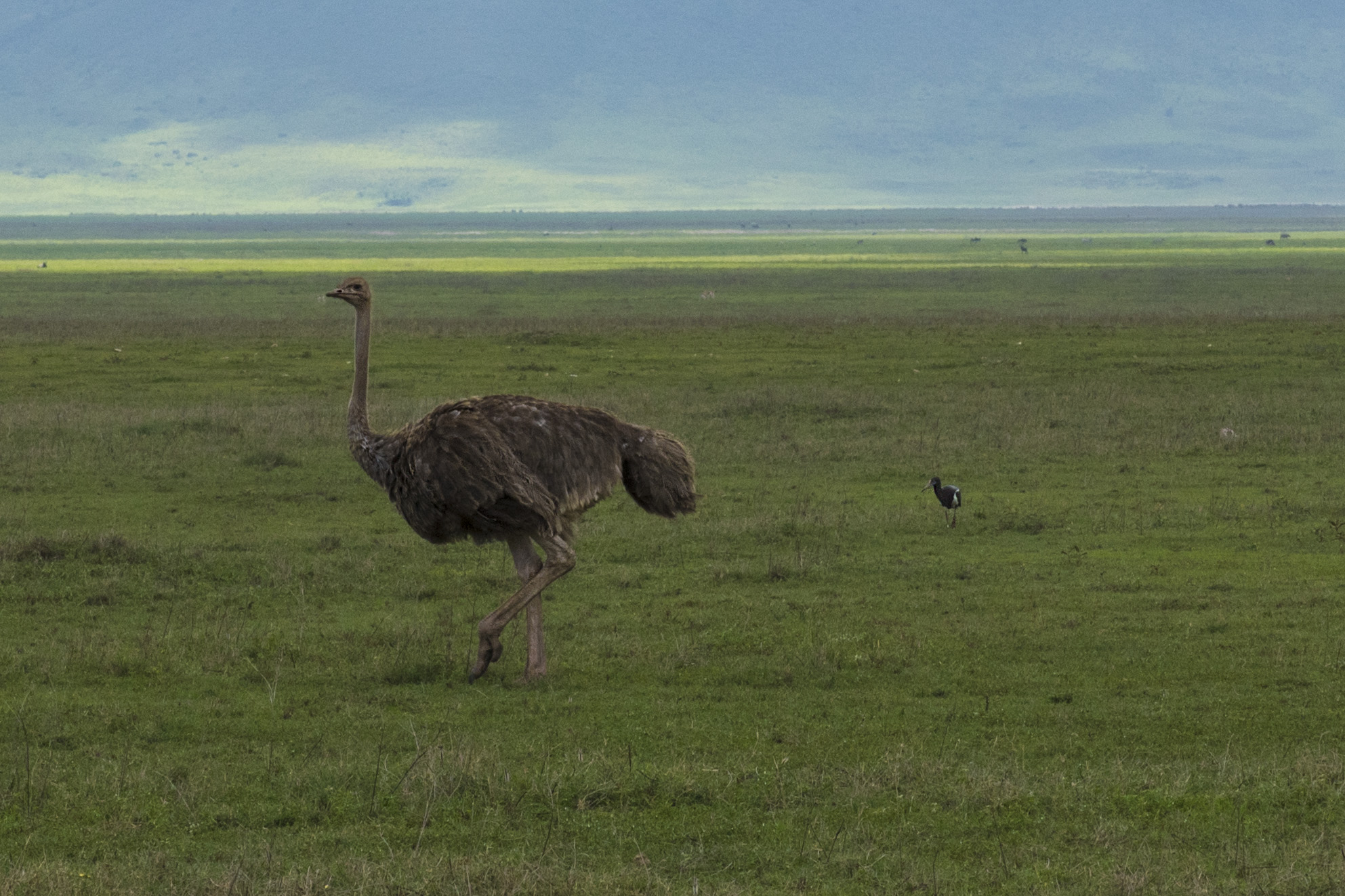 An Ostrich and an Abdim’s Stork
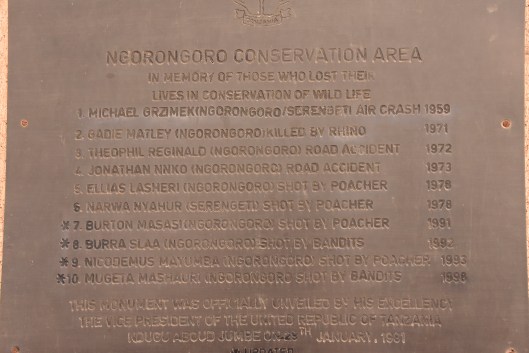 Many others have also died since the posting of this memorial to those who died while protecting the area’s wildlife.
 westwardhowithapollo
Wonderful post…what a special place that was for us to share!