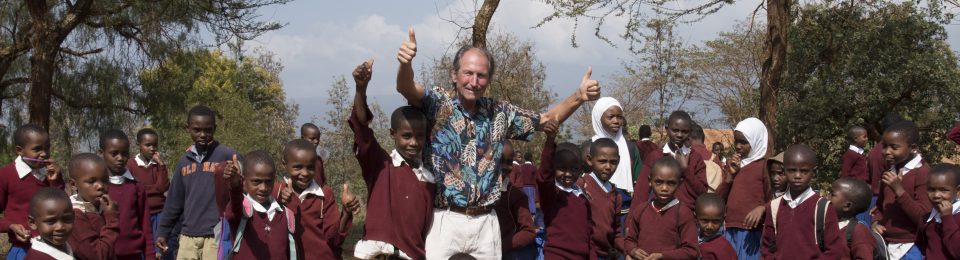
We met smart, hard working and loving people in Tanzania. Saying kwahiri to our guides, our fellow travelers, and to the children and adults who touched our hearts was hard.
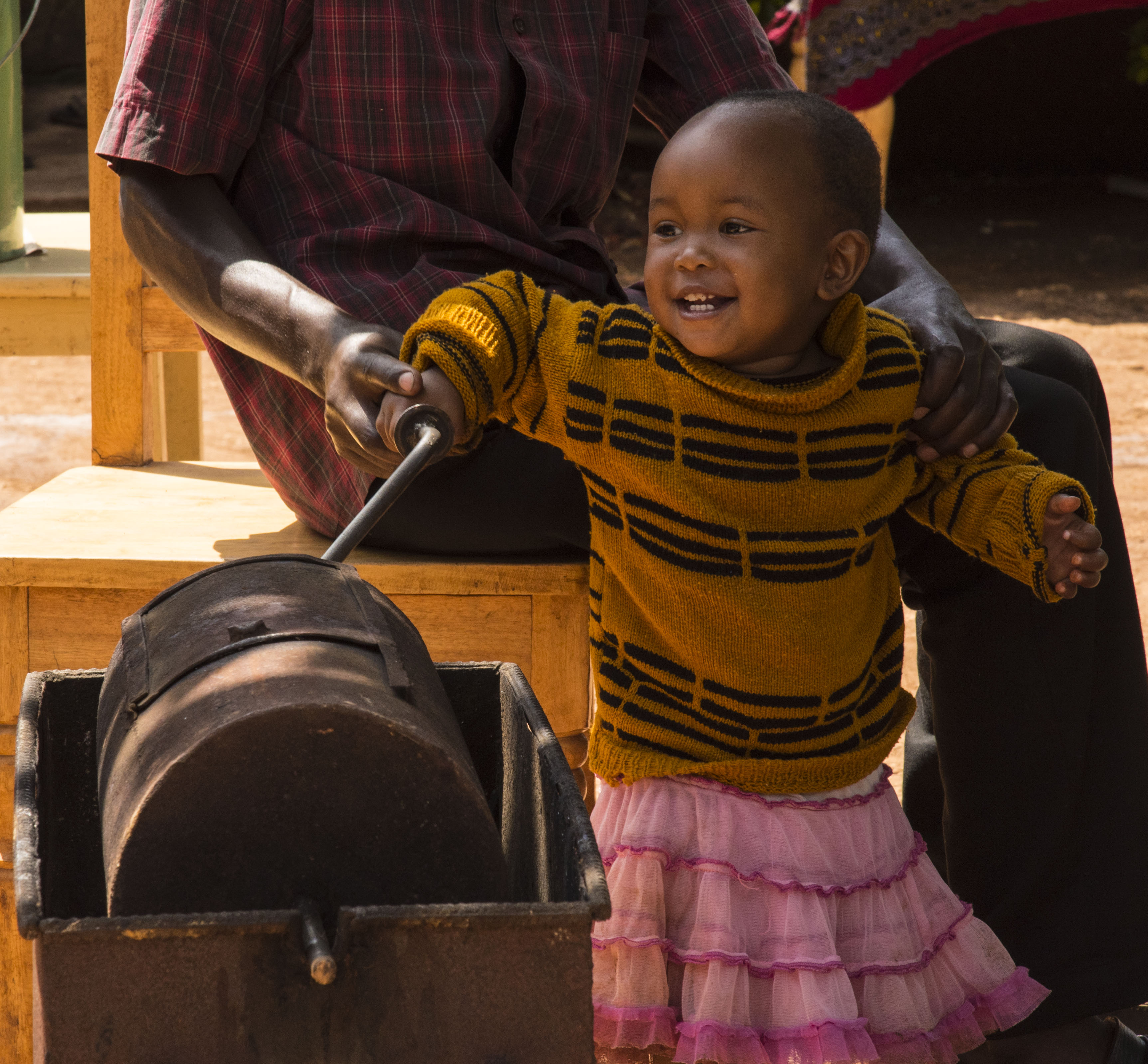
This little girl is helping her father roast coffee beans for sale. On our last day in Tanzania we visited her family’s small coffee farm where they also grow vegetables and tend bee hives. Agriculture (primarily bananas and coffee) and tourism are the two drivers of the Tanzanian economy which has enjoyed a modicum of growth in recent years.
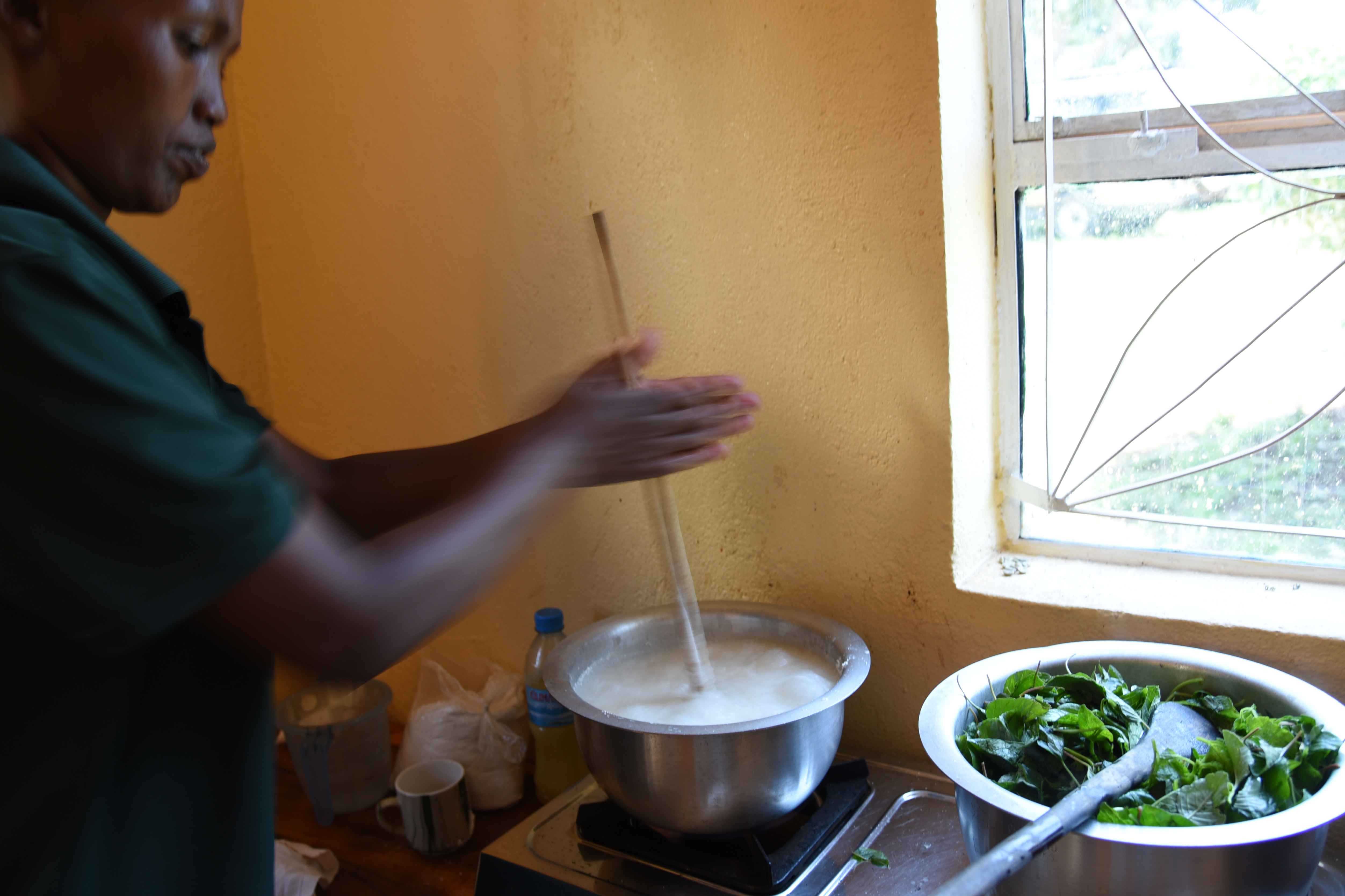
Her mother made us ugali, the national dish, which is corn flour polenta topped with sautéed greens. She stirred it by rubbing two sticks between her hands. If you make polenta, consider this technique to keep it from burning.
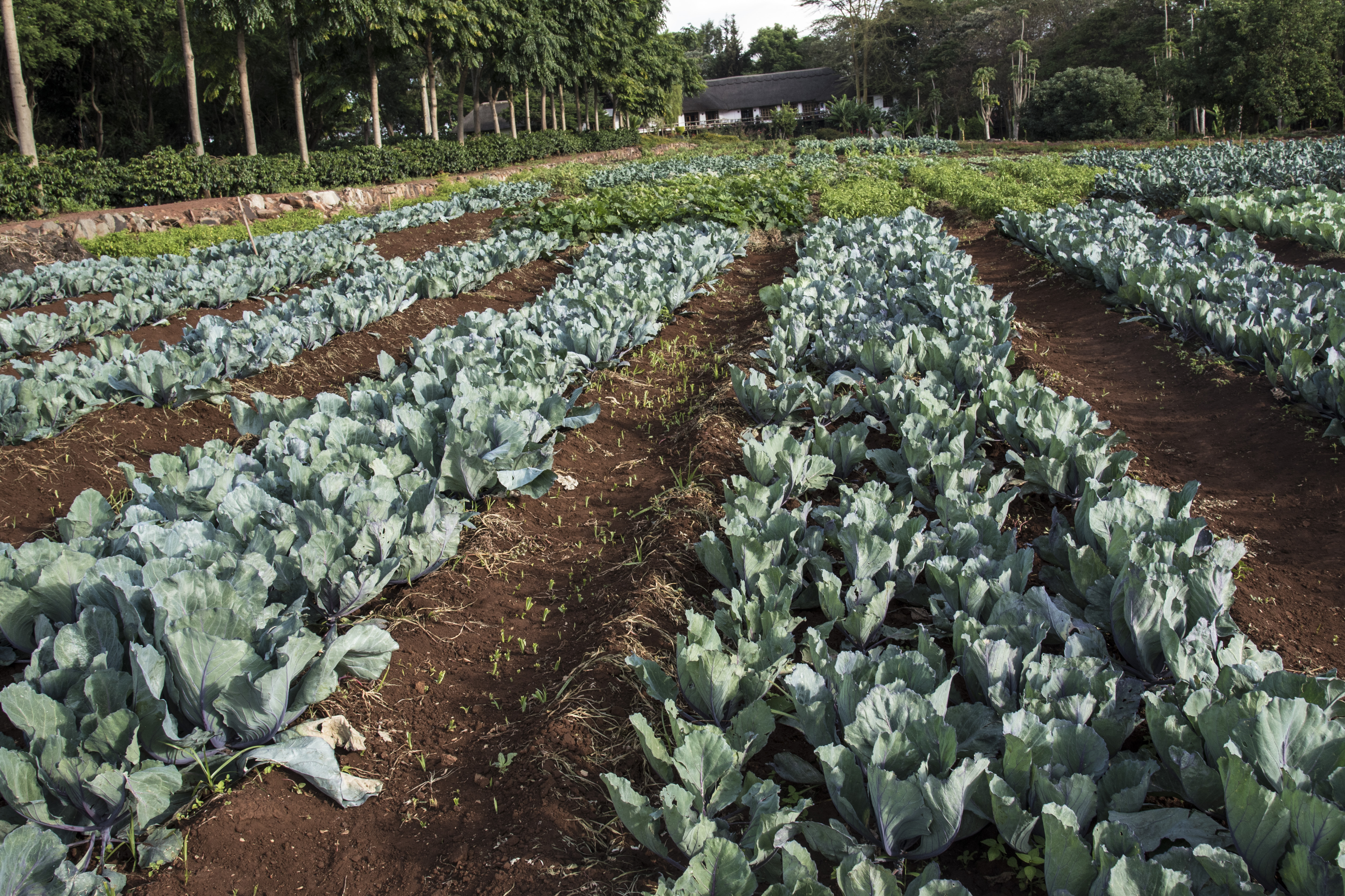
This is an organic farm operated at the Ngorongoro Valley Farm where we stayed in Karatu. Here we met an Iraqw tribal chief who was holding court with tourists.
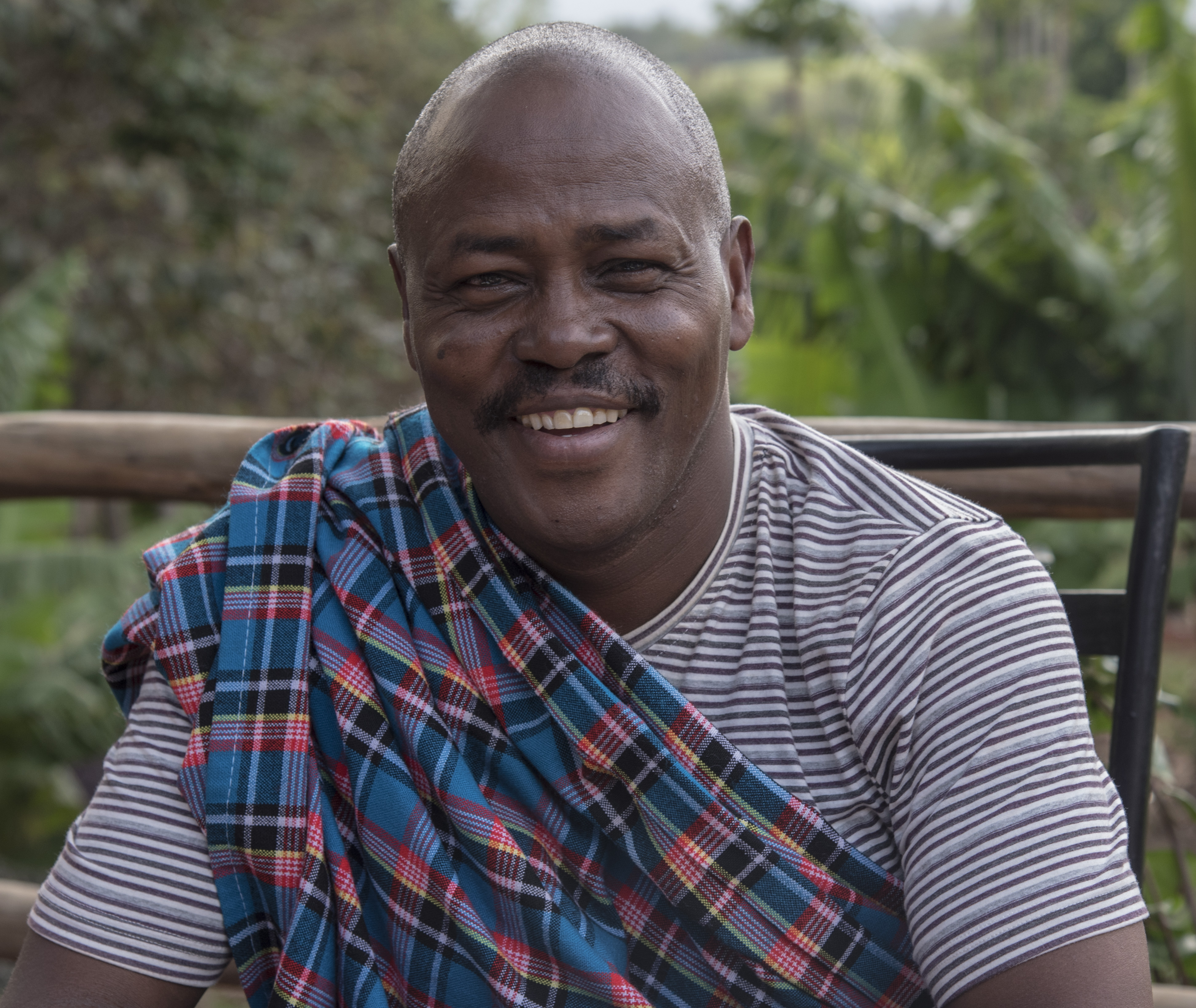
This Iraqw Chief, an unforgettable character, was doing his part to keep the tourists enthralled.
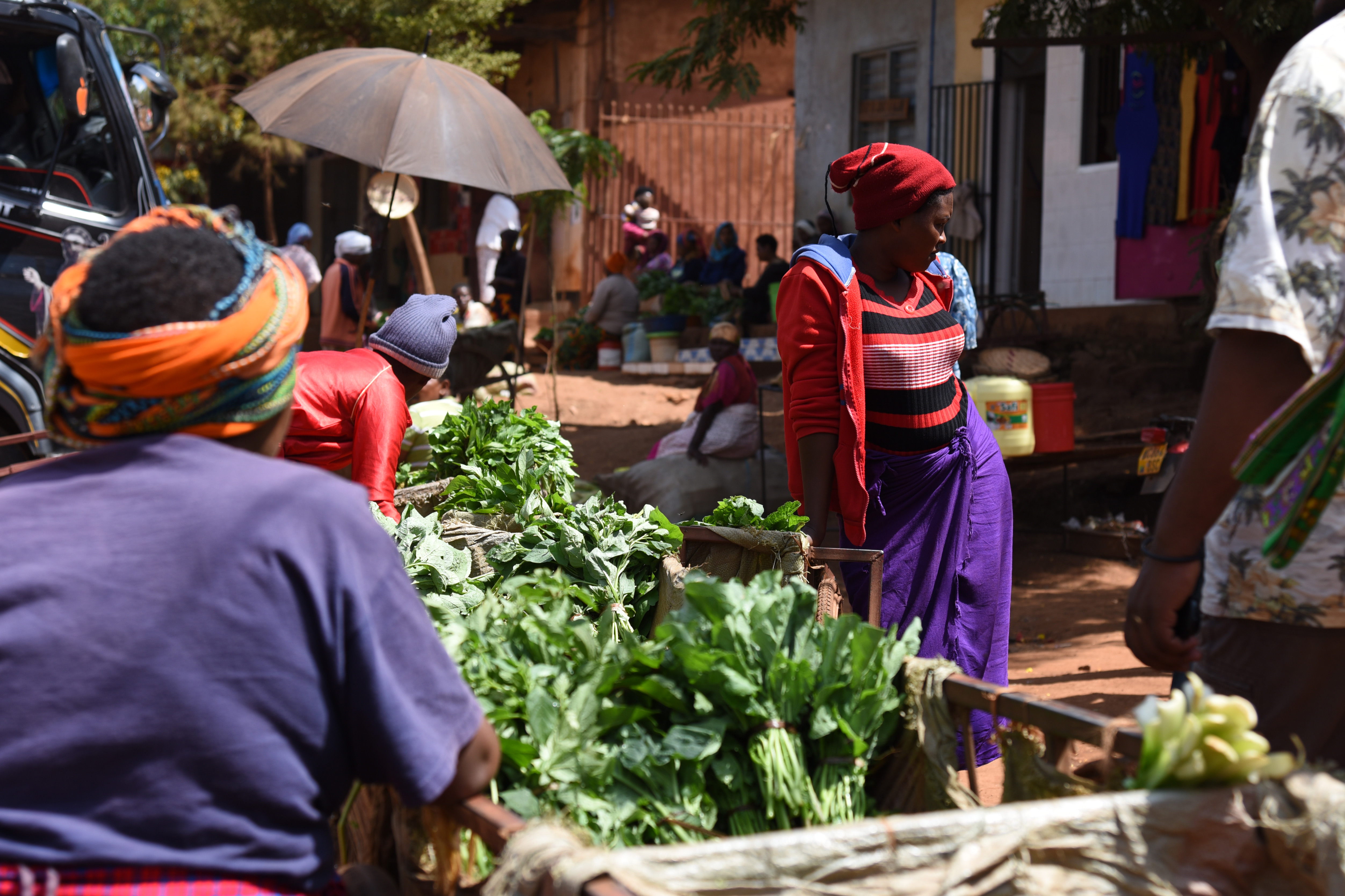
Despite recent economic growth, over 46 percent of the Tanzanian population lives below the extreme poverty threshold of $1.90 a day.
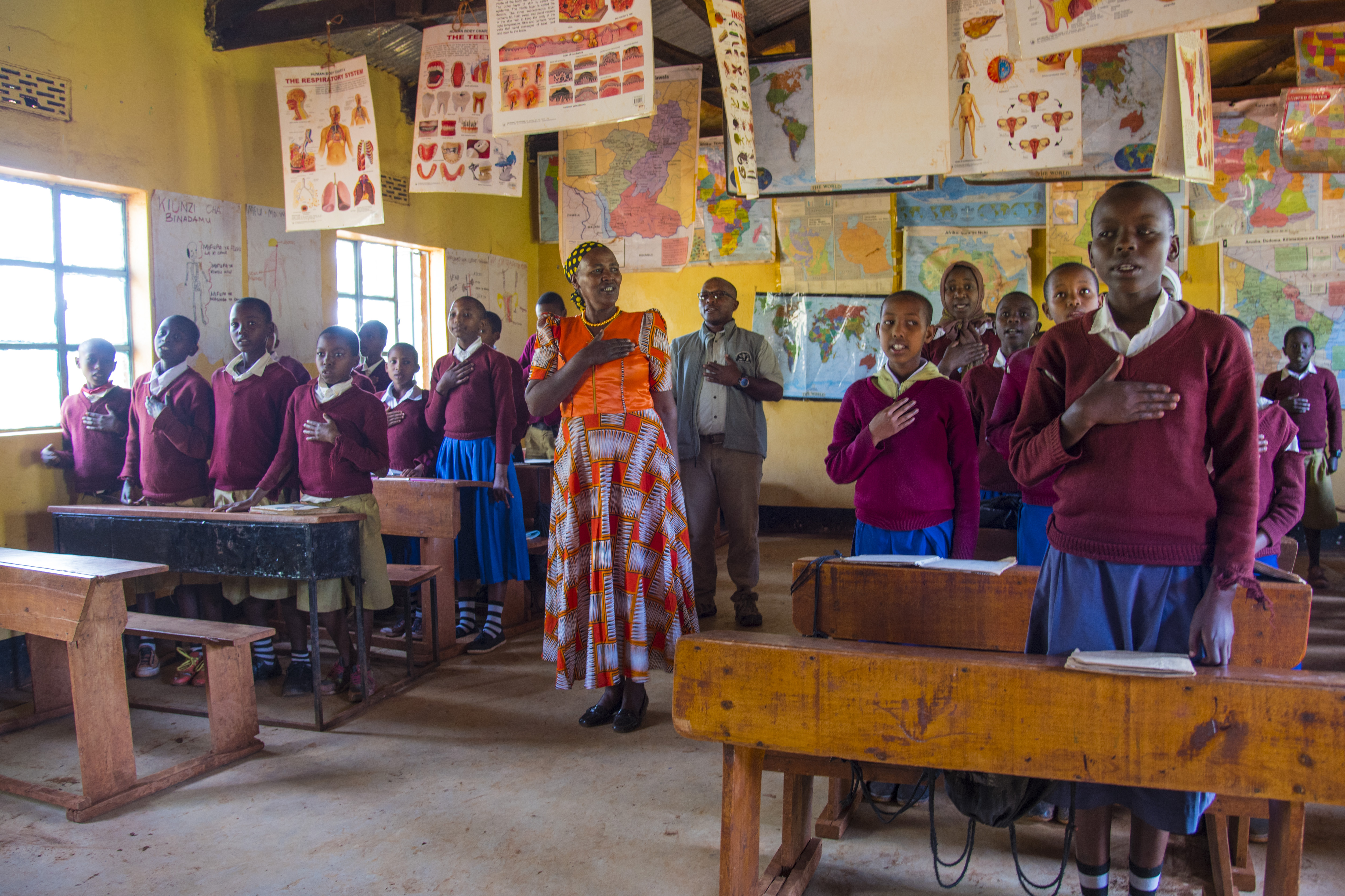
Free tuition has led to a massive increase in the number of children enrolled in primary schools. This increase has not been accompanied by a proportional increase in resources for teachers, classrooms, and books. Pictured here is a relatively well appointed school located in the fertile Ngorongoro valley.
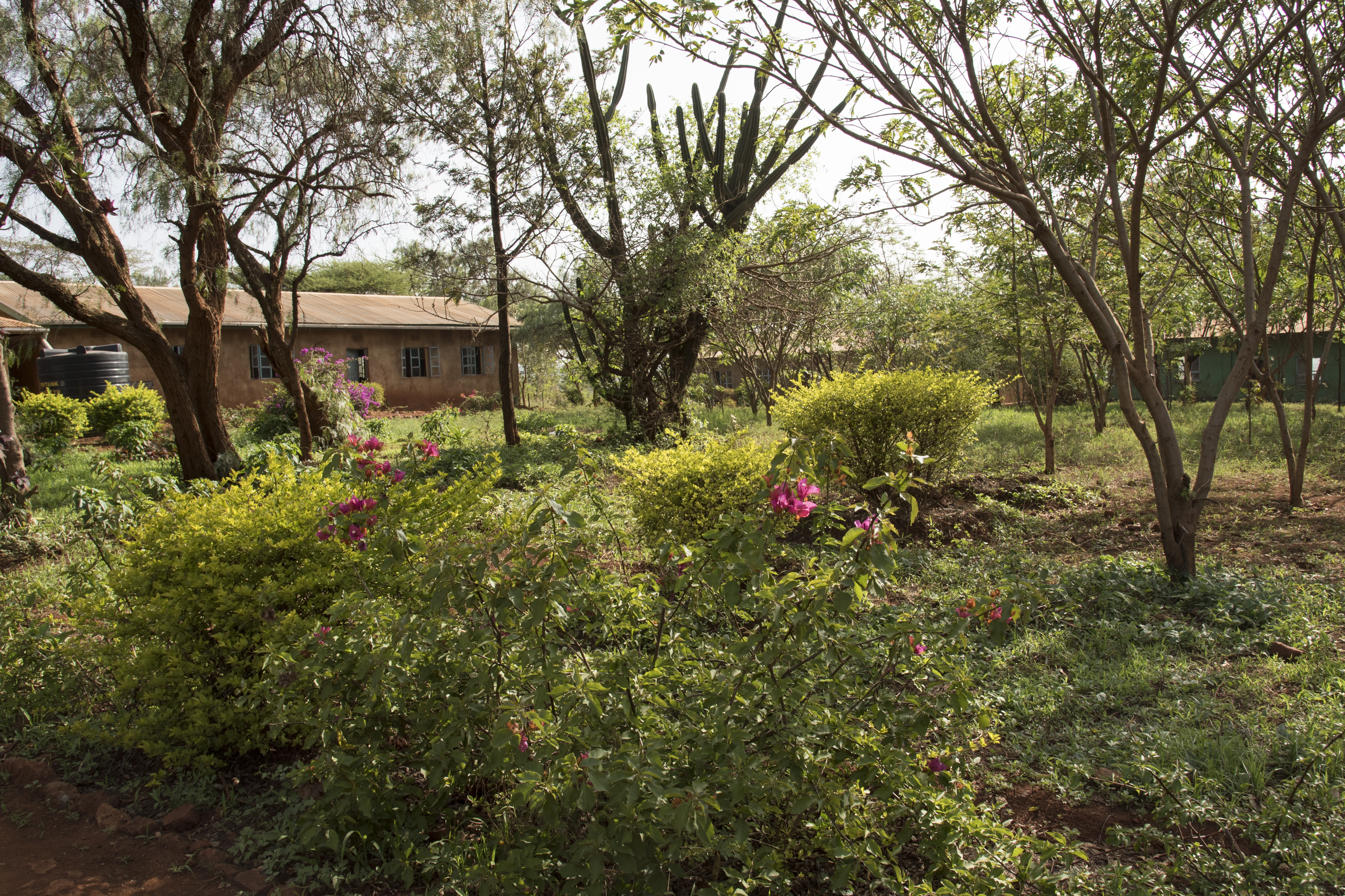
School building and gardens.

The children seemed happy to have us visit and gave us a nice send off.

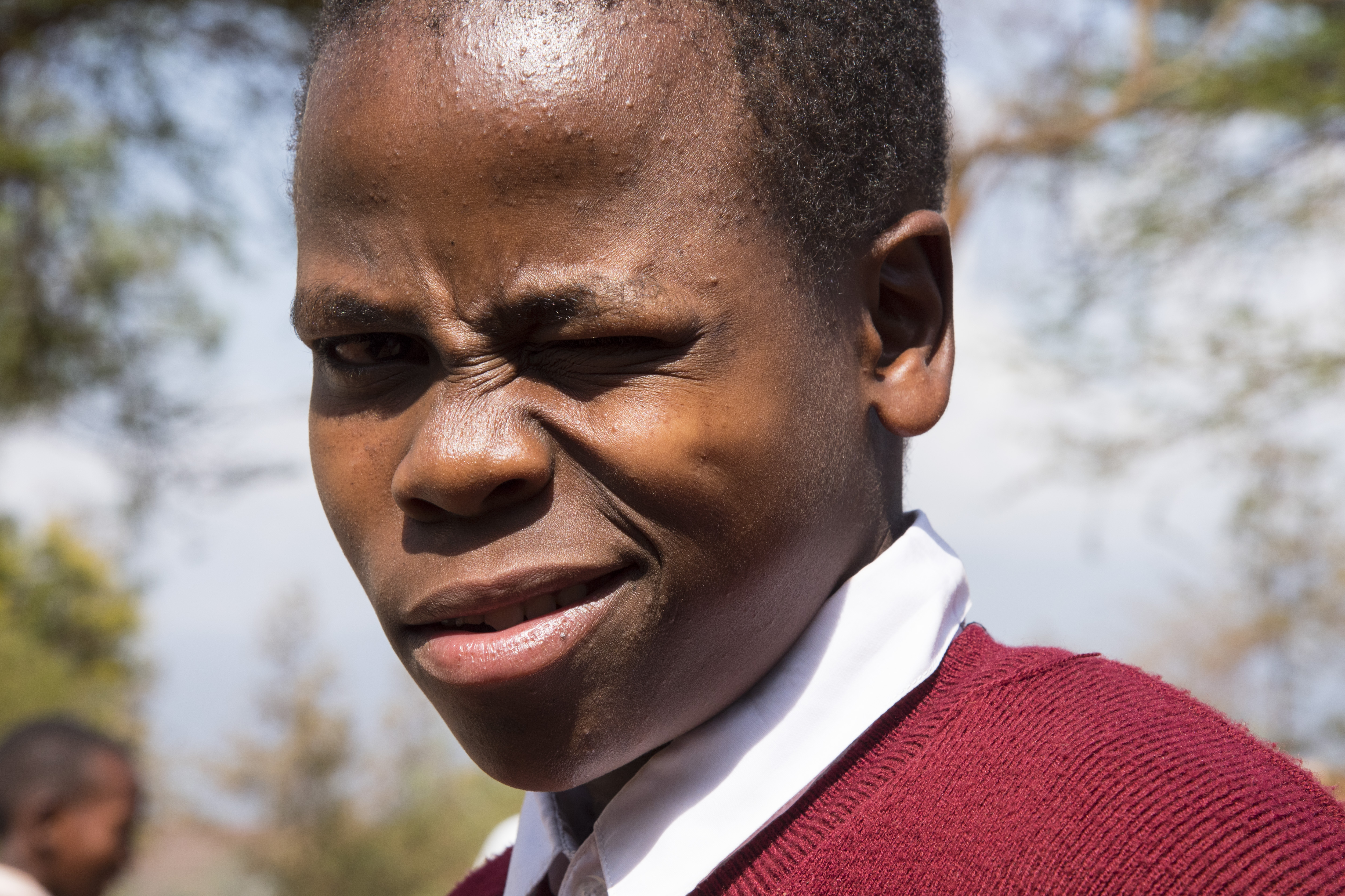

OFF TO UGANDA
 westwardhowithapollo
You must be logged in to post a comment.