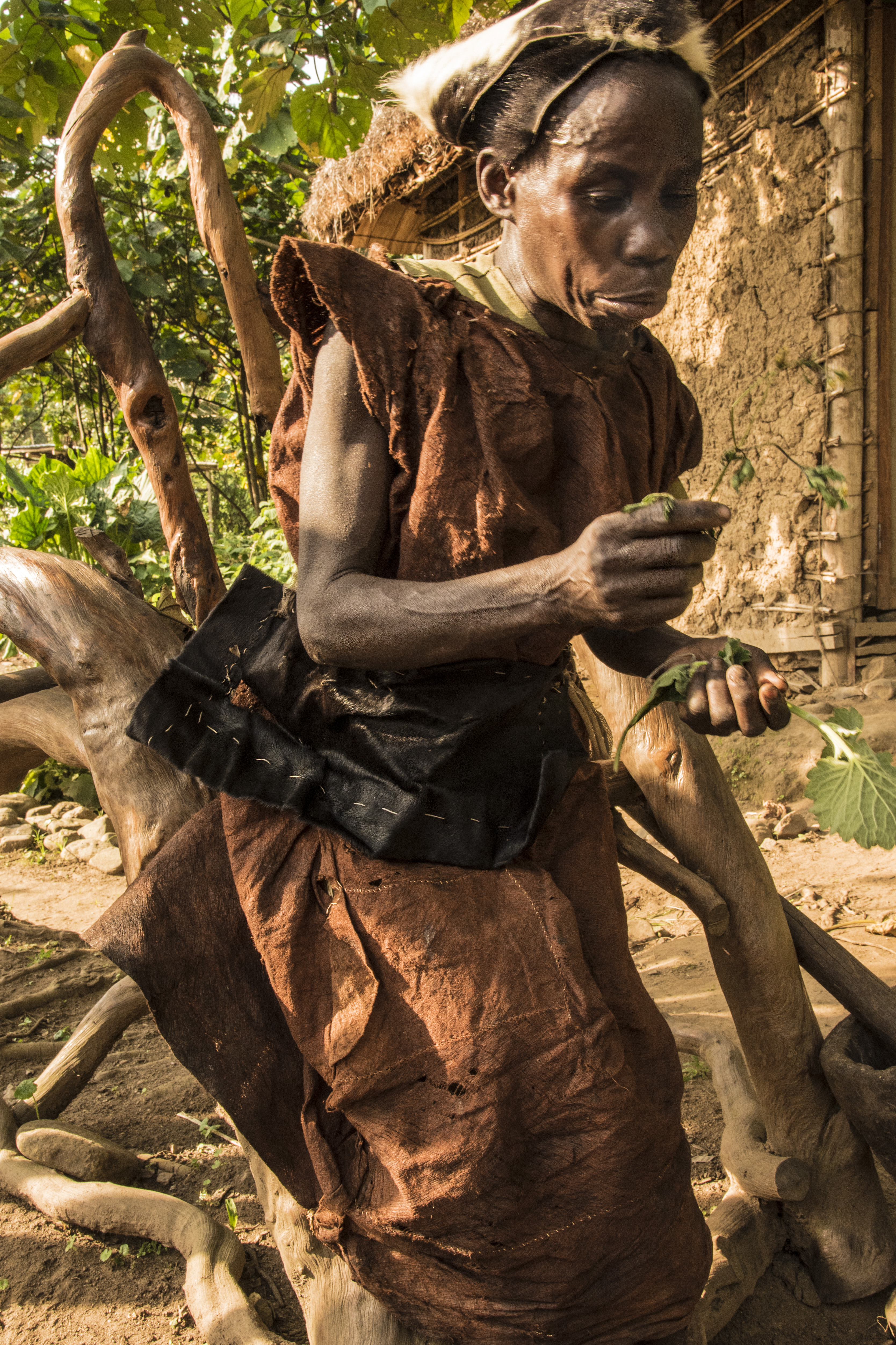
There are 56 tribes in Uganda. We visited the mythical Batwa Tribe (better known as Pygmies) who live in the Bwindi Impenetrable Forest. The medicine woman seen above is seated on a traditional chair holding one of the many herbs she uses in her practice. Although the Batwa are allowed to live in the forest, they are no longer allowed to hunt. And so, in order to survive, they are moving towards agricultural endeavors like raising mushrooms, herbs, vegetables, and chickens. They also entertain tourists for a fee. It’s a little hokey but sincere. The Batwa are struggling to hang on to their traditional way of life.
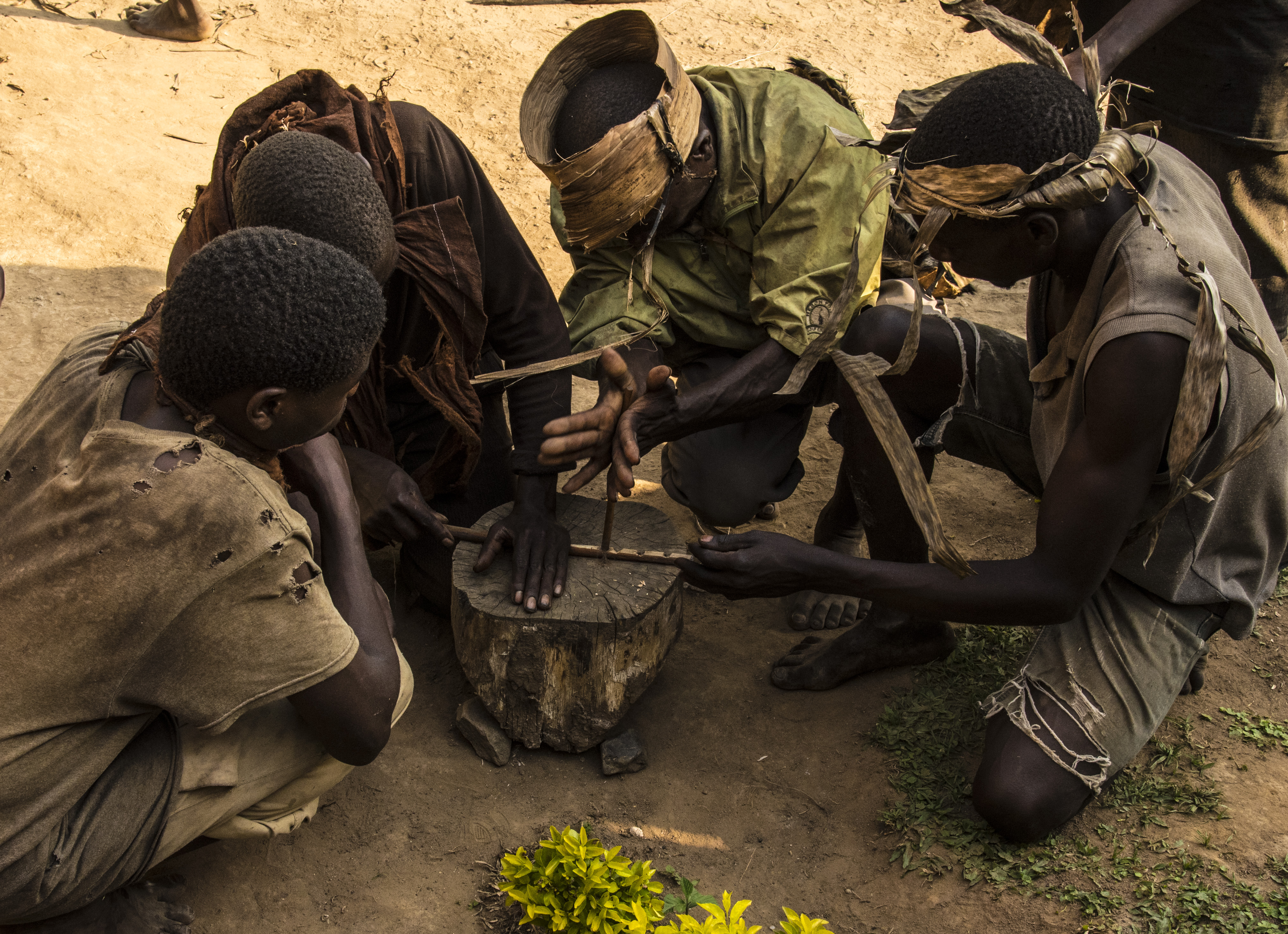
Starting a fire from scratch with two wooden sticks.
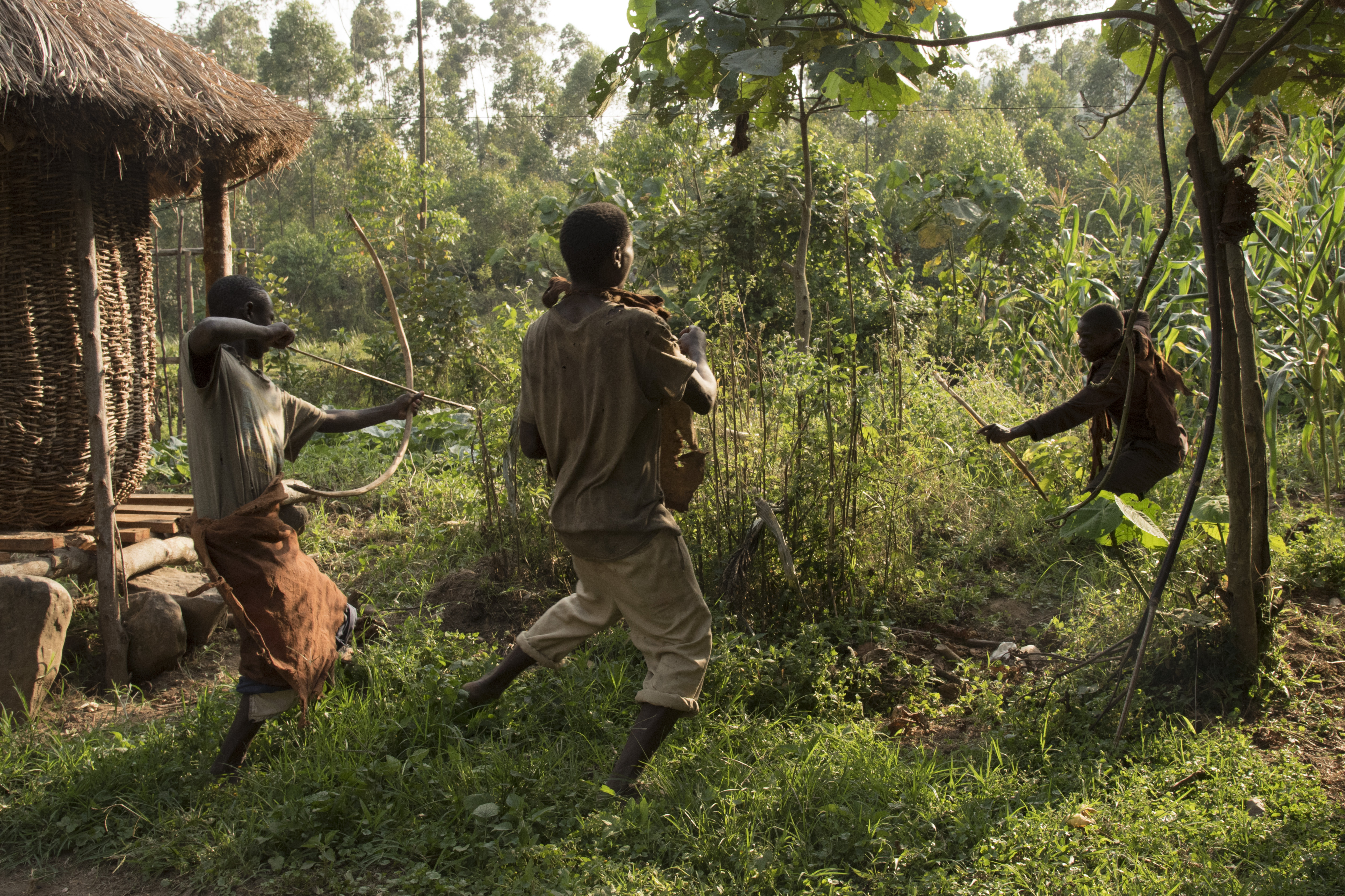
The traditional way of hunting with a bow and arrow.
We stayed in the nearby rural village of Buhoma where we walked through the village and tried some banana rum, tasted locally grown coffee, and visited a local school.
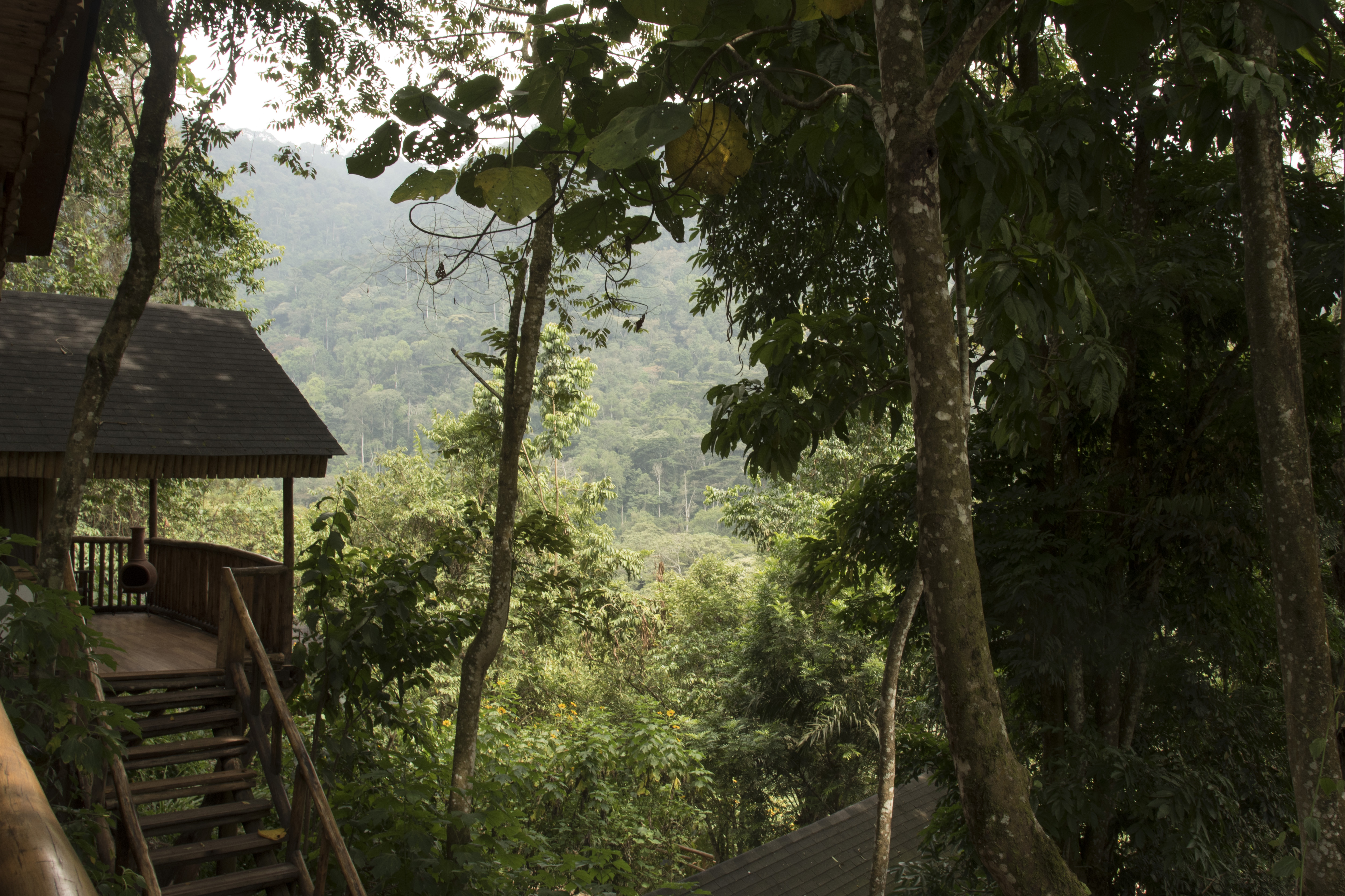
Our room, overlooking the Impenetrable Forest.

This young girl and her baby brother live in the village. Girls take care of their younger siblings and are often seen carrying them on their backs.
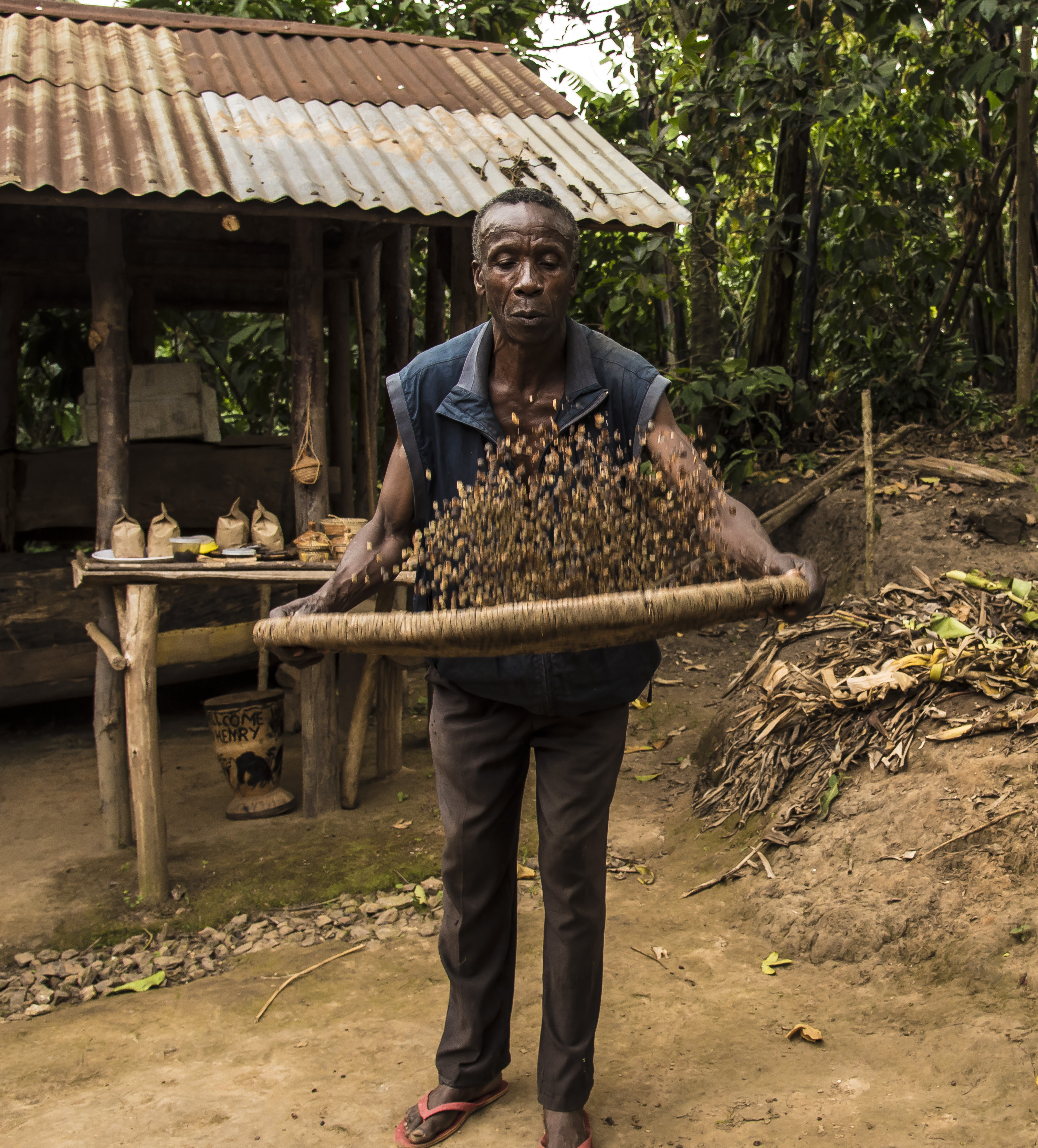
This is Henry. He is winnowing coffee beans which he will then roast and sell. His coffee is quite delicious. Unlike Tanzanians who prefer dark roasted coffee, it is almost always medium roast in Uganda. Henry also makes a very potent banana rum.

Henry’s wife with their grandchild.
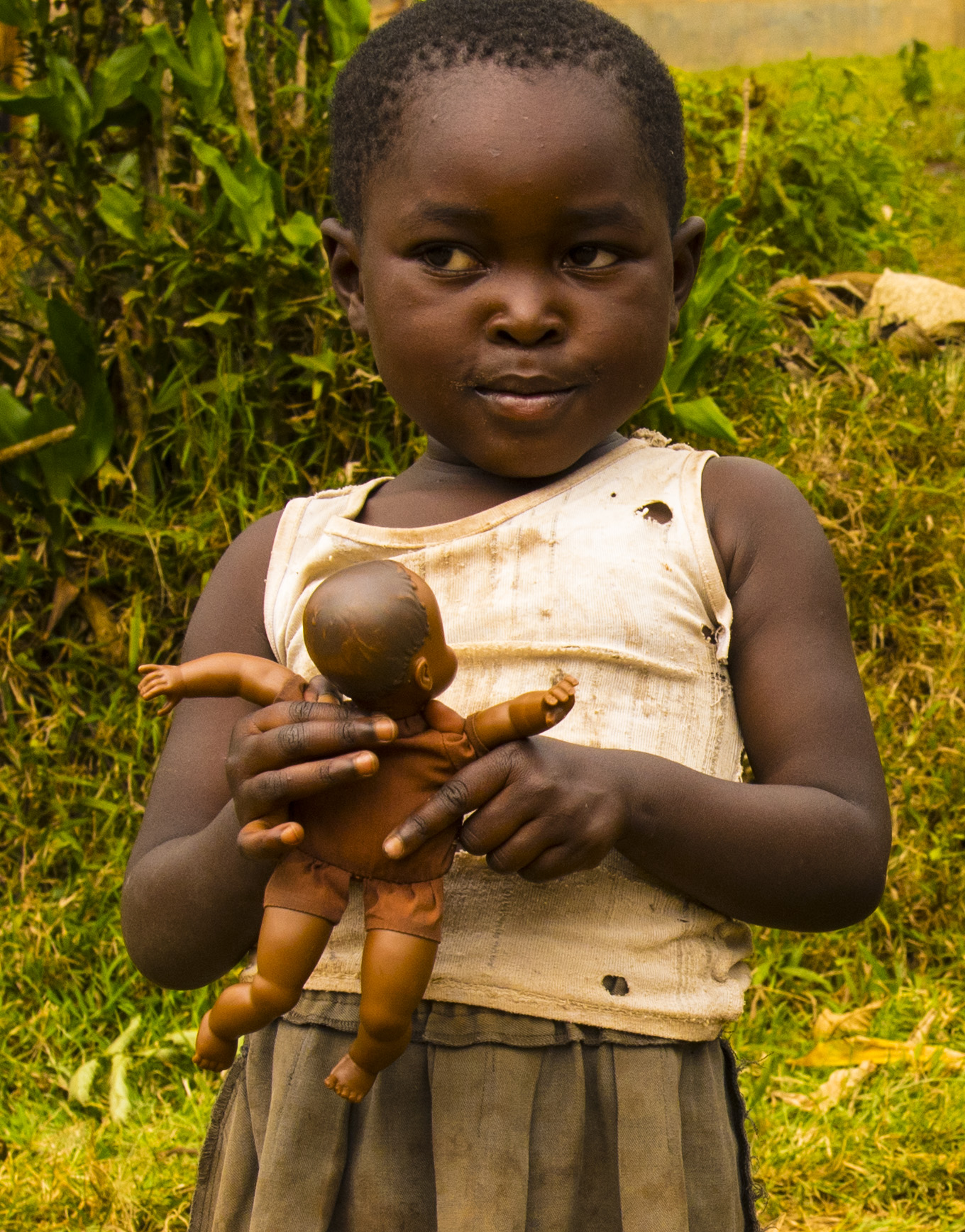
Little girl with her babydoll.
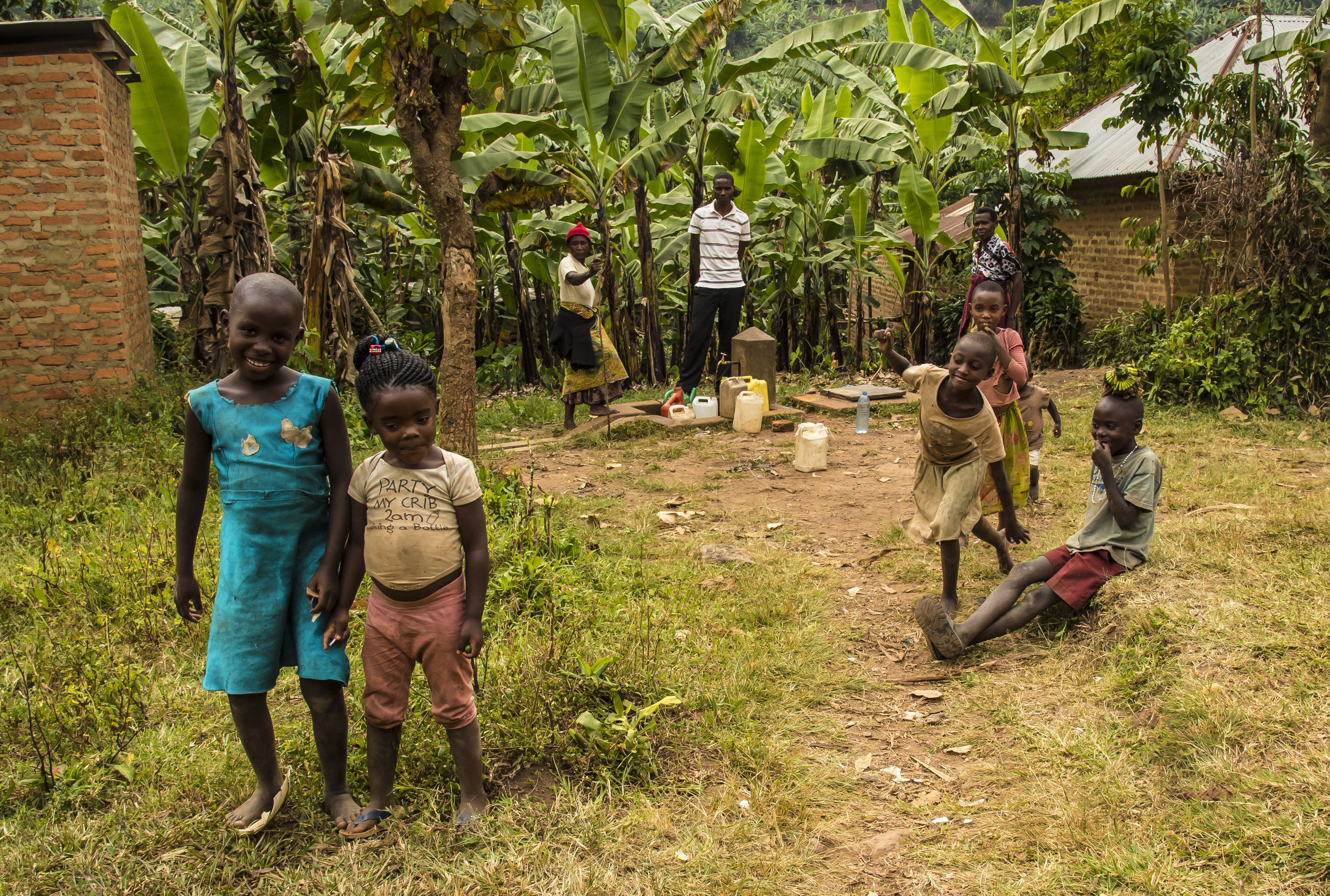
Coffee and bananas are the primary Ugandan crops often grown communally in the villages. Tea is generally grown on larger farms and plantations.
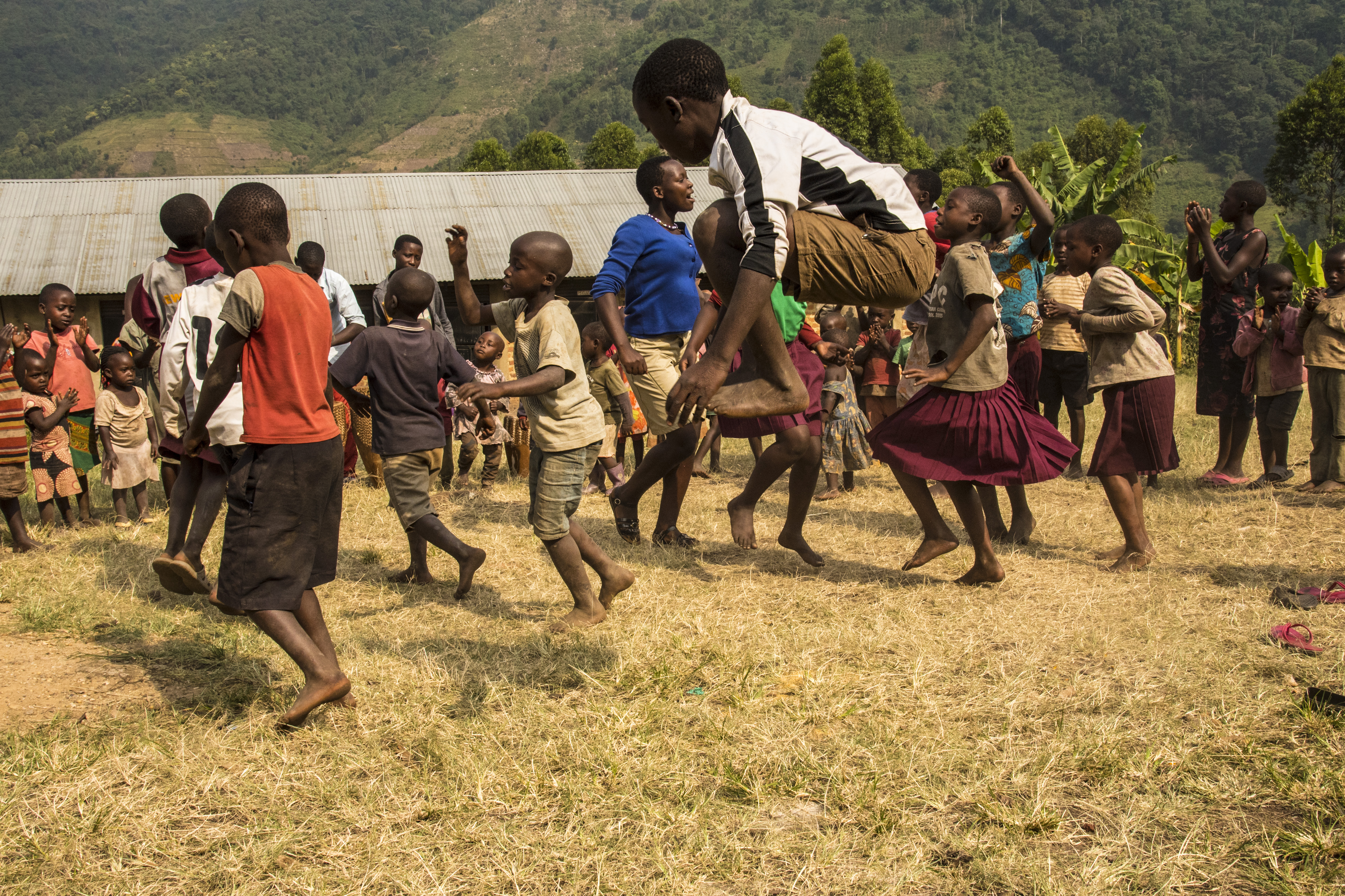
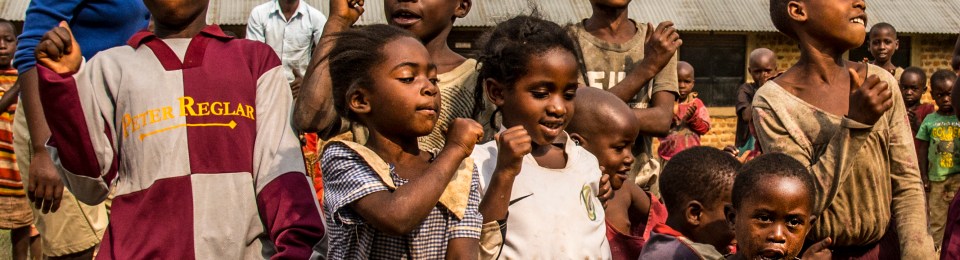
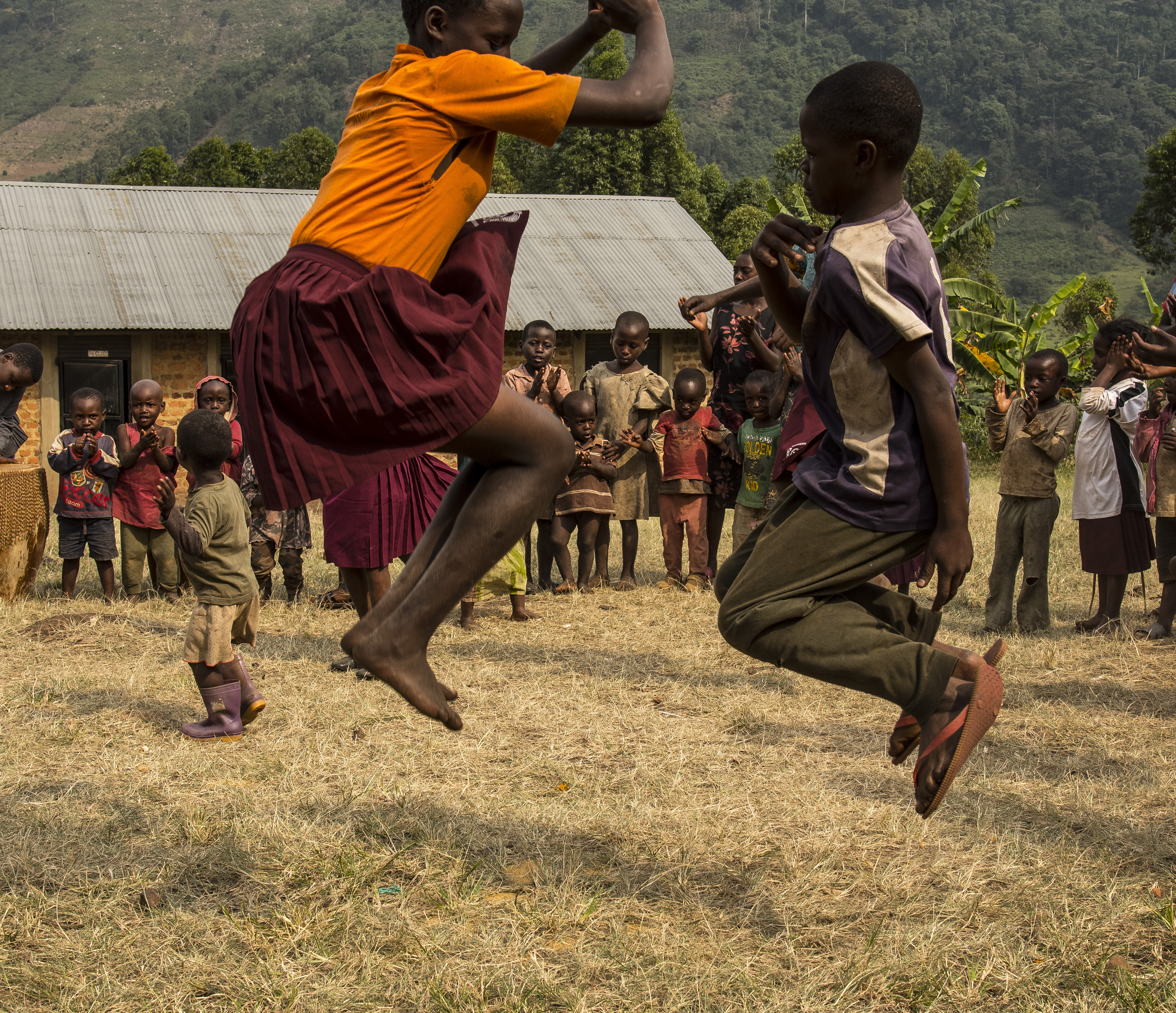
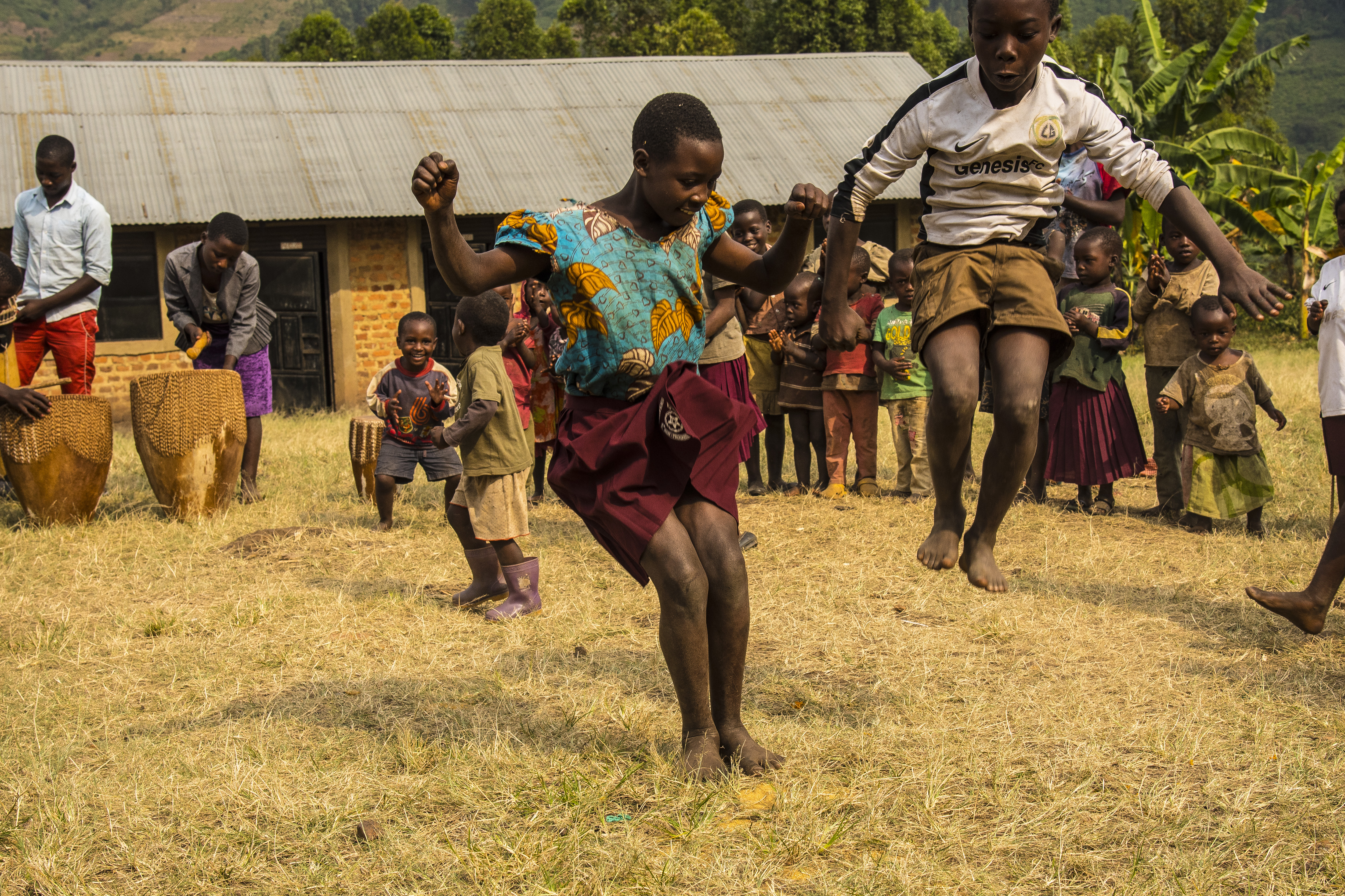
The day we visited the Watoto School it was closed for a national holiday but open for children of all ages as part of the recreation program. Here children danced for us and showed off their jumping prowess. The Batwa children are integrated with children from other tribes here at the school.


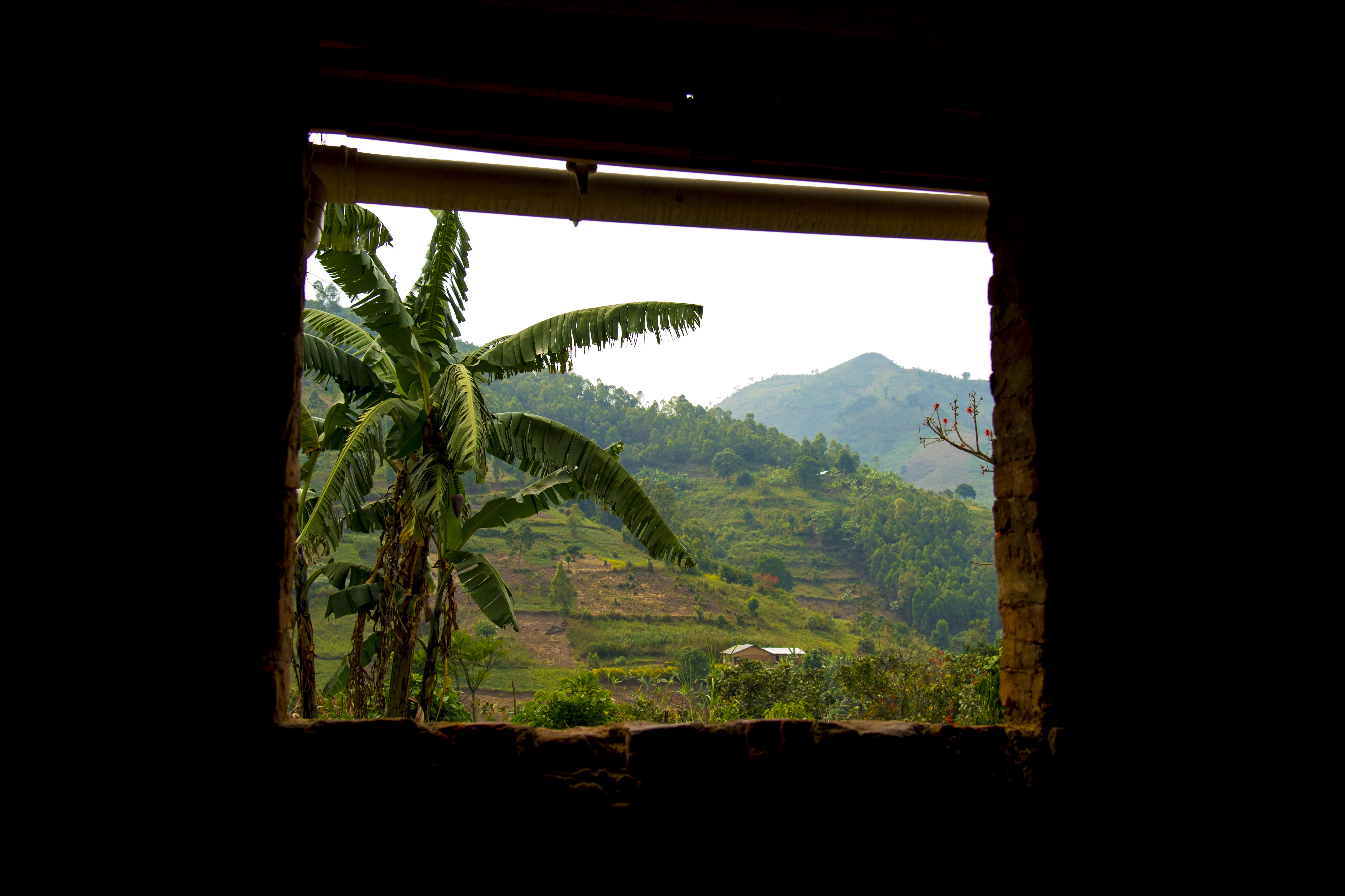 View from the school window.
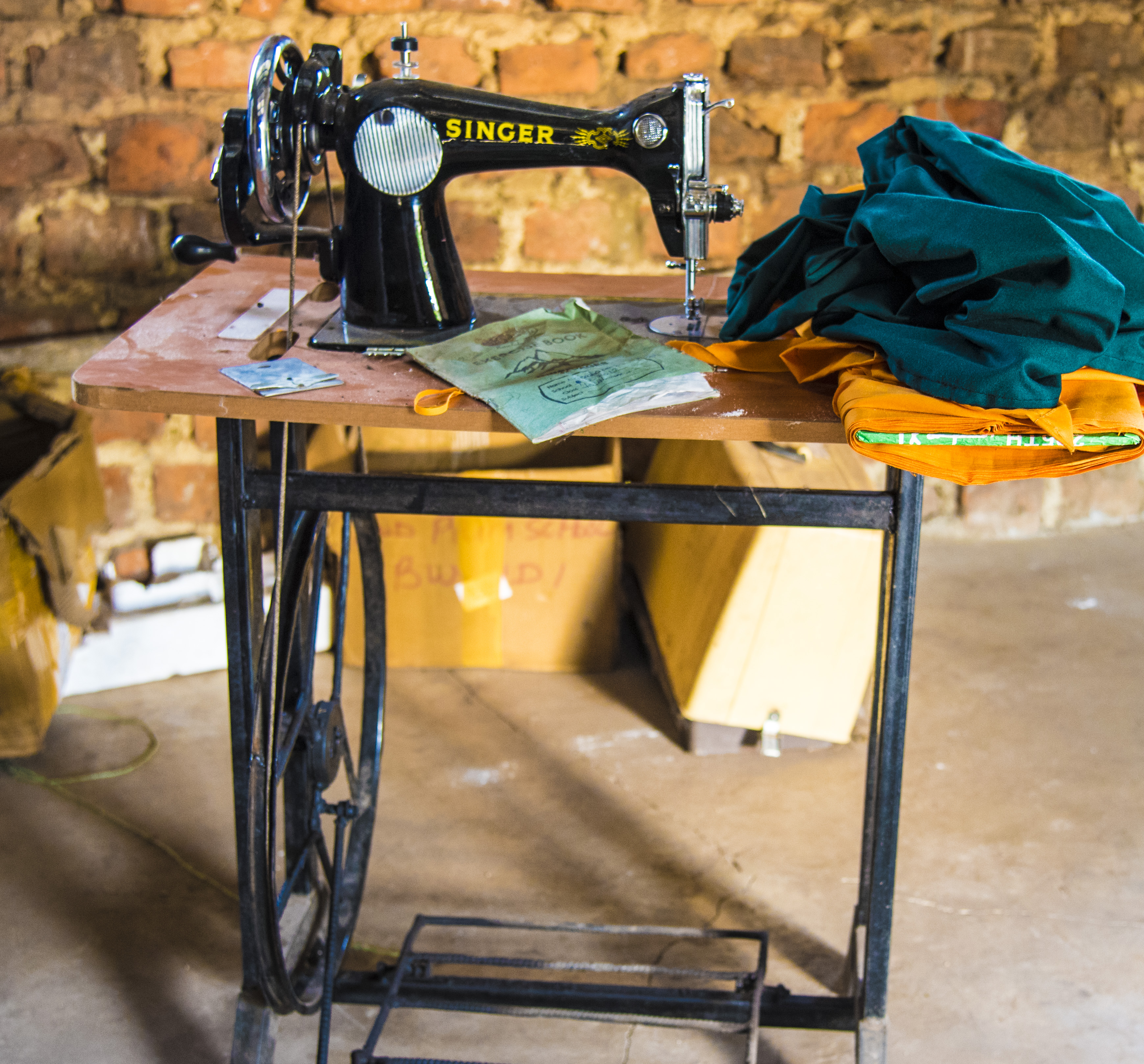
The pedal sewing machine is key to an independent future for girls in Uganda. Here at the school the girls are learning to use the machine and sew the school uniforms.
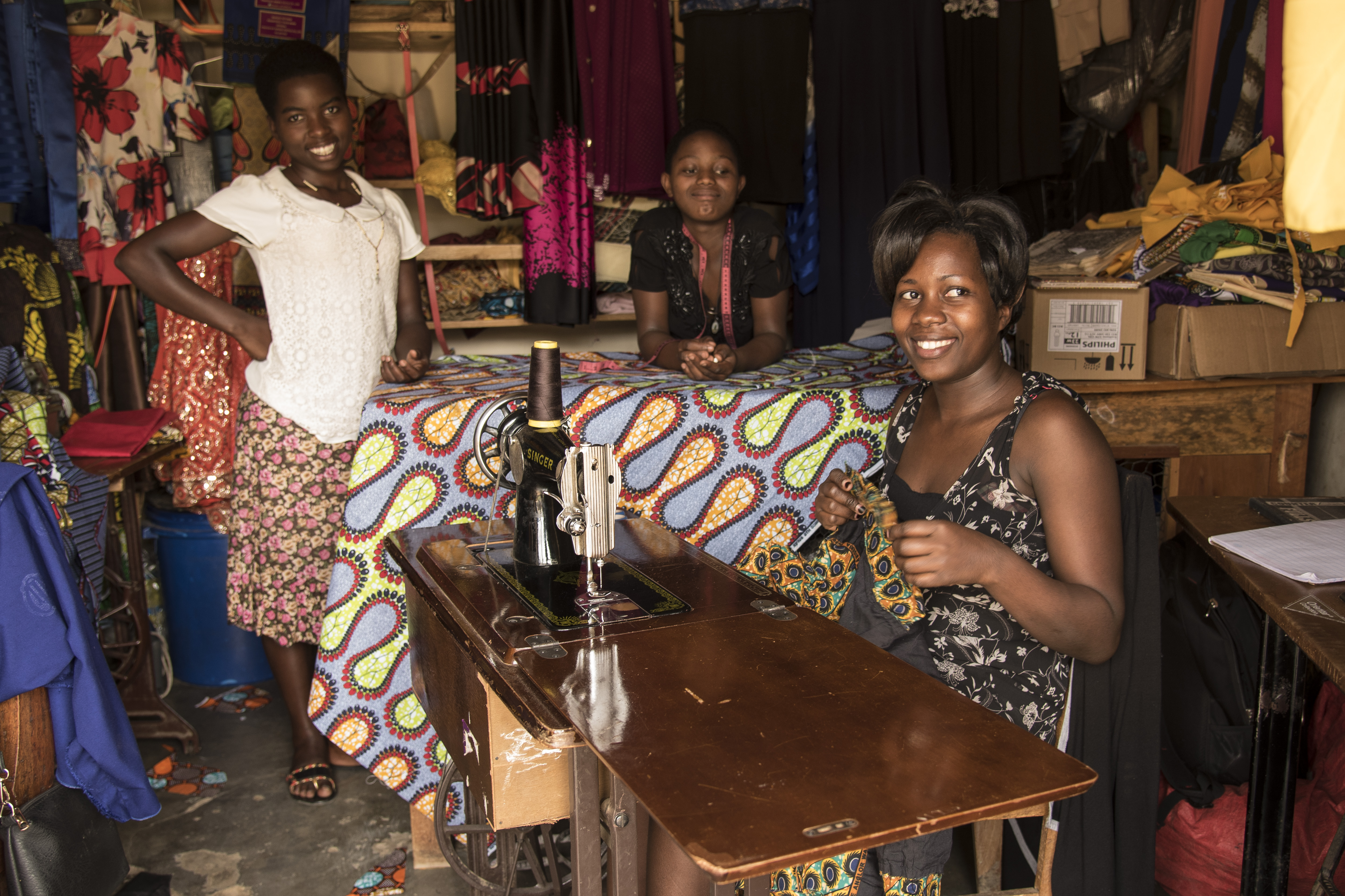
In our travel across the country we had visited a sewing shop in one of the larger villages, owned and operated by women. They have access to very beautiful fabrics (from the Congo and other places), popular with the women of Uganda, who dress up at every opportunity.
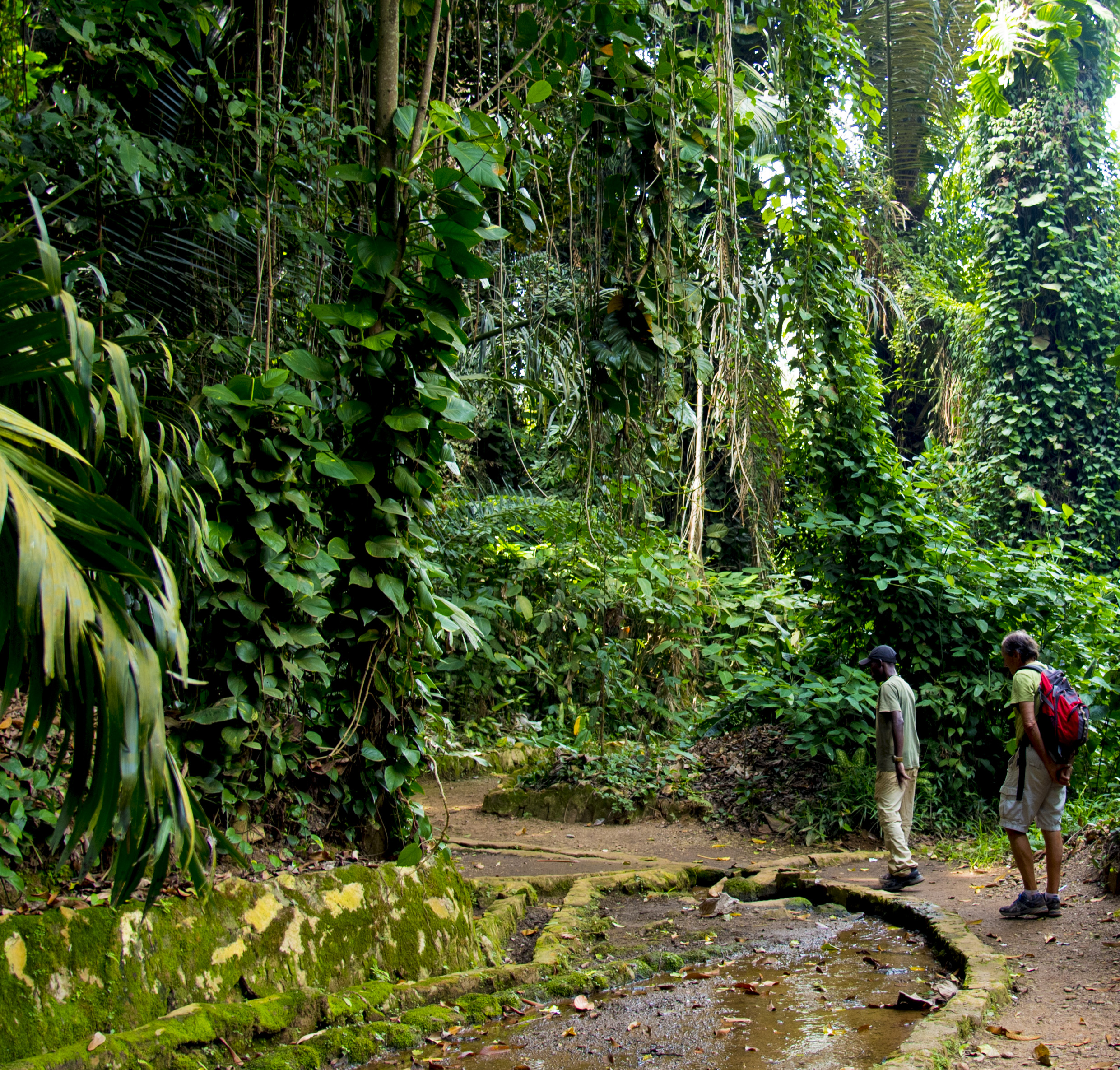
Our last day in Uganda was spent in Entebbe, which boasts a beautiful botanical garden where the old Johnny Weismuller Tarzan movies were filmed.
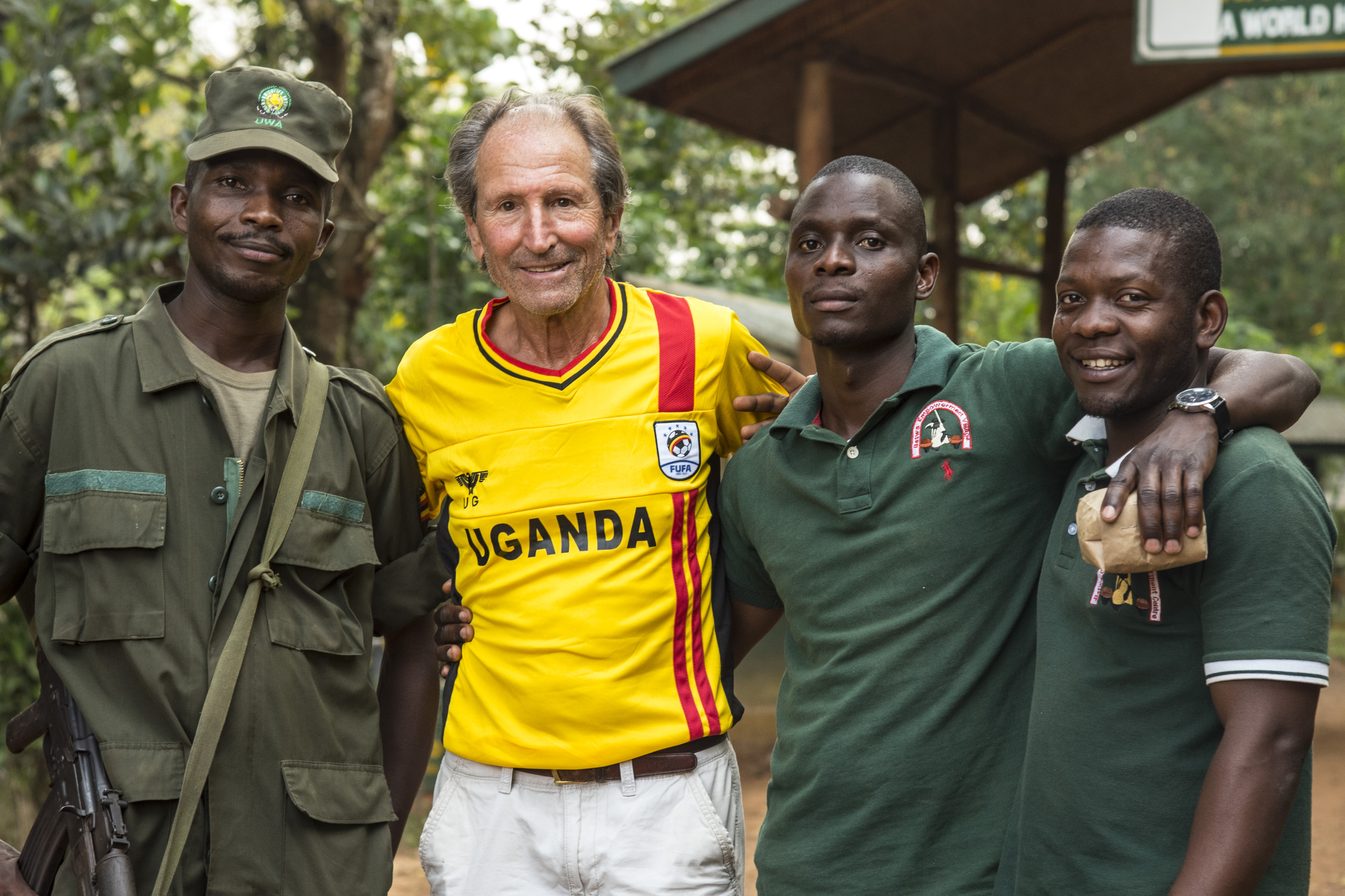
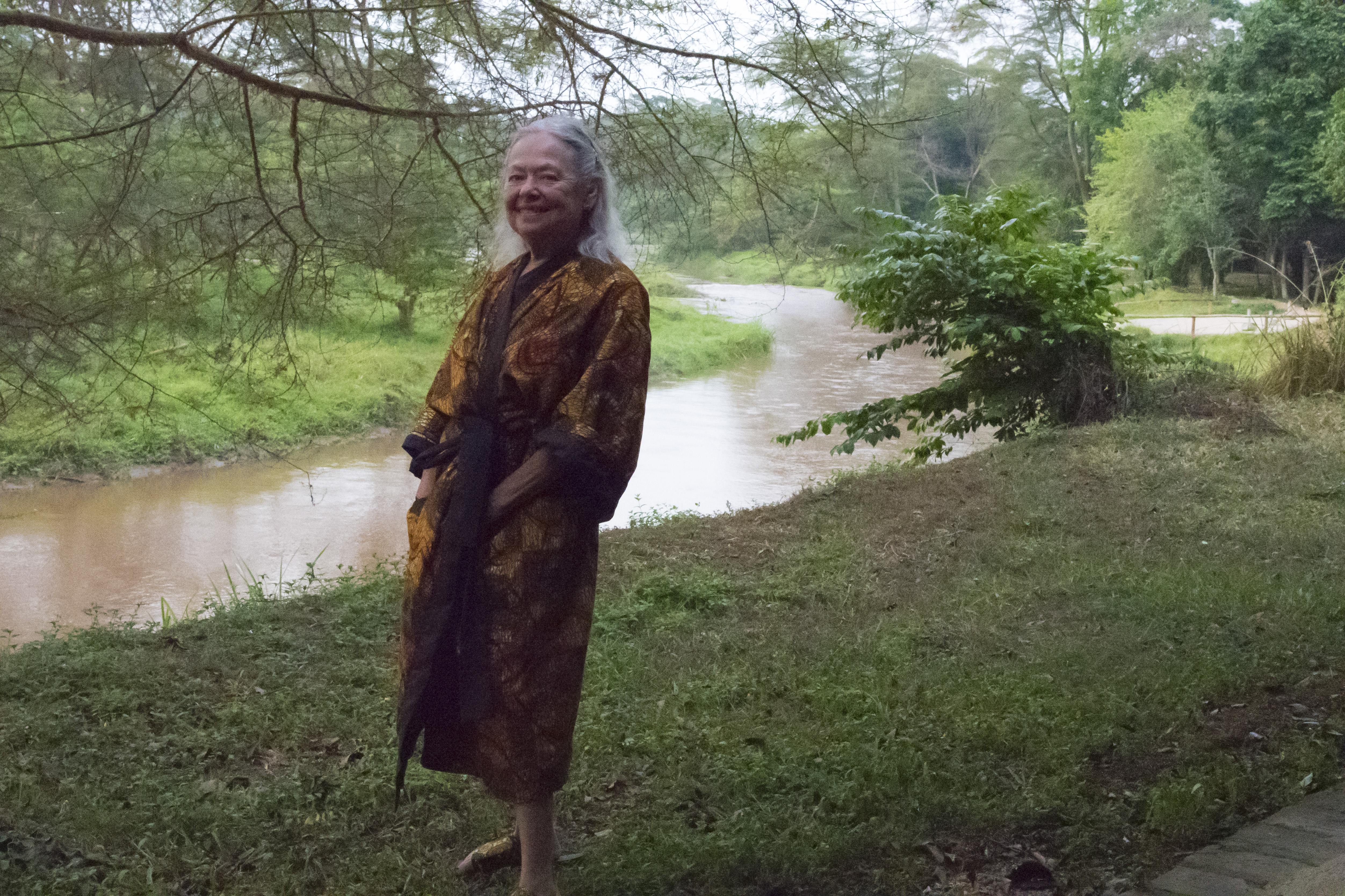
It was an unforgettable journey. We will be back!
 westwardhowithapollo
Thanks for sharing your journey. Sounds like a great trip.
Happy travels. Great trip.
Joanne, these images are really truly breathtaking
I am so impressed and I am not saying that lightly
Peter
Sent from my iPhone
>
Thank you, Peter. I don’t say that lightly.
Hi Joanne. This is my favorite post so far! You didn’t by any chance take any video of the dancing and jumping?
We haven’t been doing any major world traveling lately, and it will likely be a while before that happens, given Will being in college and all… However, my sister and I are going to Italy with our Anchorage Concert Choir this June, even singing in St. Peter’s Basilica in Rome!
If you and Mitch ever get to Alaska, be sure and visit us. Summer is fantastic of course, with the almost 24 hour daylight (the sun does officially set, but since it’s just barely dipping below the horizon, there’s always enough light to read by as you lie awake in your tent listening to the hermit thrushes). Winter is also beautiful, unless we have a thaw, which is happening more and more frequently. We have miles and miles of lighted and groomed x-country ski trails right in town. My favorite season, though, is fall, when the tundra colors flame yellow, orange and magenta, swans fly south, and the stars come out again. Spring is an exciting mucky mess. Around the equinox, we get over 5 minutes a day of added sunlight. About May 1st, the birds are migrating back through, and if you happen to be here the week the leaves pop, it is truly dramatic. One of the things I most love about living here is that the sun rises and sets slowly—around the solstices the raking light and cloud color show last for hours. Carrie Rader
Sent from my iPad
>
Thank you, Carrie. It was a delight to hear from you. And yes Alaska is on our bucket list. So who knows when? Will take you up on your offer. Love to Dennis and Will. Joanne and Mitch