After a short plane ride we started the day in Saigon with a hearty bowl of Pho.

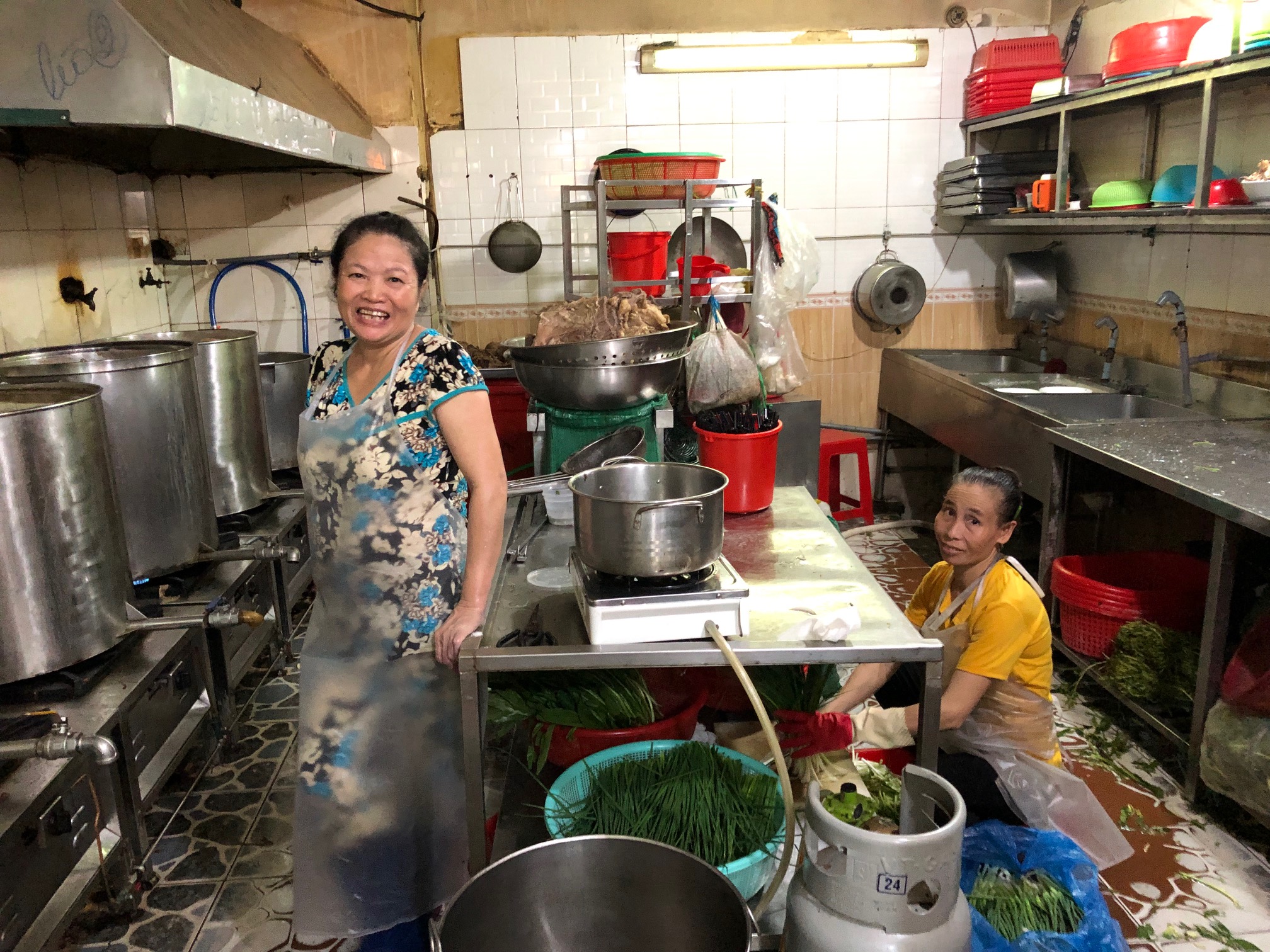
Considered the gold standard for pho, the Pho Hung Restaurant dishes out hundreds of bowls of their pho (beef, chicken, or vegetarian) each day. It takes many hours to make a good pho, starting with a long and careful simmer with several rinses of marrow bones, ginger root, seared onion, daikon, star anise, cloves, cinnamon, coriander, cardamom, fish sauce. The toppings include slices of beef or chicken, beef tripe, cilantro, scallions, basil, coriander beansprouts, and lime. It has a flavor you will never forget. The NY Times recently identified pho as the dish that’s good for combatting global warming because it’s mostly vegetables, yet is meaty enough to satisfy carnivores.

We stopped at the memorial for the Buddhist monk Thích Quang Duc, who in 1963, burned himself to death at this busy intersection which is not far from the presidential palace.
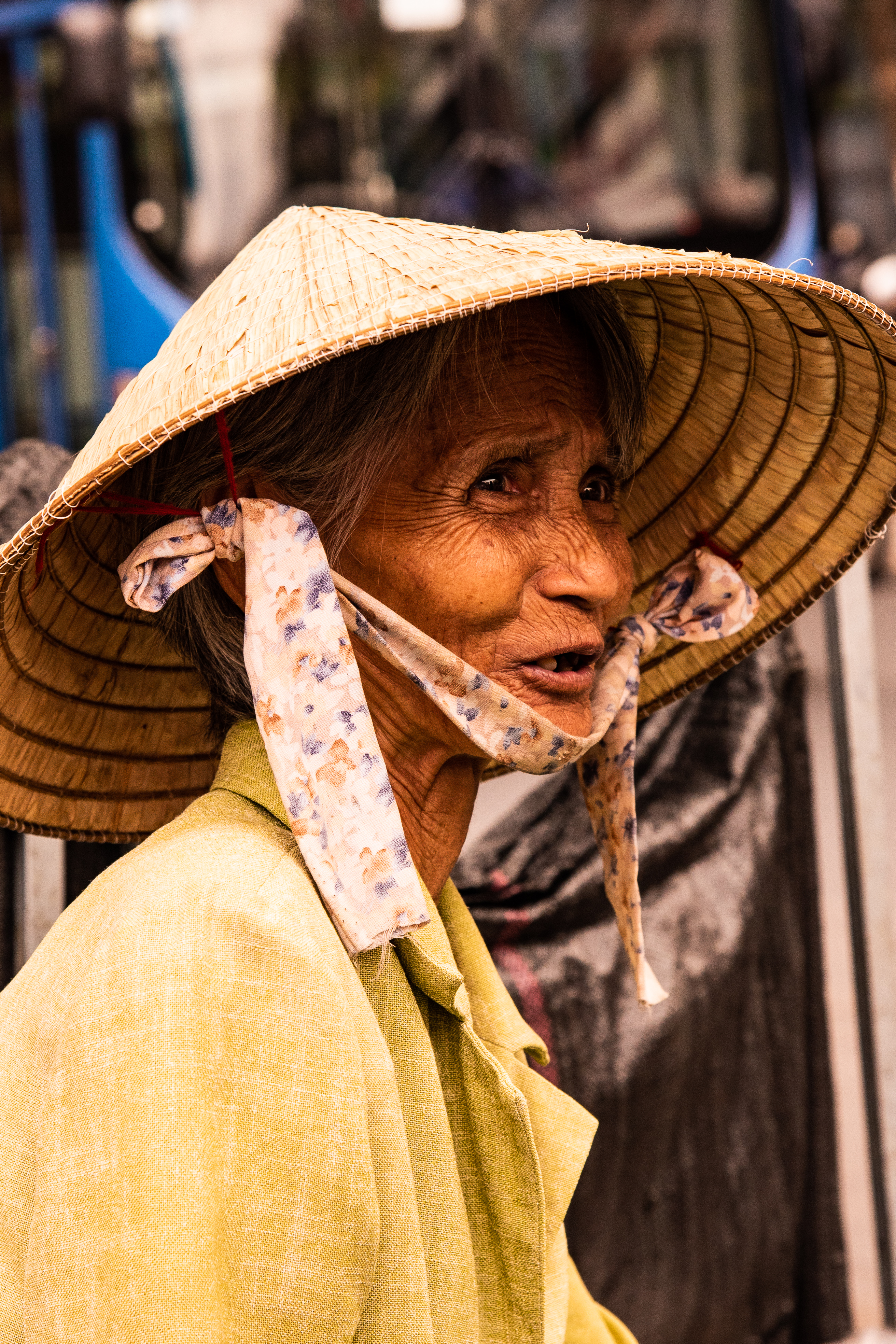
This woman was picking up trash from the street to sell as recycling. She told us that she is 82 years old and that this is her only source of income. She is not homeless and through her hard work is able to pay rent on a very small apartment.
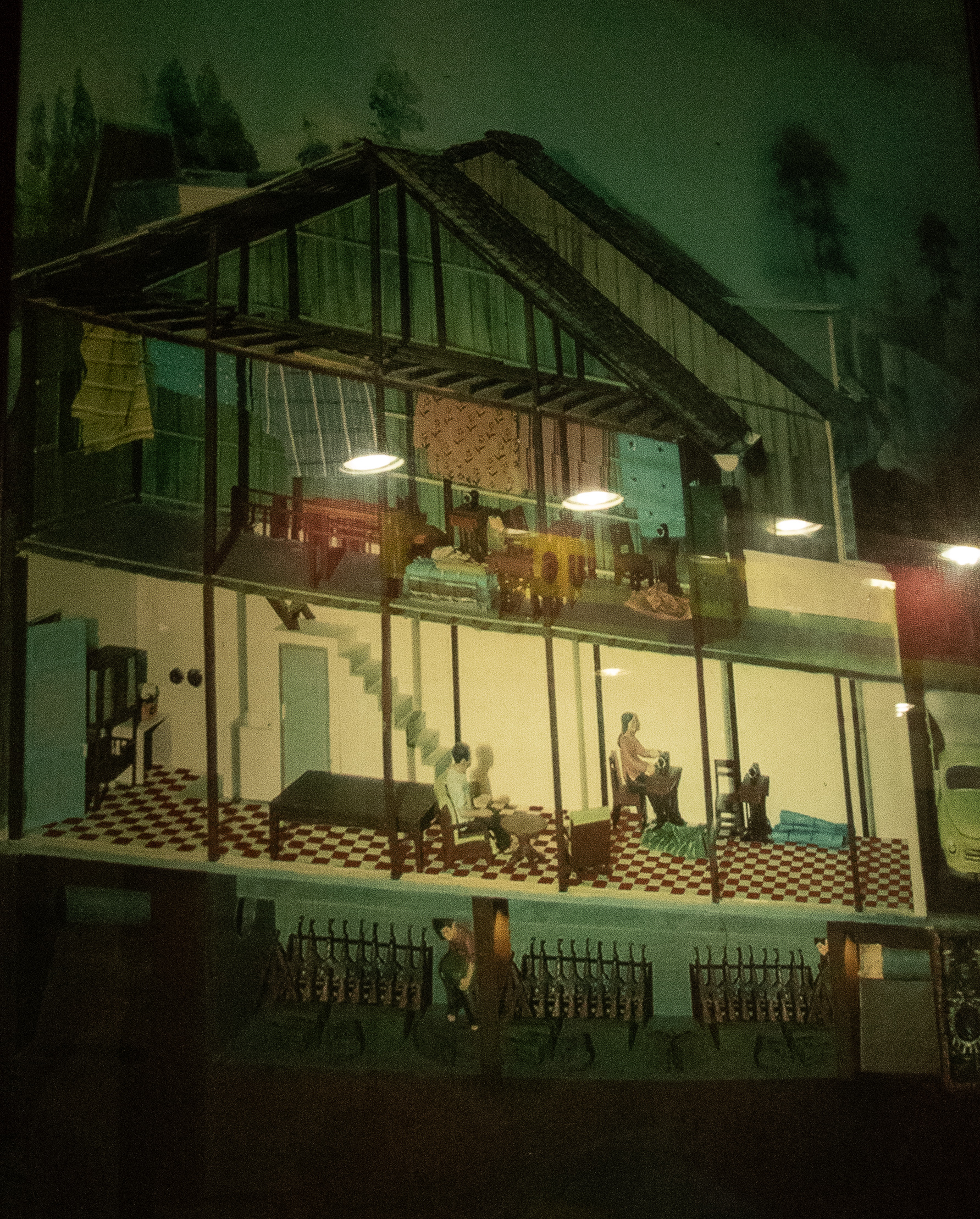
War tourism is a significant part of the travel industry in Vietnam. Our guide An told us about the many American GIs he has worked for, who returned to look for a child, to do good works, or to revisit the past. As part of our walking tour, we stopped at the building depicted above. A cache of weapons was hidden beneath the floor here during the war. The building, which looks like a storefront in the middle of local shops, is now part of the City’s war remants. Just outside the entrance to the cache building was a busy farmers’ market that existed during the wars with the French and the US.
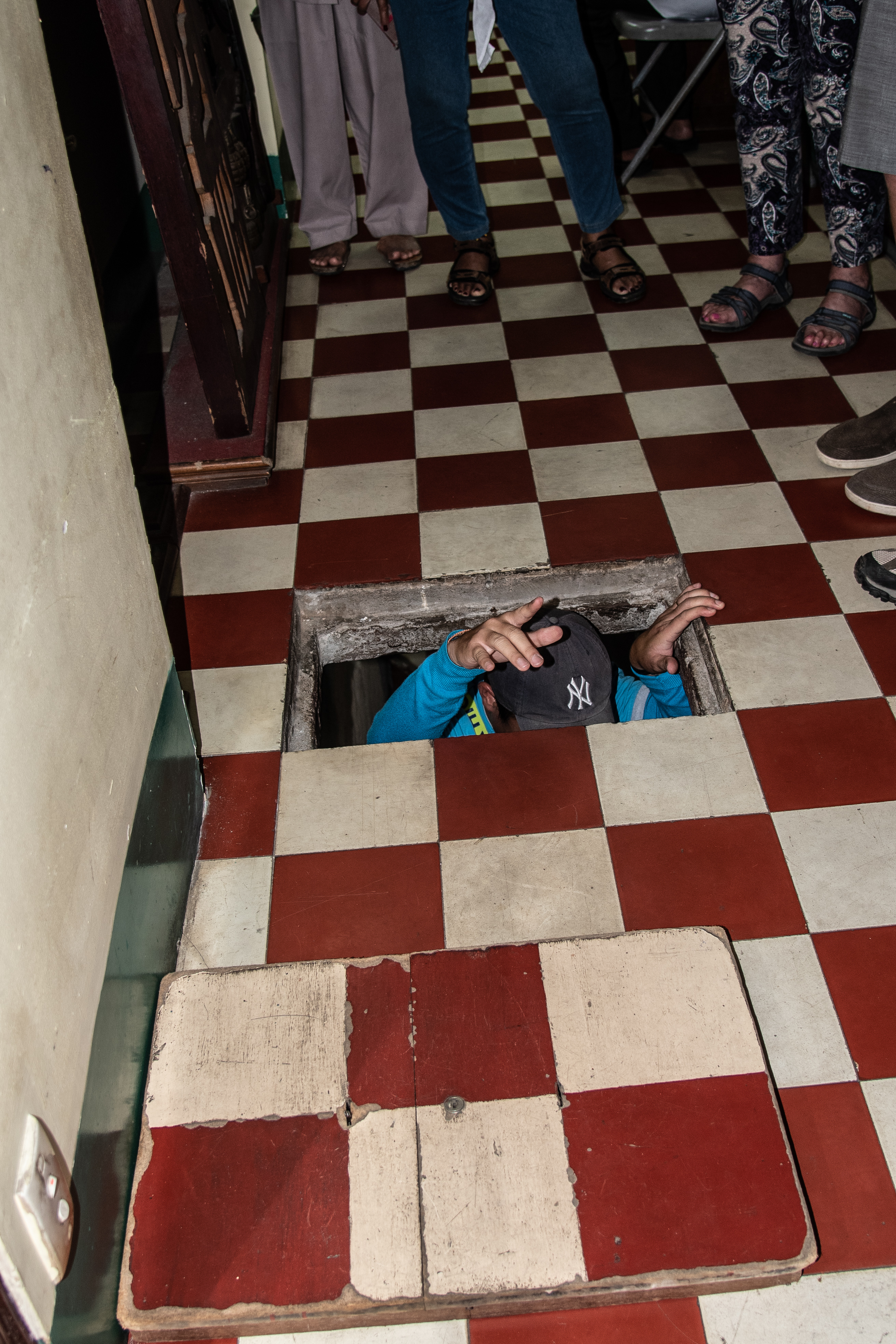
Camouflage hid the hatch that led to the lower level where weapons were stored.
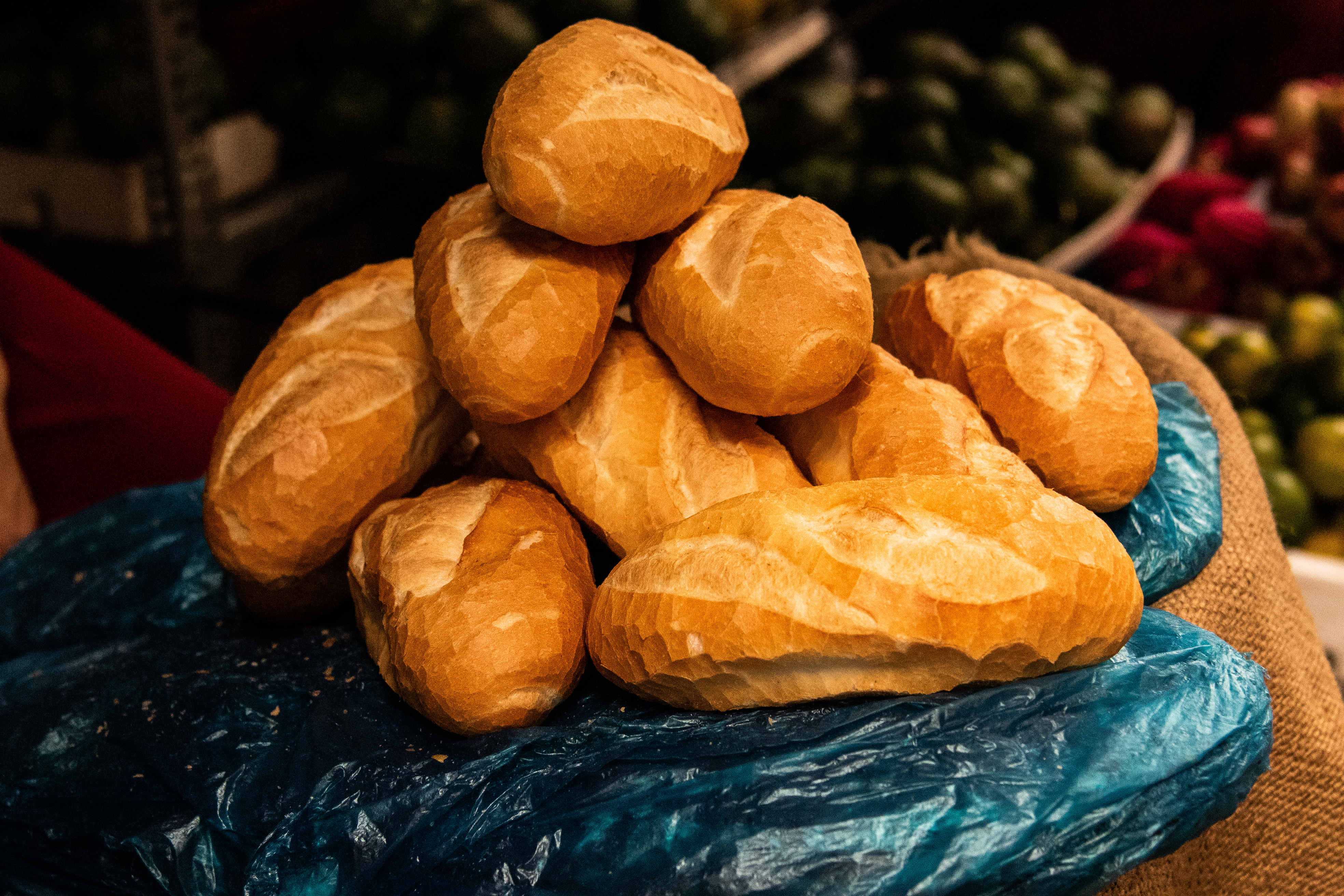
These beautiful baguettes got Joanne’s attention. She had become a Banh Mi lover.
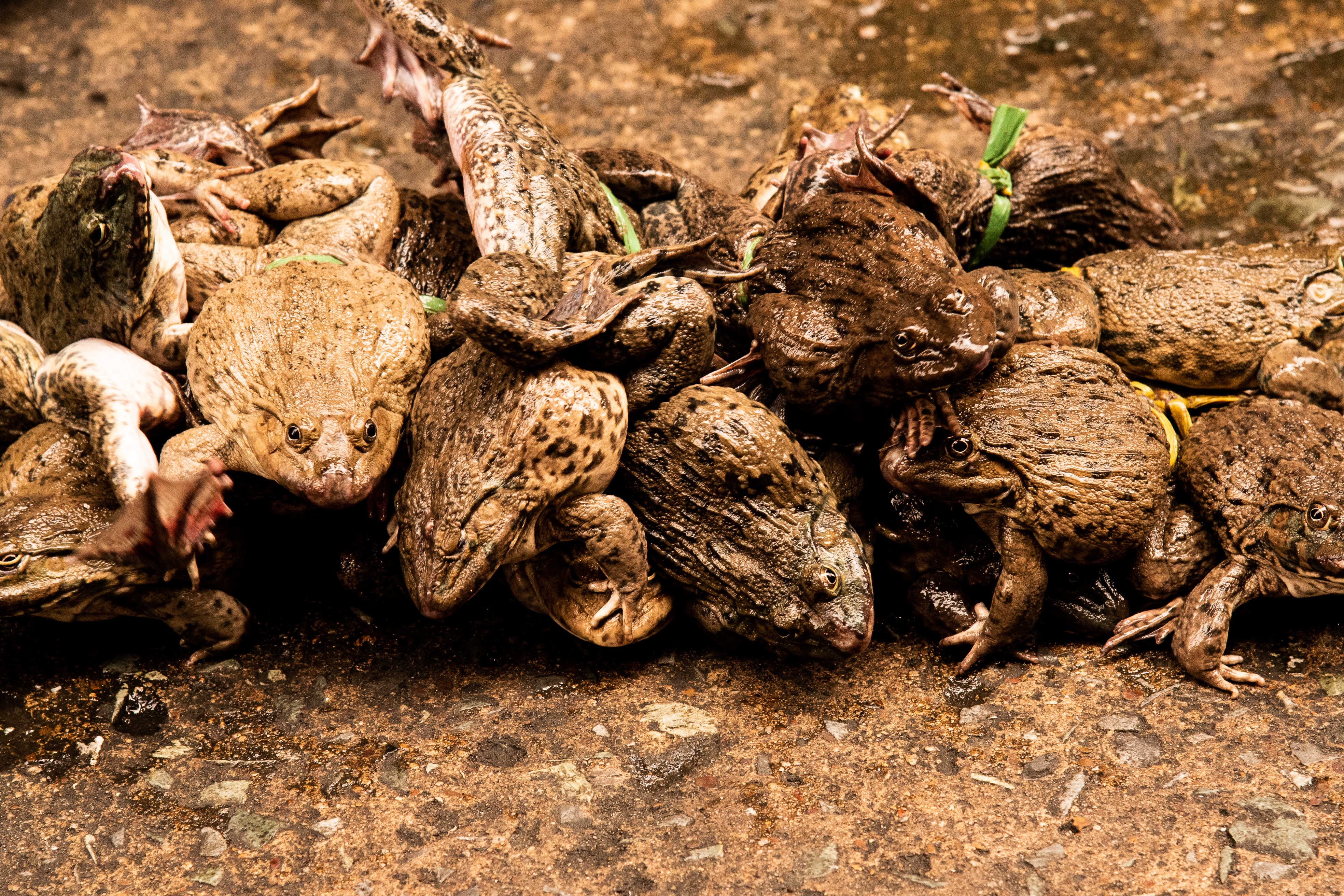
Frogs, piled up on the sidewalk, were headed for the pot. They’re’ tasty, too,

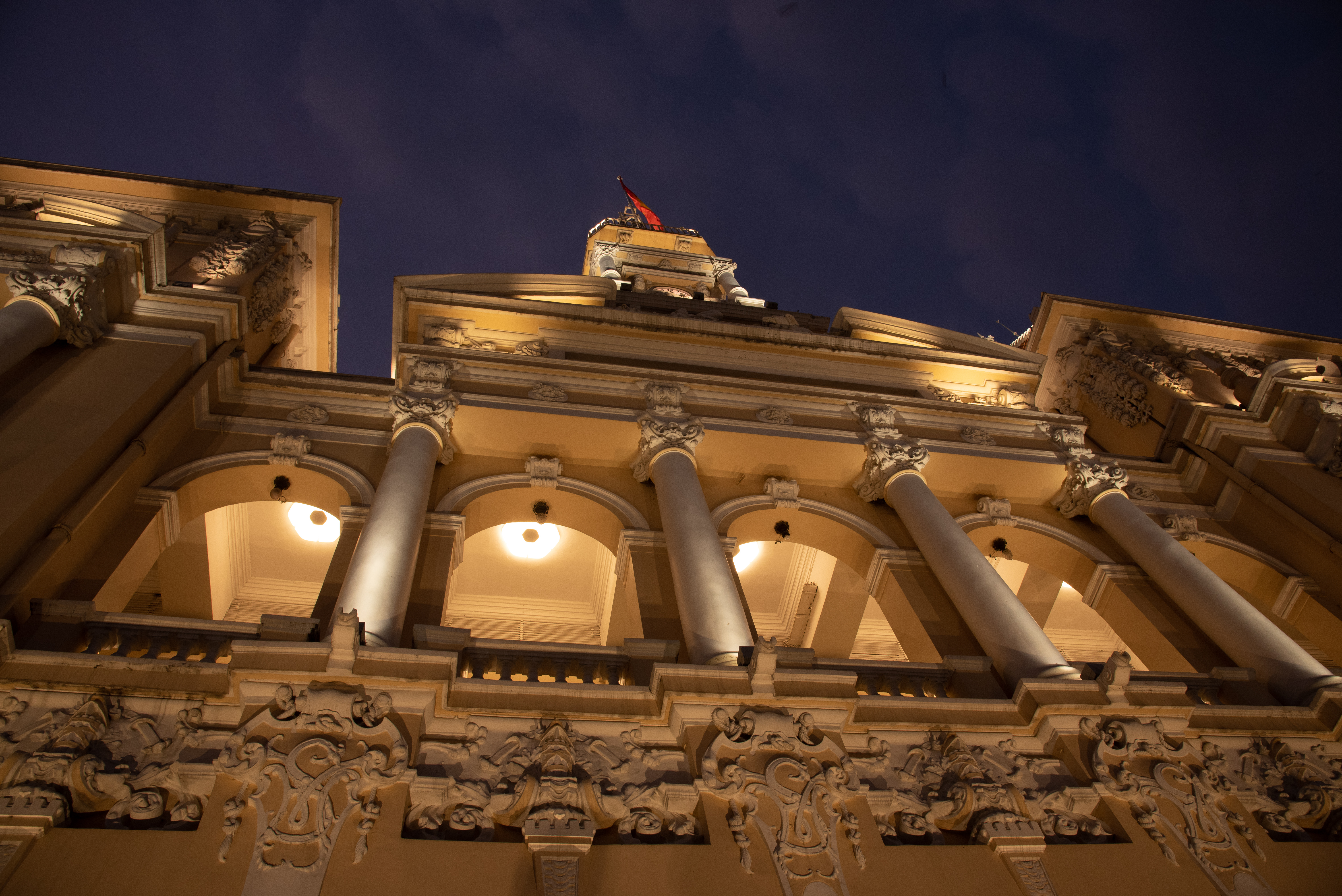
Saigon really comes alive in the evening. This is the Municipal Theater, built in 1899, often referred to as the Saigon Opera House.
. 
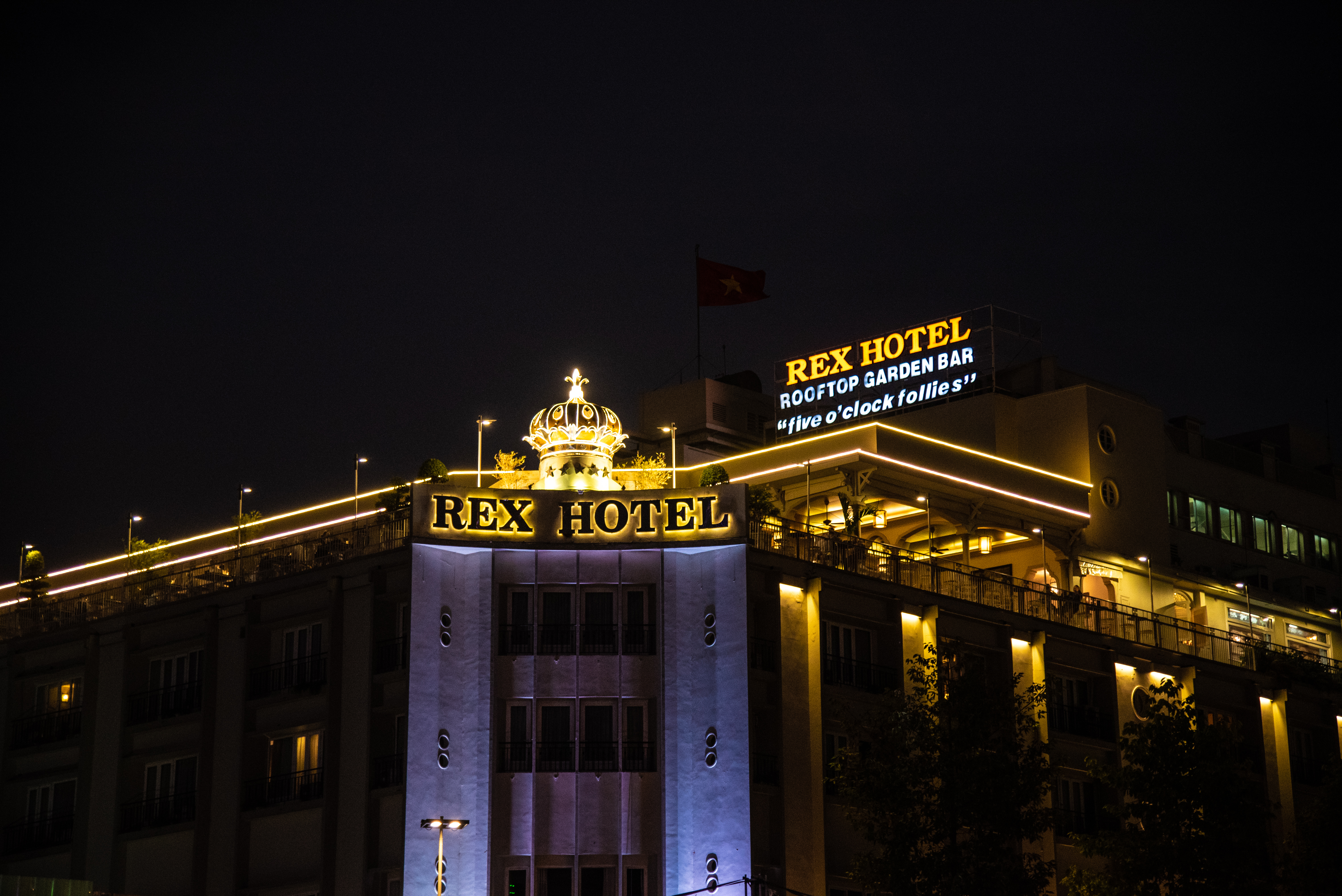
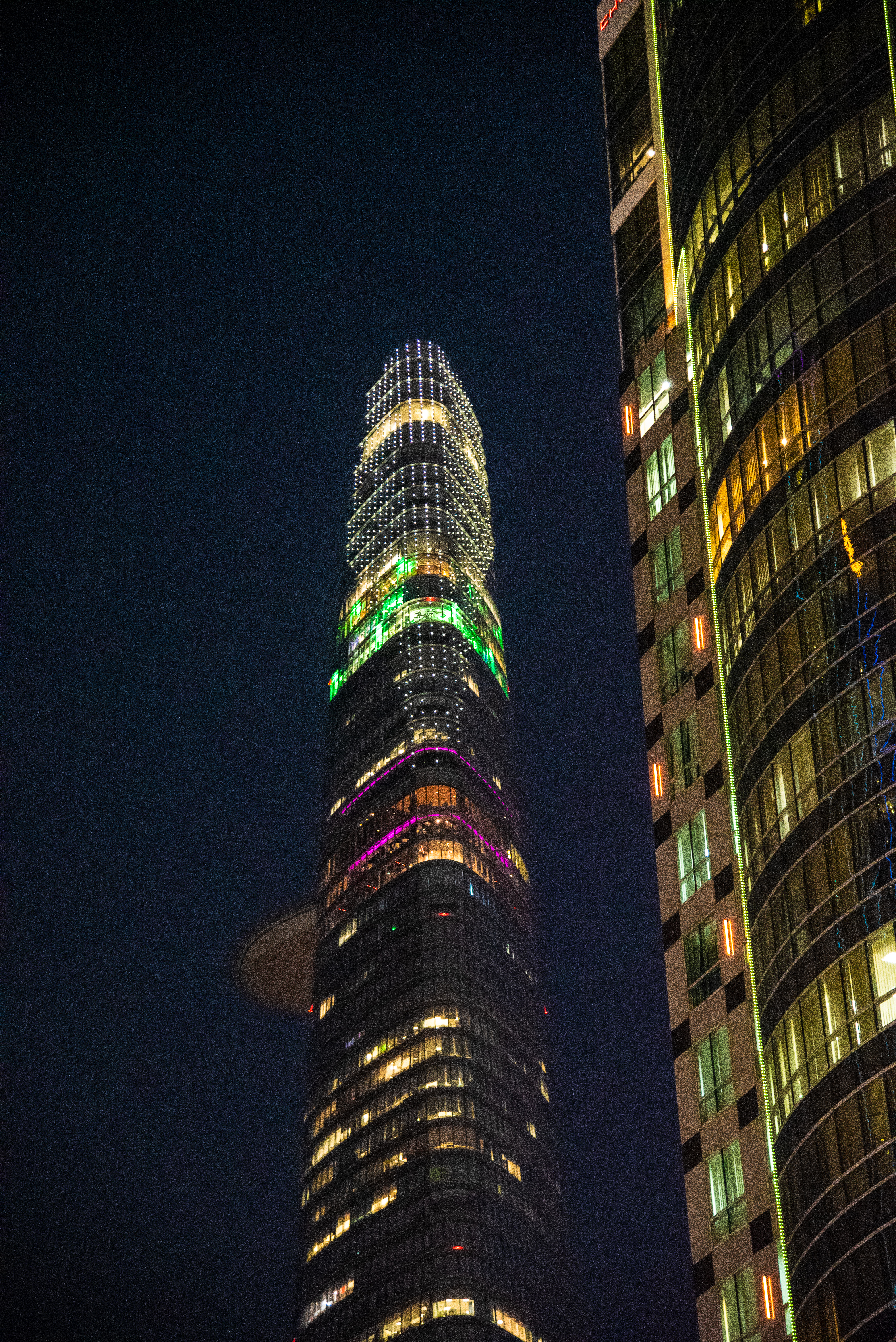
The Rex Hotel, where reporters covering the war hung out and the Times Square building owned by a local company (Savico) in partnership with a Hong Kong based firm (Larkhail).
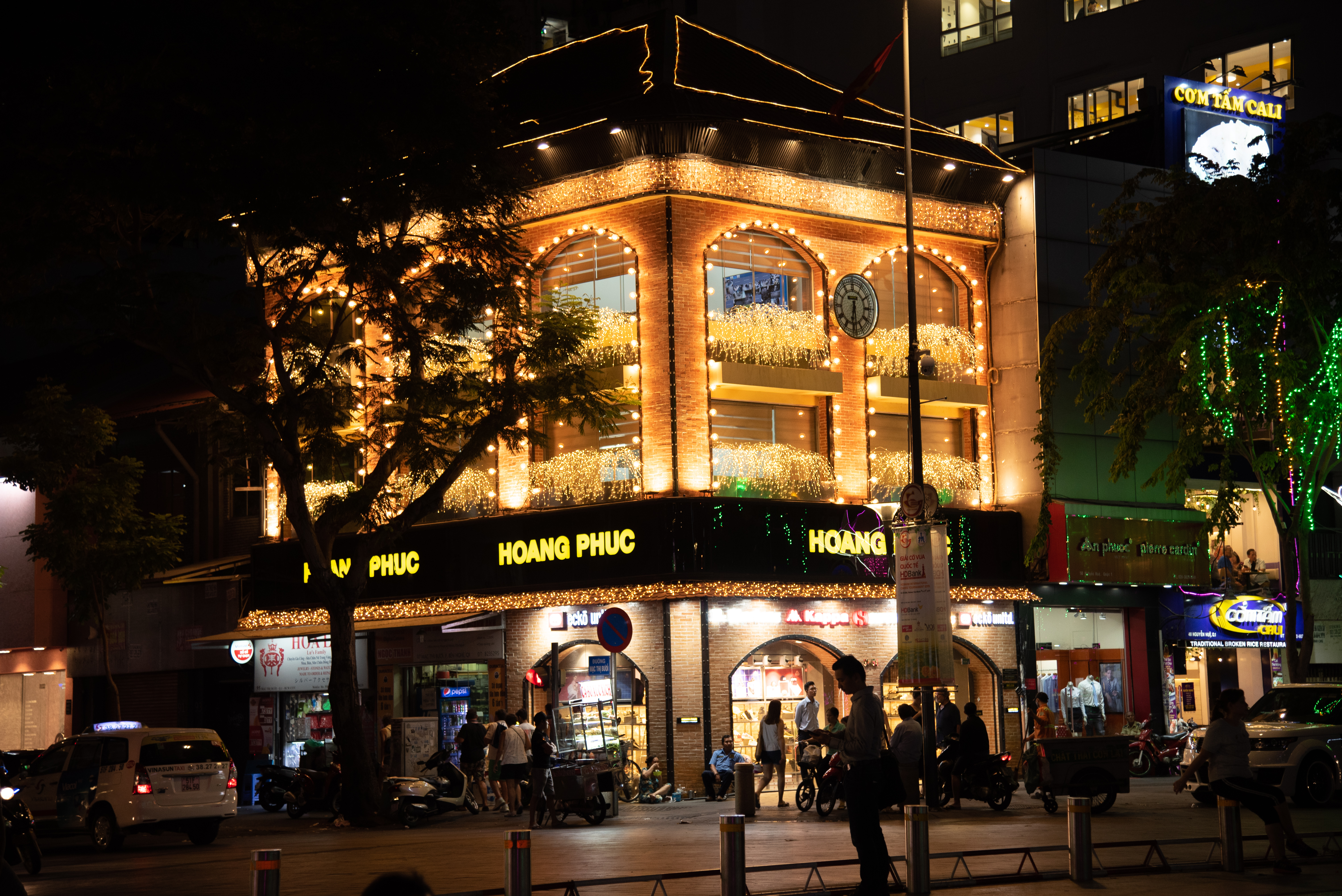
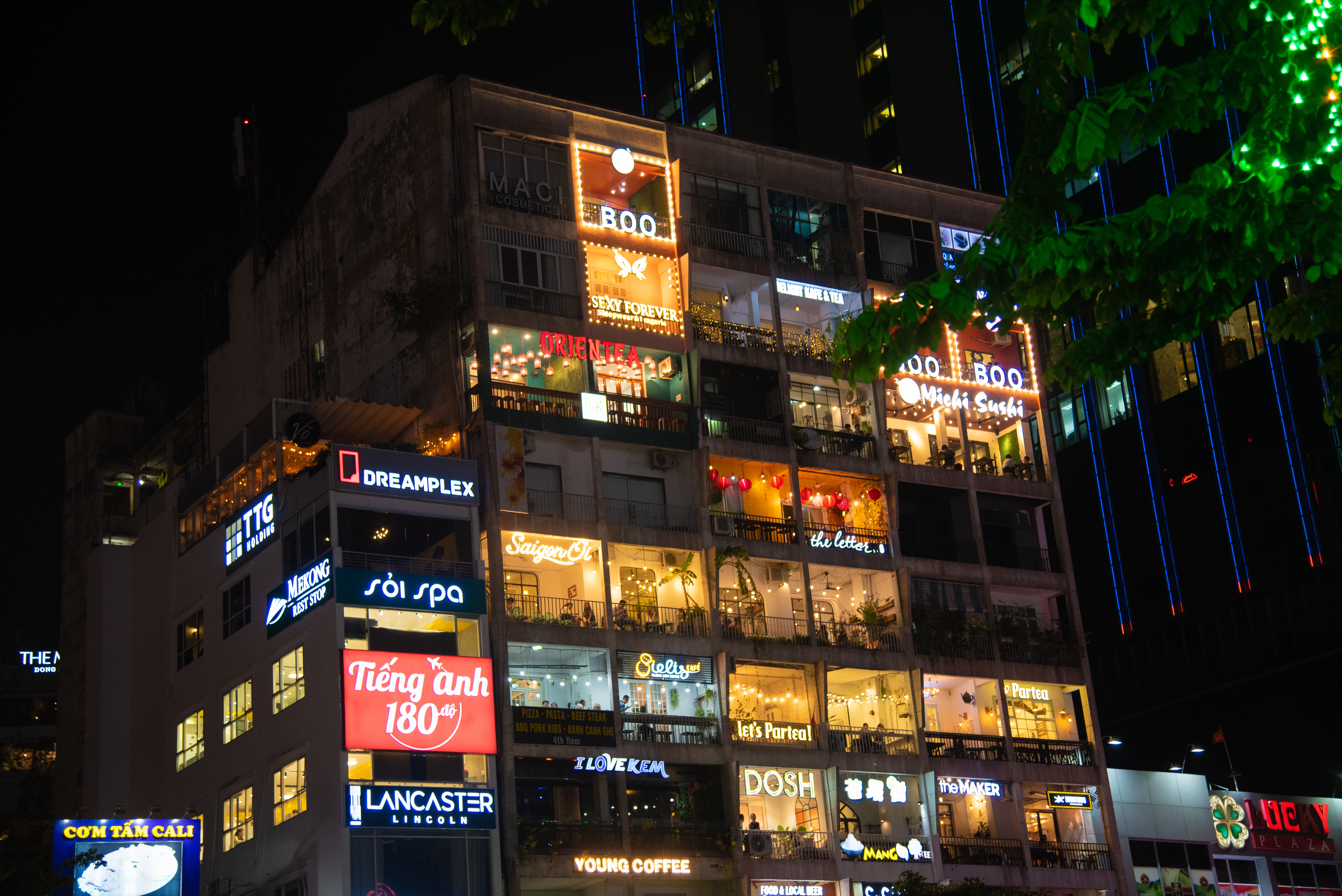
Today central Saigon has a thriving economy and it seems that almost every inch is in commercial use.
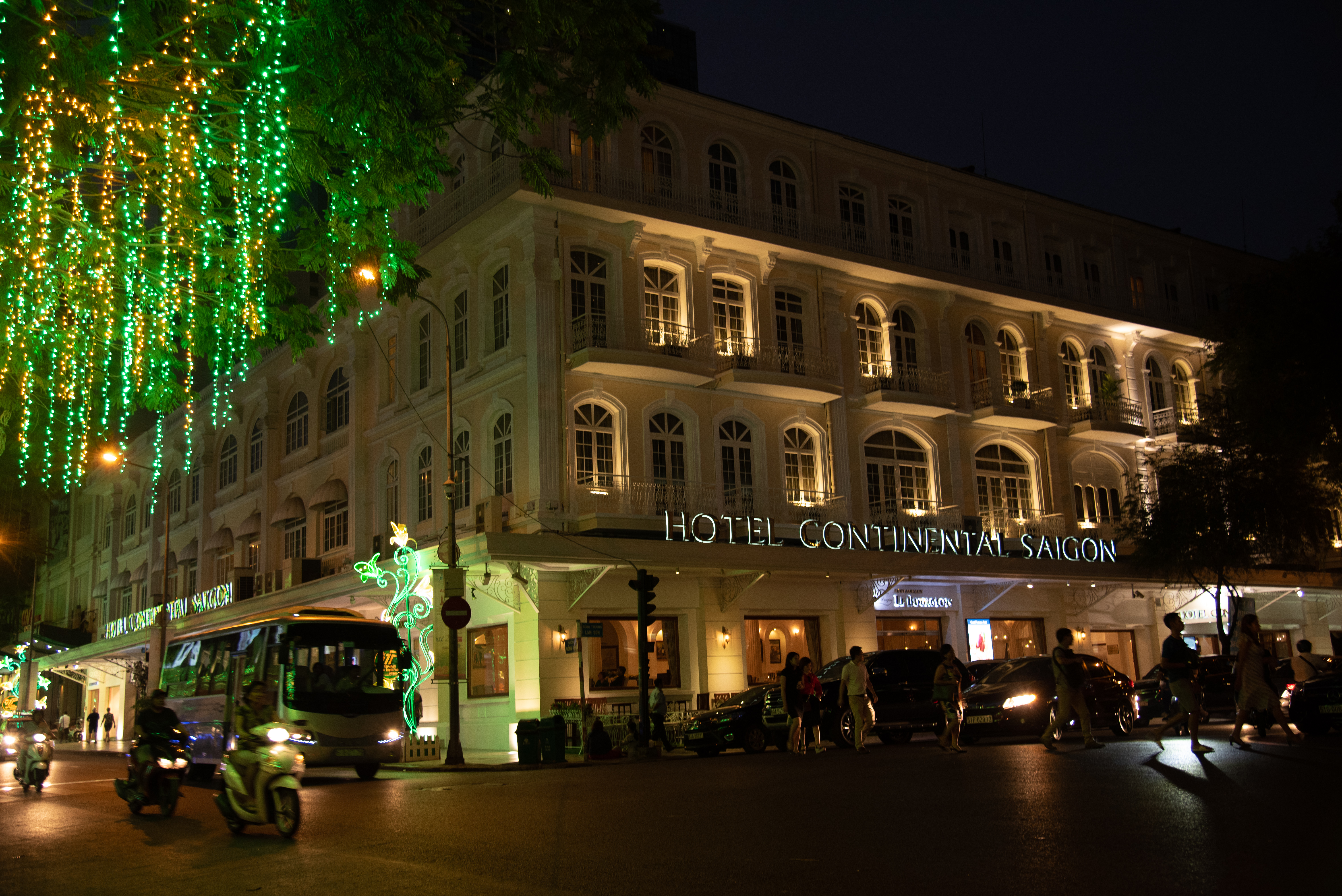
The Hotel Continental is old and swanky.
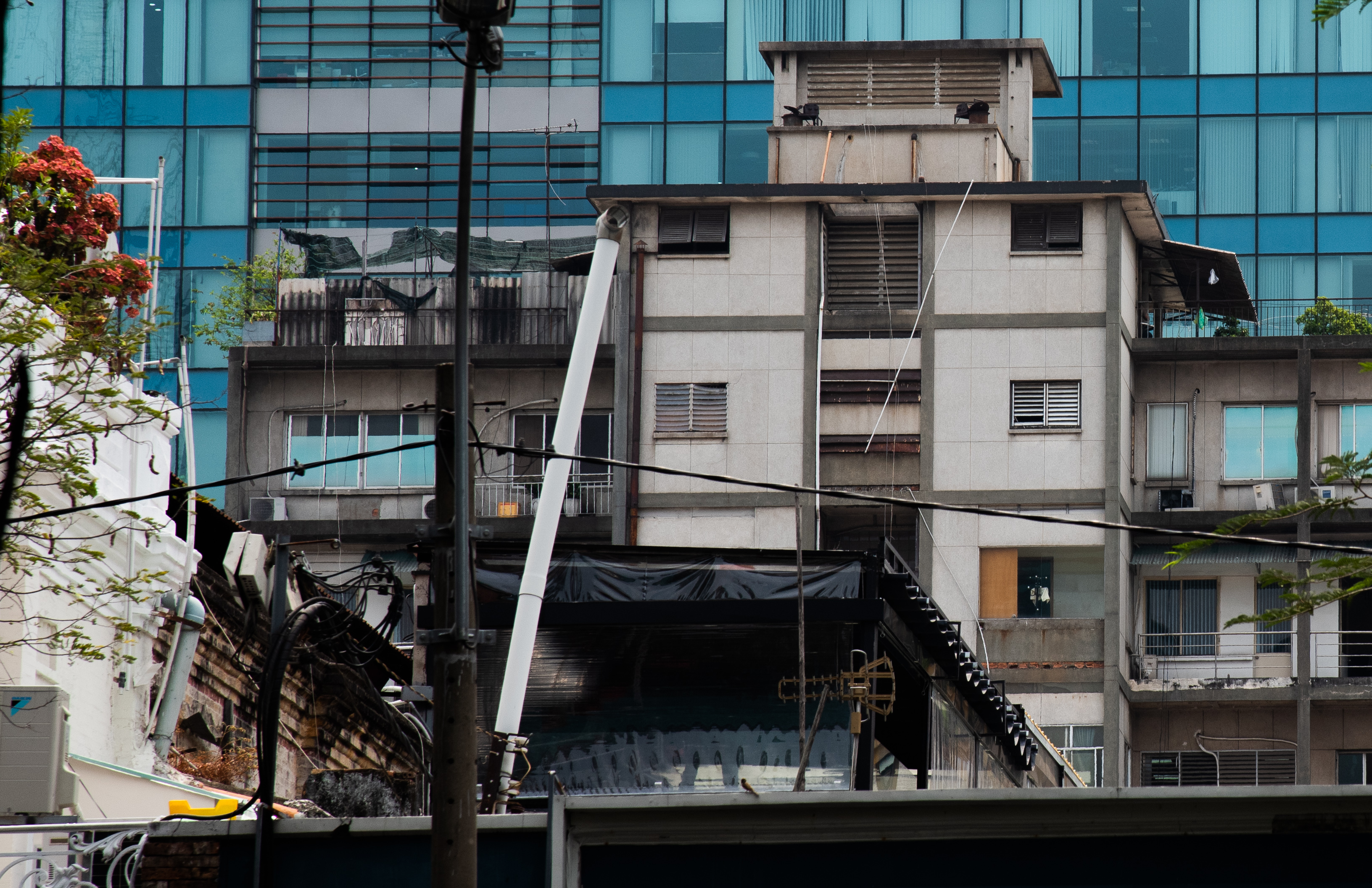
This is the former CIA building (with the small structure on its roof), which in 1975 was the site of the helicopter evacuation of those fleeing from the NVA forces entering the city.
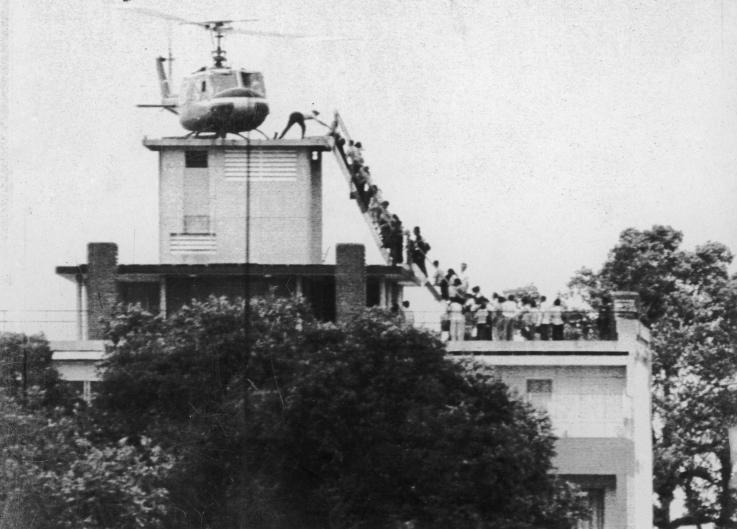
Original photograph.
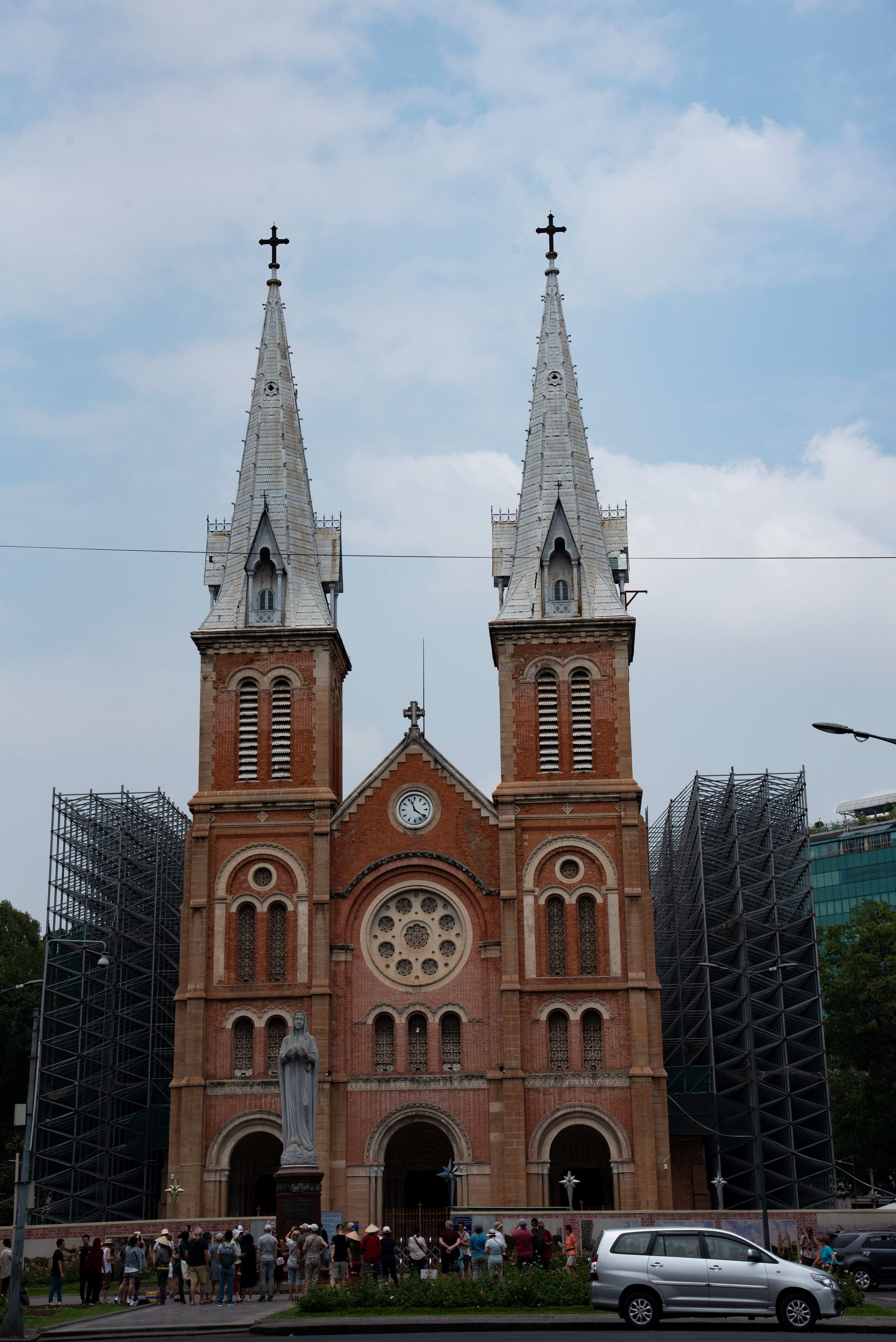
Notre Dame Cathedral with the statue of the Virgin Mary still attracts throngs of worshippers such as on the Sunday we walked by.
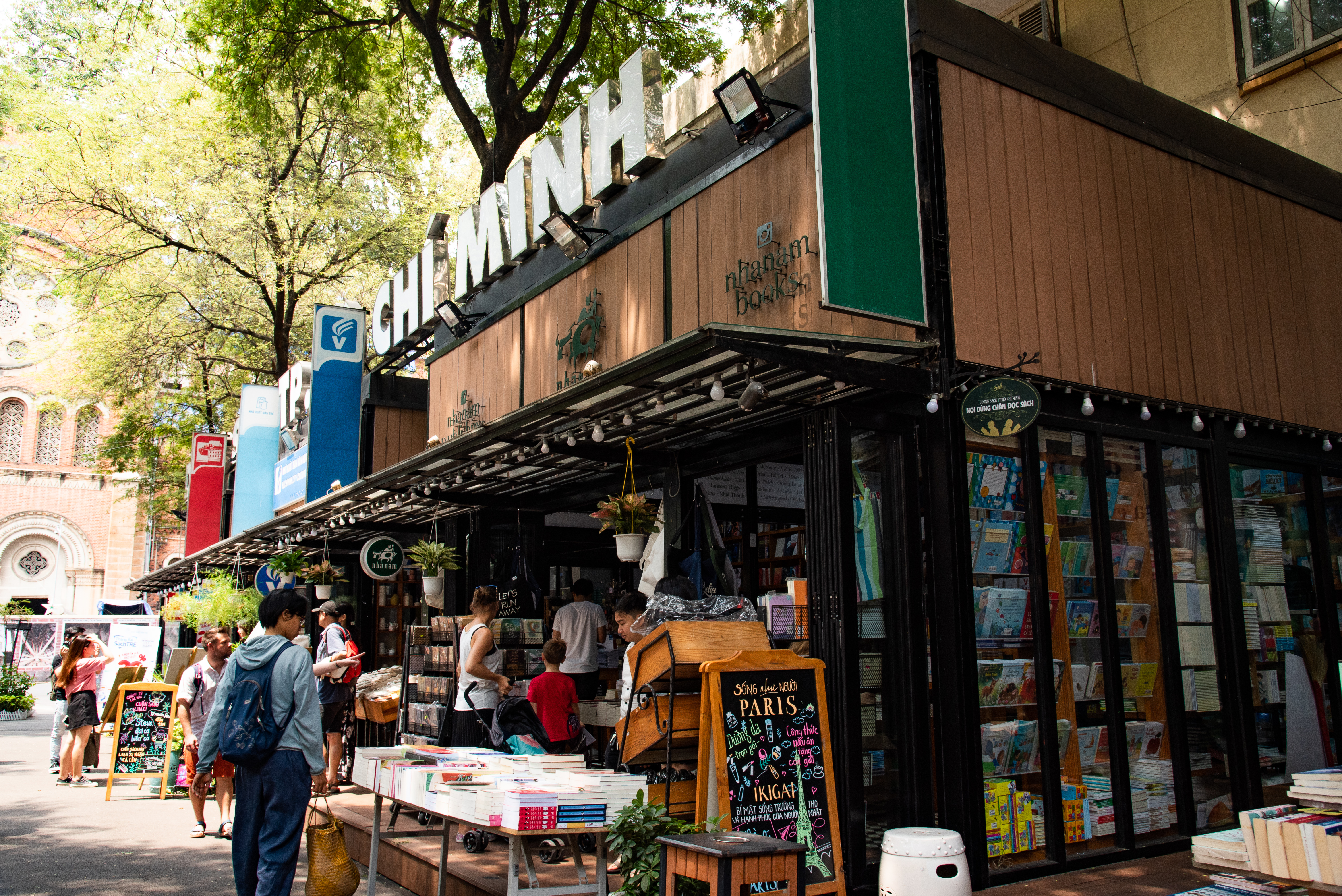
There is a street just devoted to bookstores.
The next morning we left for the Mekong Delta.
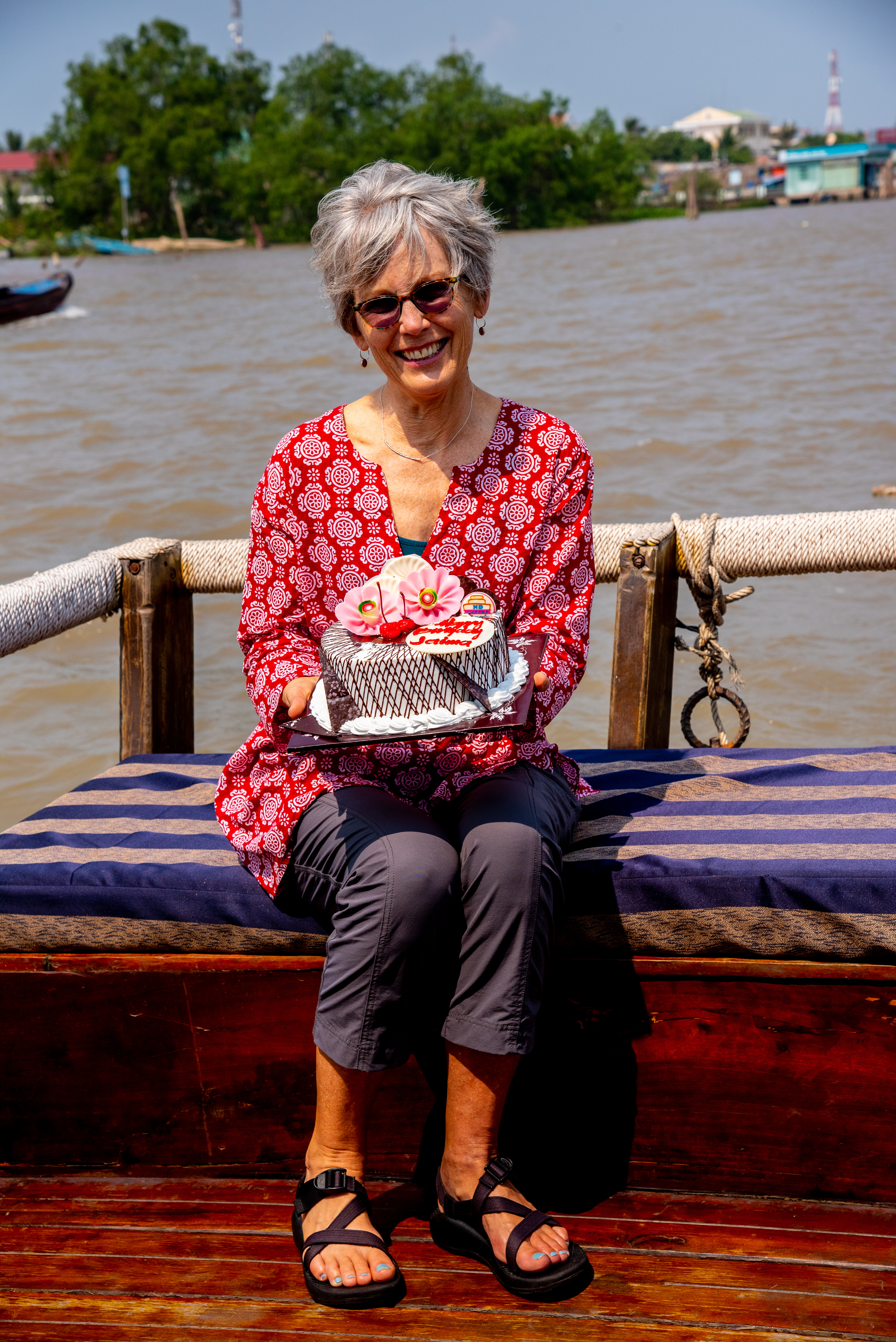
It was Jaima’s birthday and there was a real gastronomique extravaganza of a cake! Saigon bakeries are fabulous.
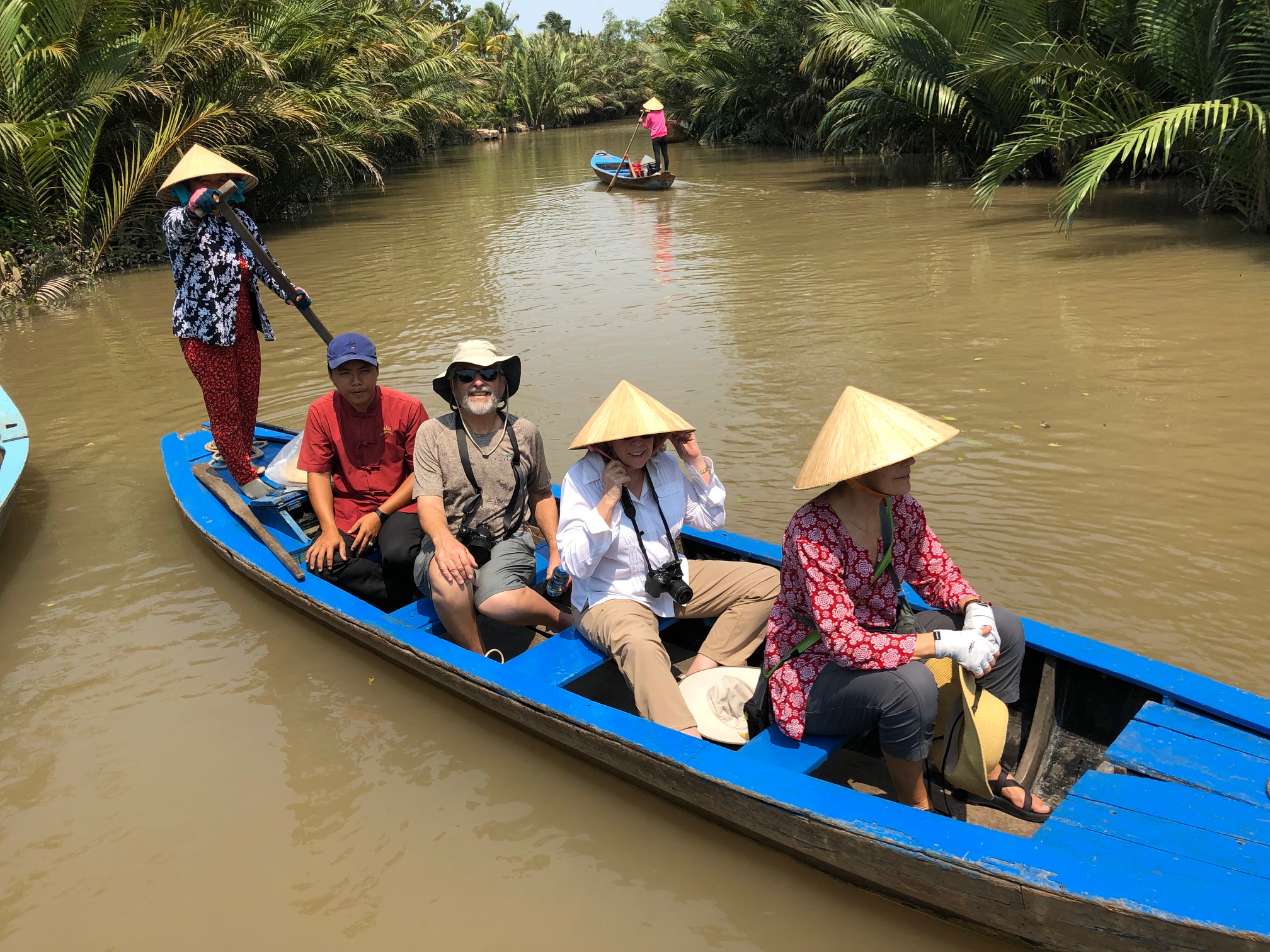
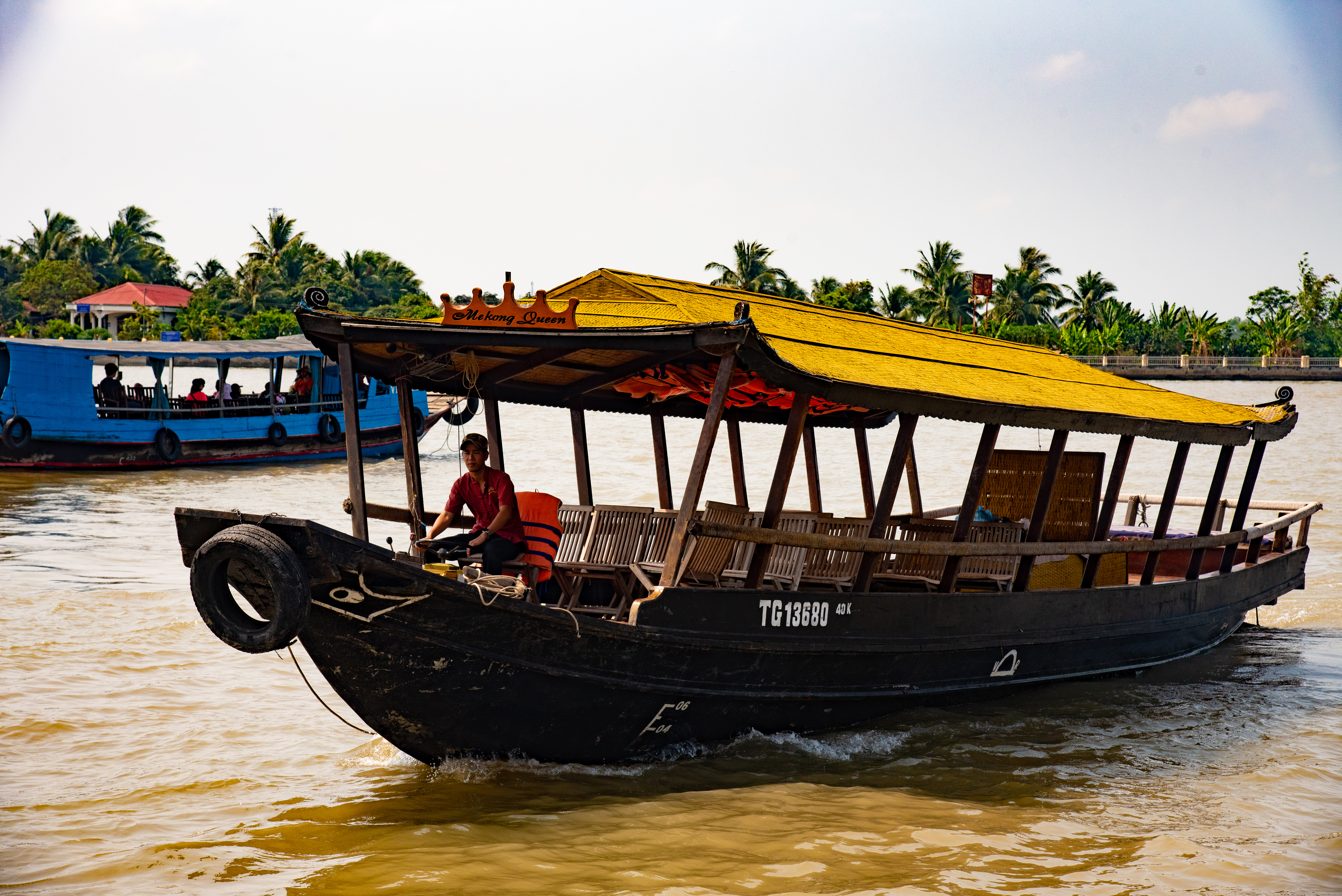
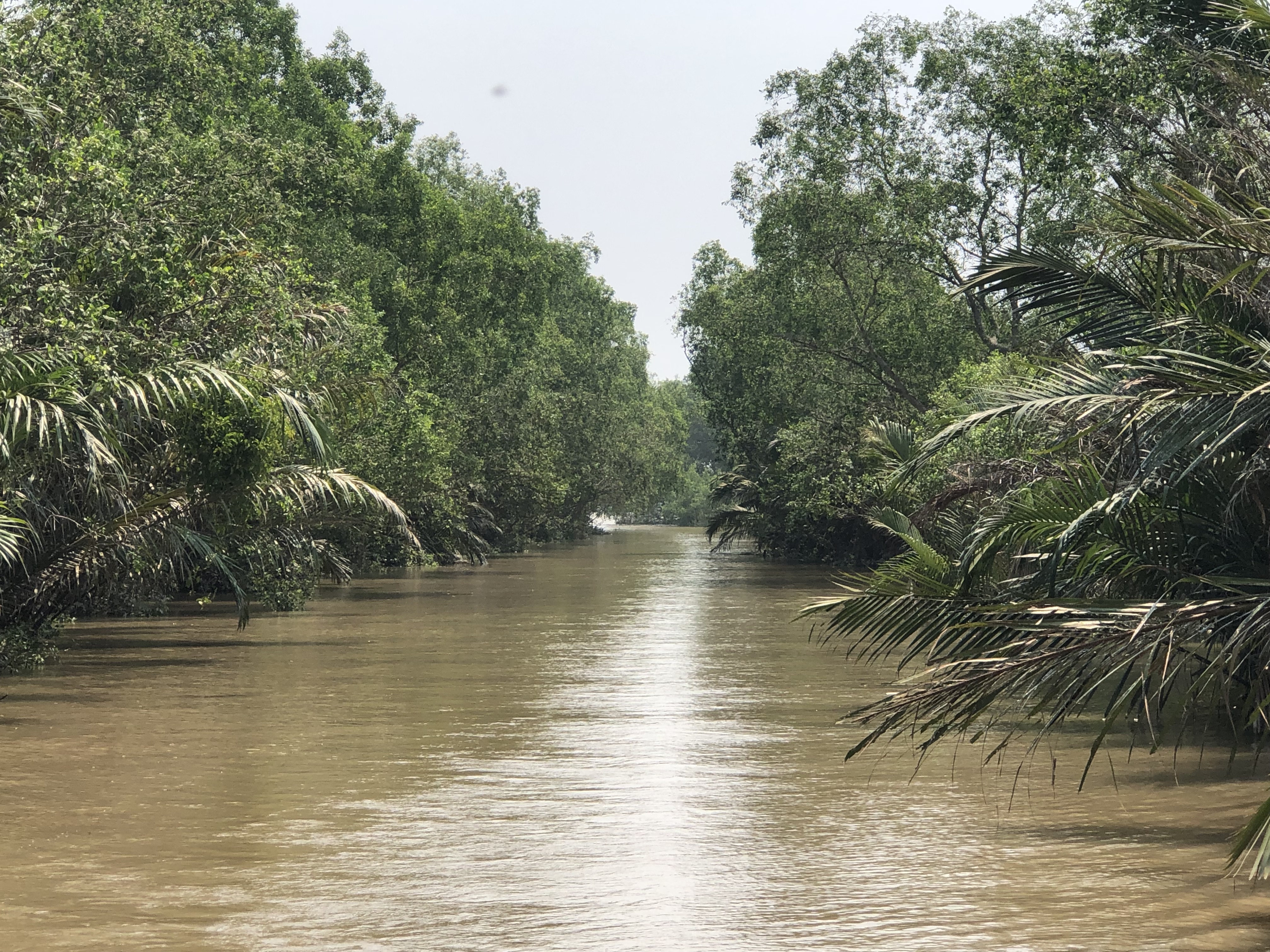
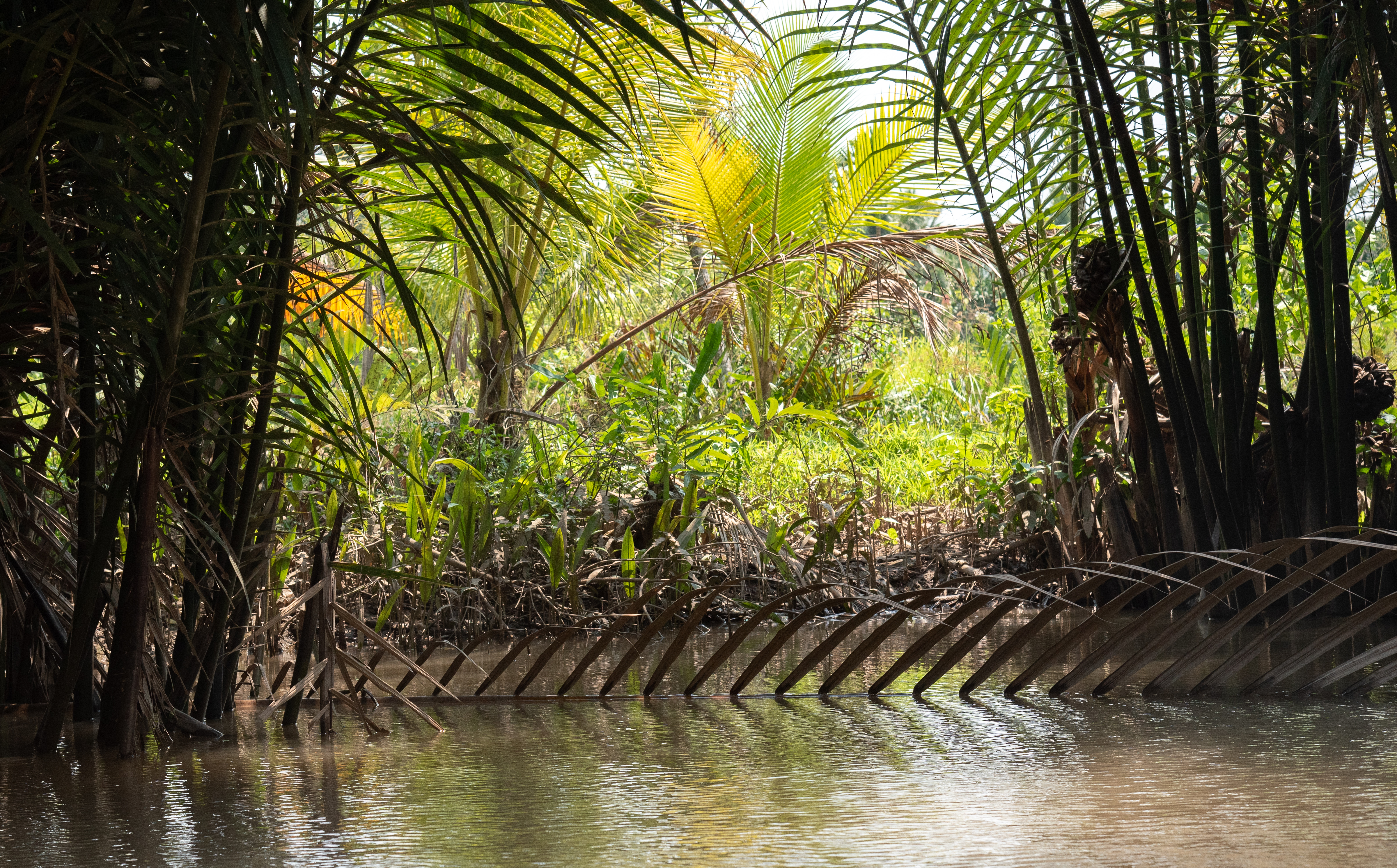
We travelled a bit on the Mekong in a traditional Vietnamese wooden boat.
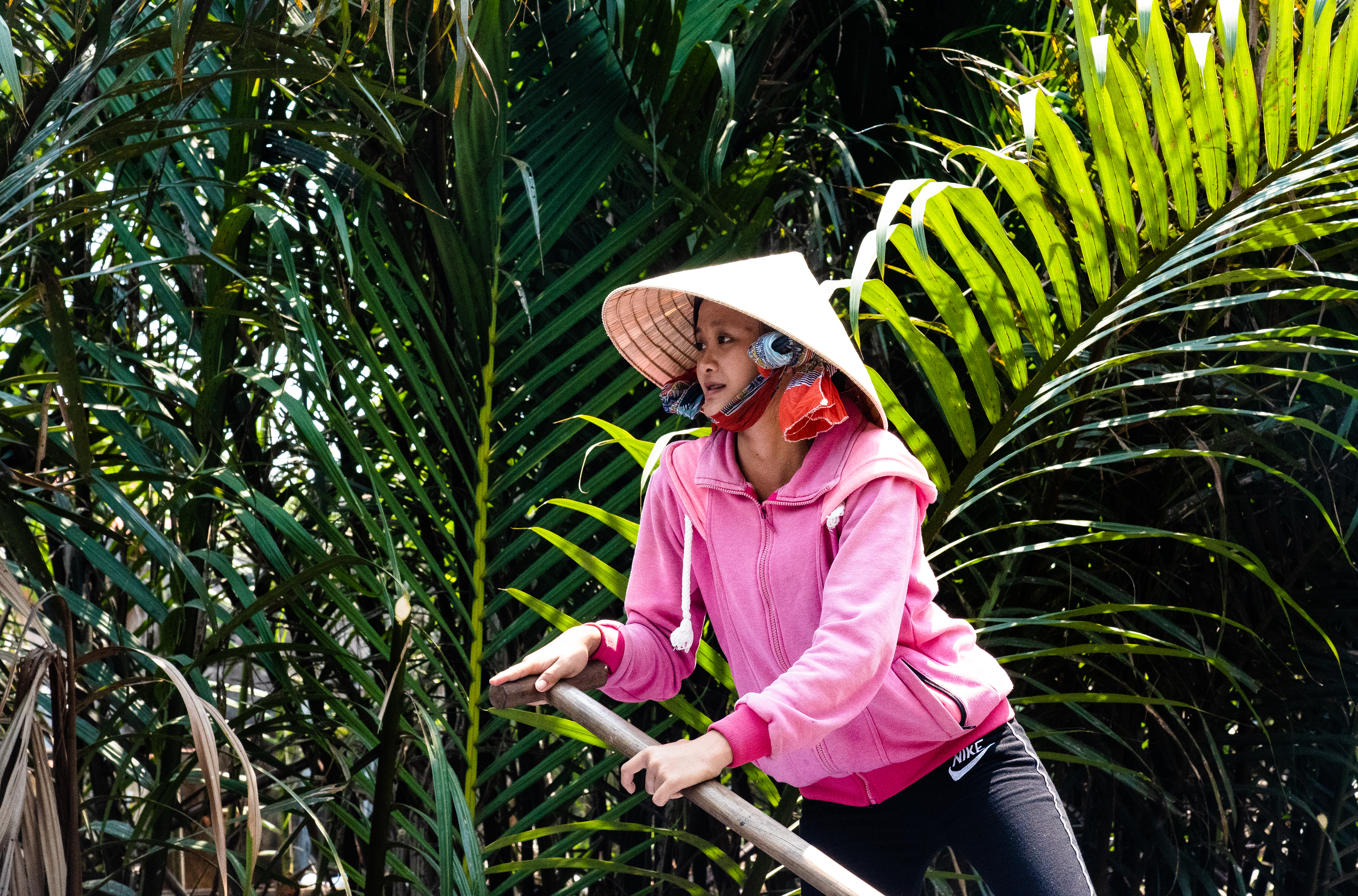
The boats were manned by women. We were all given a non la to protect us from the sun.

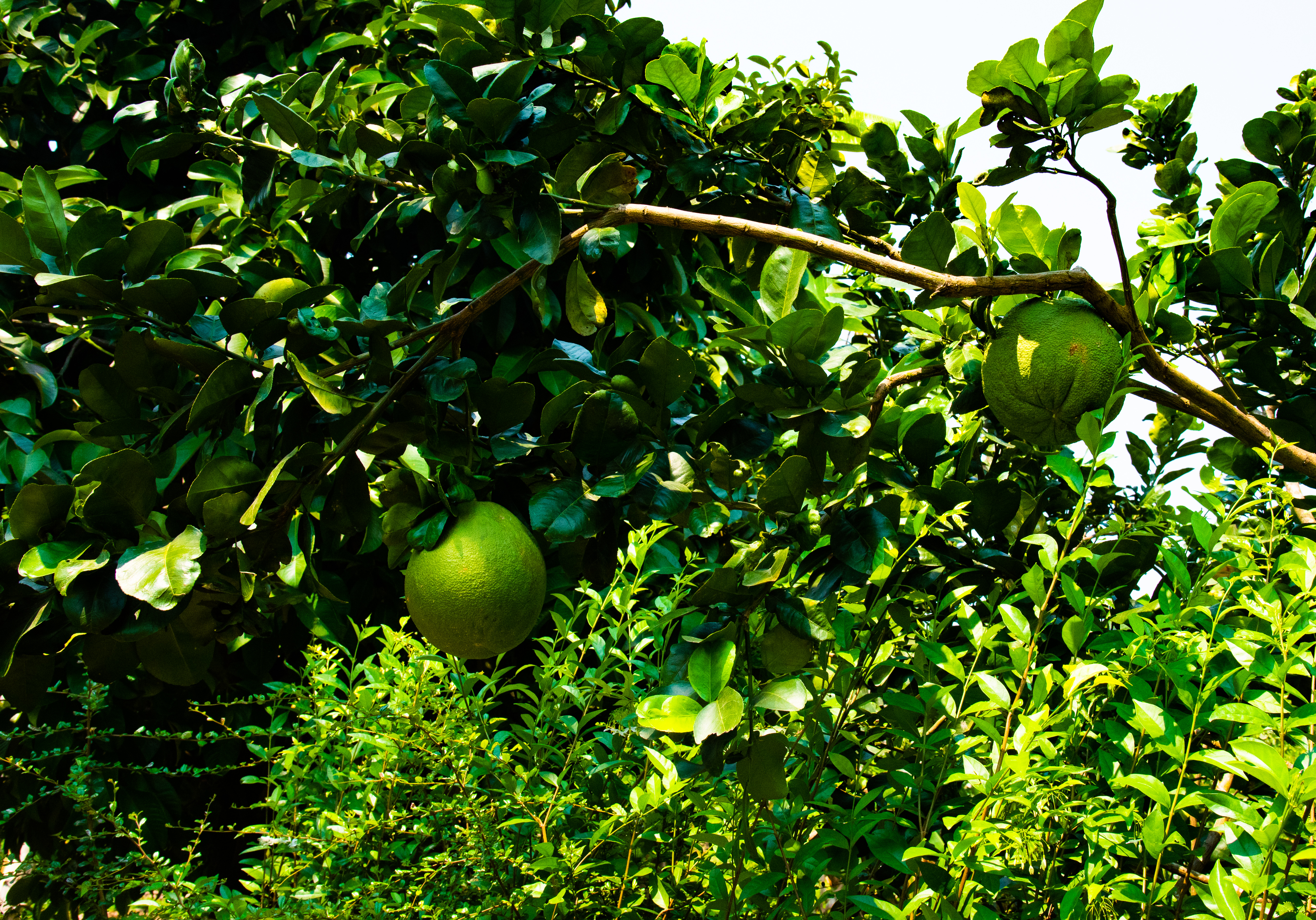
The Mekong Delta pomelo has an international following. There are “pomelo aficionados” all over the world willing to spend a lot of money for these giant fruits.
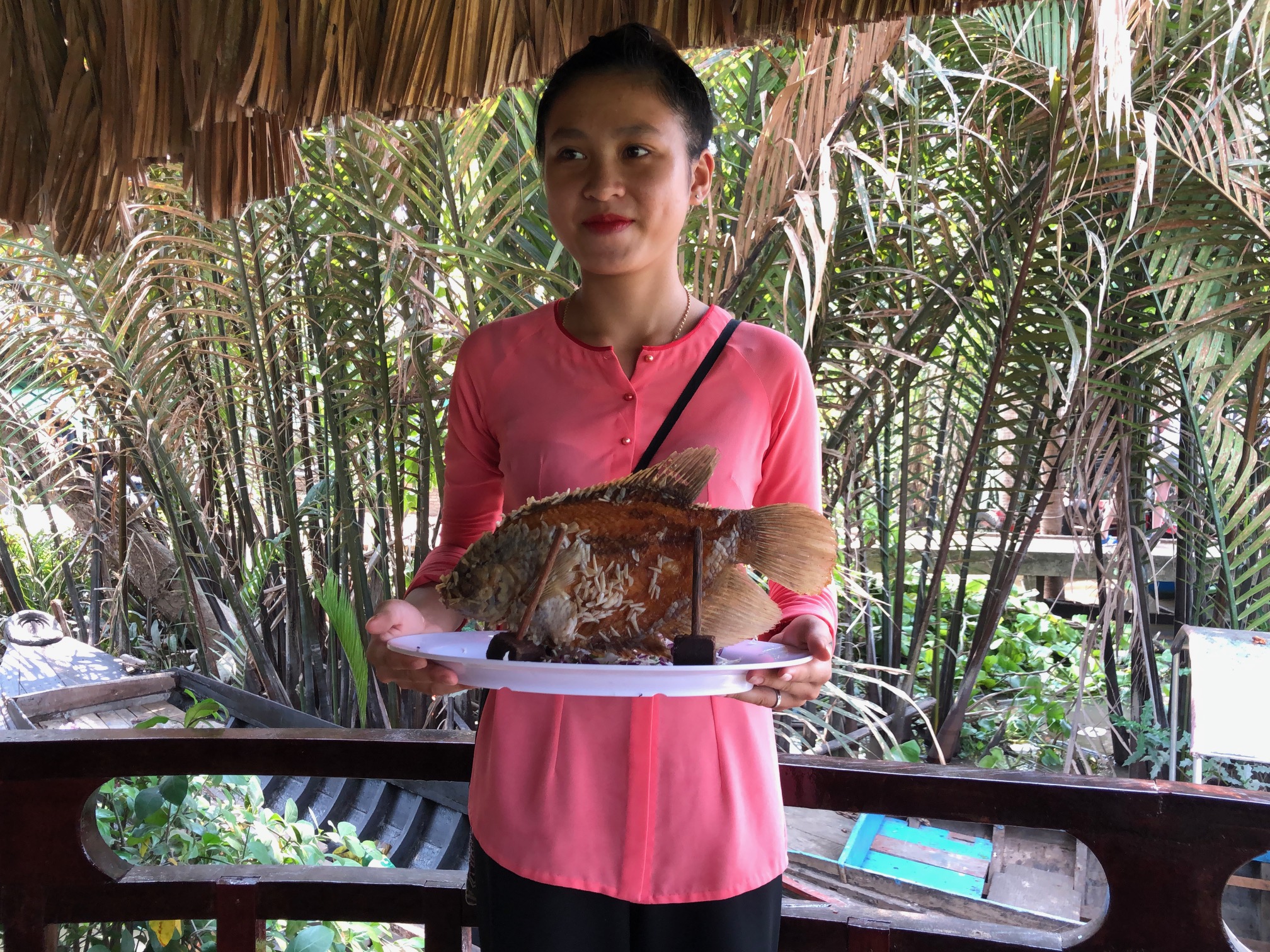
Lunch was fried elephant ear fish.
We had coconut candies at this family run factory. To make the candies you start by hacking a coconut, draining the milk, and shredding the flesh. Grandma handles that end.
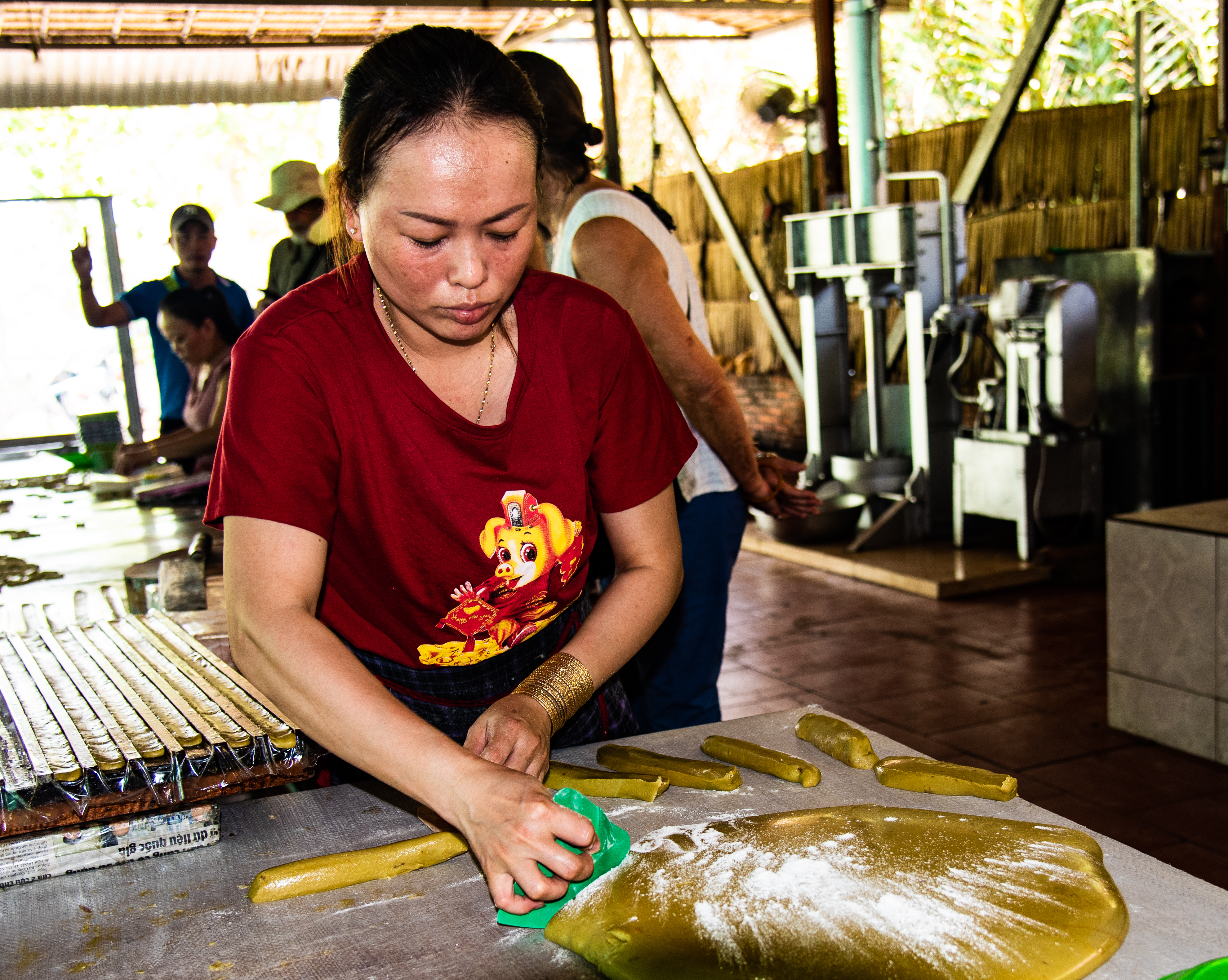
Preparing the candy to be cut into squares.
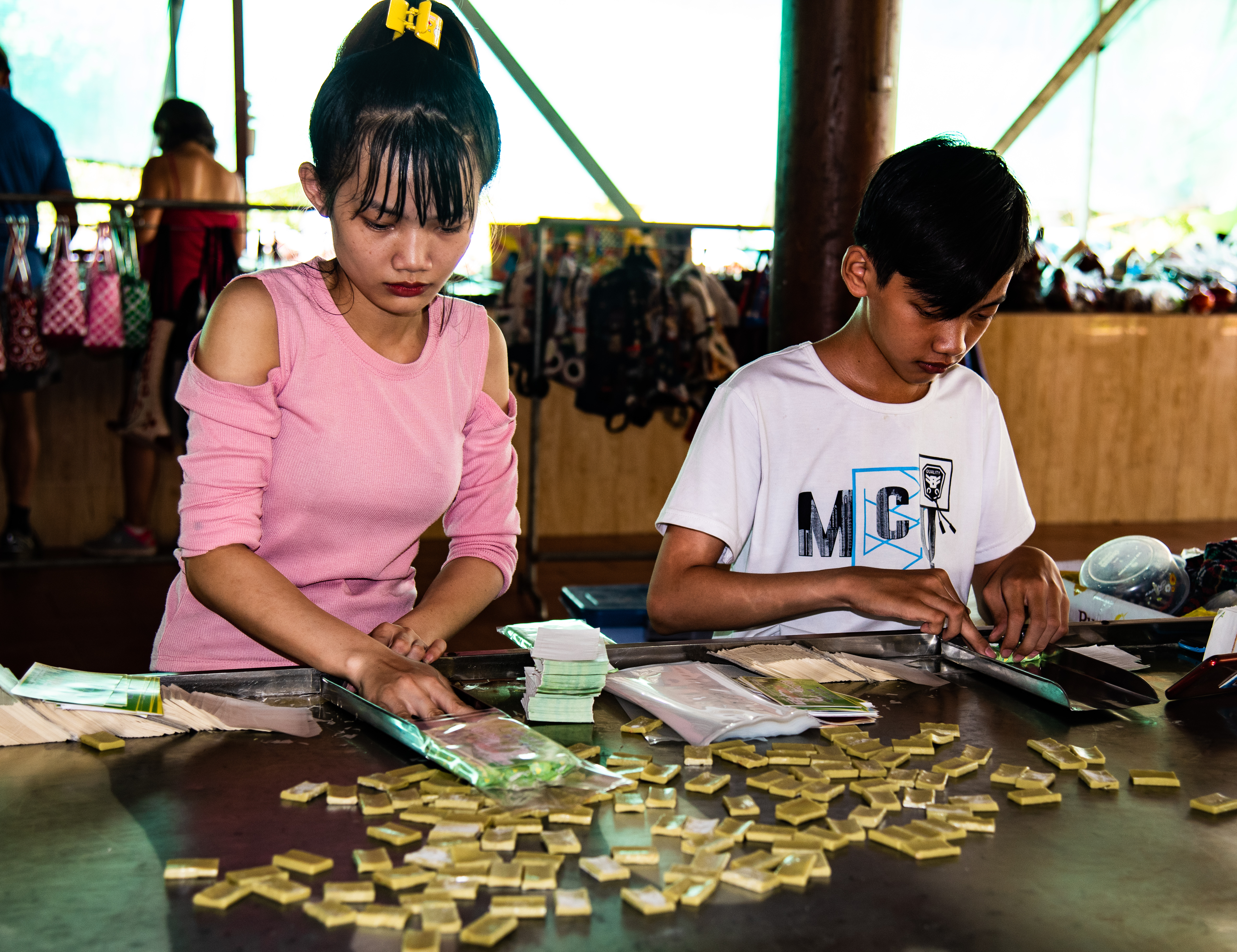
The youngsters do the packaging.
The next day we went to the Cu Chi tunnels which demonstrates how the Viet Cong were able to persevere in the Saigon area.

Map of almost 150 square miles of underground tunnels. This area was mostly jungle that was completely defoliated by Agent Orange and then pounded by over 200,000 tons of bombs during the course of the war. Yet, some of the intricate three layer system of tunnels remained intact but two-thirds of the 16,000 Viet Cong cadre who served there were killed. Almost all the the Viet Cong and American GI’s who fought in this area were exposed to Agent Orange.
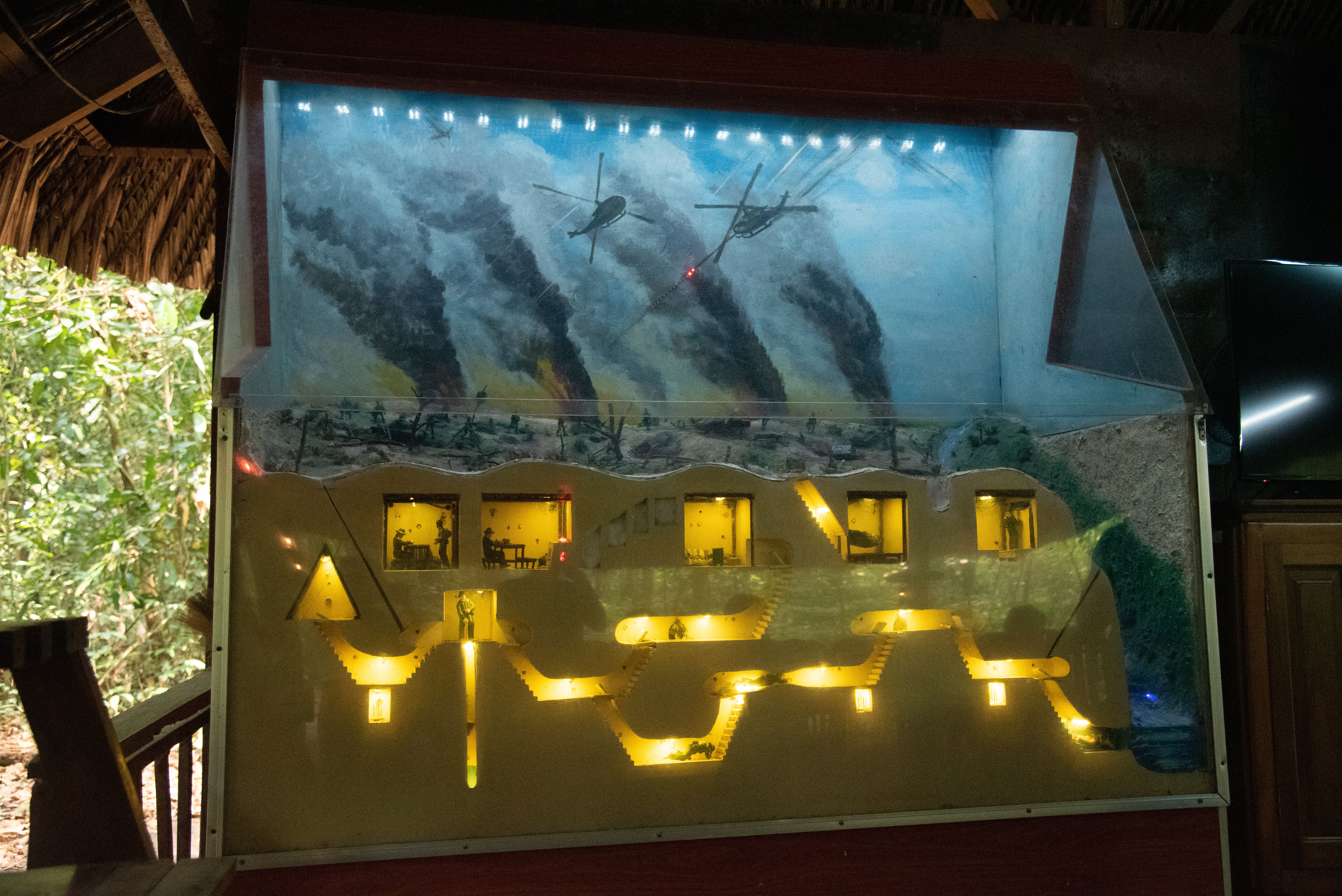
Exhibit of the tunnel system. The construction of the tunnels first began in the 1940’s during the French War. They grew organically and were renovated and expanded in the 1960’s during the American War. Gradually, a vast tunnel network was created. Most of the tunnels were built with hand tools.

This part of a tunnel was enlarged for tourists. Most tunnels could only accommodate small people.
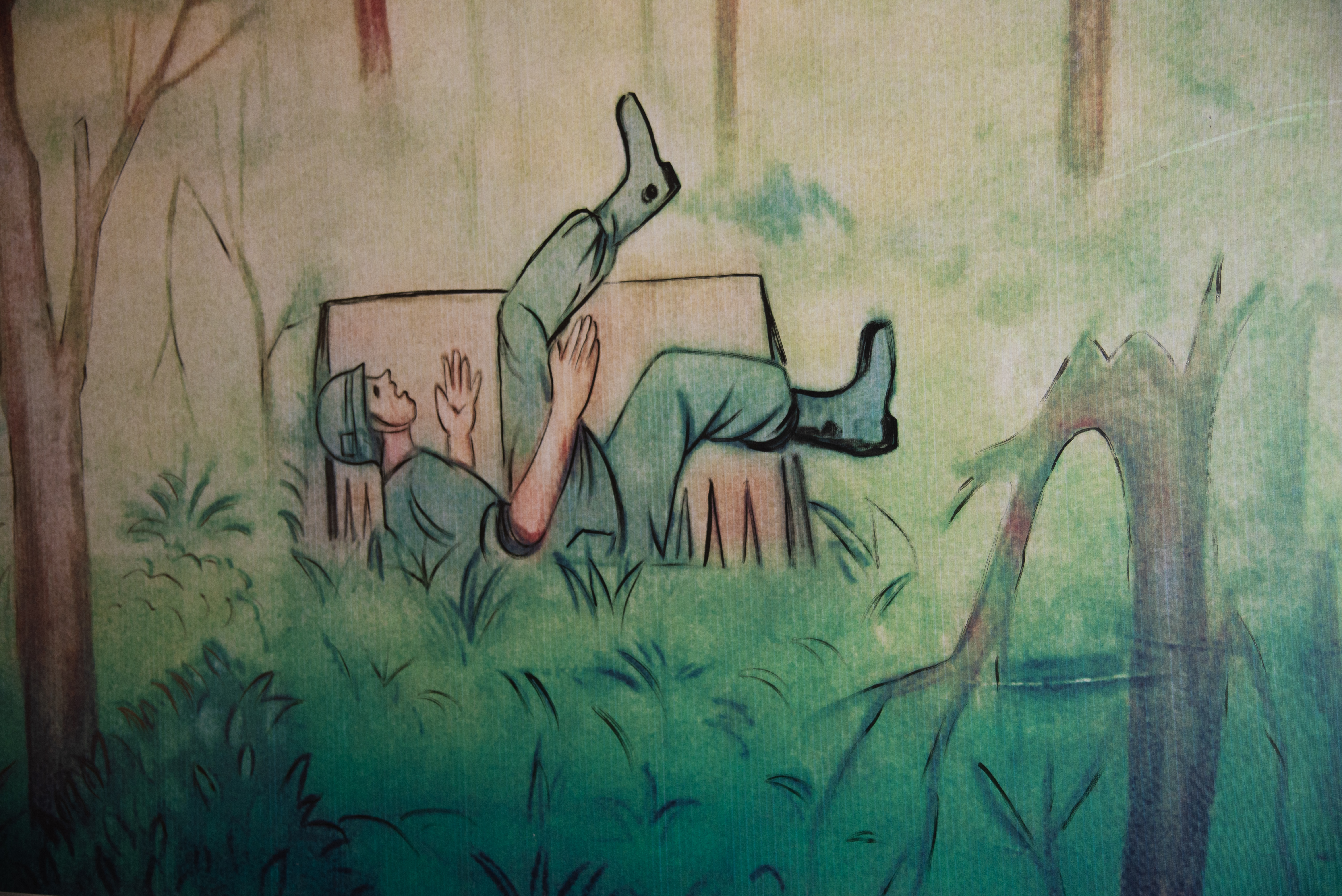
The jungle floor was loaded with various types of booby traps.
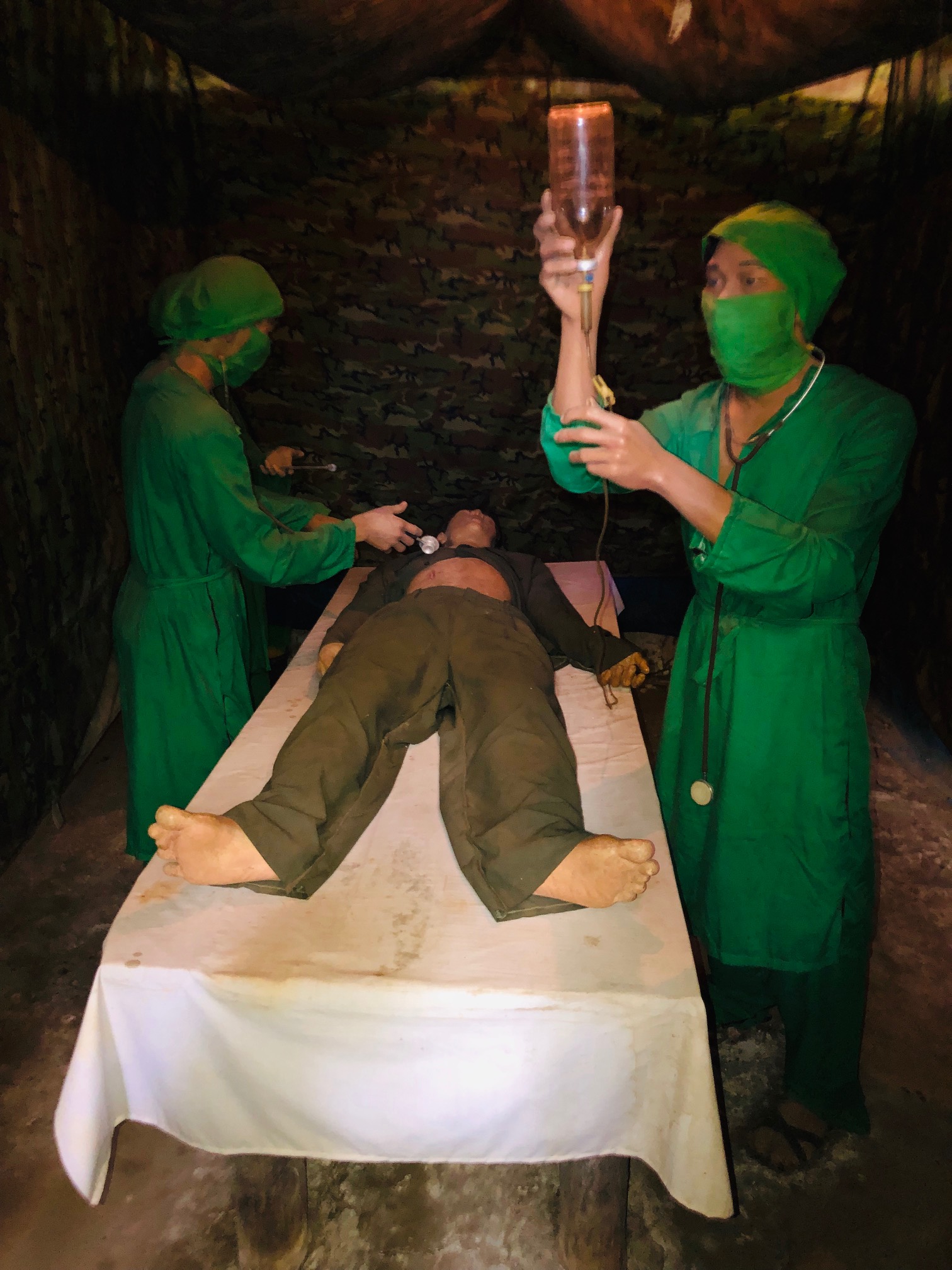
The tunnels served as makeshift hospitals for the VC wounded.
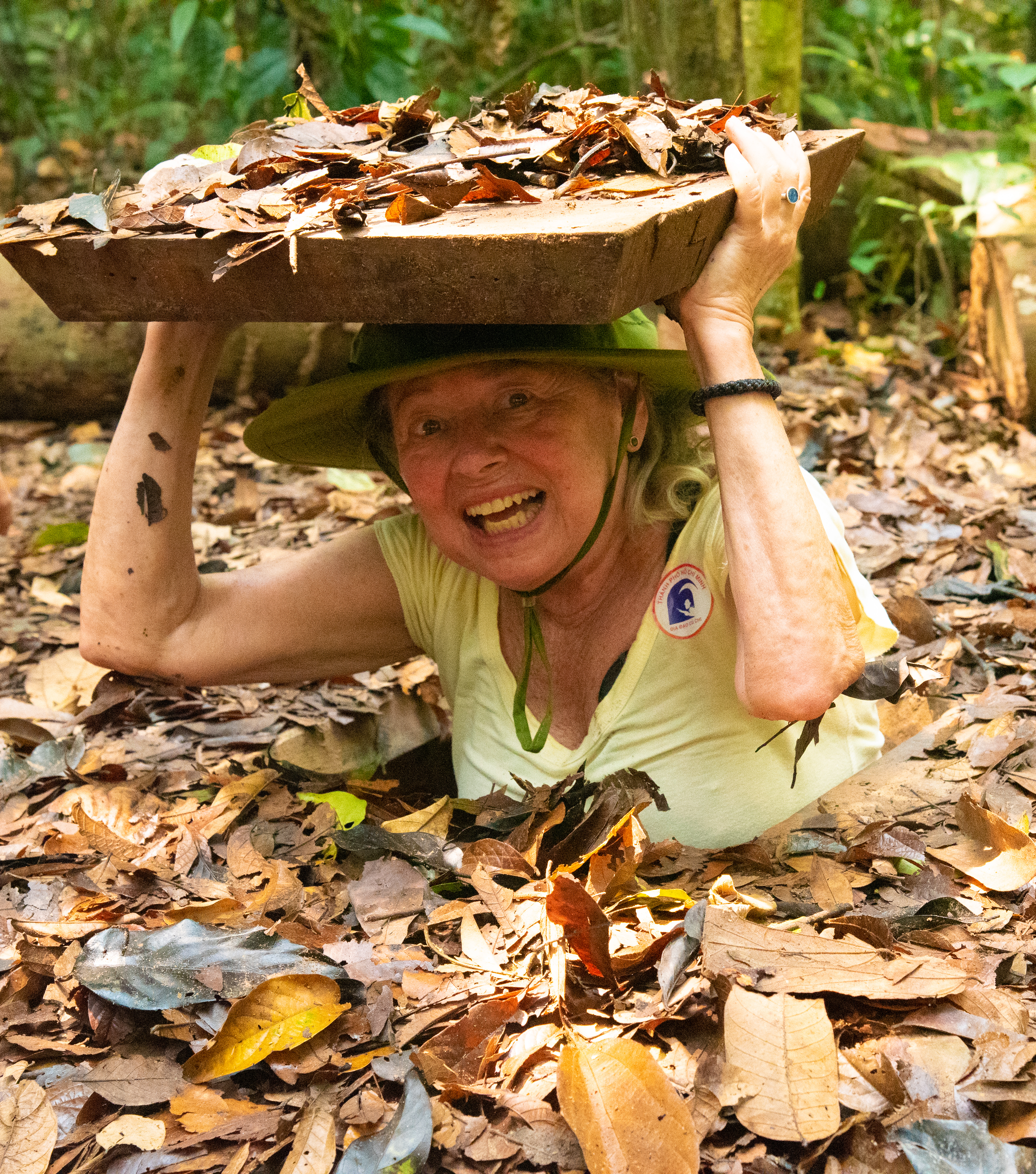
Tunnel entrances were covered by jungle debris.
Brushing ourselves off, we then went to lunch with two VC veterans from Cu Chi.
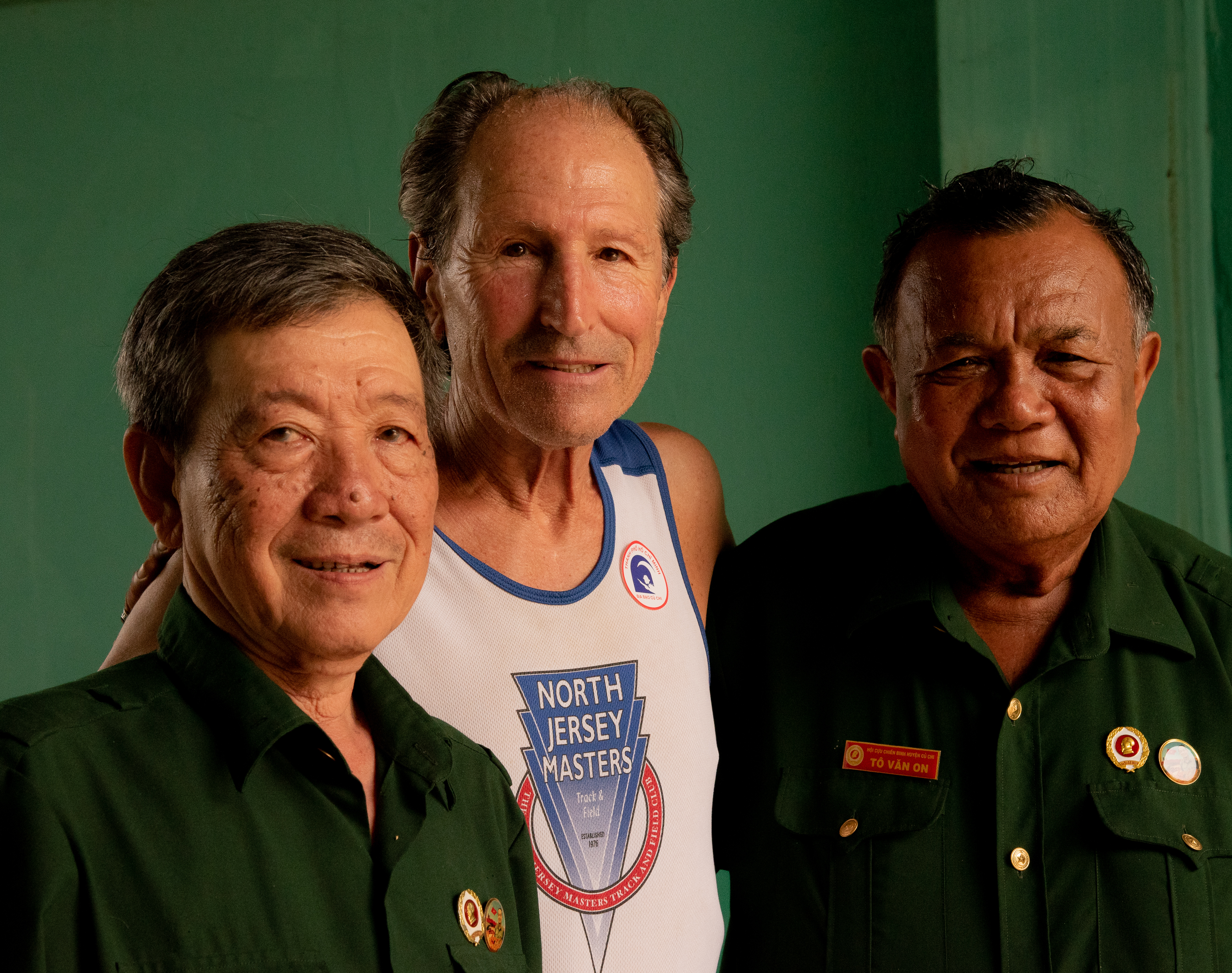
Mitch, wearing his North Jersey Masters running singlet, easily connected with these two old veterans who receive government pensions. Both have illnesses related to their exposure to Agent Orange.
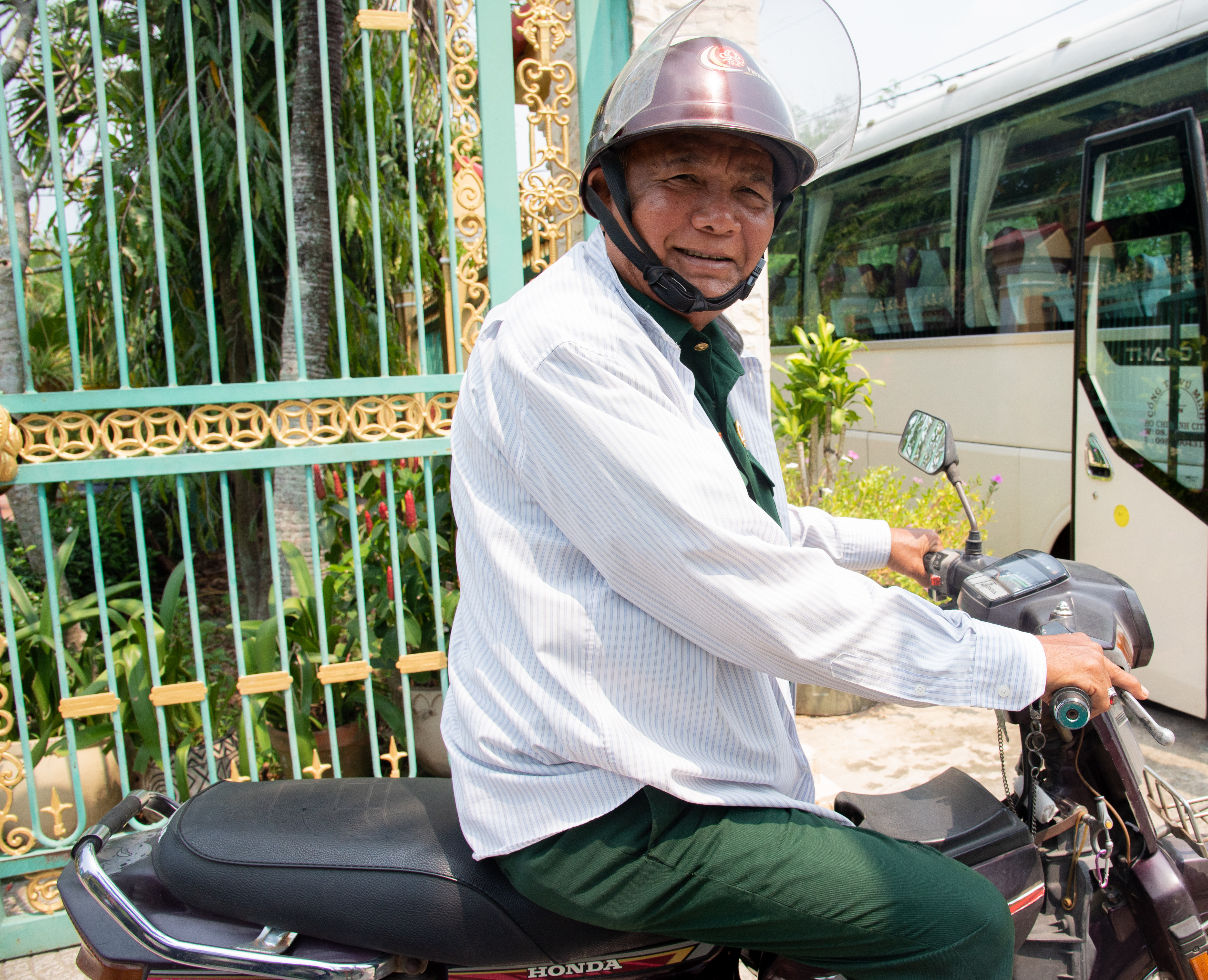
We said our good byes.
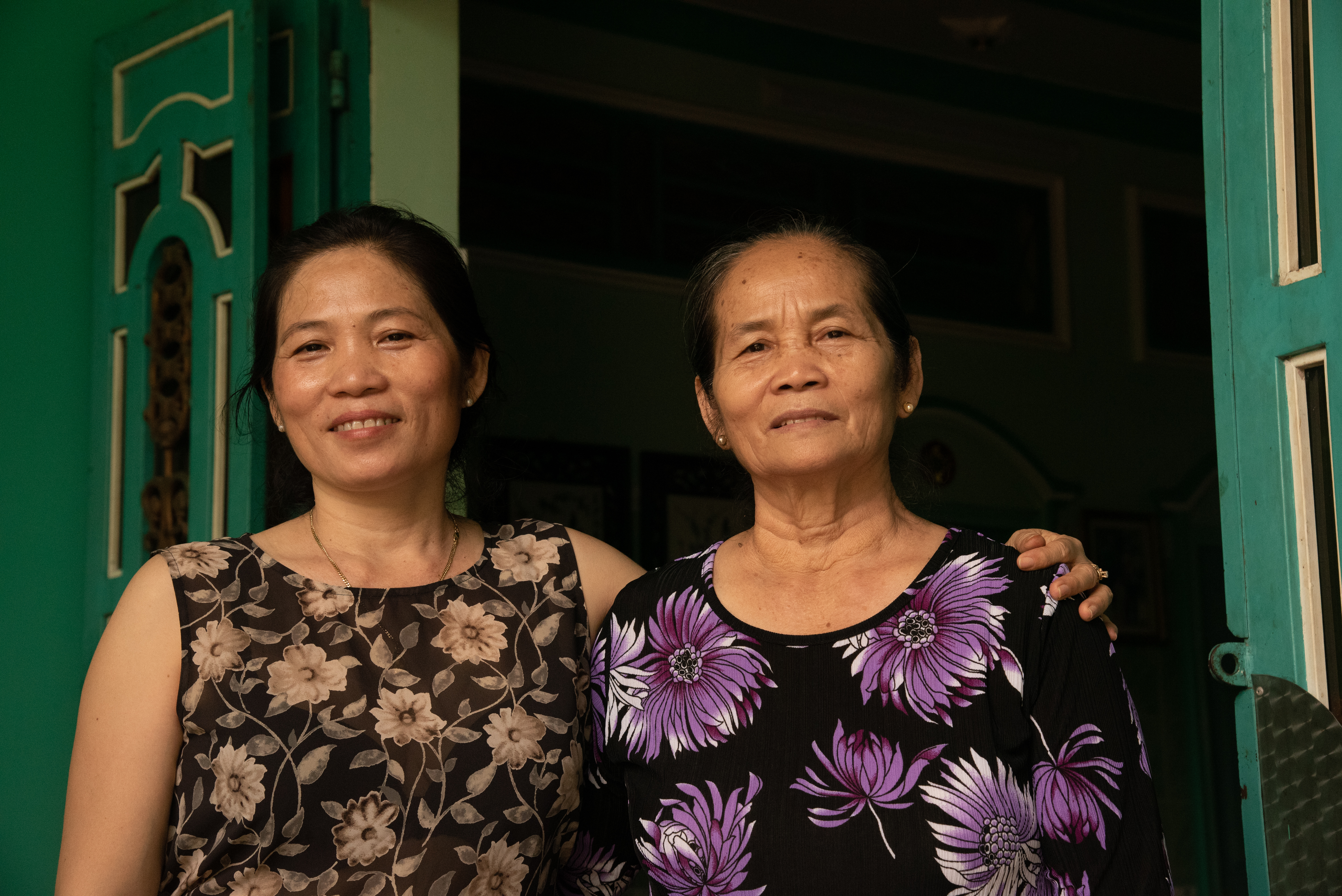
These two ladies prepared an elegant lunch. Their lovely home is located on a rubber plantation in Cu Chi, where the rubber tree is creating new wealth.

This marks the end of our trip. All we had to do was locate our laundry. The day before, Mitch had dropped off the laundry at a little stall he had stumbled upon. But he coiuldn’t remember exactly where it was. We, mostly Mitch, spent many hours walking the Saigon streets and alleys looking for the little stall where the woman had taken our laundry. No luck. The next morning we took off, minus much of our clothing. That’s OK because we were now able to fit our new purchases into the bags.
 westwardhowithapollo
Great trip. Loved sharing it with you.
Sandy
Sent from my iPhone
Thanks so much! Tried to post comment but don’t have any of those methods.
Where are we going next?
Bonnie
>
Not sure. Japan is being considered.
Thanks for all the great pix and narrative. I hope you wear your gifts well and don’t lose those also.Ijk
Sent from Yahoo Mail for iPad