
Nakasendo Way

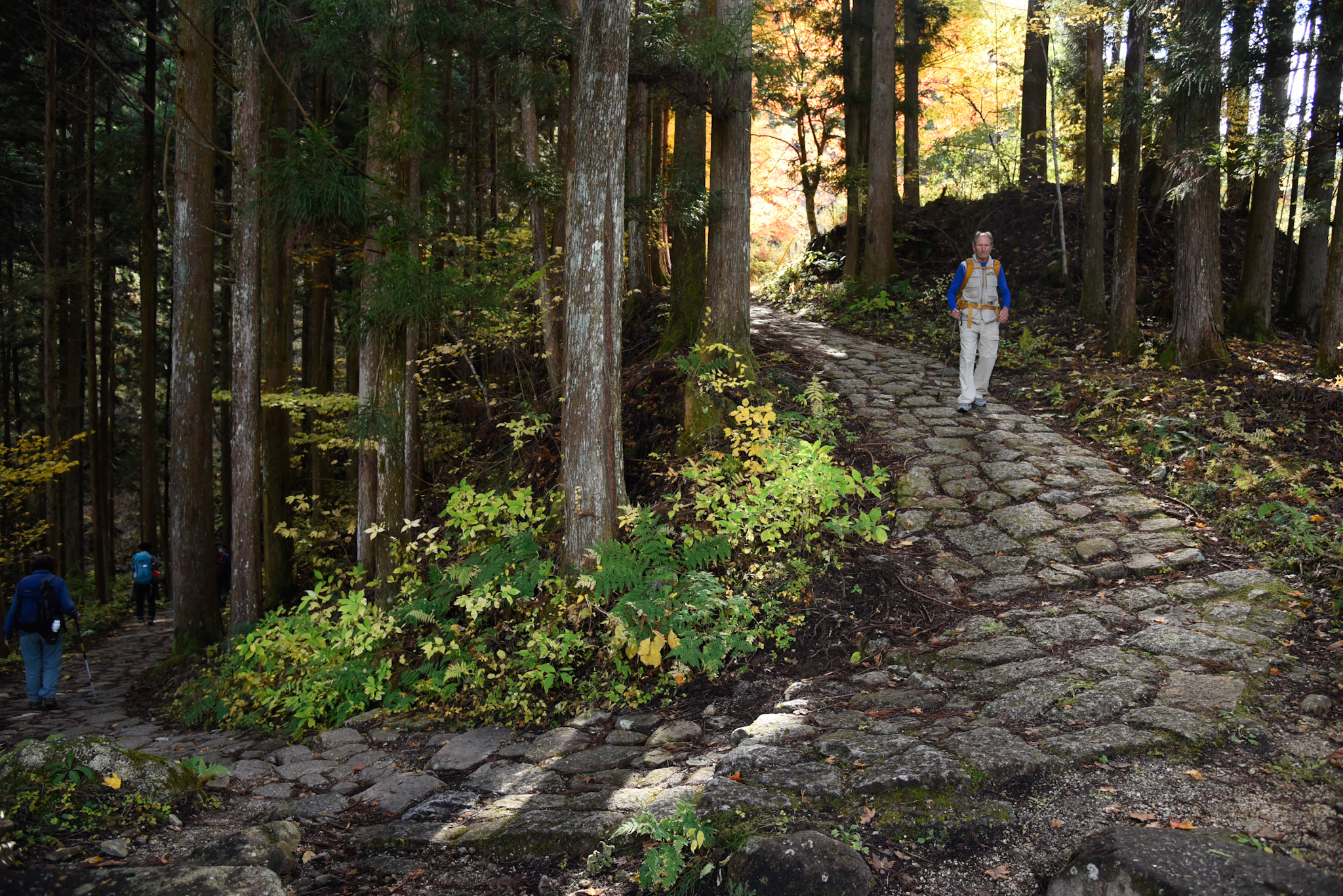
During the Edo period (1600 to 1868), the Nakasendo Trail connected Tokyo and Kyoto. It was used mainly by shogun officials, samurai, and merchant travelers taking them several days to make the trip. They walked these same traditional ishidatami paving stones and stayed over in the post towns, 69 in all. A few of these towns have been lovingly restored and retain the character of the Edo-period.
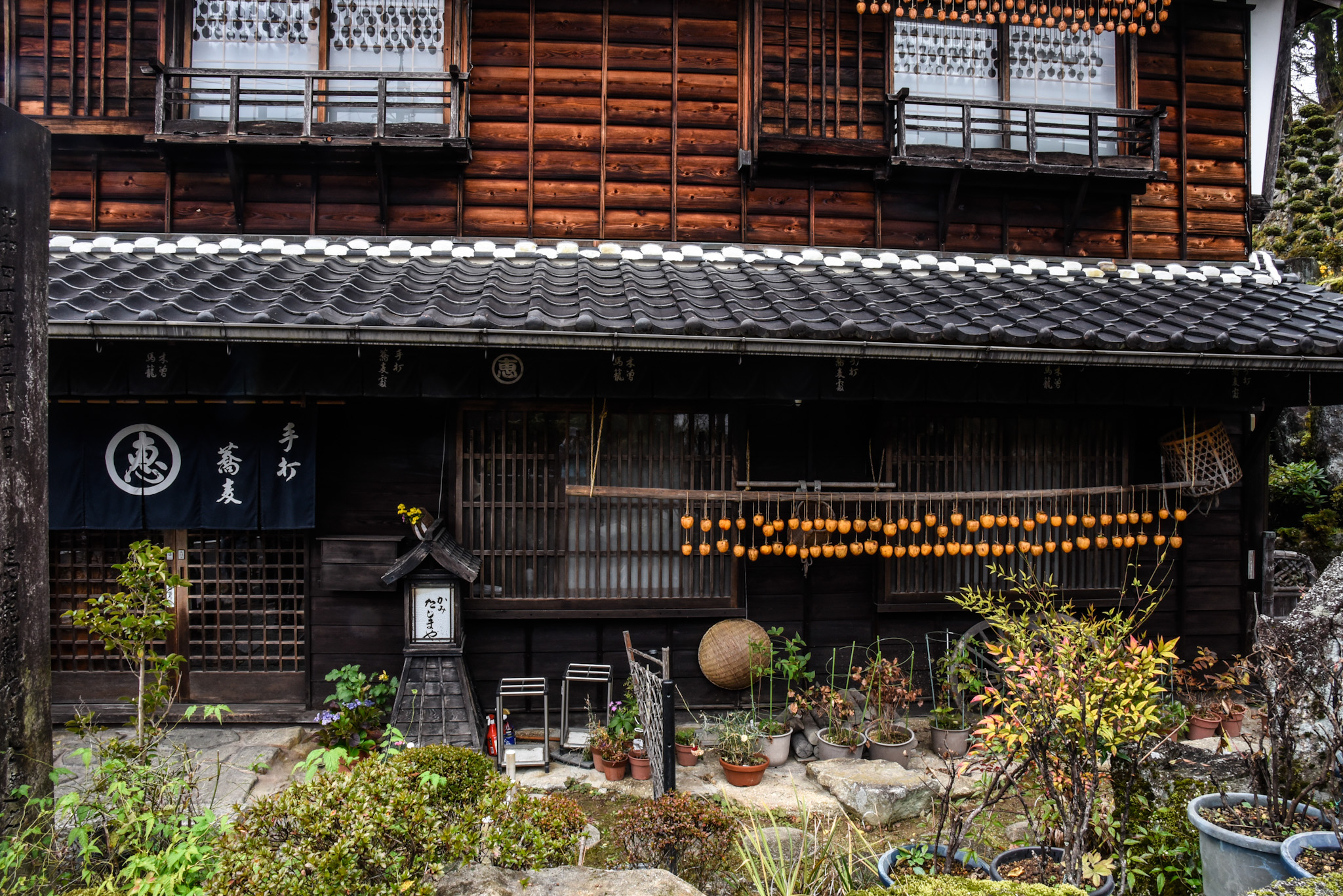
When we arrived in the post town of Magome it seemed everyone was drying persimmons.
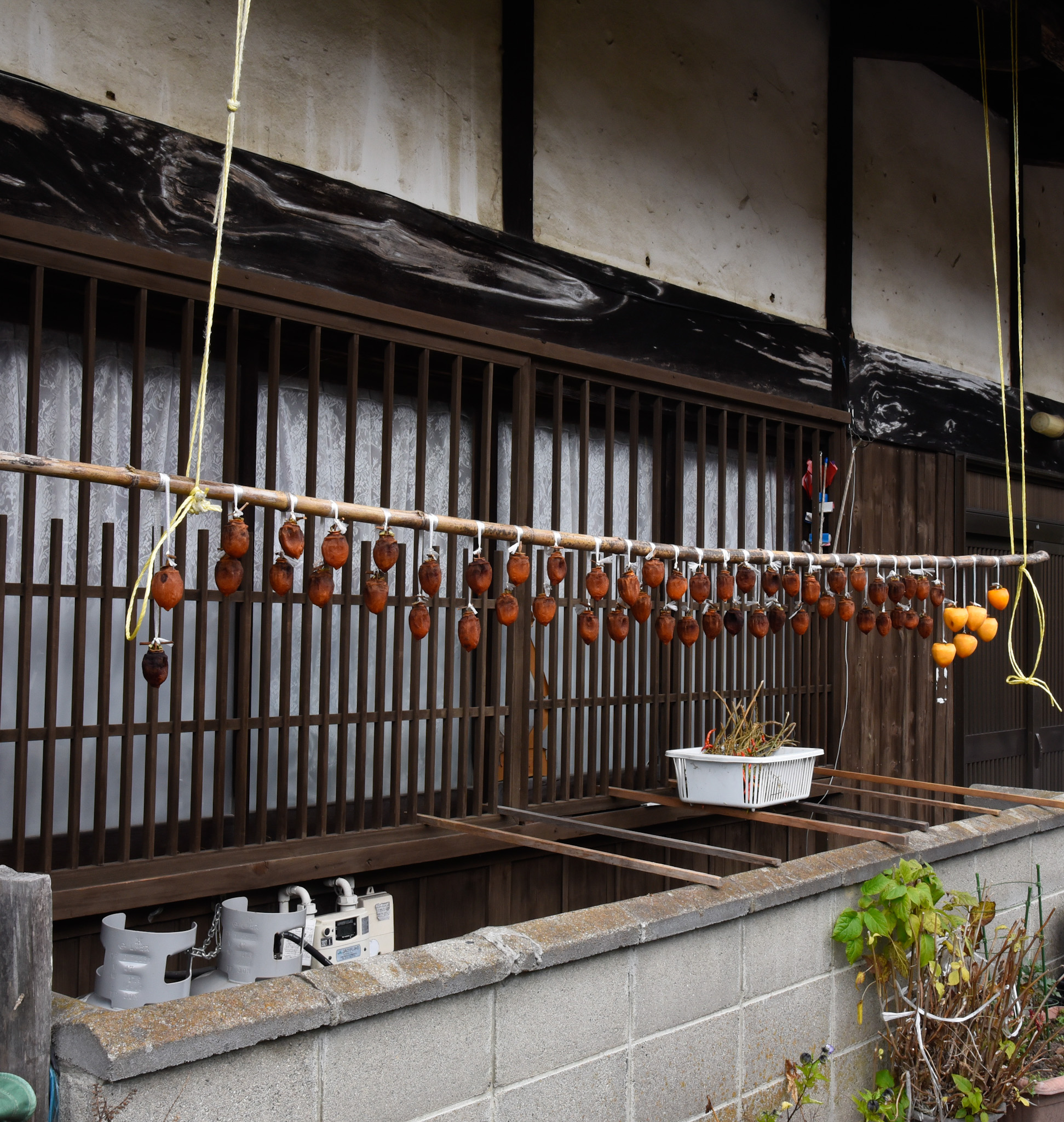
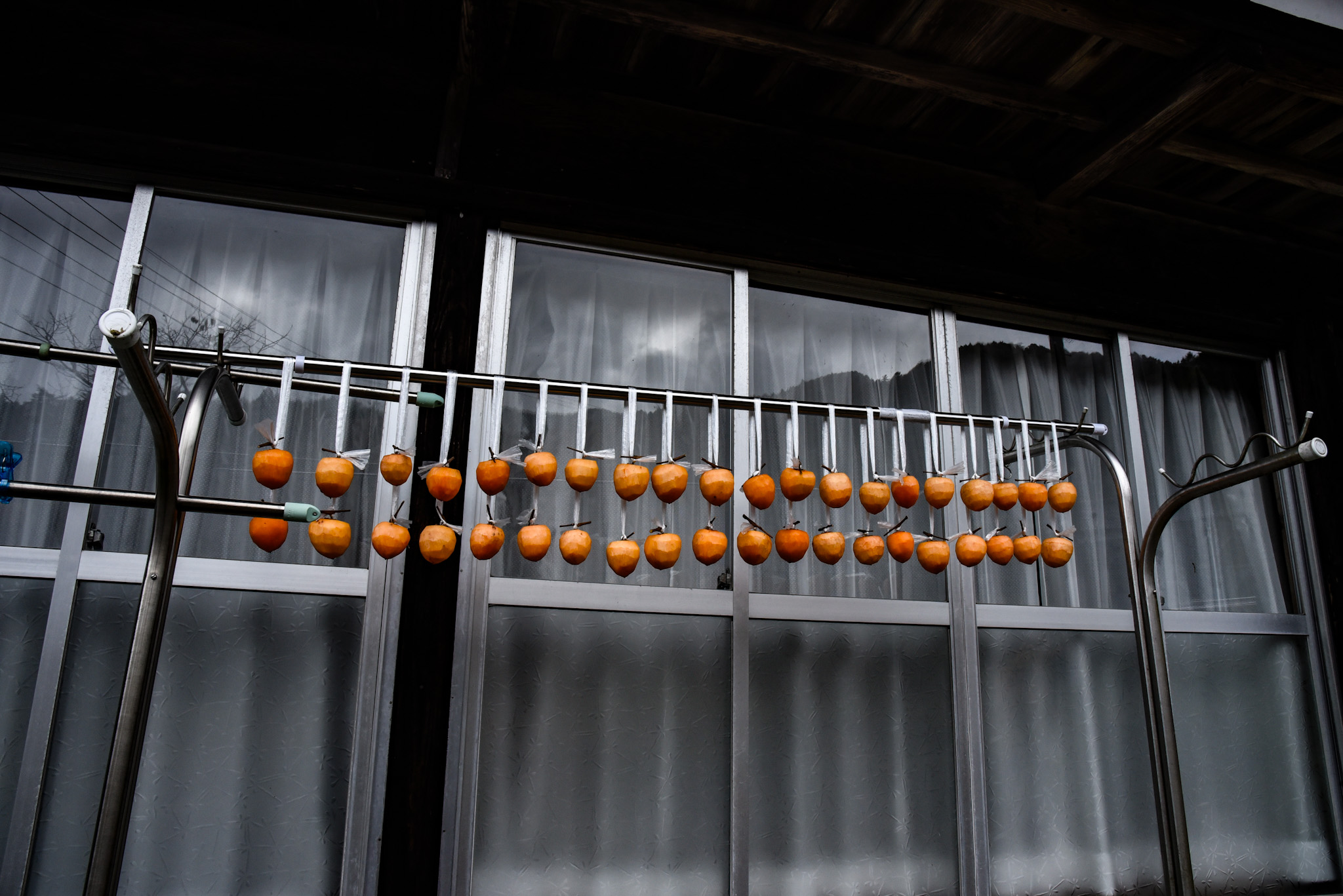
According to WebMD Japanese persimmon contains chemicals that might lower blood pressure and eating fiber from unripe Japanese persimmon fruit may lower lipid levels in the blood.
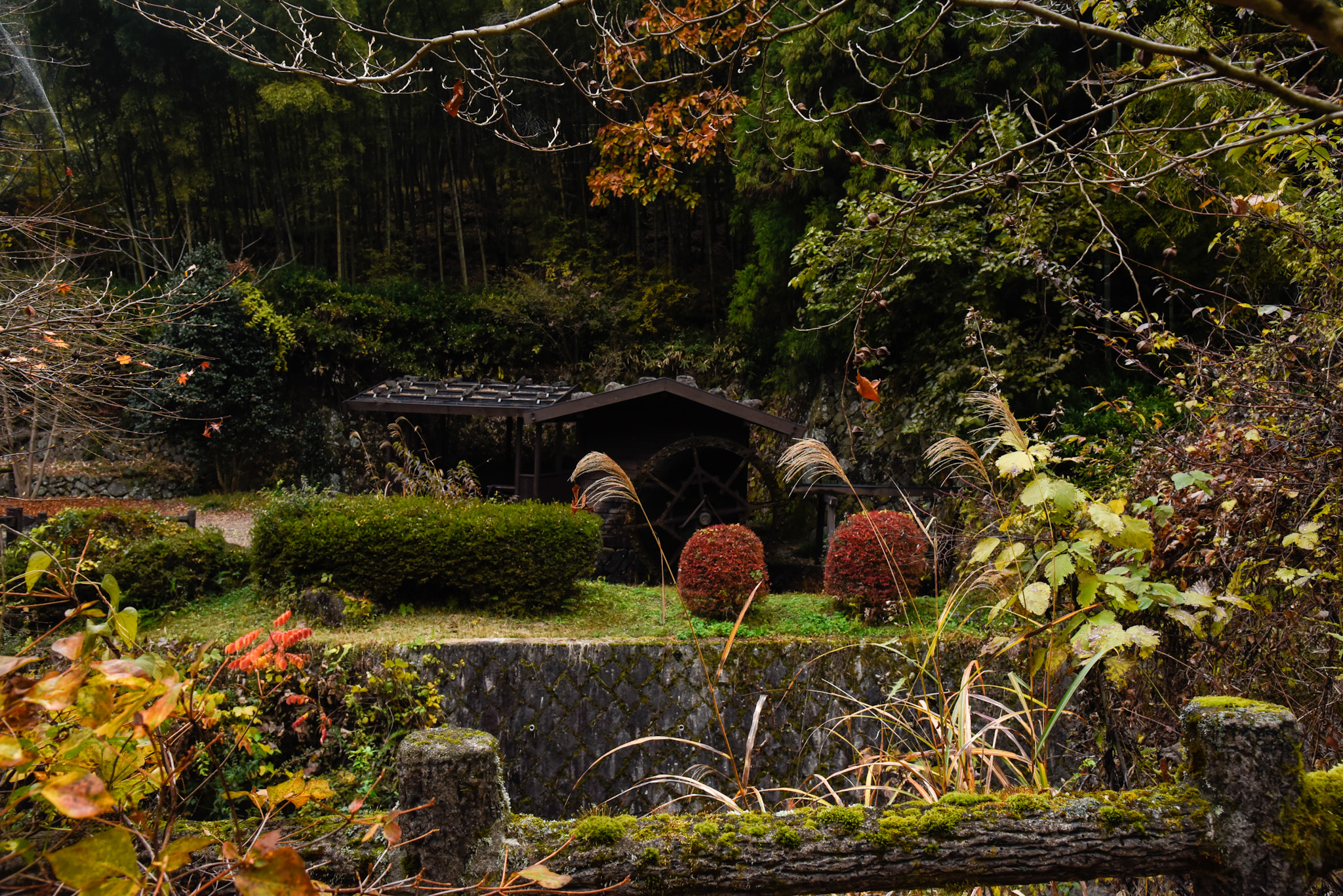
Along the way there were beautifully landscaped gardens.
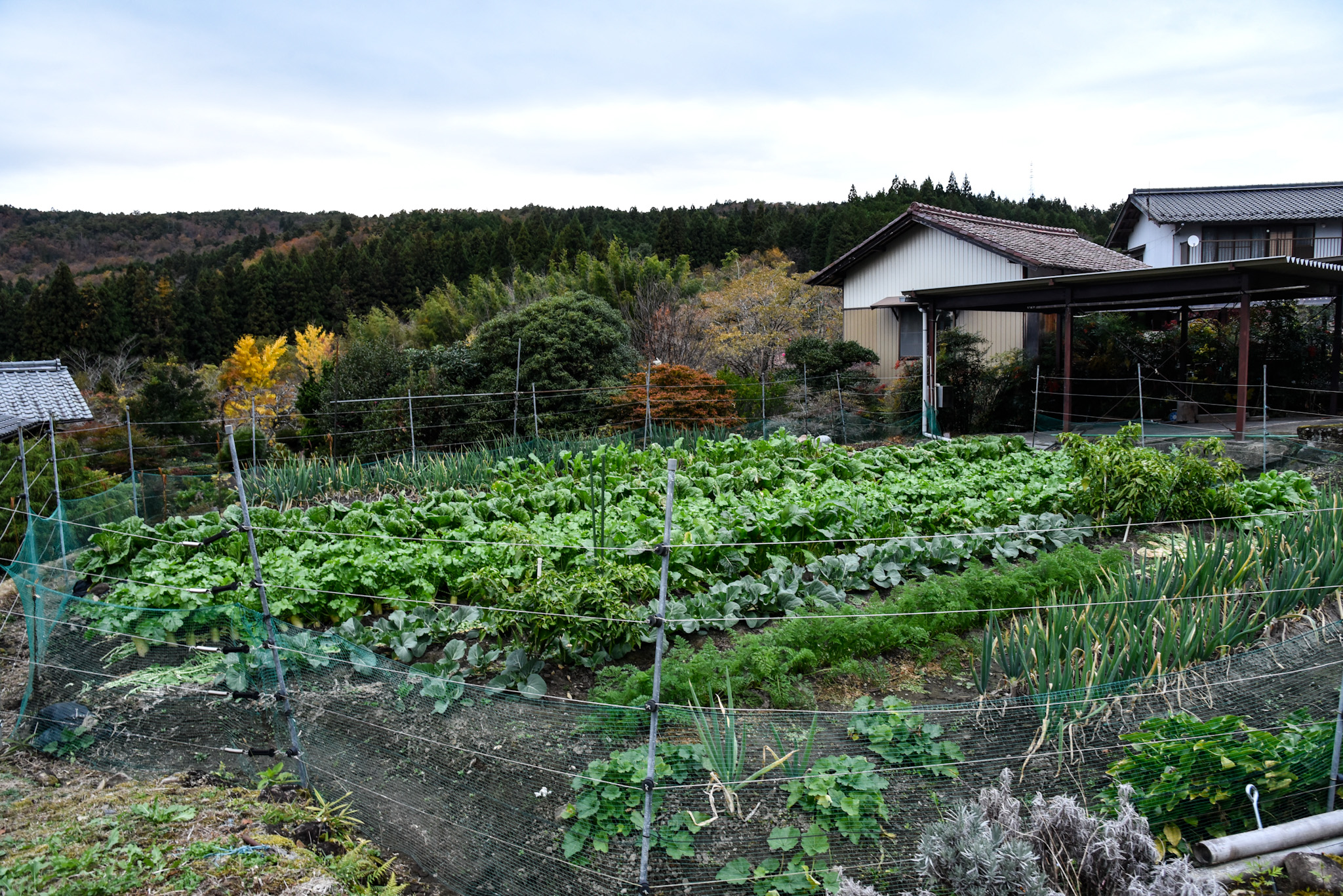
The carefully tended farms were overflowing with vegetables ready to be harvested.
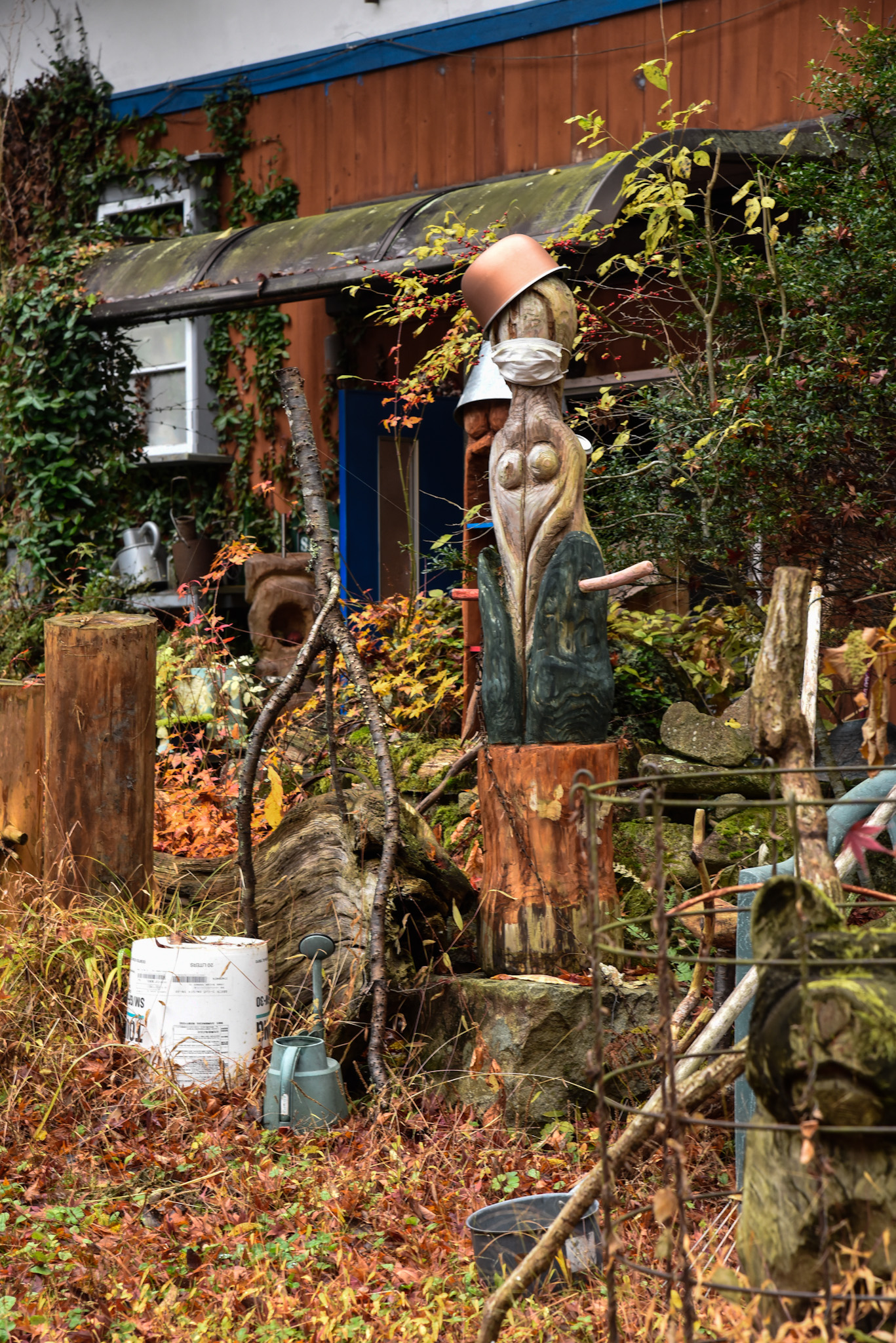
Garden sculpture with a sense of humor.
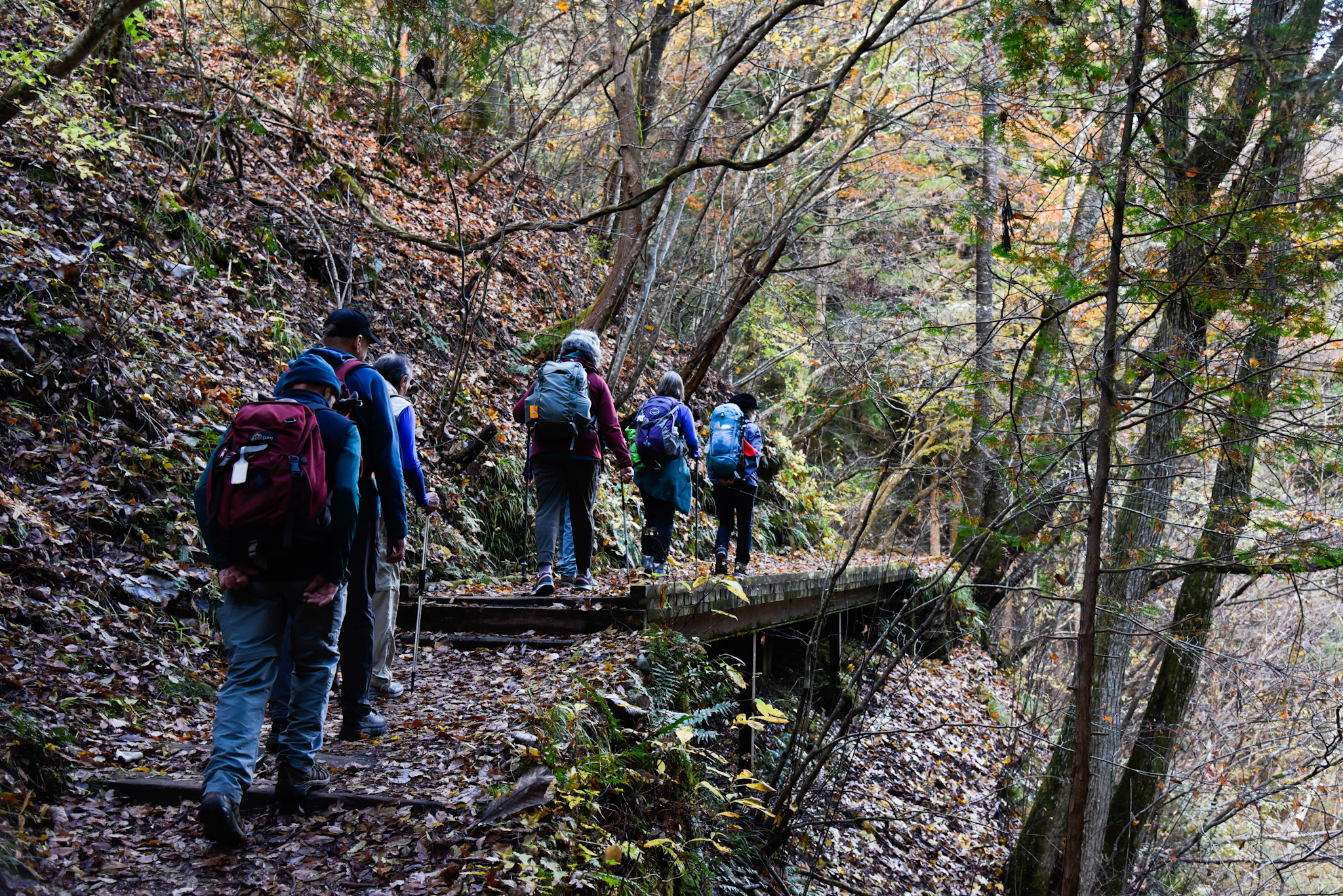
Our walk from Magome to Tsumago over the Magome-toge Pass is one of the more challenging parts of the trail. The forested trails are lush and beautiful. As we walked we made up haiku poems. Haiku poet Basho walked the trail in 1688.
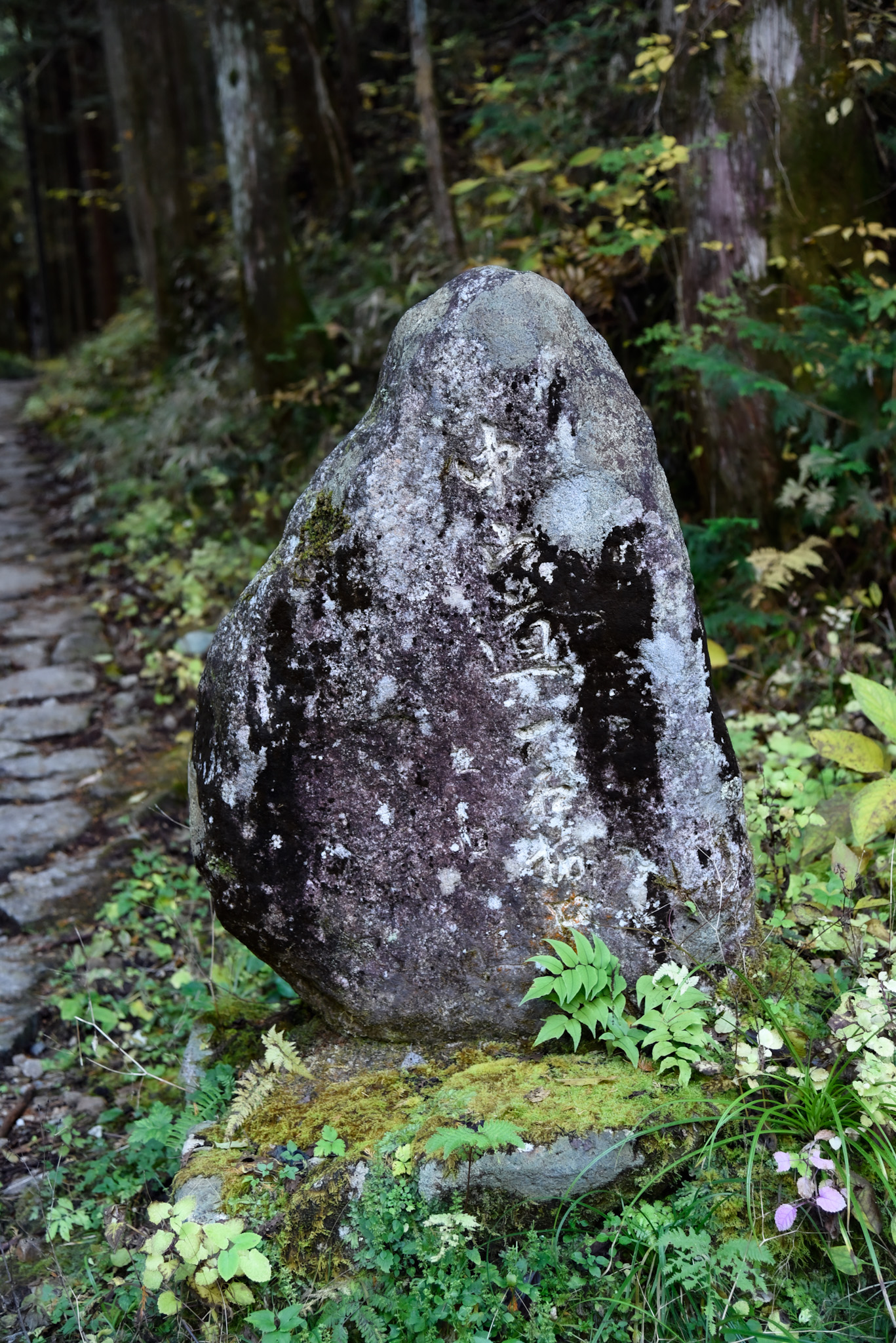
The stone tablet of Basho is inscribed with one of his poems. It is autumn here in Kiso.
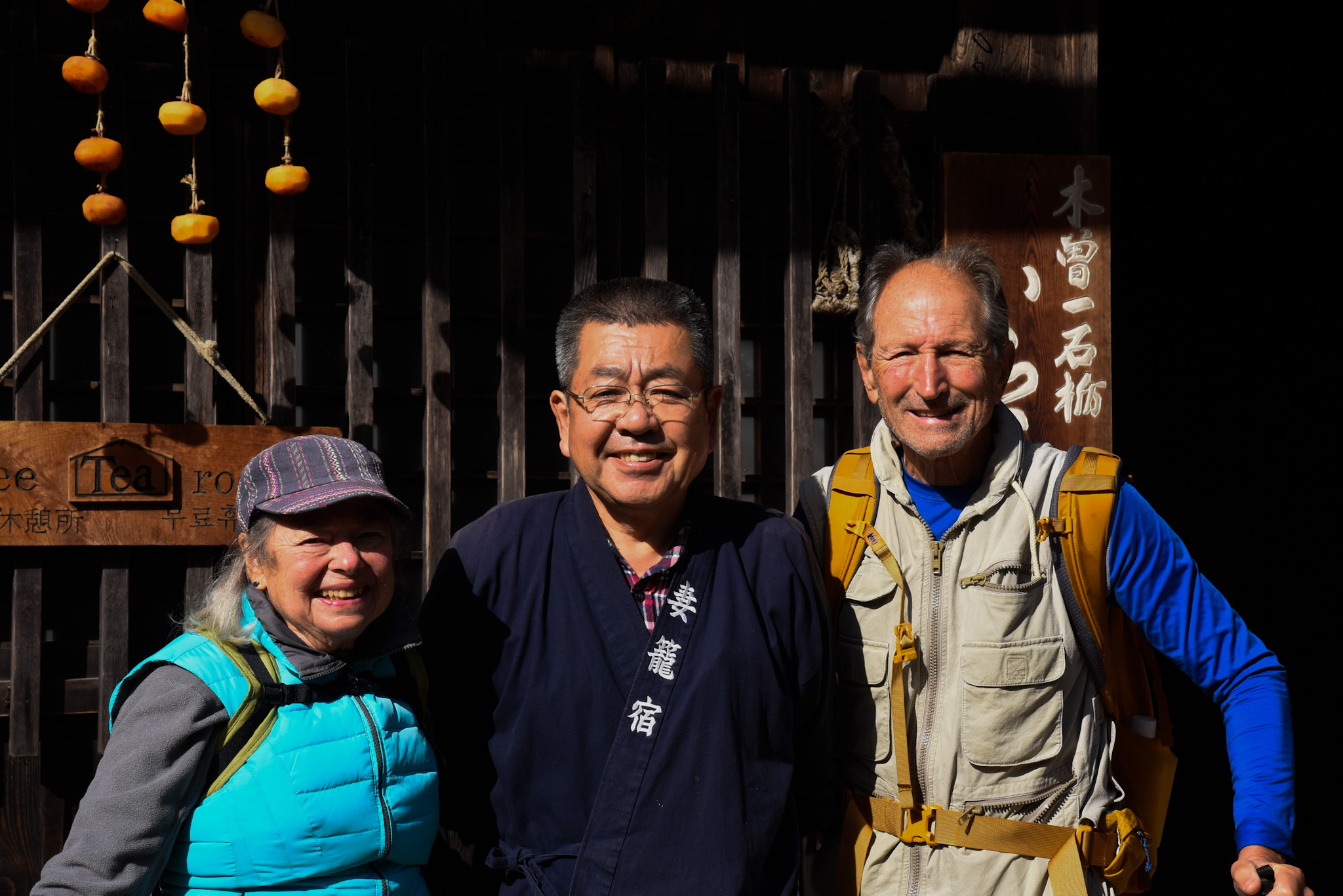
We stopped at a traditional tea house. The gentleman who runs the tea house was very friendly and welcoming. It provided a welcome respite and we all took advantage of his hospitality.
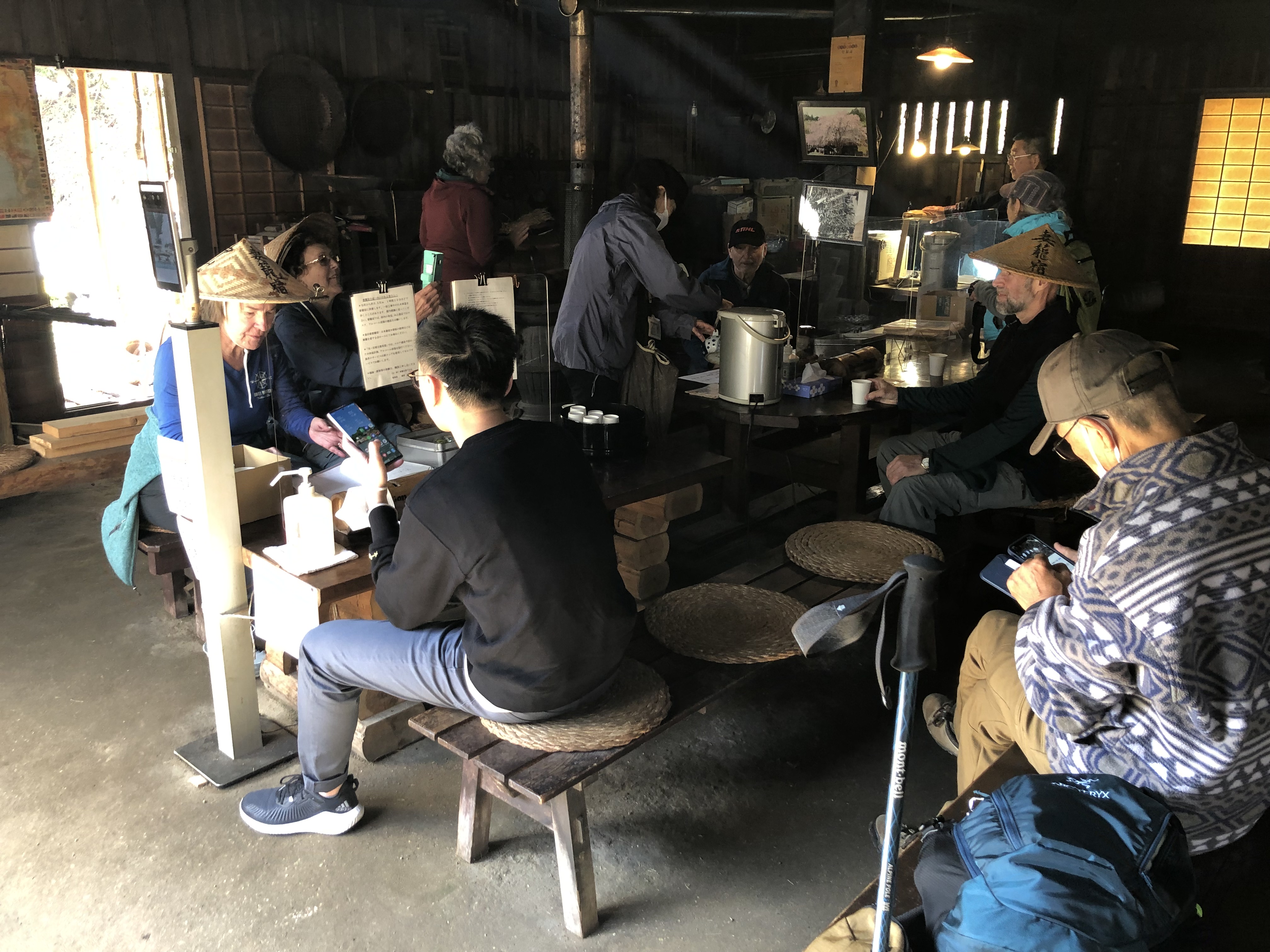
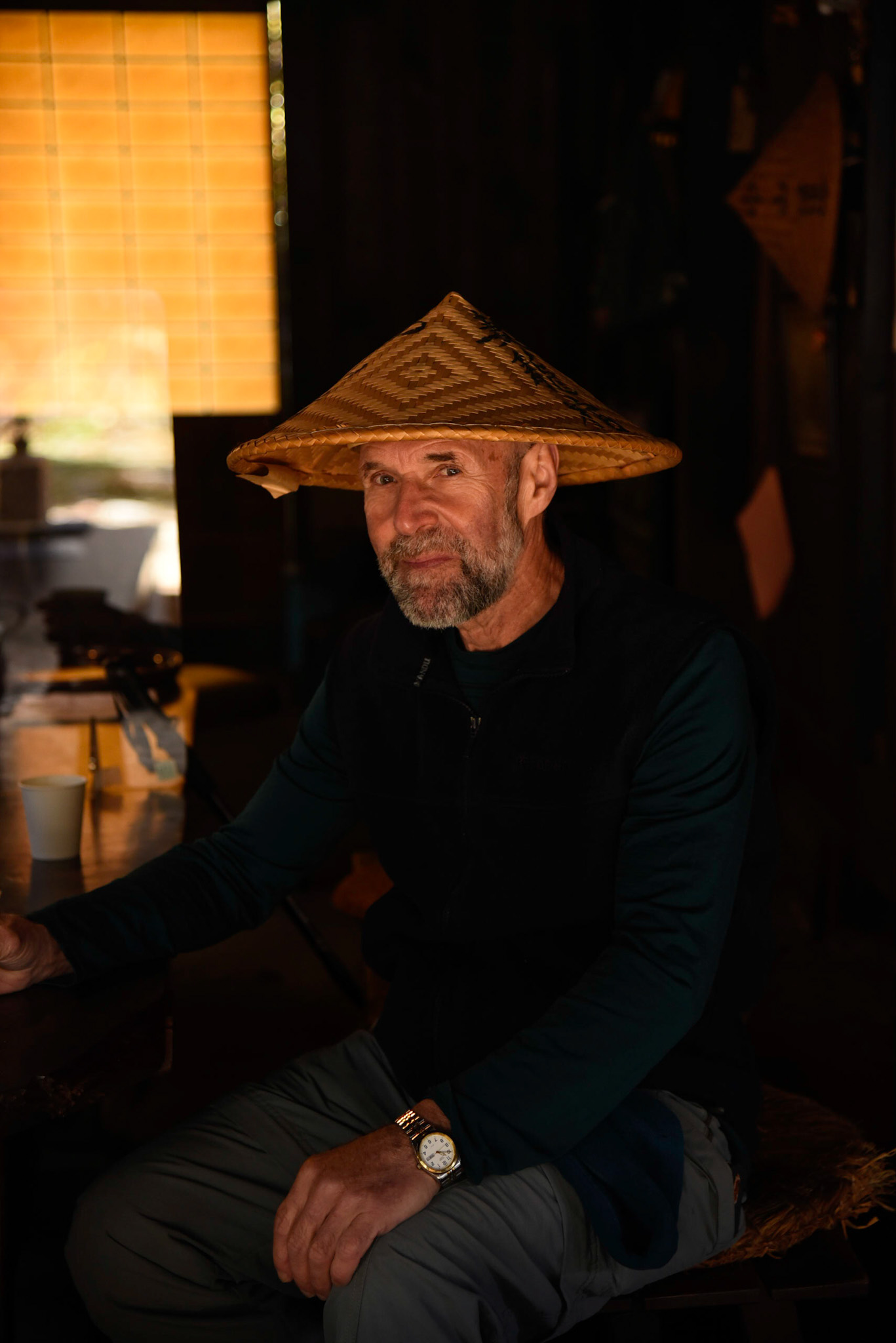
The interior of the tea house was dark and filled with antique memorabilia like the conical hat Martin put on below. The tea and sweets were delicious, offered at no charge.
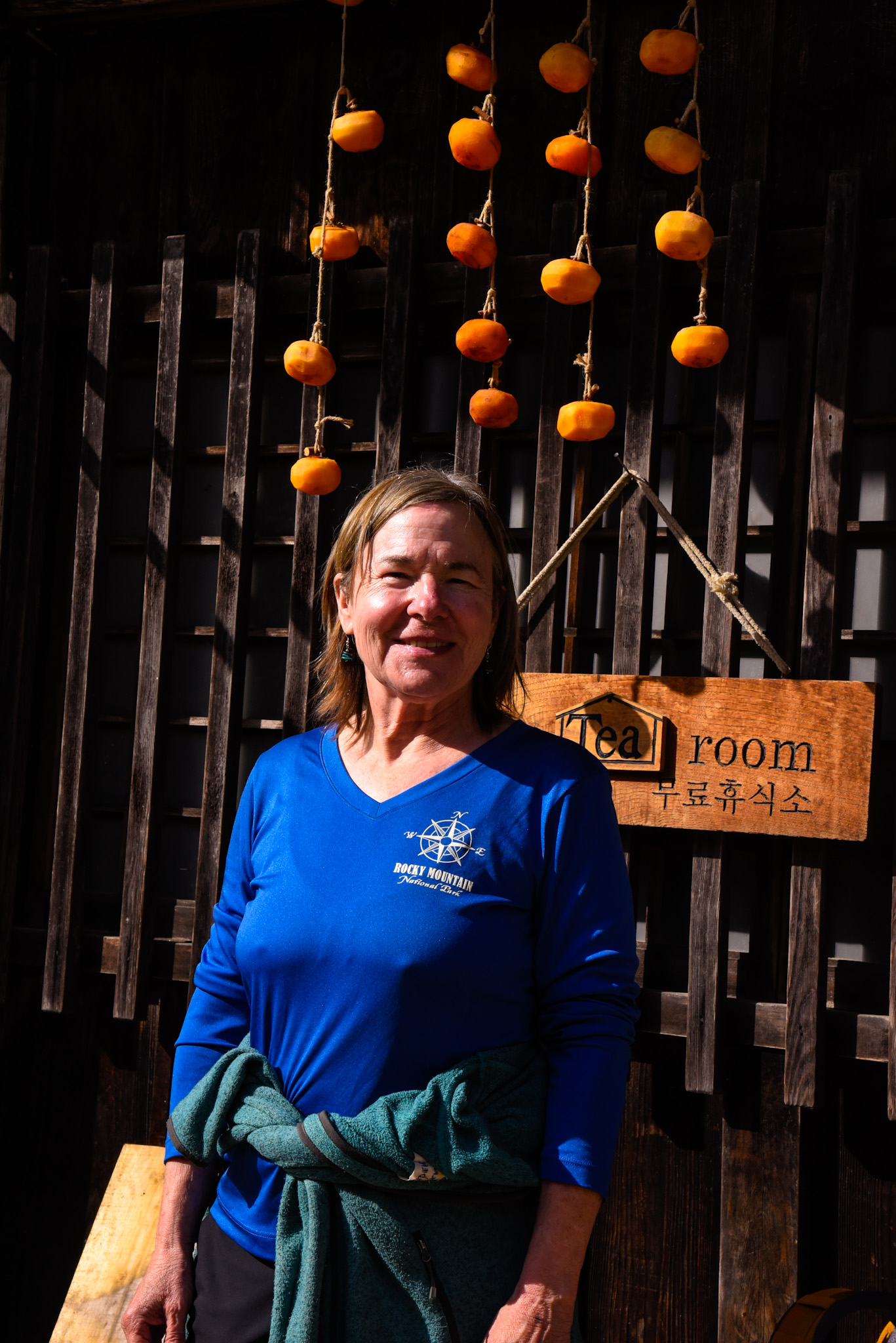
Here Gail posed under the ever present drying persimmons.
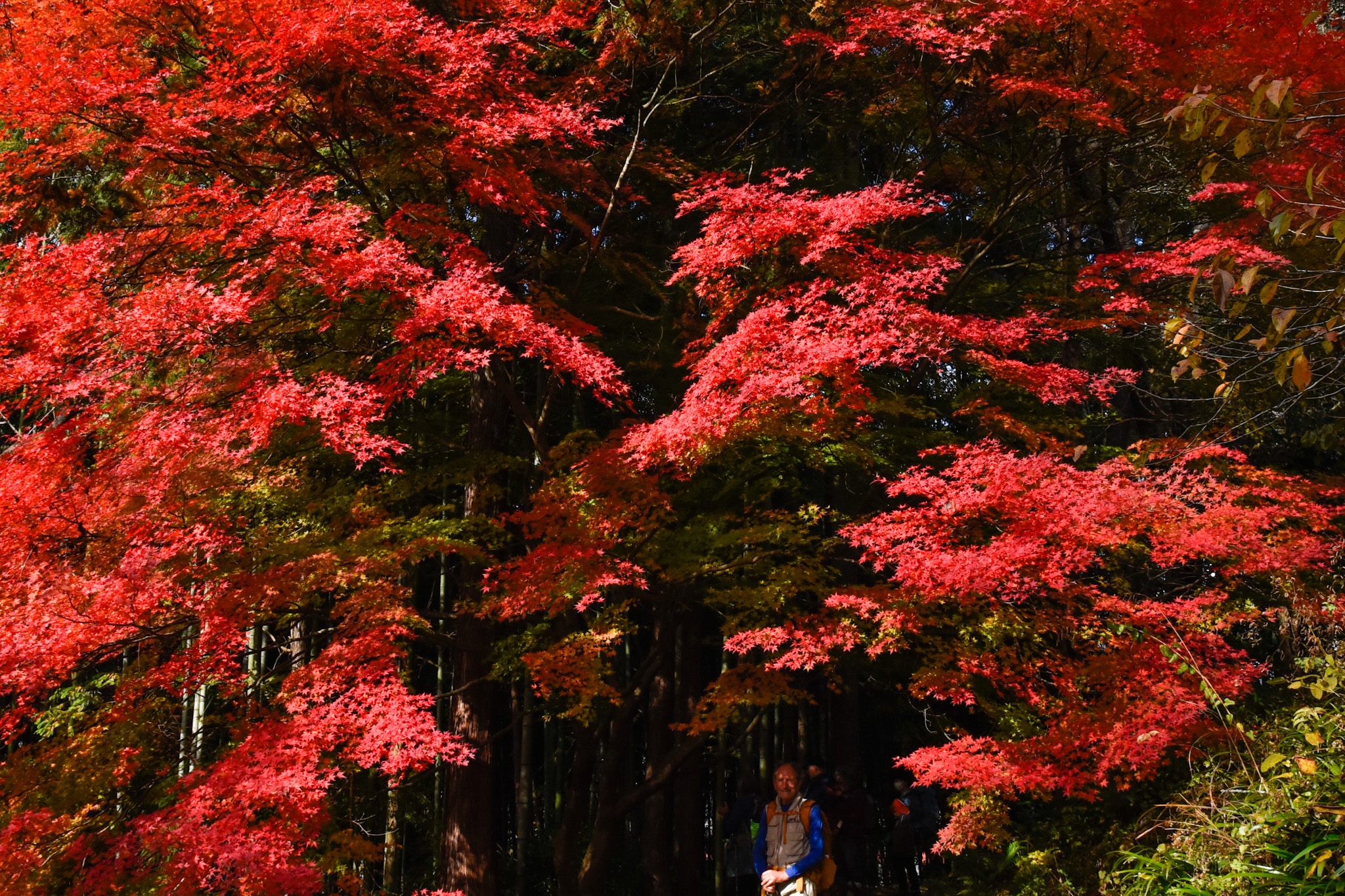
The red maple trees in Japan are larger than here in Ringwood, and have somewhat smaller and more vibrant autumn leaves.
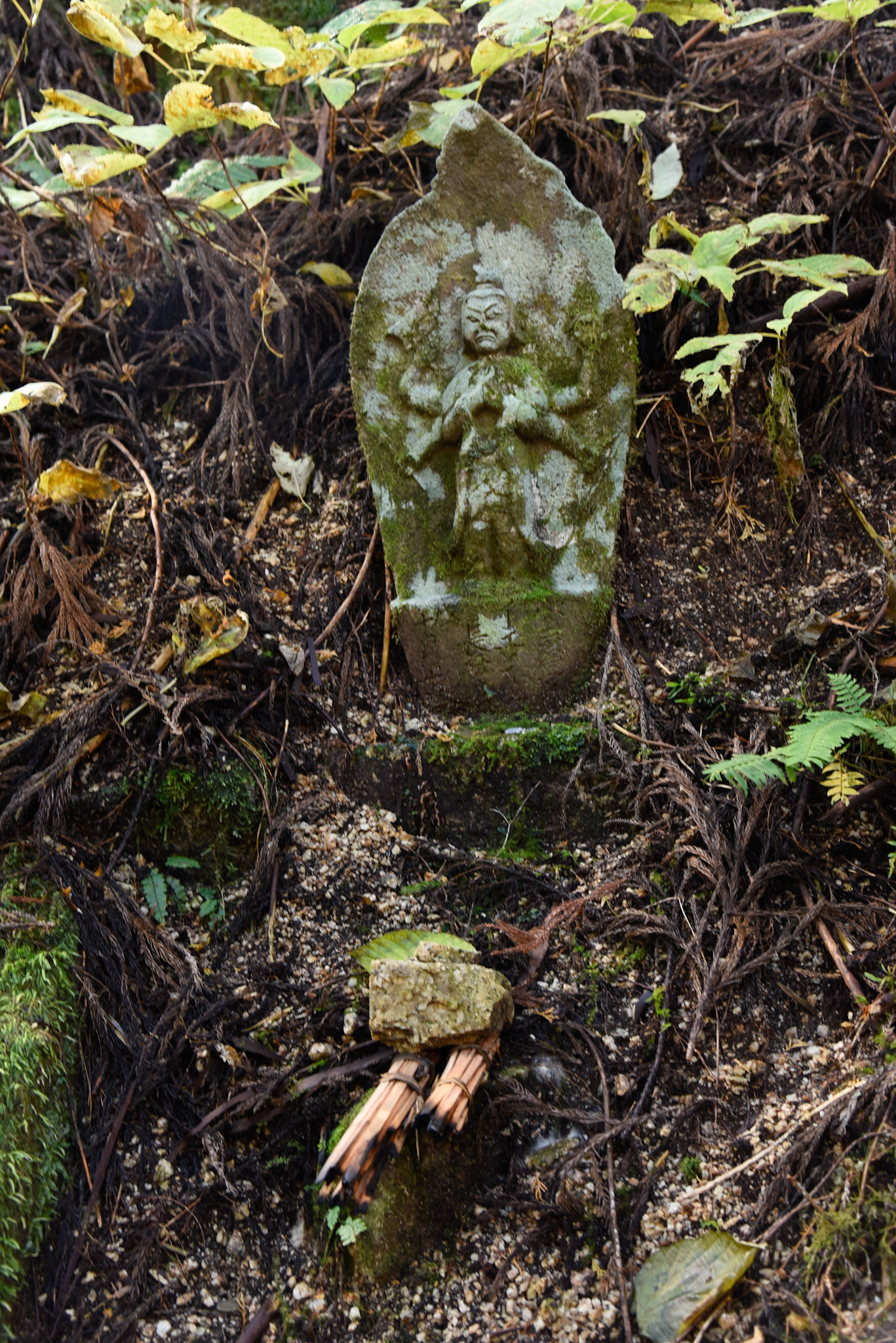
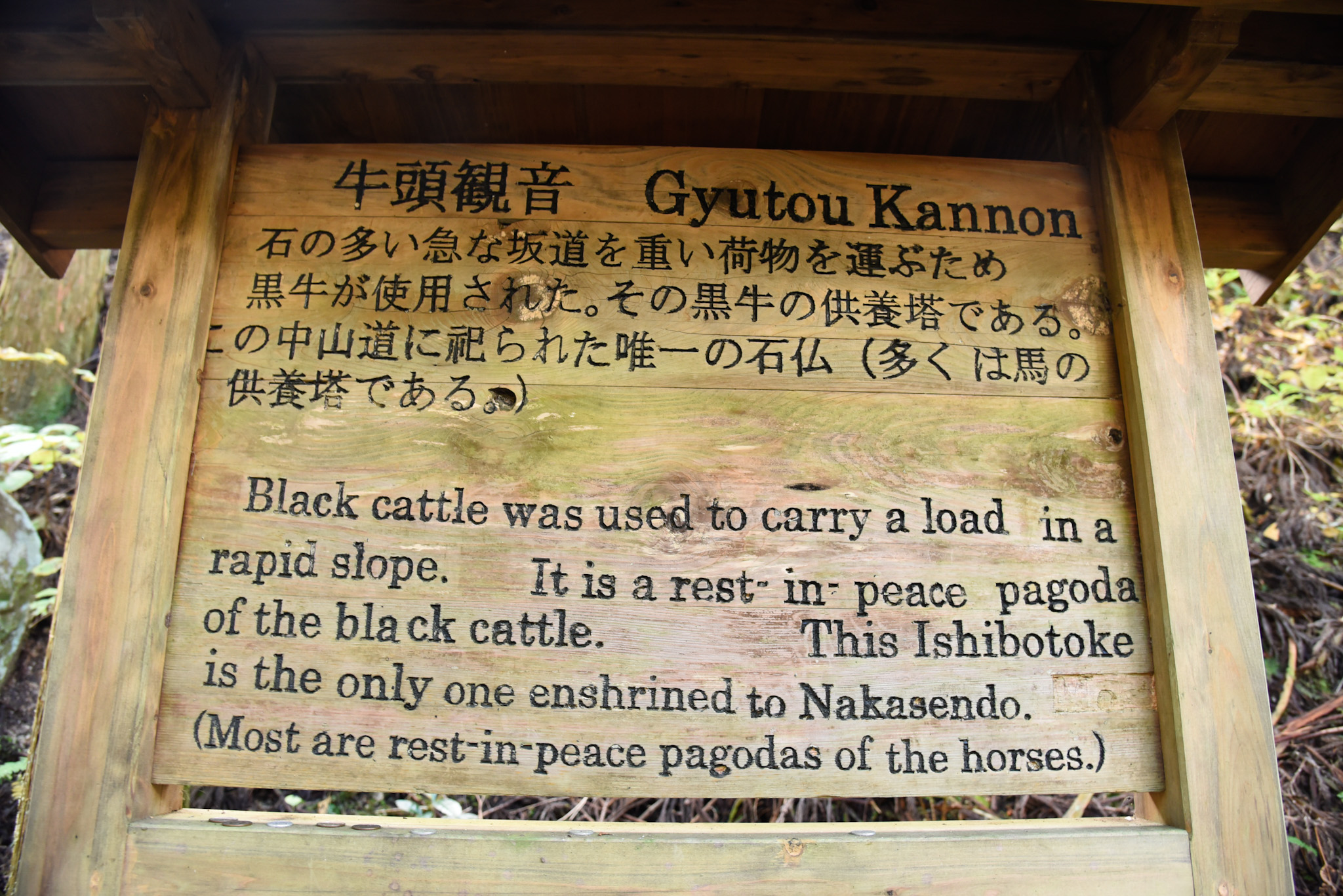
There are shrines such as this throughout the trail. This one is in honor of black cattle.
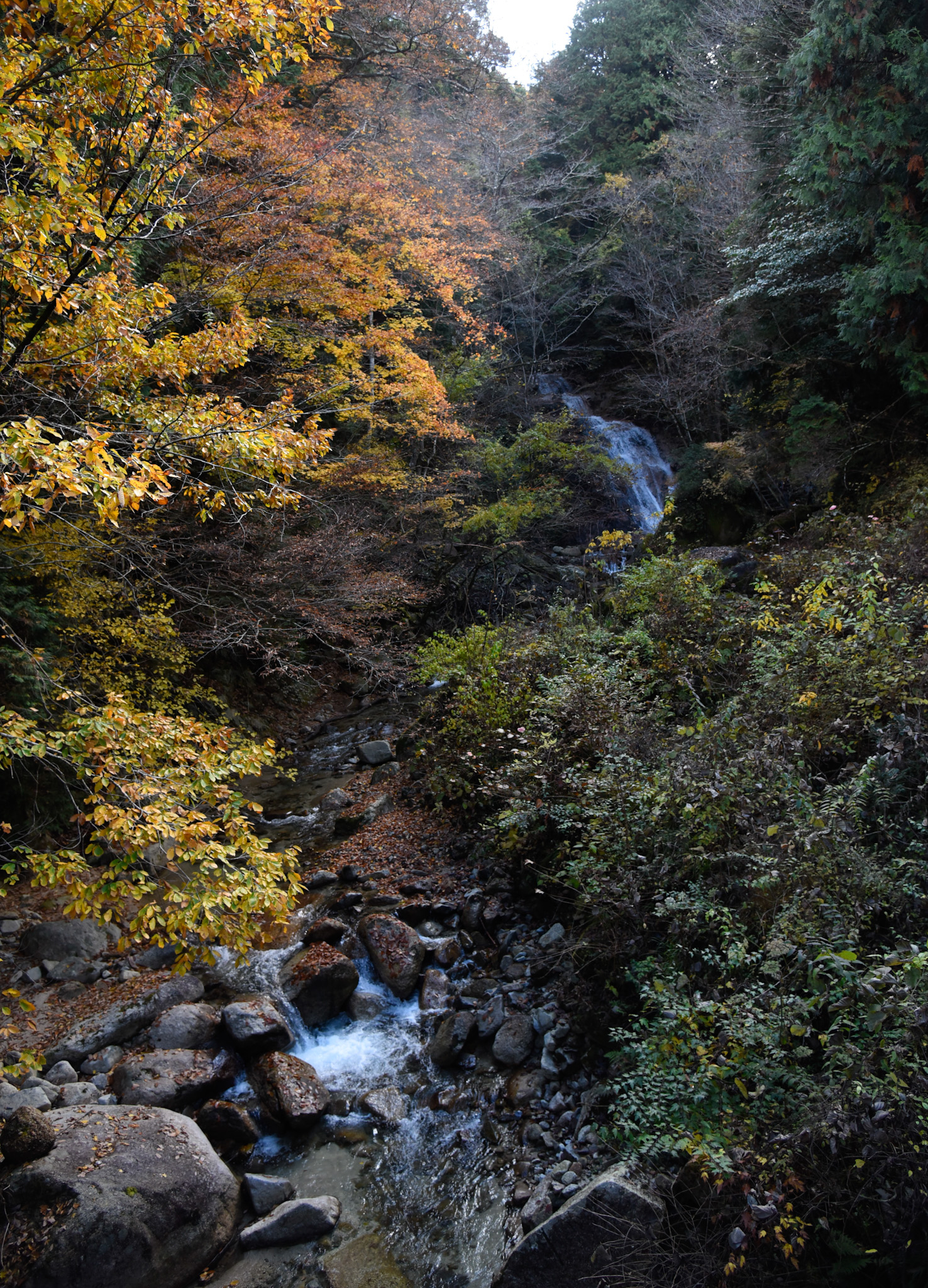
The Odaki-Medaki Waterfalls are a popular attraction along the Nakasendo Trail. The Odaki, which is the male of the couple is pictured above.
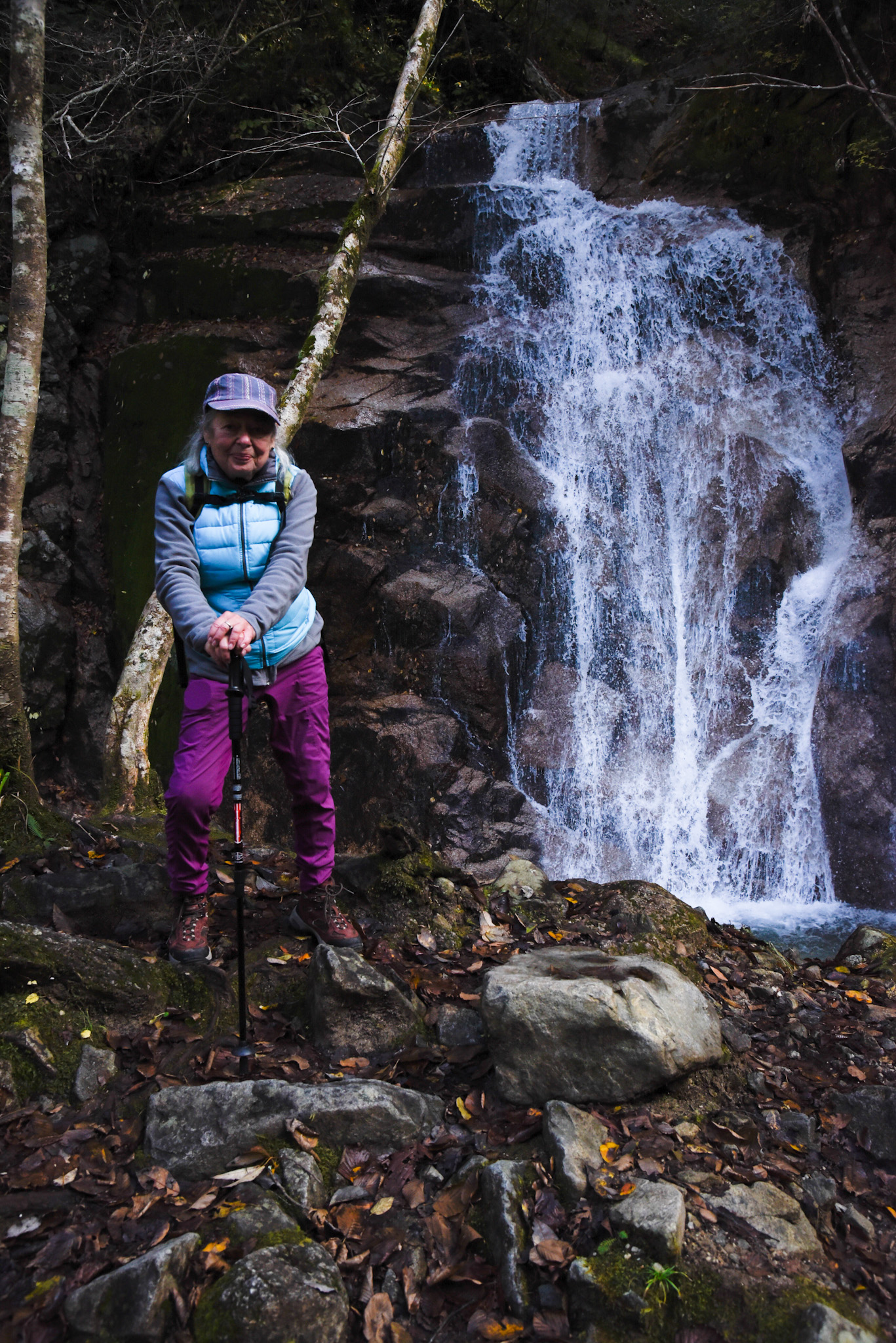
The Medaki (female) waterfall.
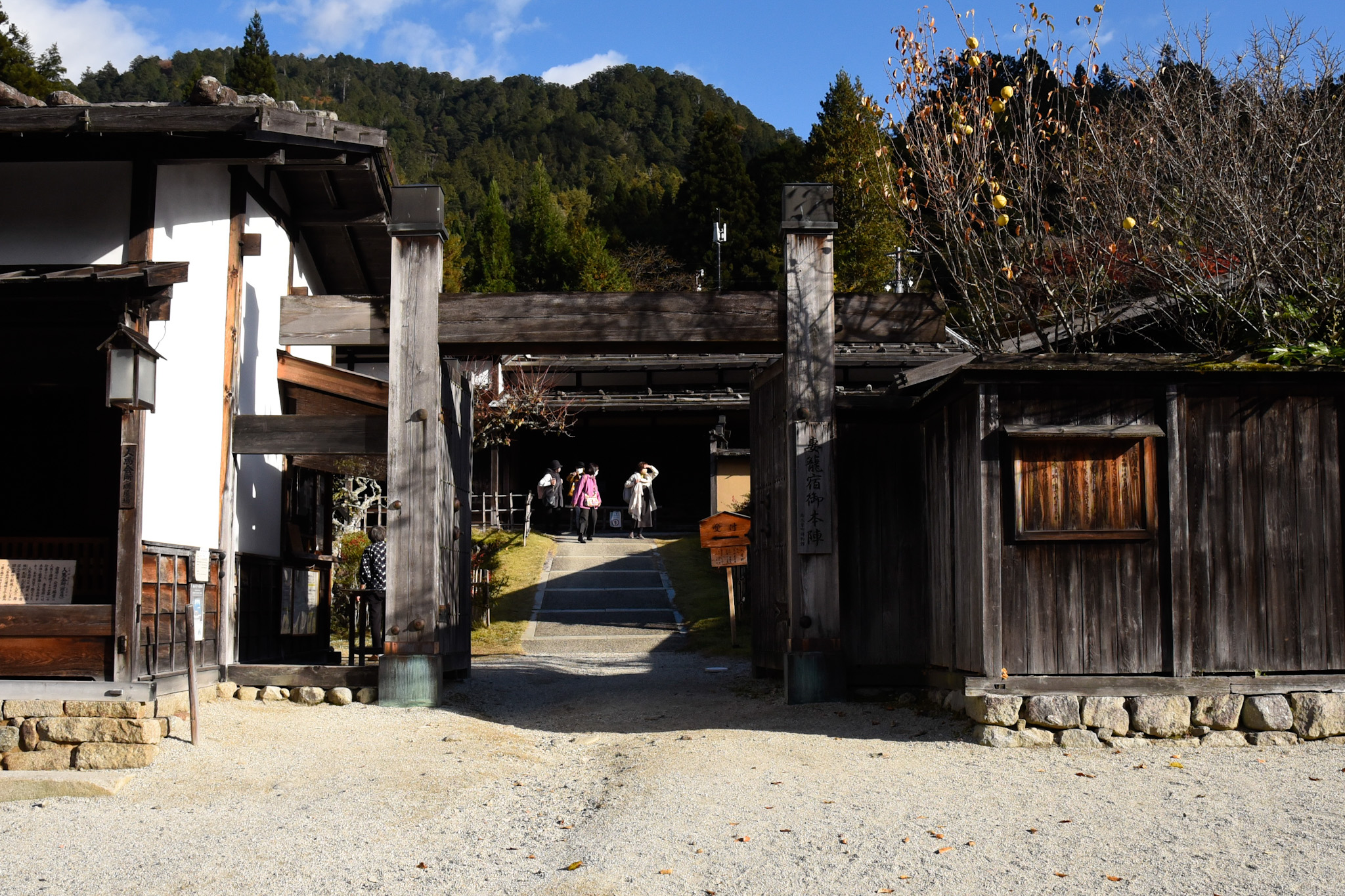
We arrived at Tsumago-juju, a traditional post town with its authentic post and beam architecture. The town has been protected by the Japanese a government since the mid-70’s and serves as model for other preservation efforts.
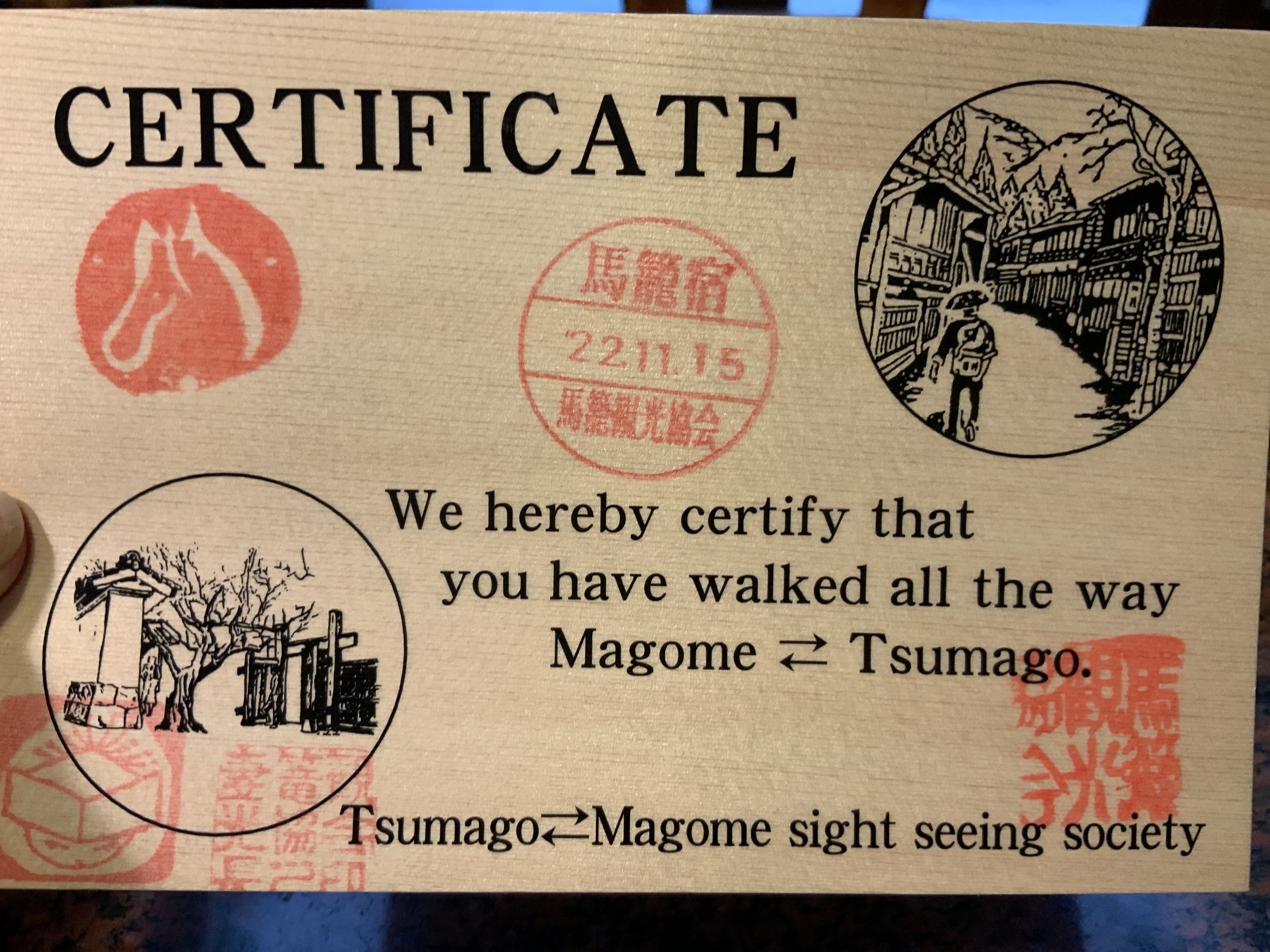
Mitch immediately got our certificate stamped.
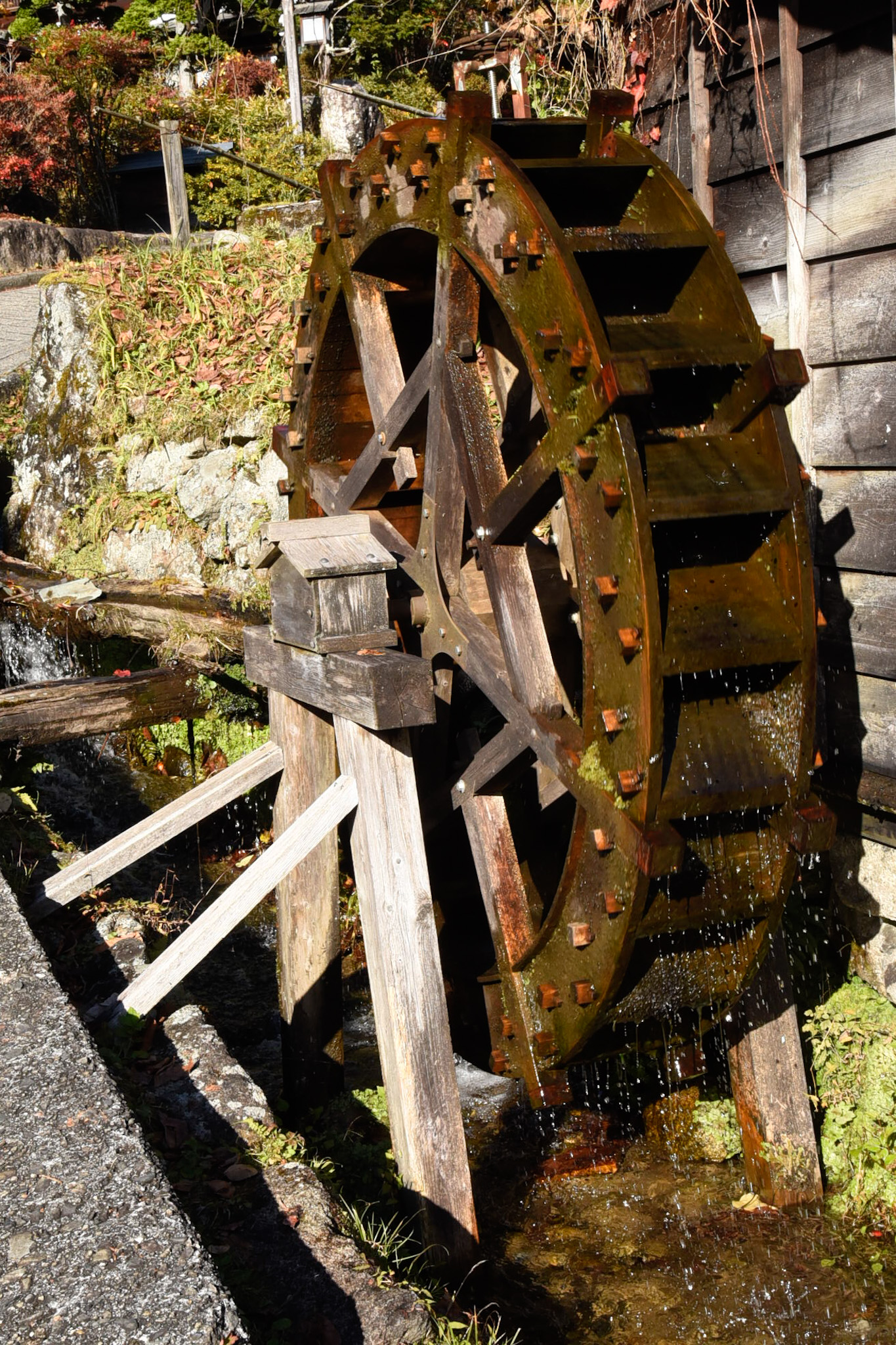
The waterwheel is an important part of the infrastructure of the preserved post towns.
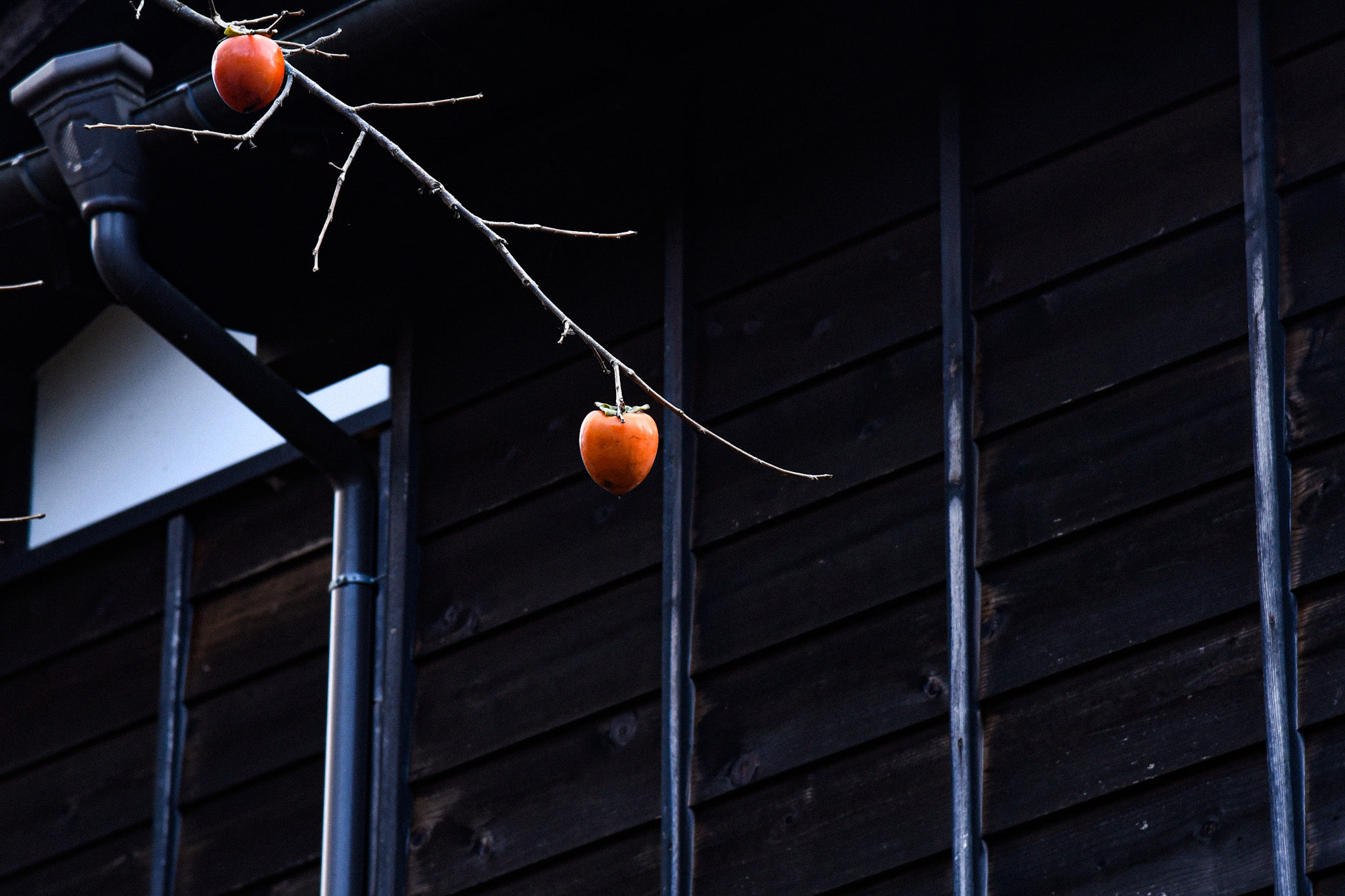
Hanging from a bare branch hung what seemed like the last two persimmons.
That night we stayed at a ryokan near Kiso-Fukushima. It had the best outdoor onset, so enjoyable. It, however, was time to test ourselves for Covid, having been exposed. Unfortunately, our guide Tomo and 2 members of our party, Gail and Bernadette, tested positive and needed to be quarantined. It was shocking and we felt terribly sad. We knew they were well cared for and we had no choice but to continue on the tour.
 westwardhowithapollo
Joanne,
I really enjoy all of your beautiful photo stories.
Matt
>