We are traveling again, staying in a lovely guest house in Oaxaca City, Mexico, where the weather is beautiful, the people are wonderful, the history is rich and fascinating, the art is fabulous, and the cuisine is delicious.
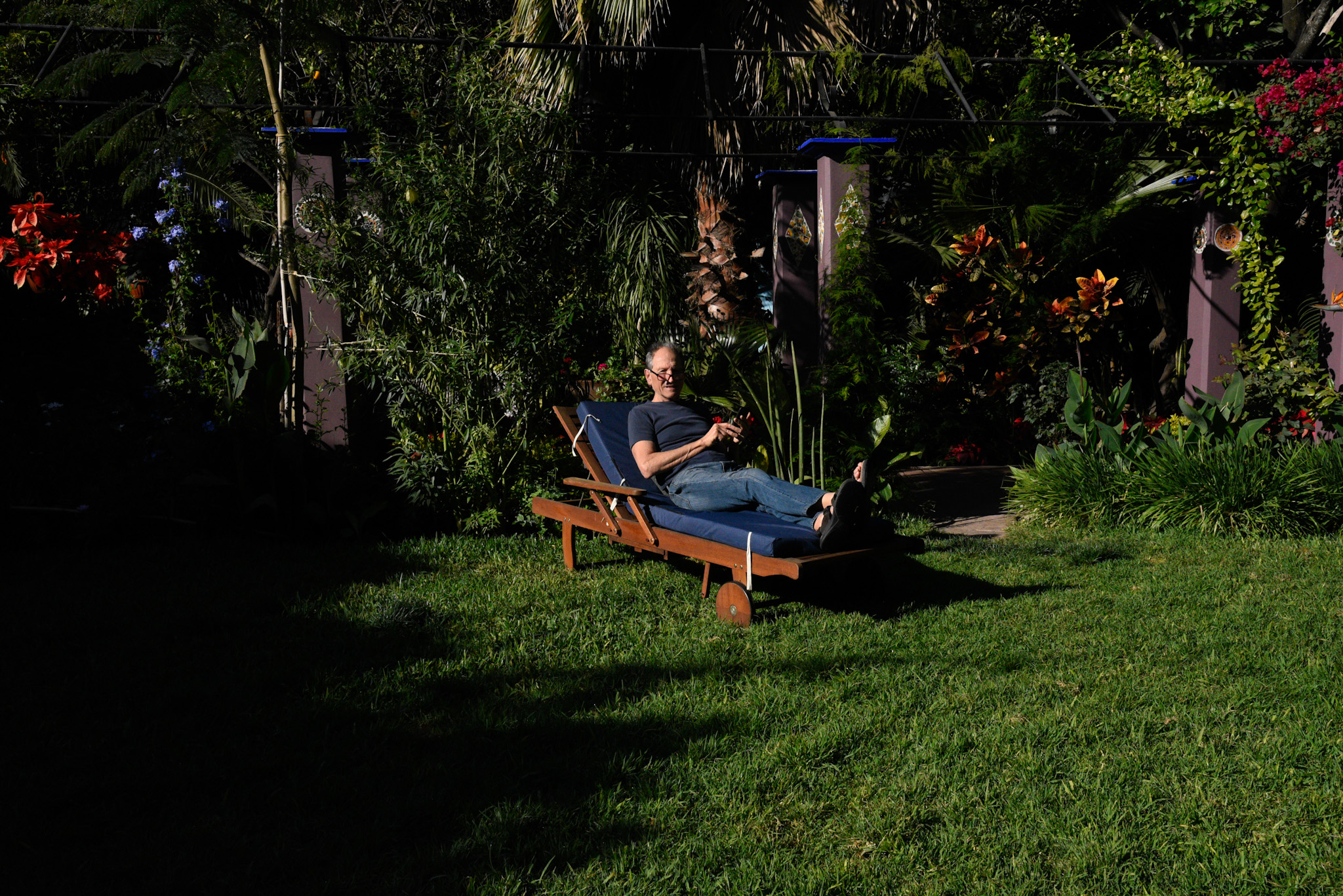
Here’s Mitch relaxing in the beautiful Casa Colonial garden.
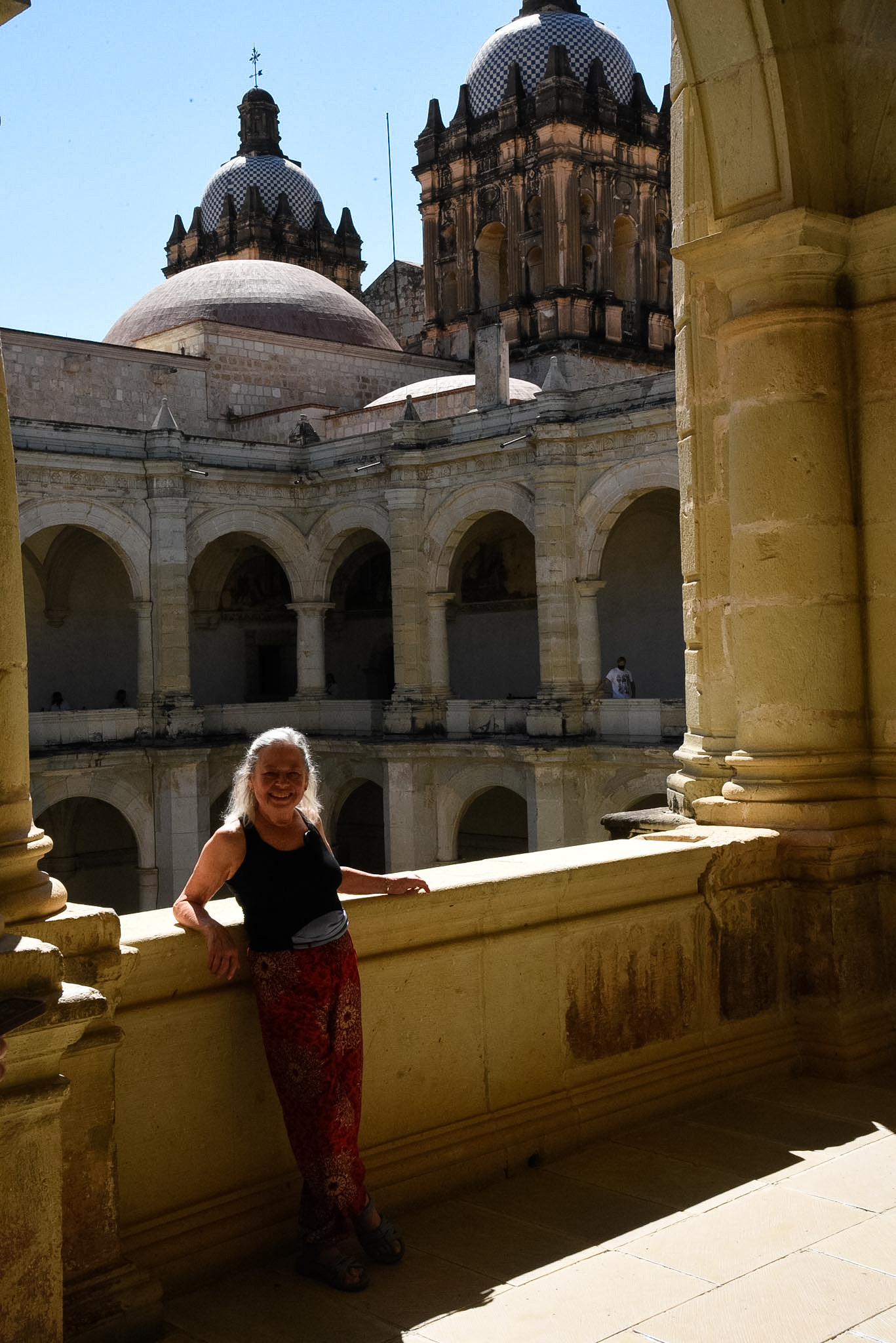
Joanne is enjoying the history and art. This photo was taken in the Temple of Santo Domingo de Guzman. The Church was built by the Dominicans as a convent, completed in 1619. It houses the important Cultural Museum which today is featuring a major exhibit of Zapotec Mixtec civilization artifacts found in Tomb 7 at Monte Alban.

The discovery made in 1932 by Mexican archeologists features a turquoise encrusted skull. The resemblance to Mitch is uncanny.
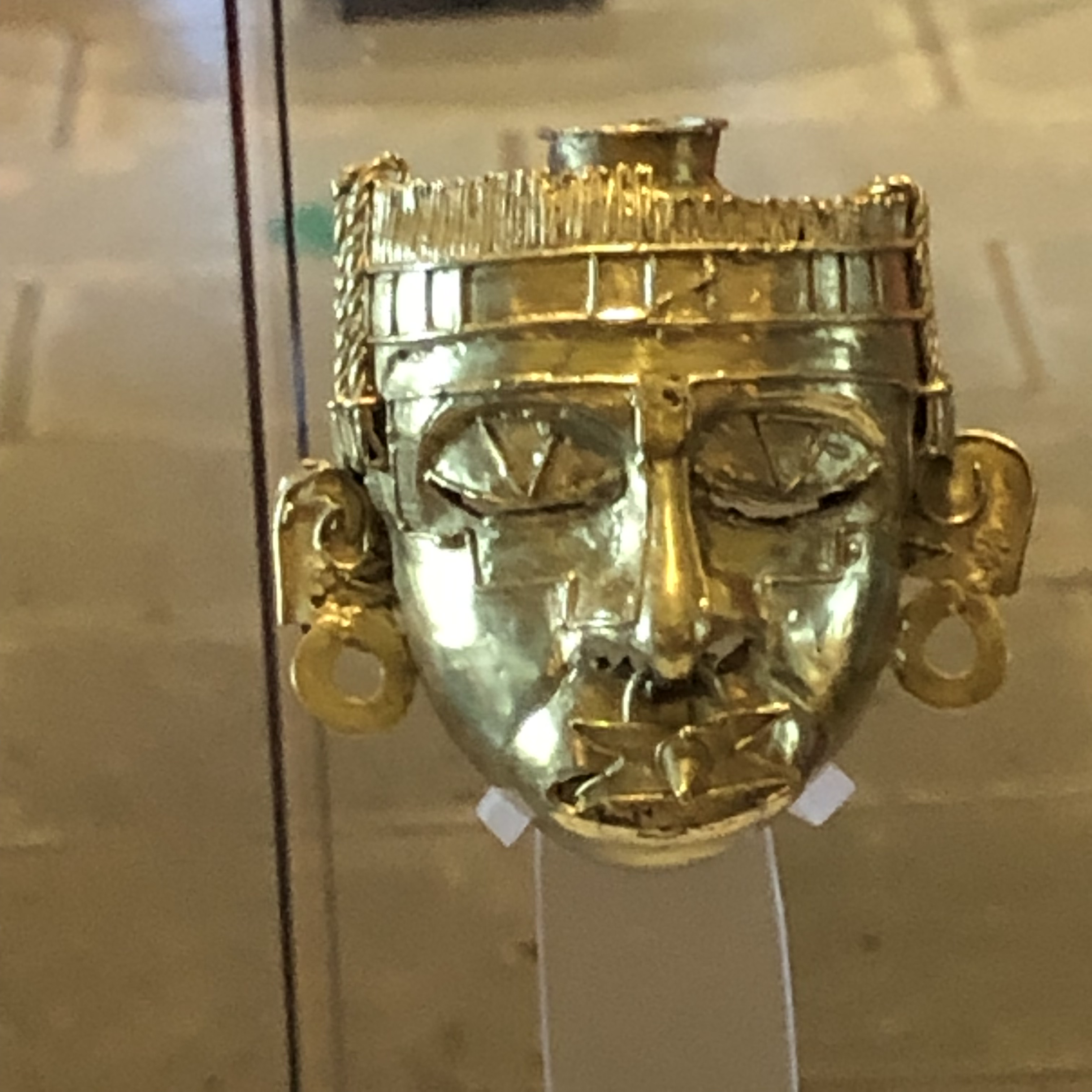
These are two of the many gold pieces found inTomb 7 at Monte Alban, said to be one of the richest burial finds ever encountered from pre-Colombian Mesoamerica.
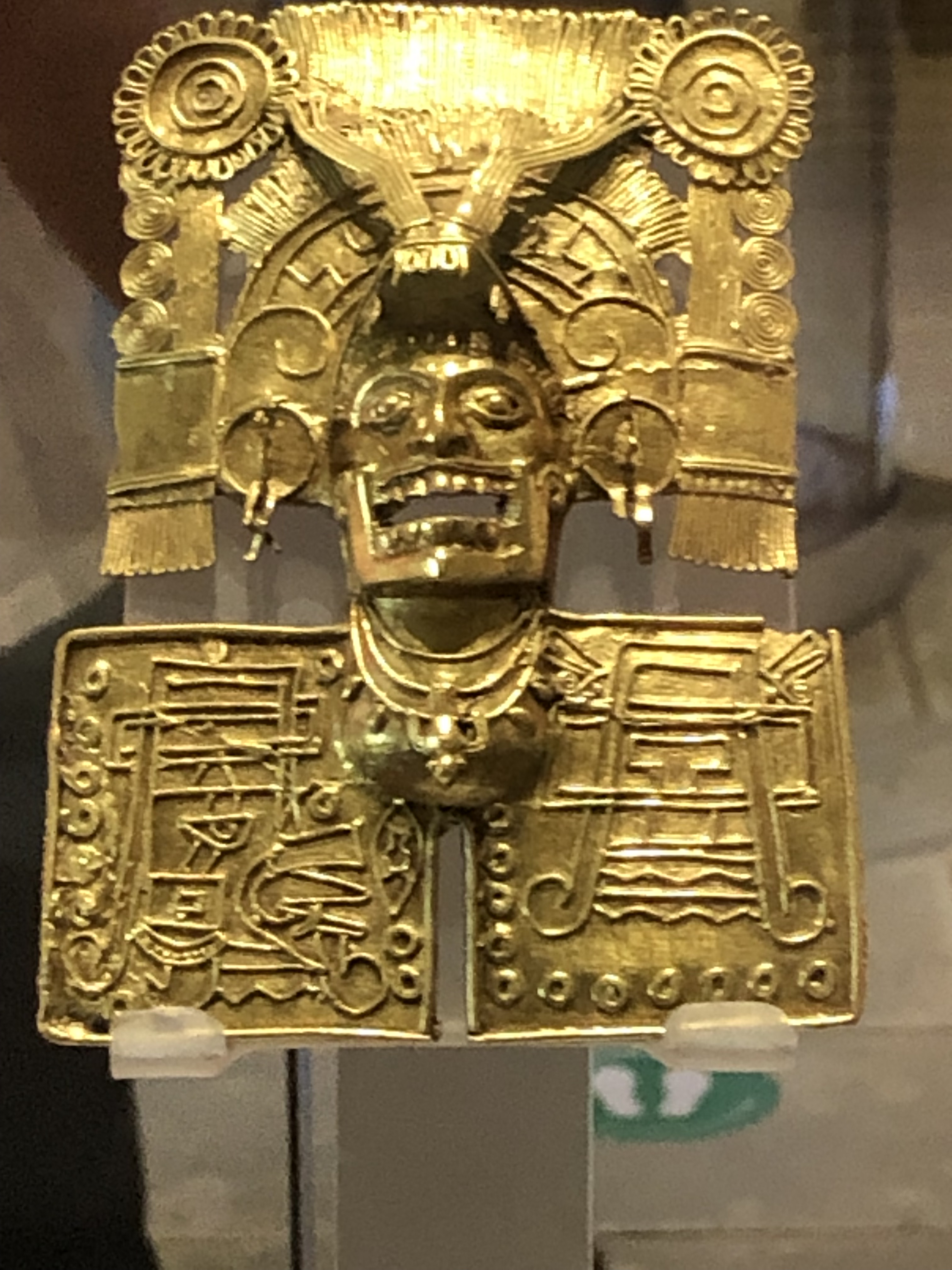
After seeing this exhibit we had to go to Monte Alban. Rafael, a young art student we met, made the arrangements for us to visit the site. It did not disappoint.
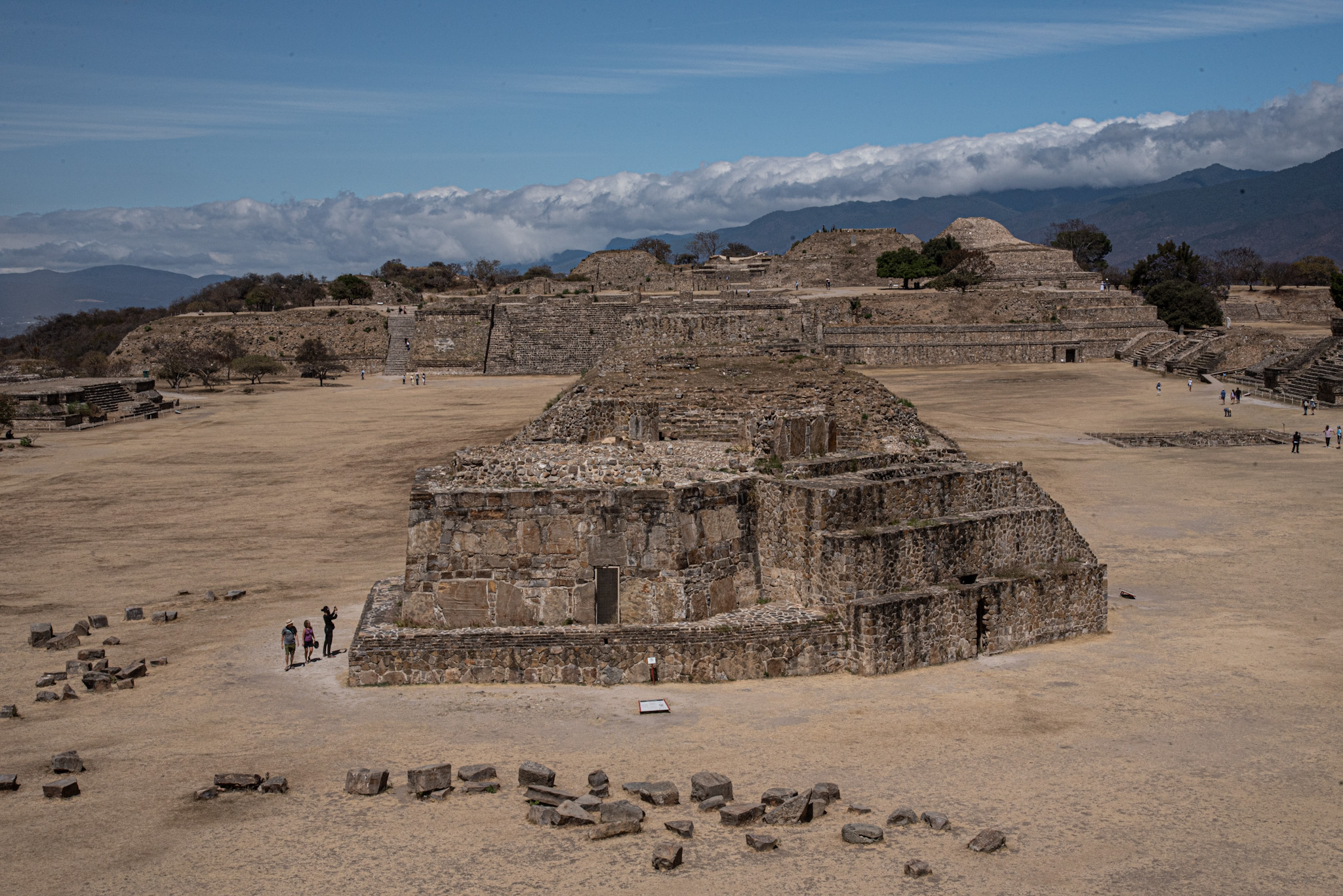
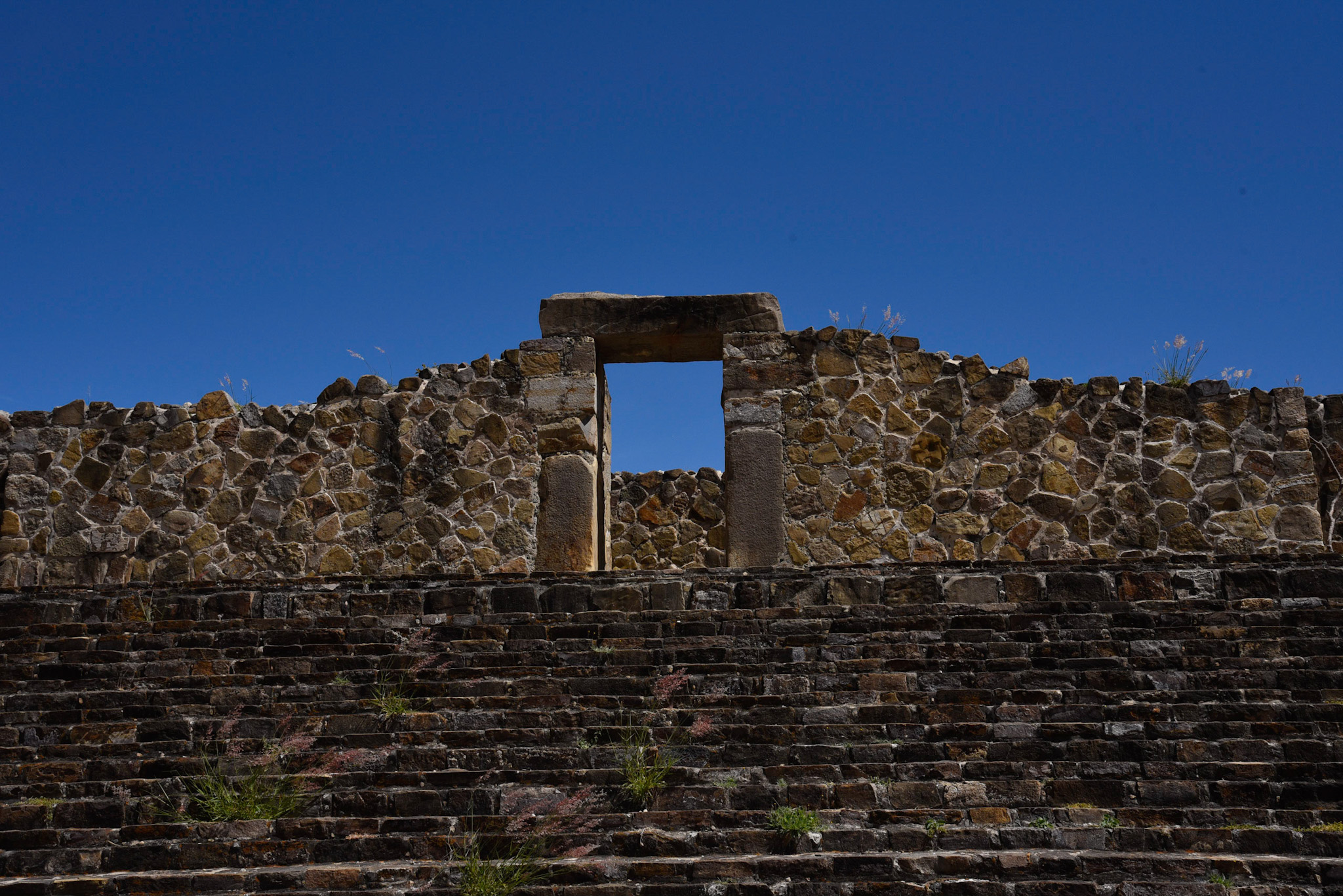
Monte Alban was the center of political and ceremonial authority, commanding the best terrain in the Valley of Oaxaca for agriculture and dense settlement, from around 400BC to 700 AD when for reasons unknown the site was abandoned. It is difficult to grasp the size and scope from photographs but it is awesome consisting of canals, pyramids, mounds, terraces, temples, ballcourts, and tombs. At its height it may have had a population of 30,000 people, originally inhabited by the ancient Zapotecs. Later, after the 9th century Monte Alban came under the rule of the Mixtec people. Above is a central dominant structure known as Building J. It is different from the other structures in orientation and design and it is thought that it may have been used as an observatory to track astrological bodies. They developed a writing system, a numerical system, and a calendar.
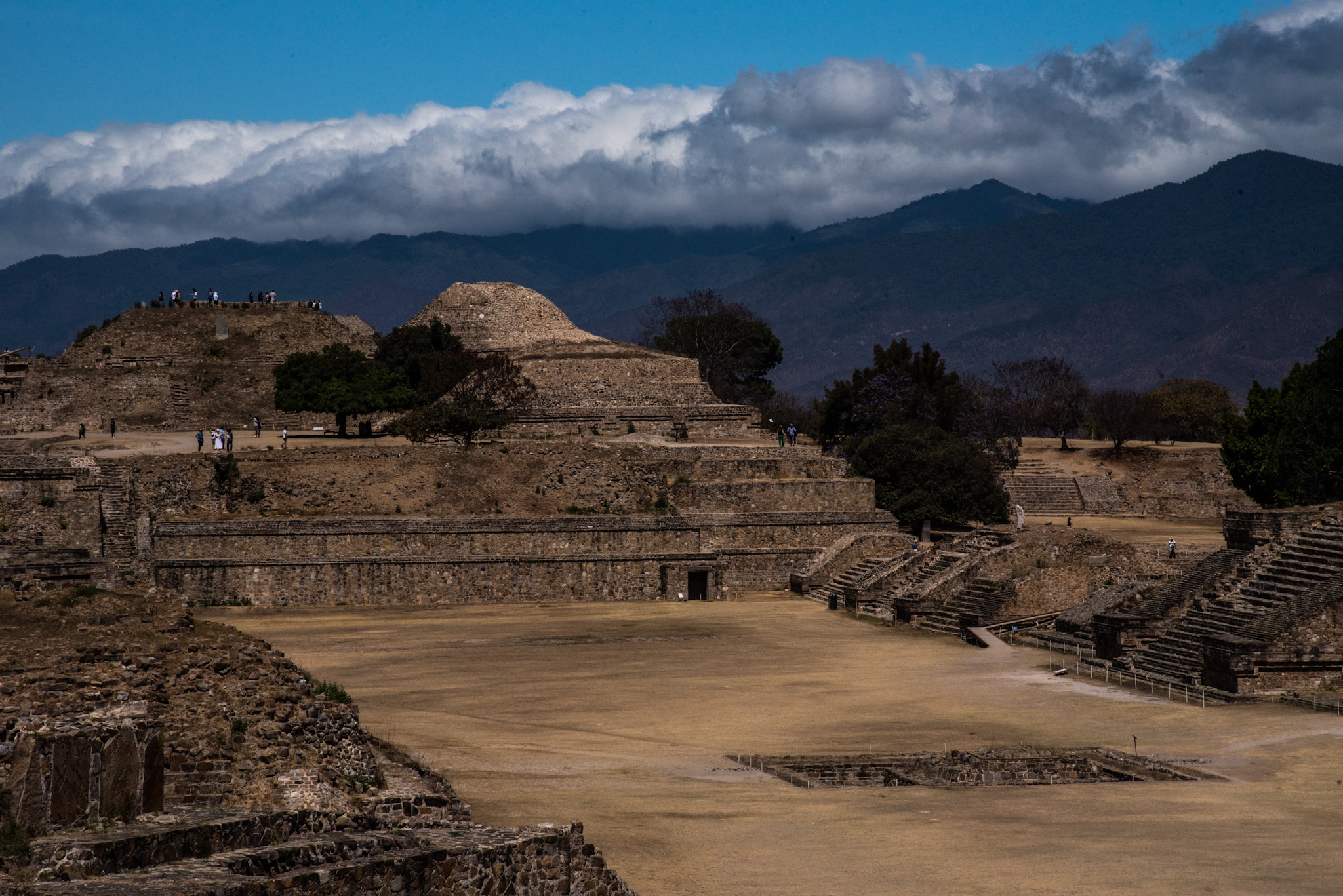
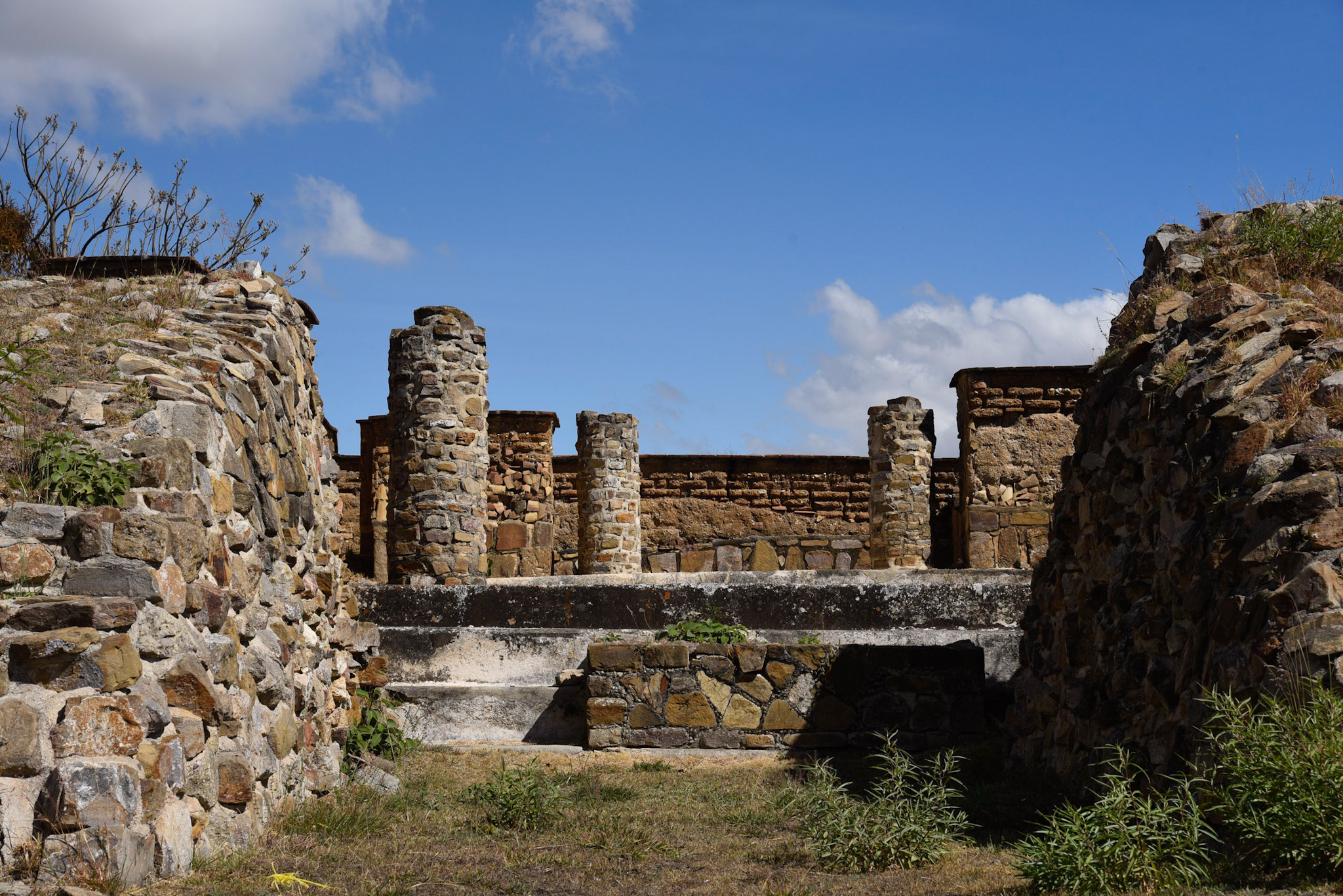
The people of Monte Alban were probably polytheistic and worshiped the major deities of the Zapotec pantheon, including the rain god, Cocijo, and Coquihani, the Apotec god of light.

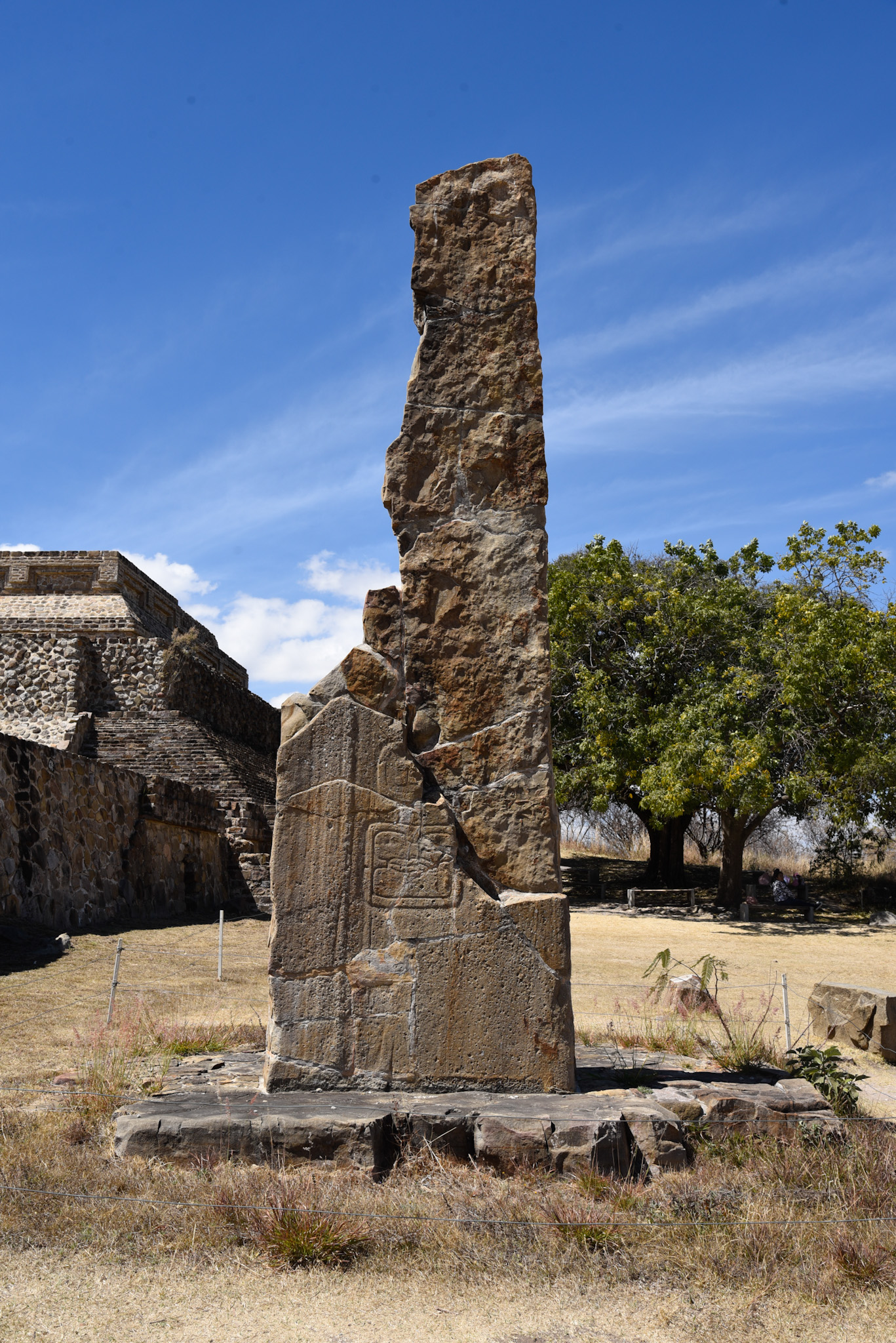
What time is it? The Sun dial told us it was noon.
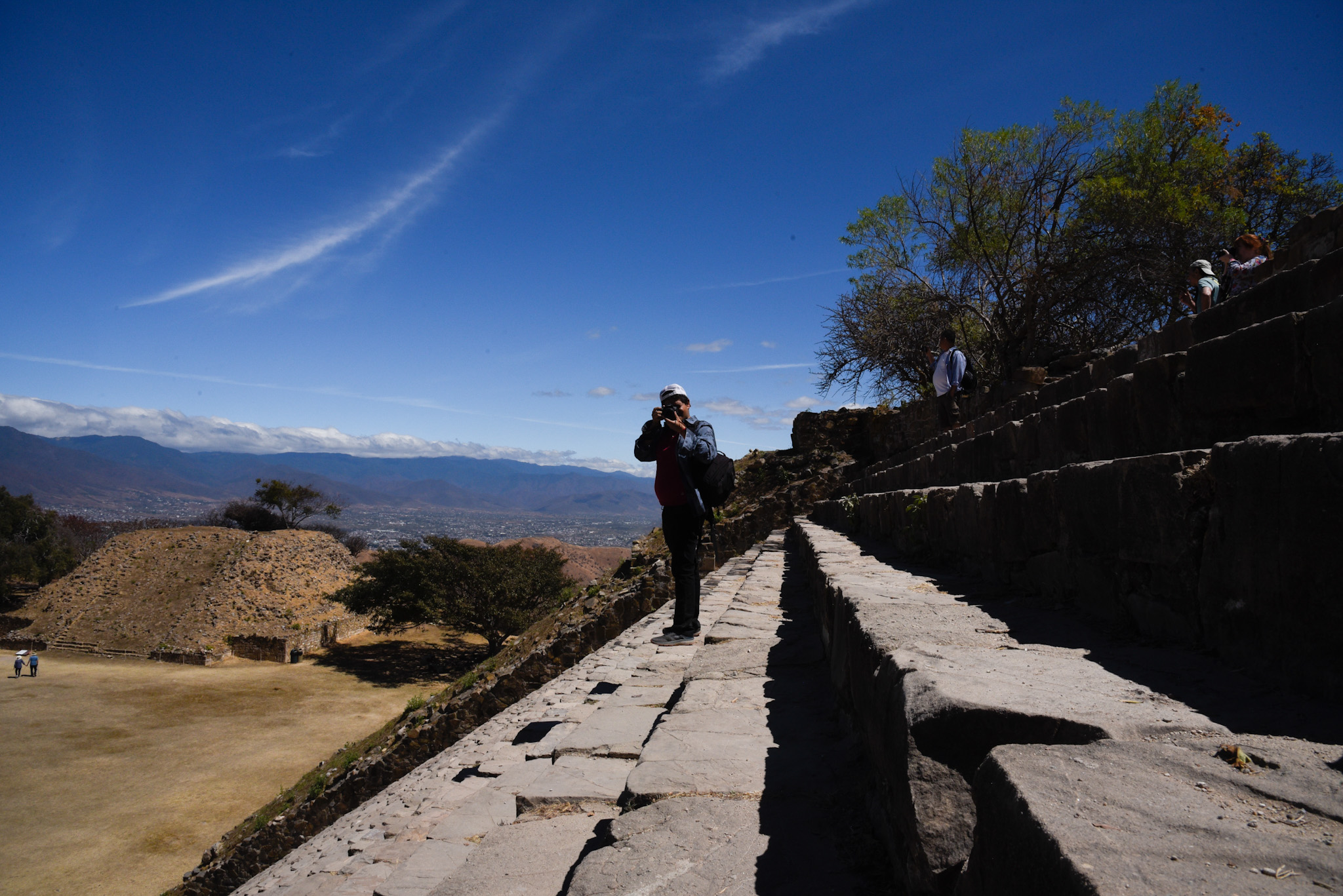
Rafael took a photo of Joanne while Joanne took a photo of Raphael.

Mitch and Rafael overlooking the surrounding countryside.
The agony of defeat. Below are Victory Stele commemorating dominance over the enemies and their castration. Yikes!

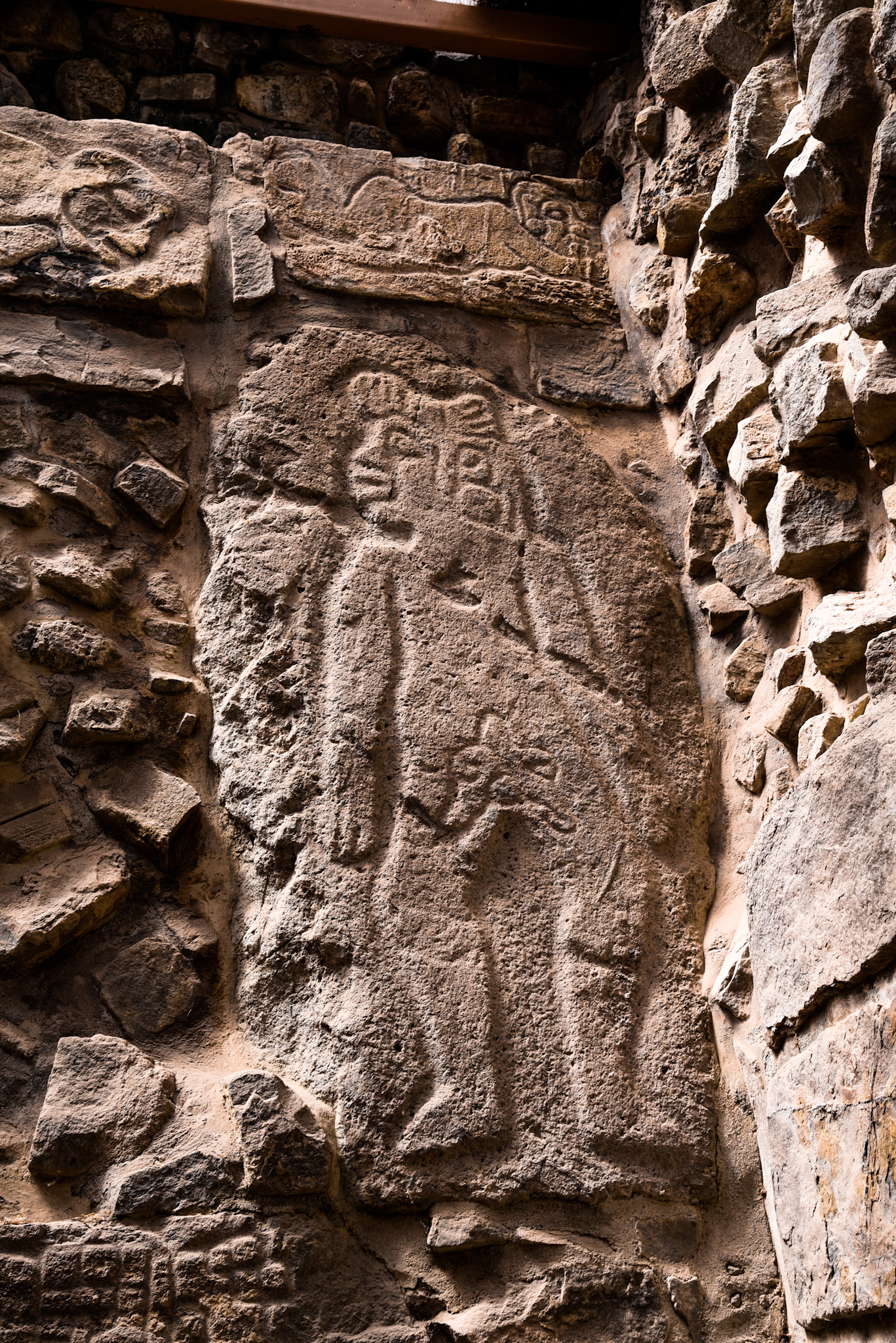
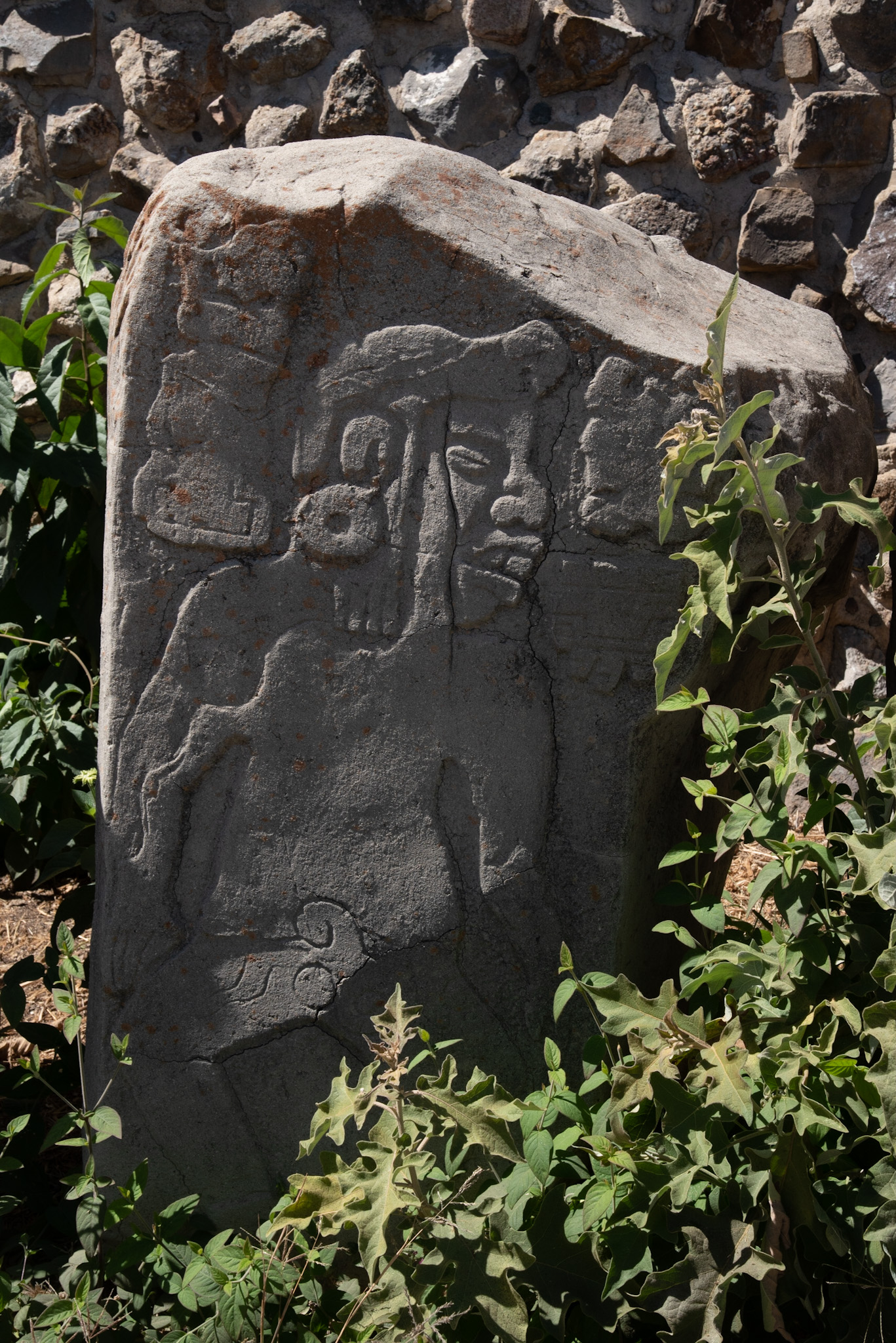
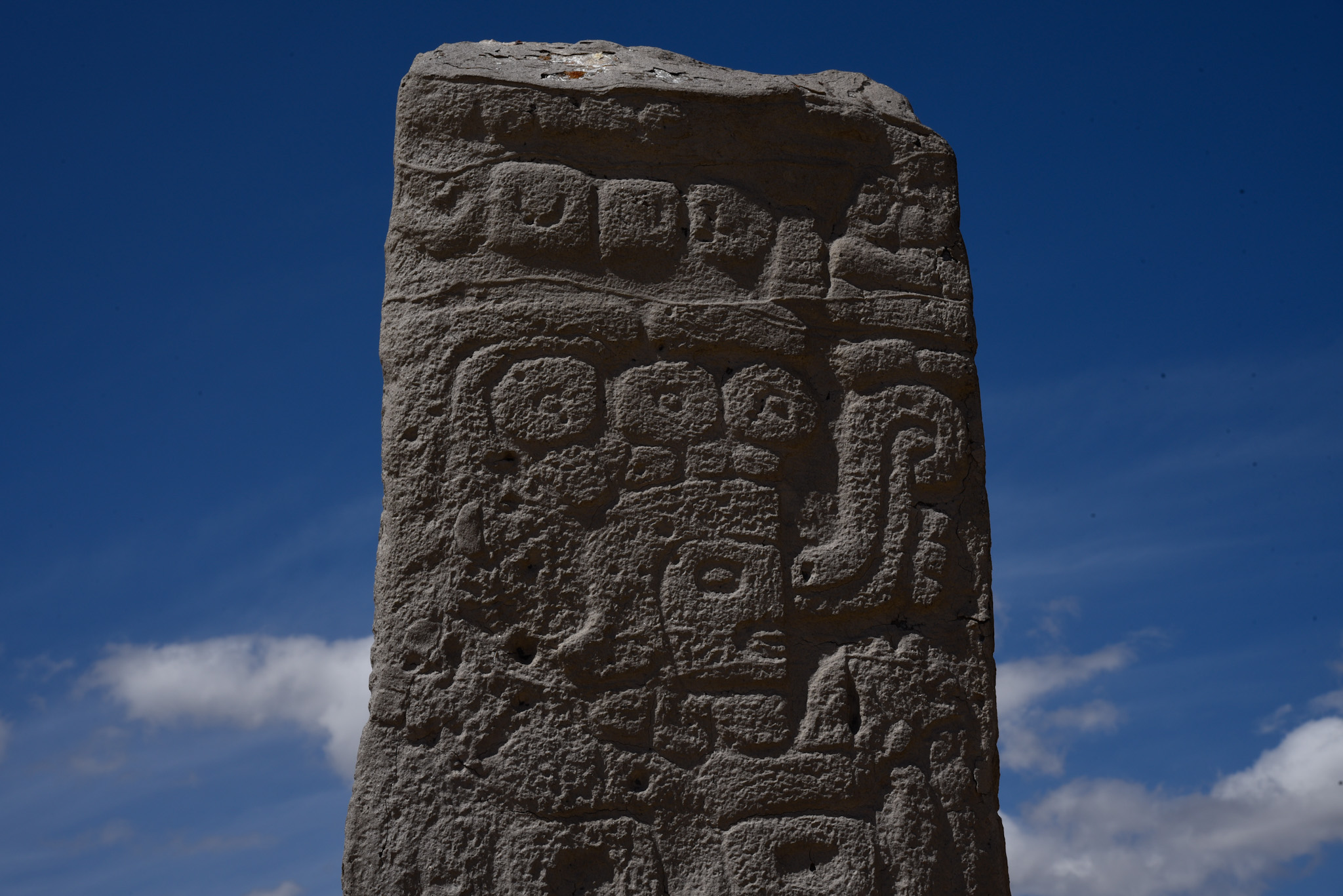
The victor.
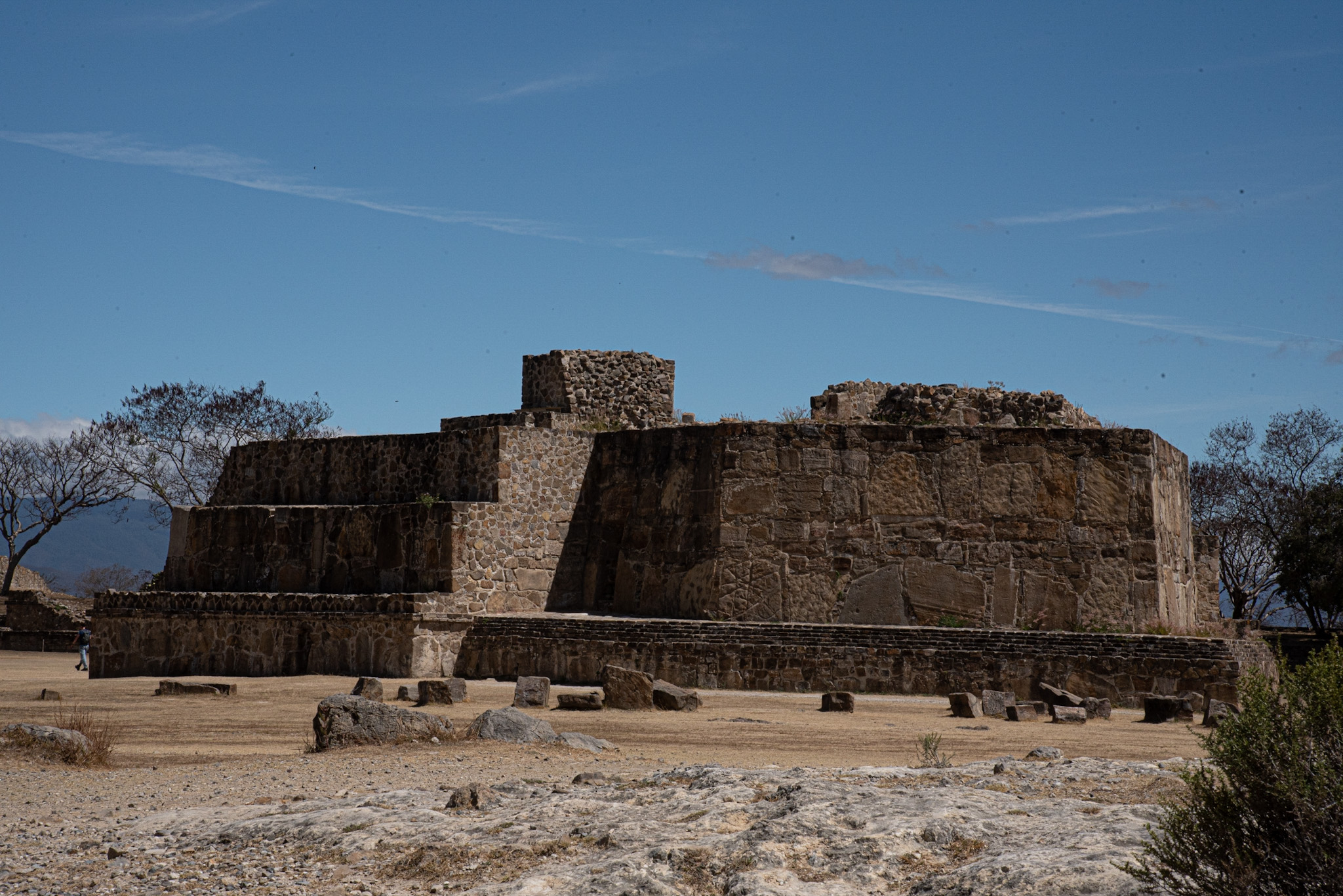
This building shows the sophisticated dressed stonework at Monte Alban.
On to Mitla, the second most important archeological site in Oaxaca. While Monte Alban was the most important politically of the Zapotec centers, Mitla became the main religious one (the name derived from “place of the dead”) and in the later period became dominated by the Mixtec. What is so striking here are the elaborate geometric designs . No other site in Mexico has this decorative work.
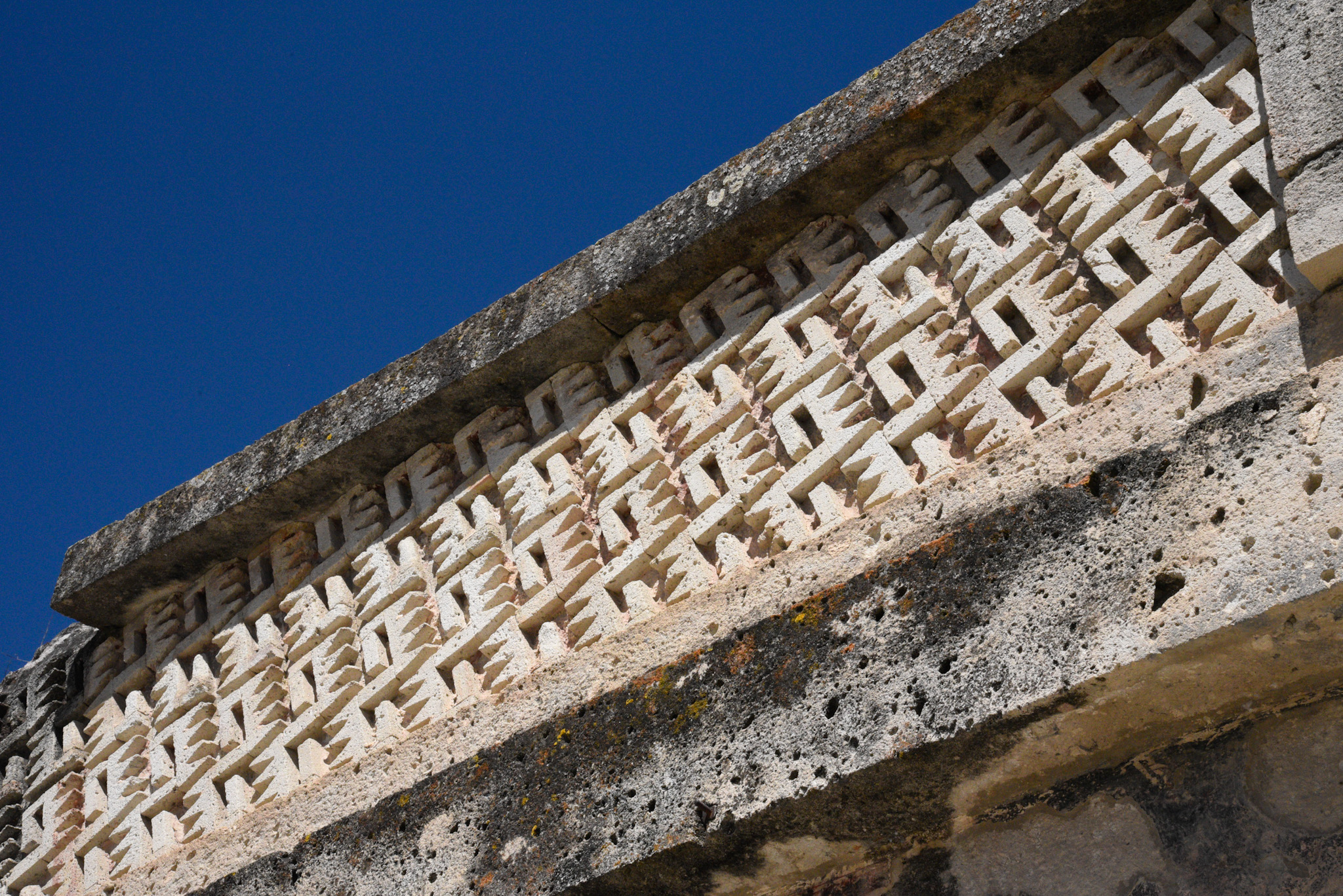
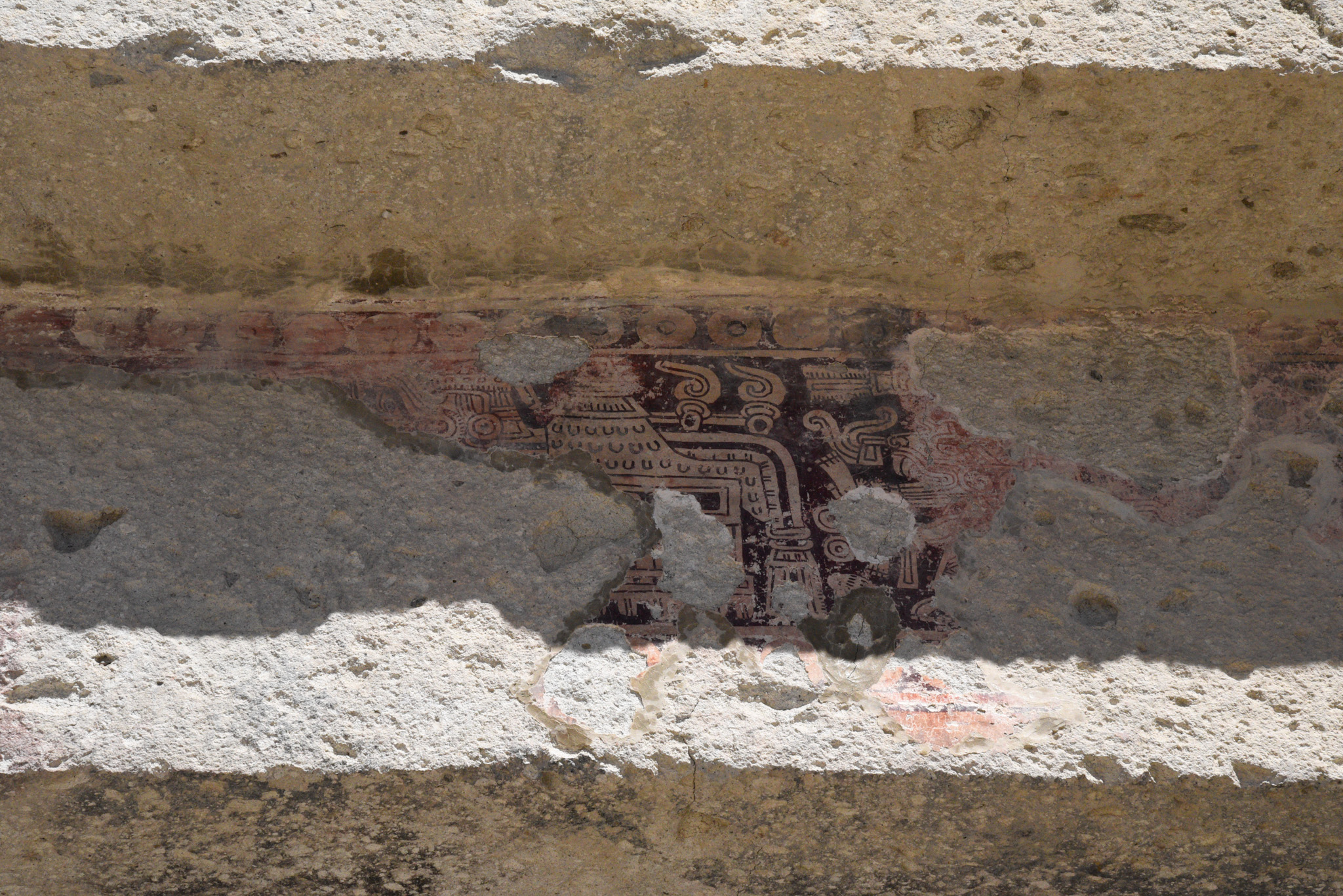
Remnants of painted frescoes show the sophisticated design work.
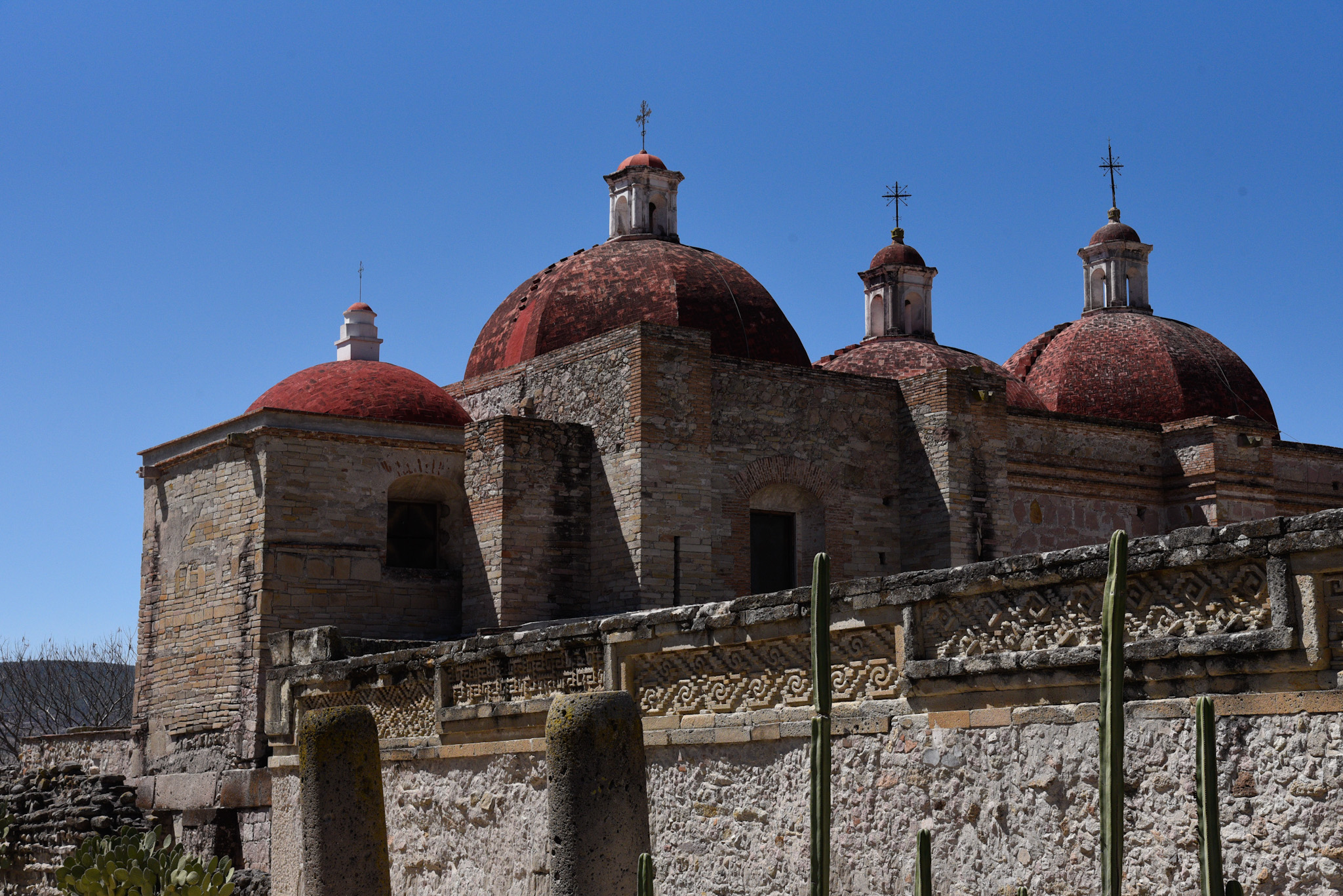
The Spaniards built the Church of San Pablo atop a portion of the site, emphasizing their power.
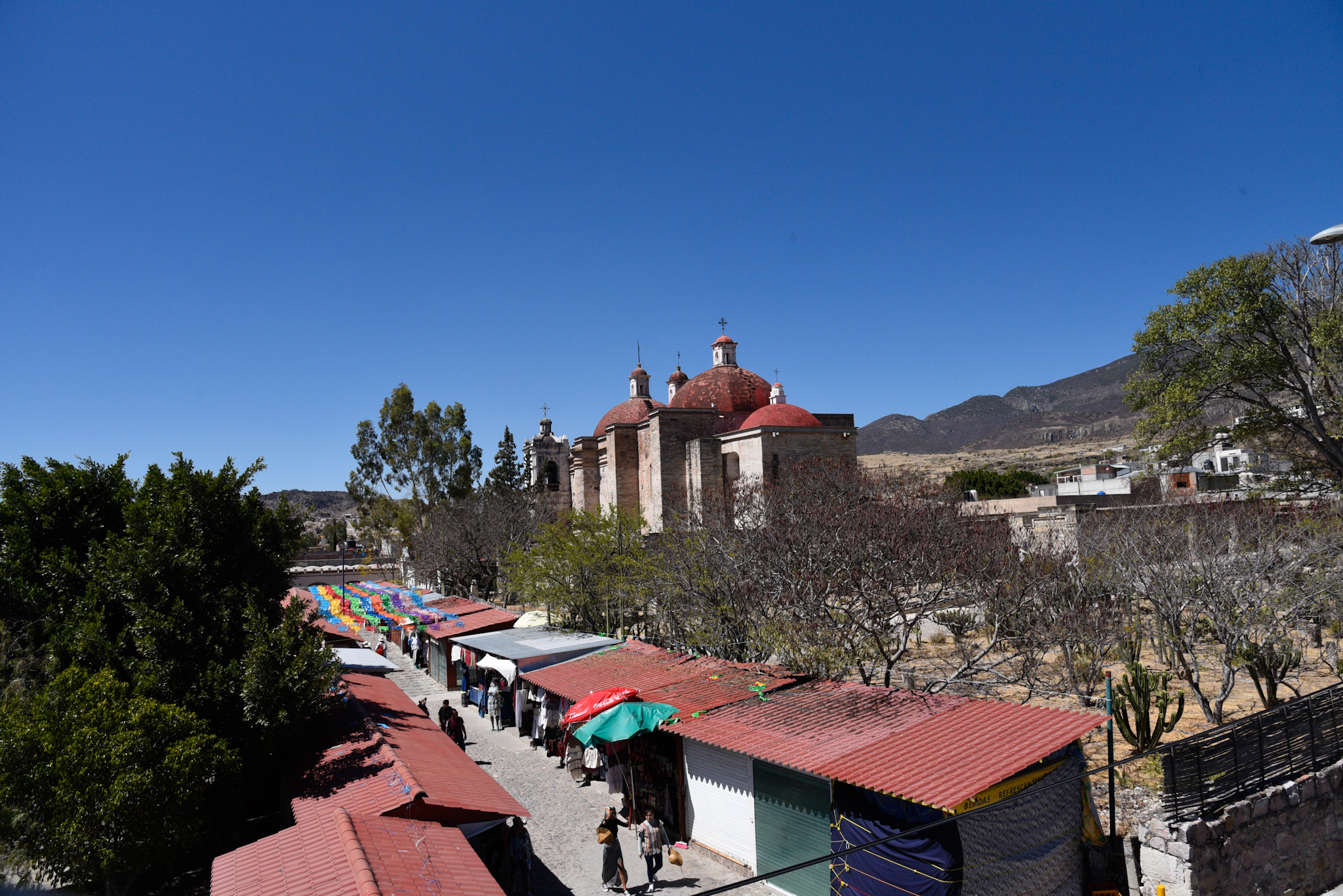
Today, adjacent to the site are numerous vendors who specialize in textiles.
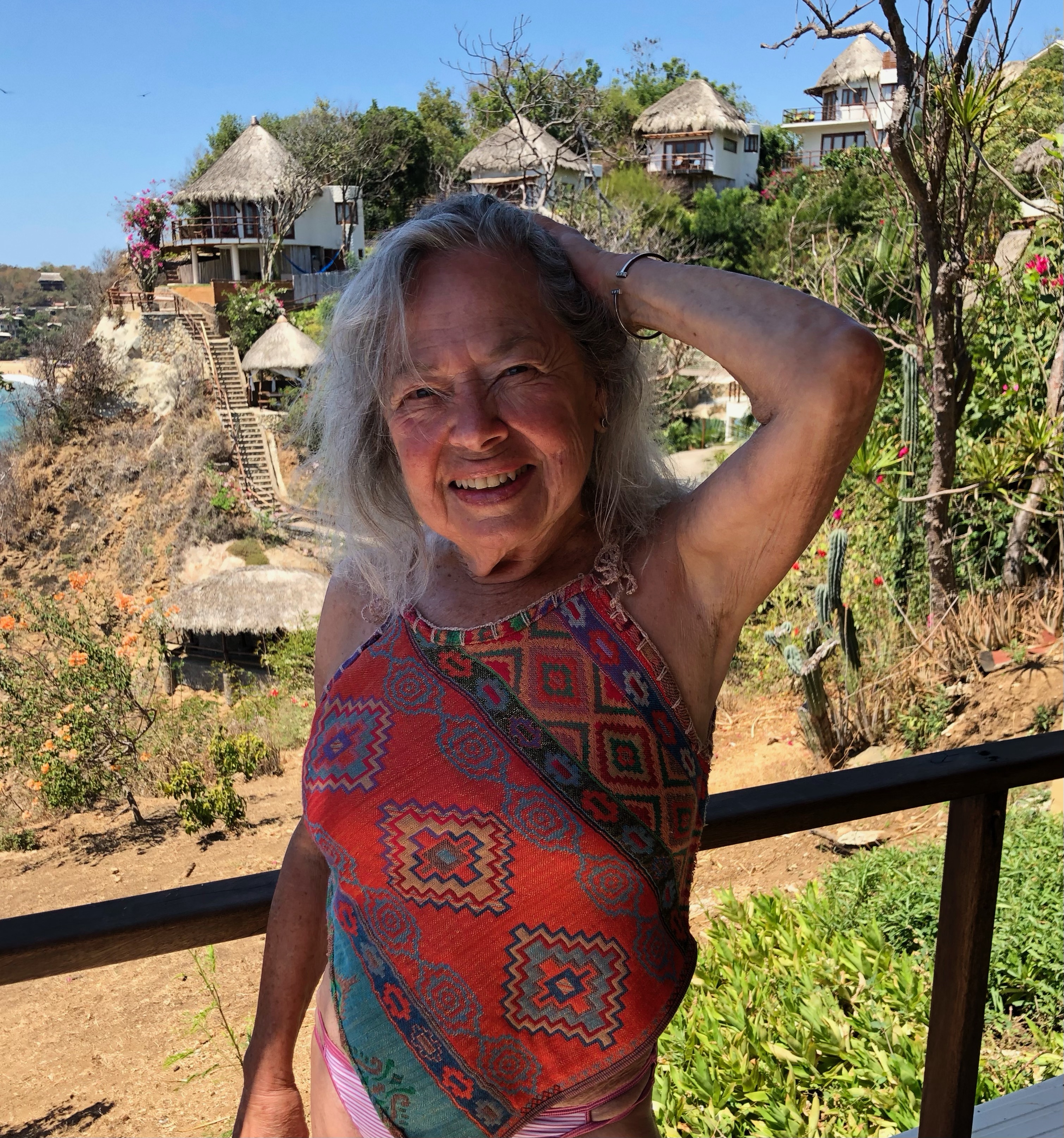
Joanne bought this top at Mitla. This photo, however, was taken in Mazunte, the beach getaway we went to after Oaxaca City.
 westwardhowithapollo
Nice pix, glad your enjoying the trip.Btw where they victorious over Mitch also?
Sent from Yahoo Mail for iPad
A beauty indeed
Sent from the all new AOL app for iOS
so glad you’re there
i loved it
A.L. Bardach BardachReports.com 805.684.7675 off 805.895.6919 cell
>