
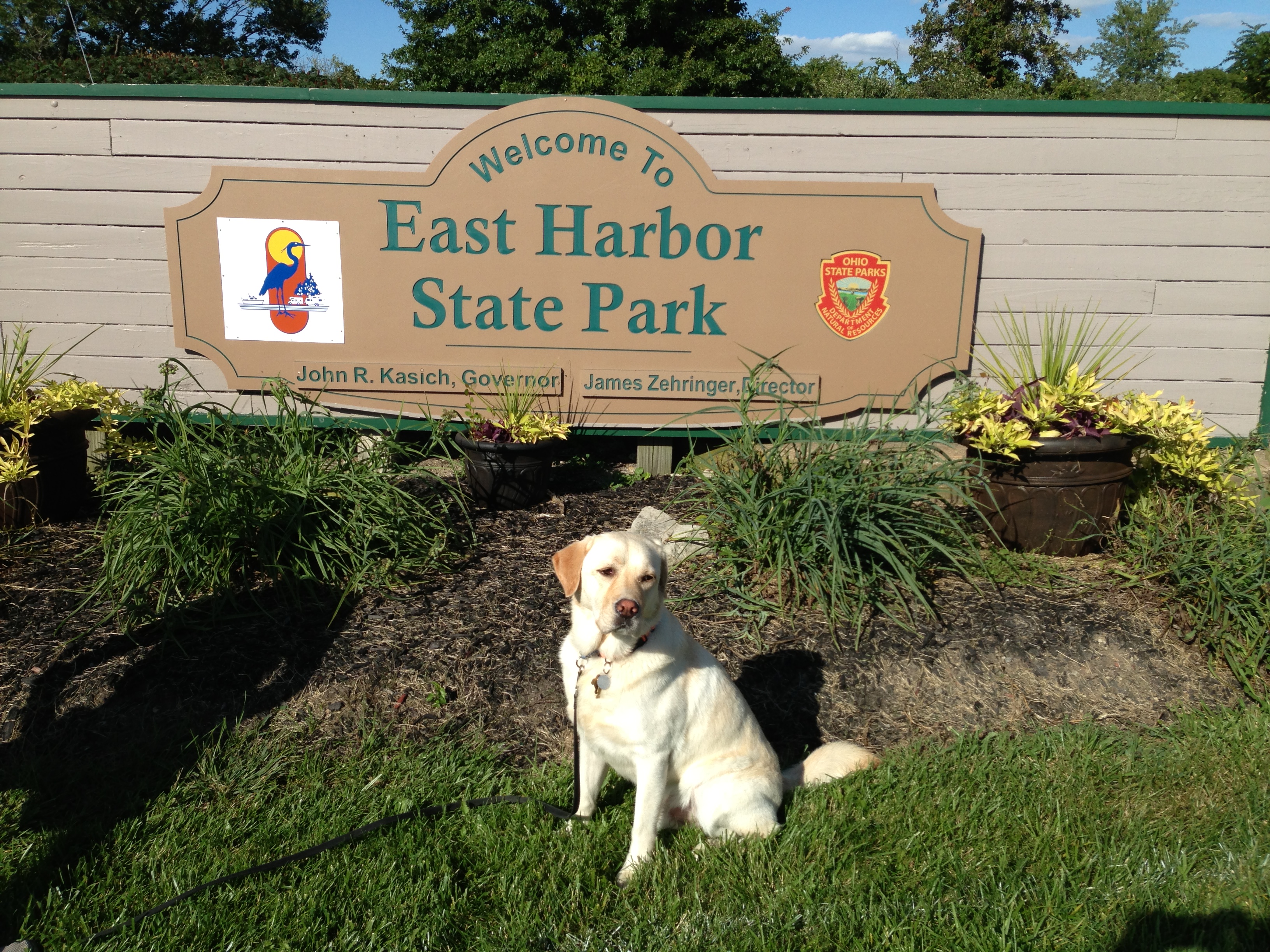
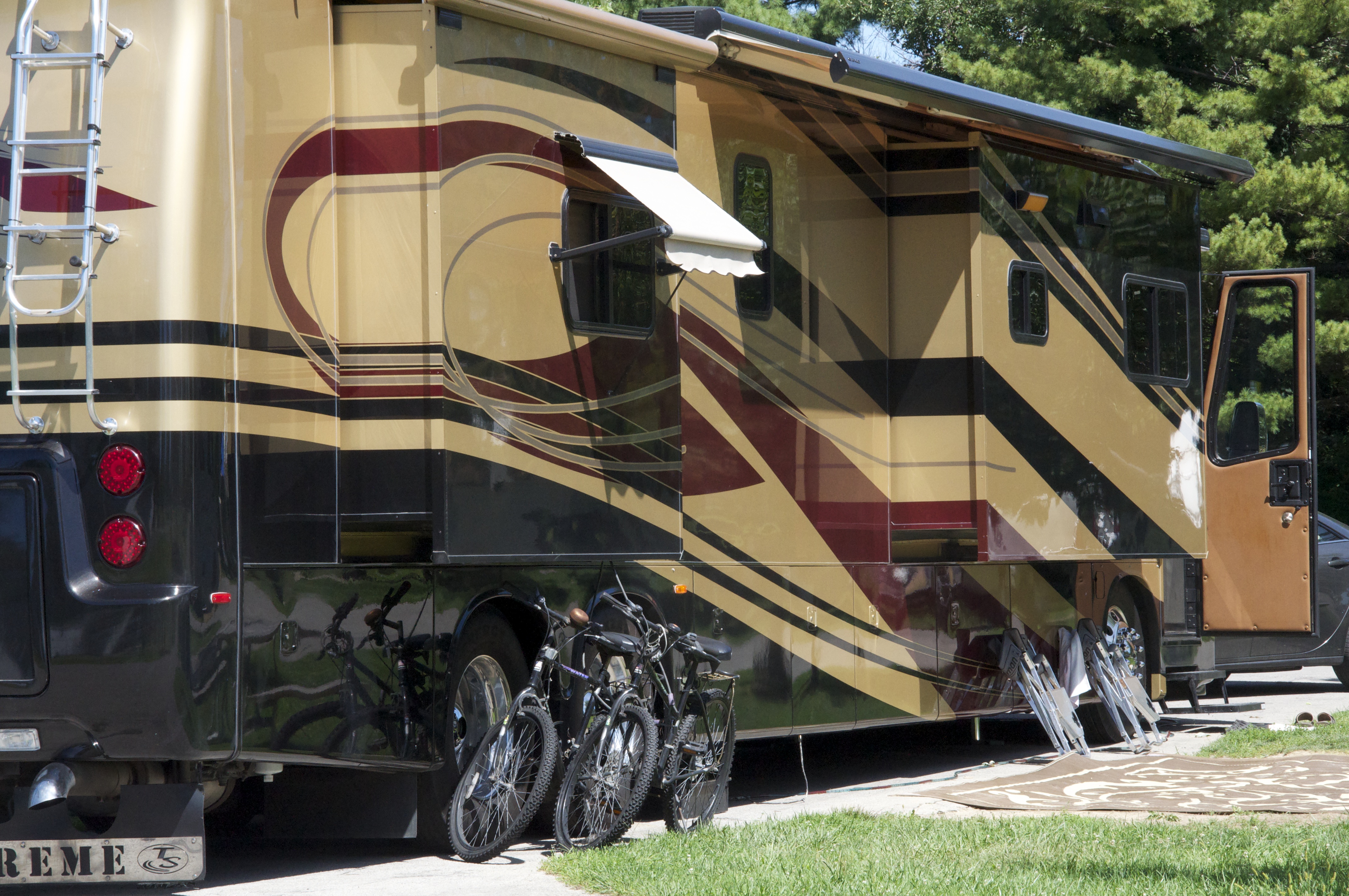
 We arrived at East Harbor State Park in the early afternoon of Sept. 5th. The park is located on the Lakeside-Marblehead Peninsula on the shore of Lake Erie in Ohio. The shore area of the park faces Kelley’s Island which can be accessed by ferry. The area is a mecca for sports fisherman whose catch is primarily yellow perch and walleye. The park emptied out after Labor Day but many who were there trailered in their boats. There was still a hard core group at the park who were members of the Family Motor Home Association. They often had mammoth RV’s with license plates from Florida to Arizona, equipped for lengthy stays.
After setting up camp we stretched our legs with a long walk along the shore line. The area contains some of the last remaining wetlands in Ohio, being restored after 150 years of industrial abuse. We were warned by our friend Howie Horowitz that it could be “buggy” and he was right on! That being said the park is beautiful and well maintained. The Lockwoods, who were the previous owners of the land, farmed some of the 1800 acres and had scores of orchard groves. We enjoyed picking ripe pears that still grow on the carefully tended landscape. On the grave stone of Ms. Lockwood was written “She hath done what she could.” We mused on the meaning of this message. Biting into one of the pears, Joanne felt like Eve.
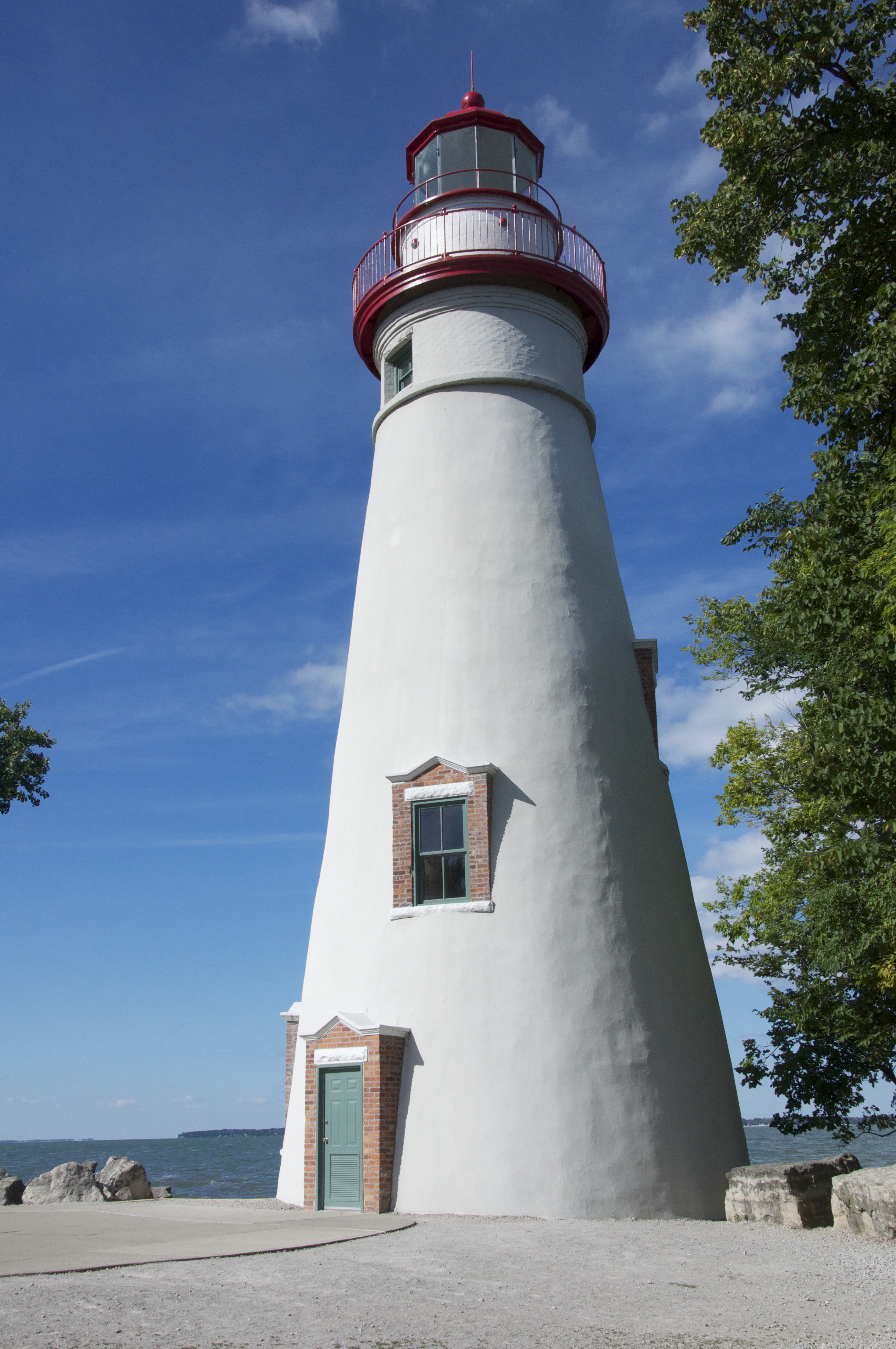
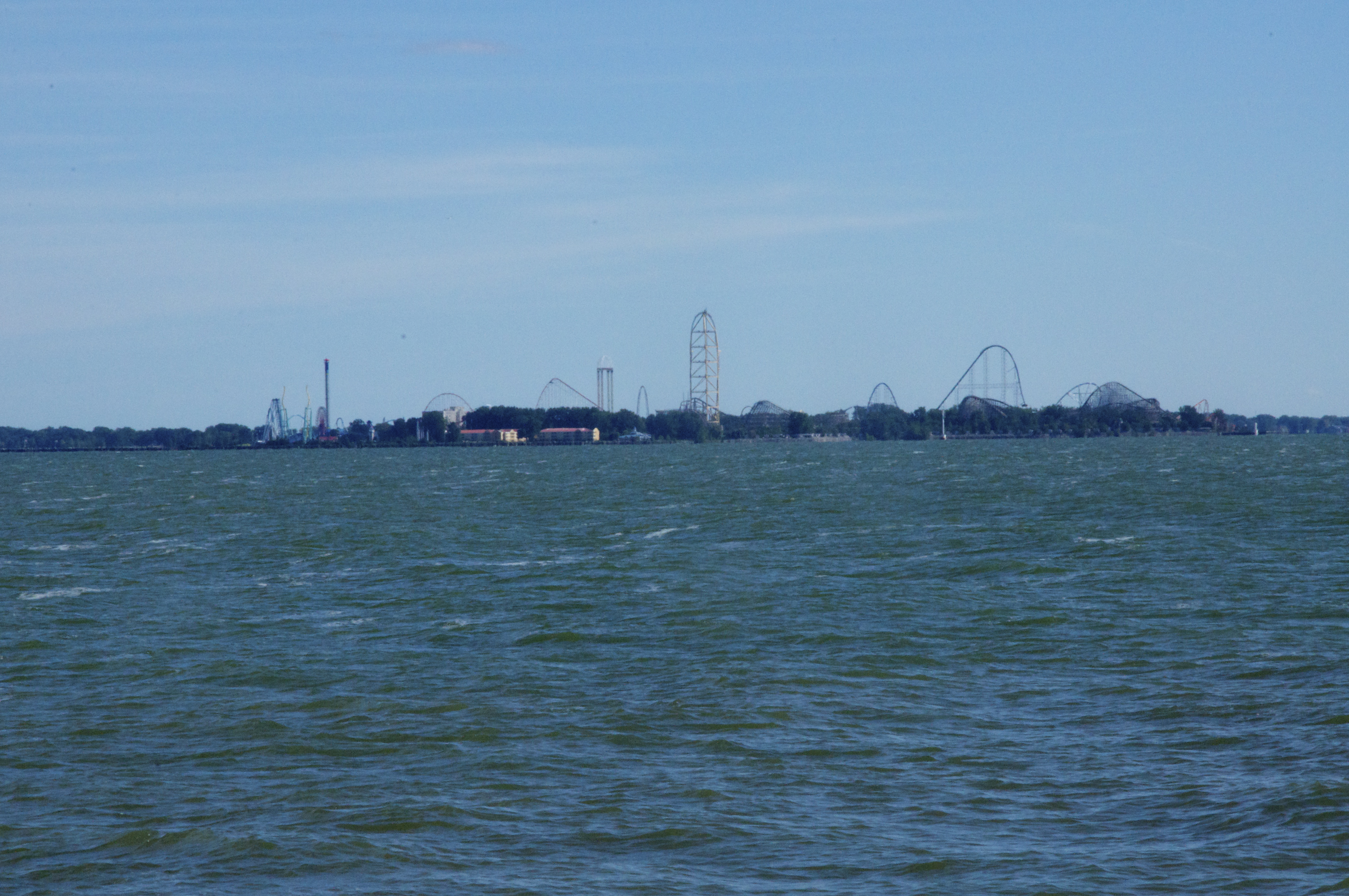
The next day we went to the Marblehead Lighthouse which was built in 1821, nine years after the War of 1812. The key naval battles of that war were fought on Lake Erie where Commodore O.H. Perry defeated the British fleet. Following the war, the Lake became a major transportation hub for American manufacturing in the Lake Erie region. Today from the park’s shoreline one can see the famous Cedar Point Amusement Park on Sandusky Bay. Even from a few miles’ distance the roller coaster looked quite daunting.
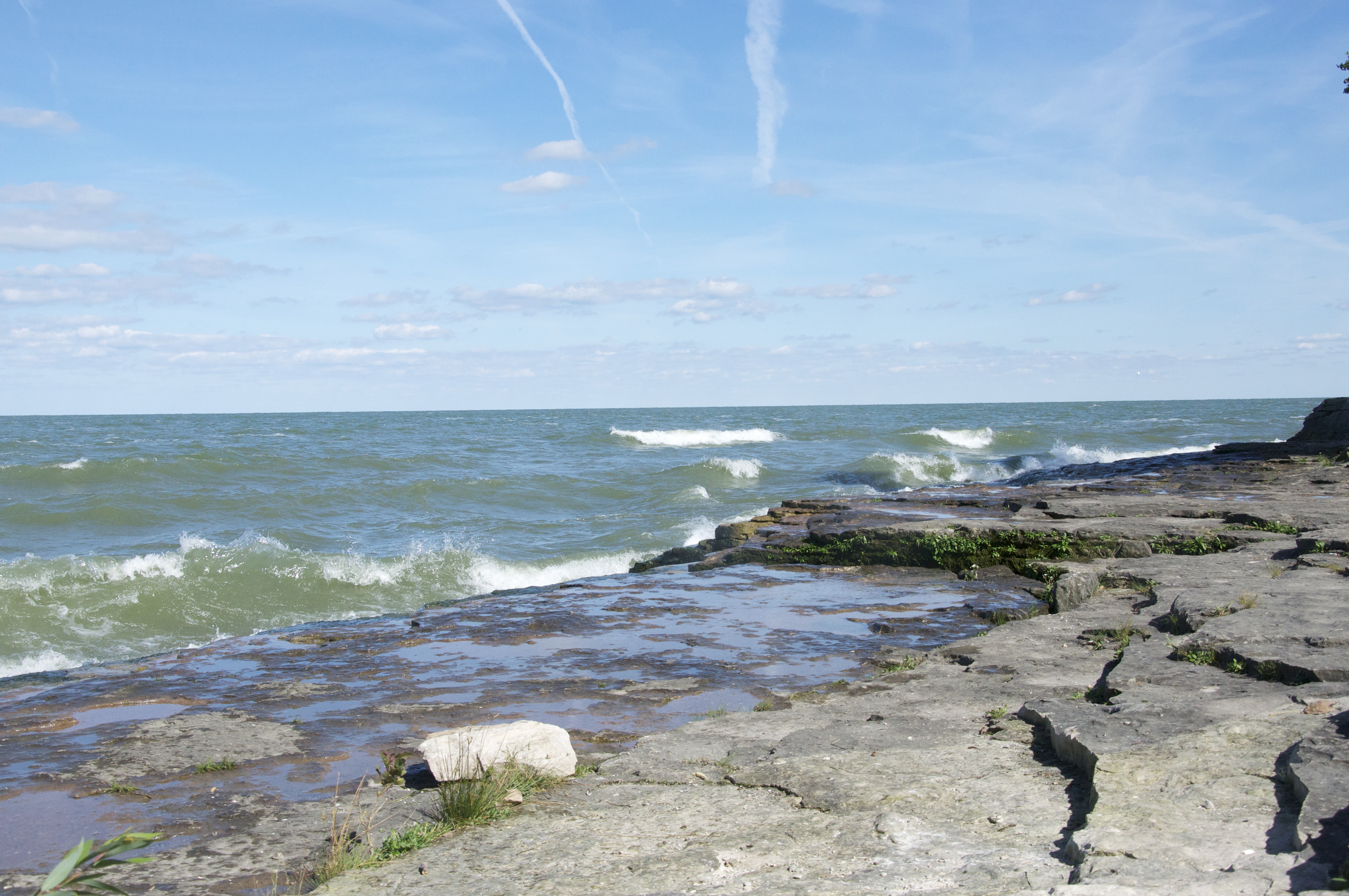
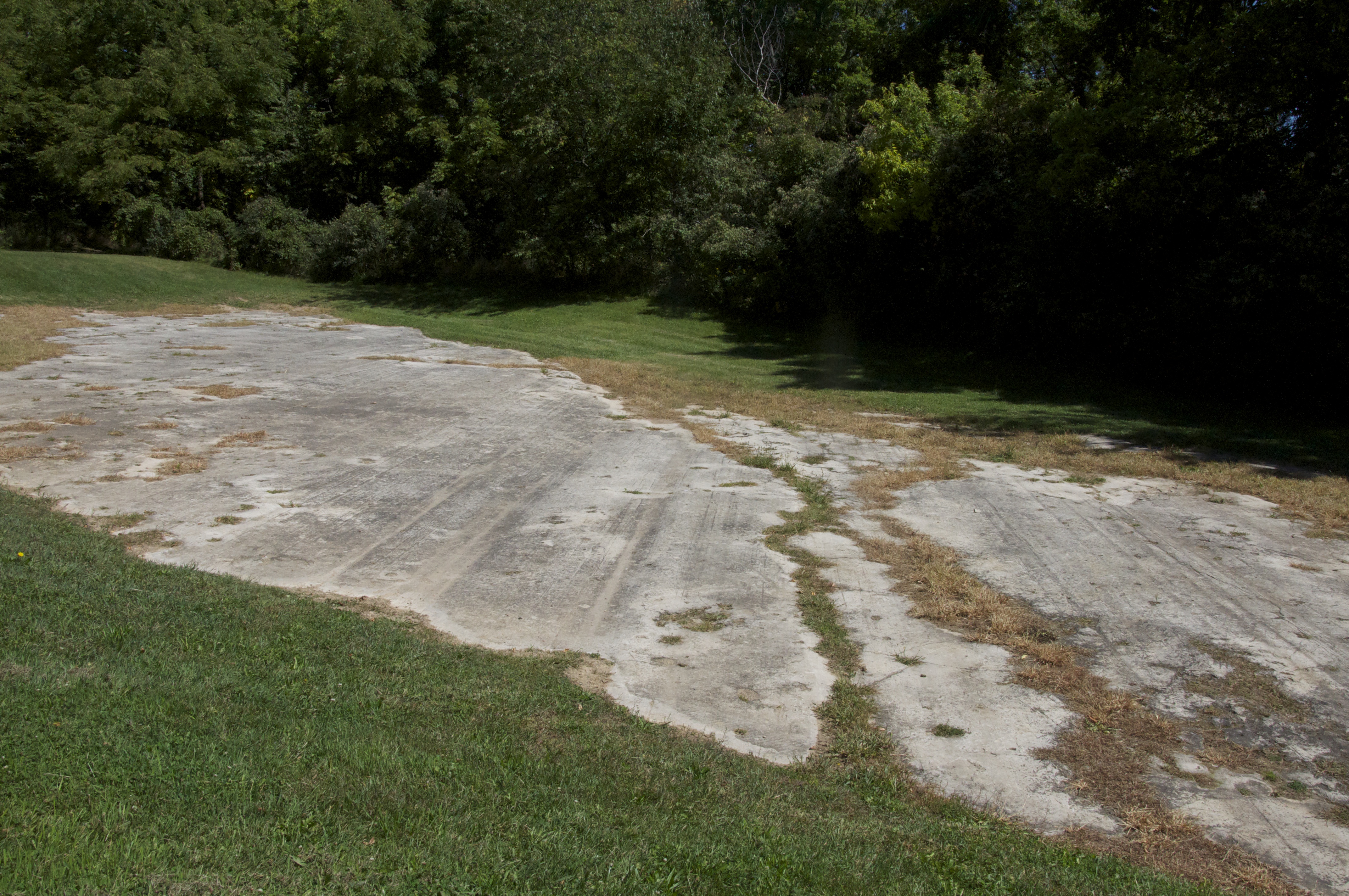
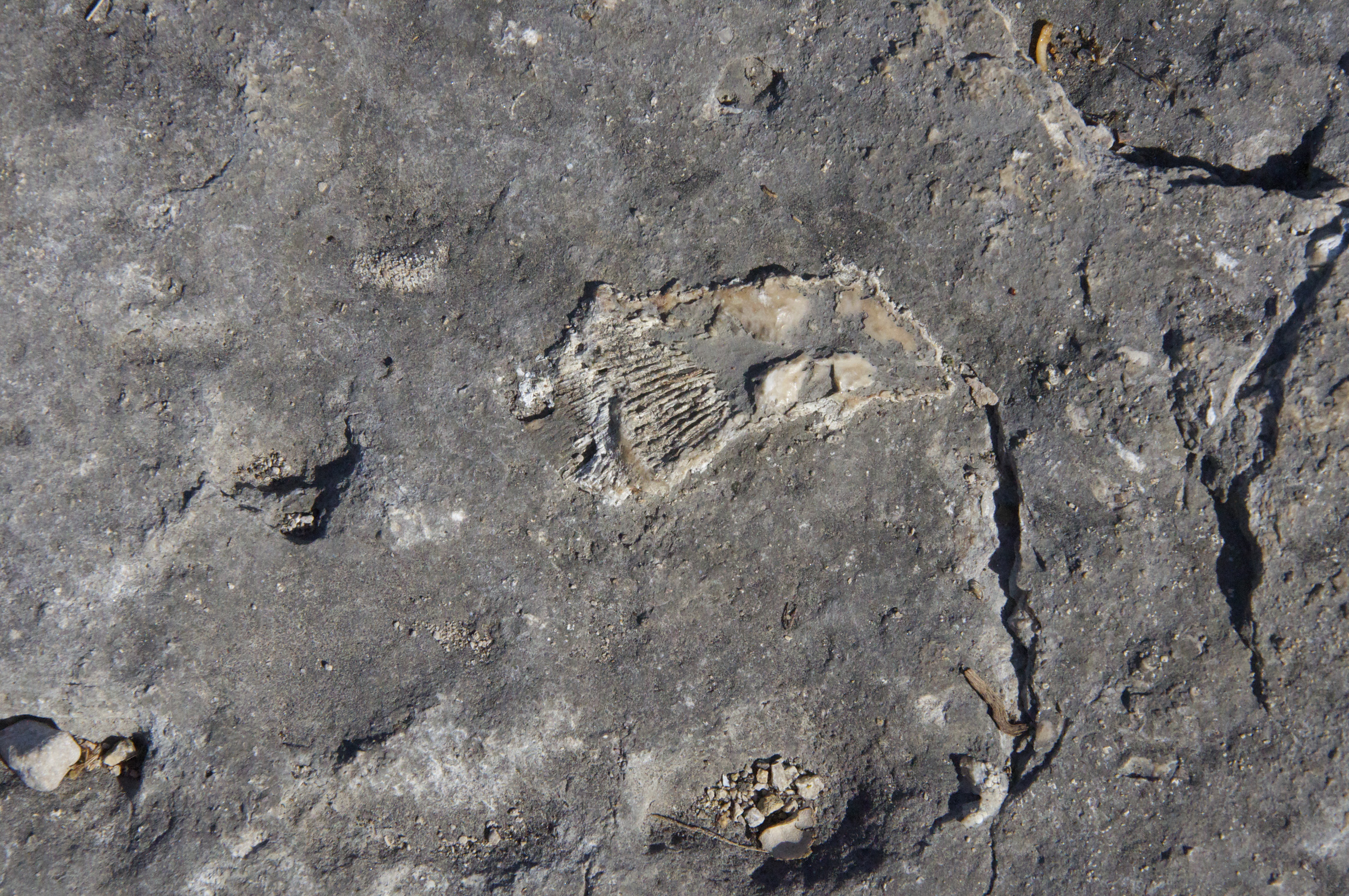
But Lake Erie’s history began millions of years before we got there. The lake was created when the glaciers carved out deep areas of the limestone bedrock. You can still see excellent examples of glacial grooves. These deep grooves and markings were caused as the heavy glacial wall, which had rocks and boulders embedded in its base, moved south carving out the soft limestone. You can also see very visible fossils in the grooves.
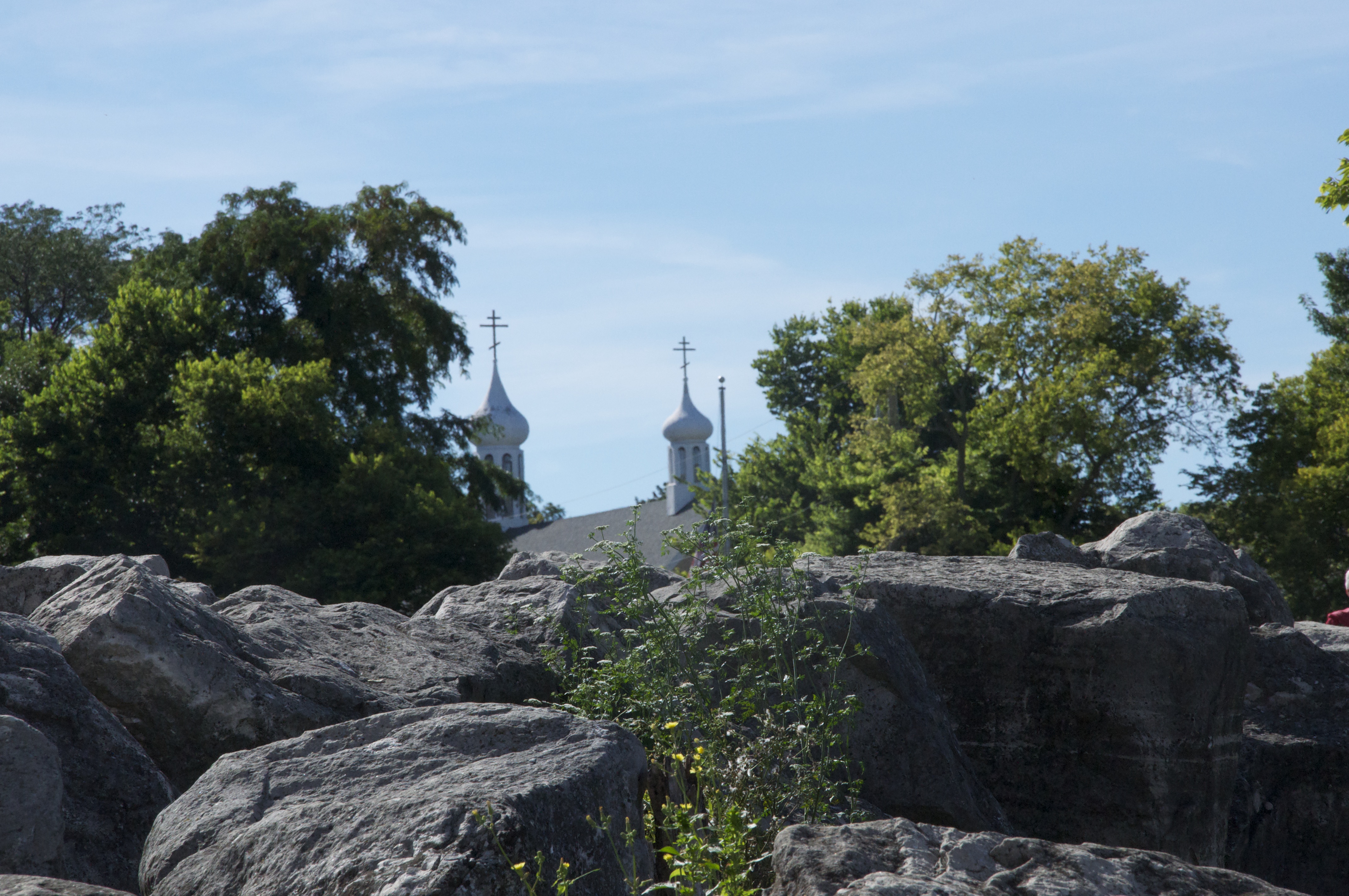
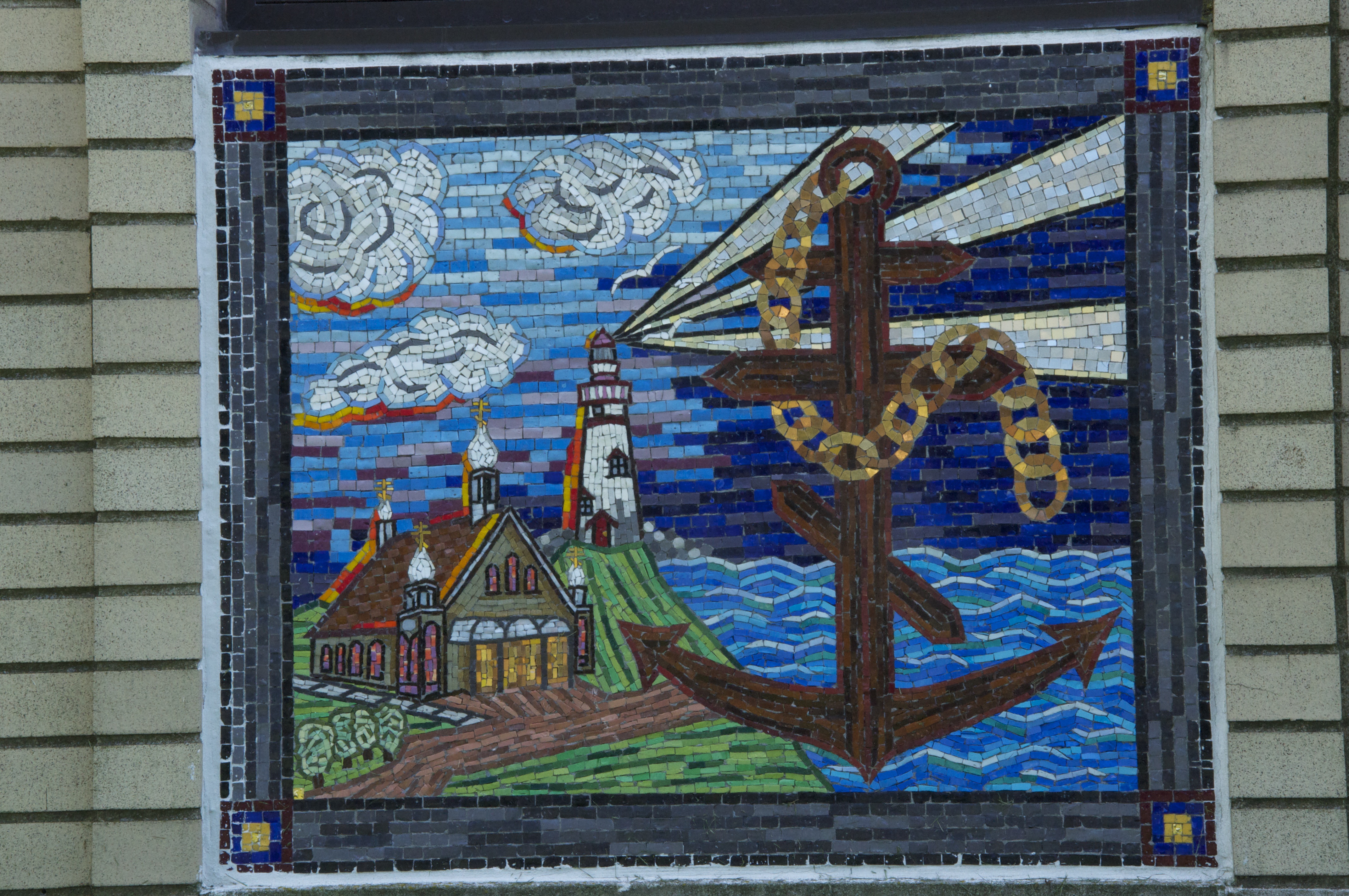
Near the Lighthouse is St. Mary’s Byzantine Catholic Church, which caught our eye for its beautiful setting on the lake as well as lovely mosaics that adorn the church’s facade.
Our dinner that night consisted of Joanne’s revisited meatballs and tomato sauce and Anthony’s (Ringwood Farmers Market) artichoke and asiago ravioli… this time cooked the old fashioned way on our gas stovetop which was now working…after Mitch gently tapped areas around the propane tank valves with a hammer. We learned this might be the solution from a quick online search.


You must be logged in to post a comment.