
Halong Bay is a UESCO World Heritage Site in the Gulf of Tonkin near the Chinese border. Ha Long, which means “Descending Dragon,” is made up of over 1600 mostly uninhabited pristine limestone pillars and islands. The average humidity in the Bay is 84%. It didn’t rain when we were there but it was overcast, shrouding everything in a mysterious fog.


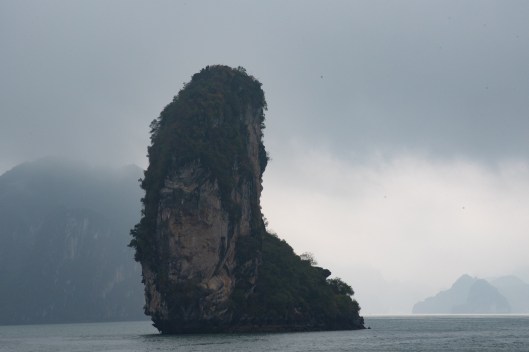
For centuries, Halong Bay has inspired poets and painters with its etherial beauty and quiet magnificence. Today Ha Long Bay is in need of protection from a booming tourist trade with its associated garbage and sewage; from oil spills; from game fishing near coral reefs, and from dredging for larger ship access.
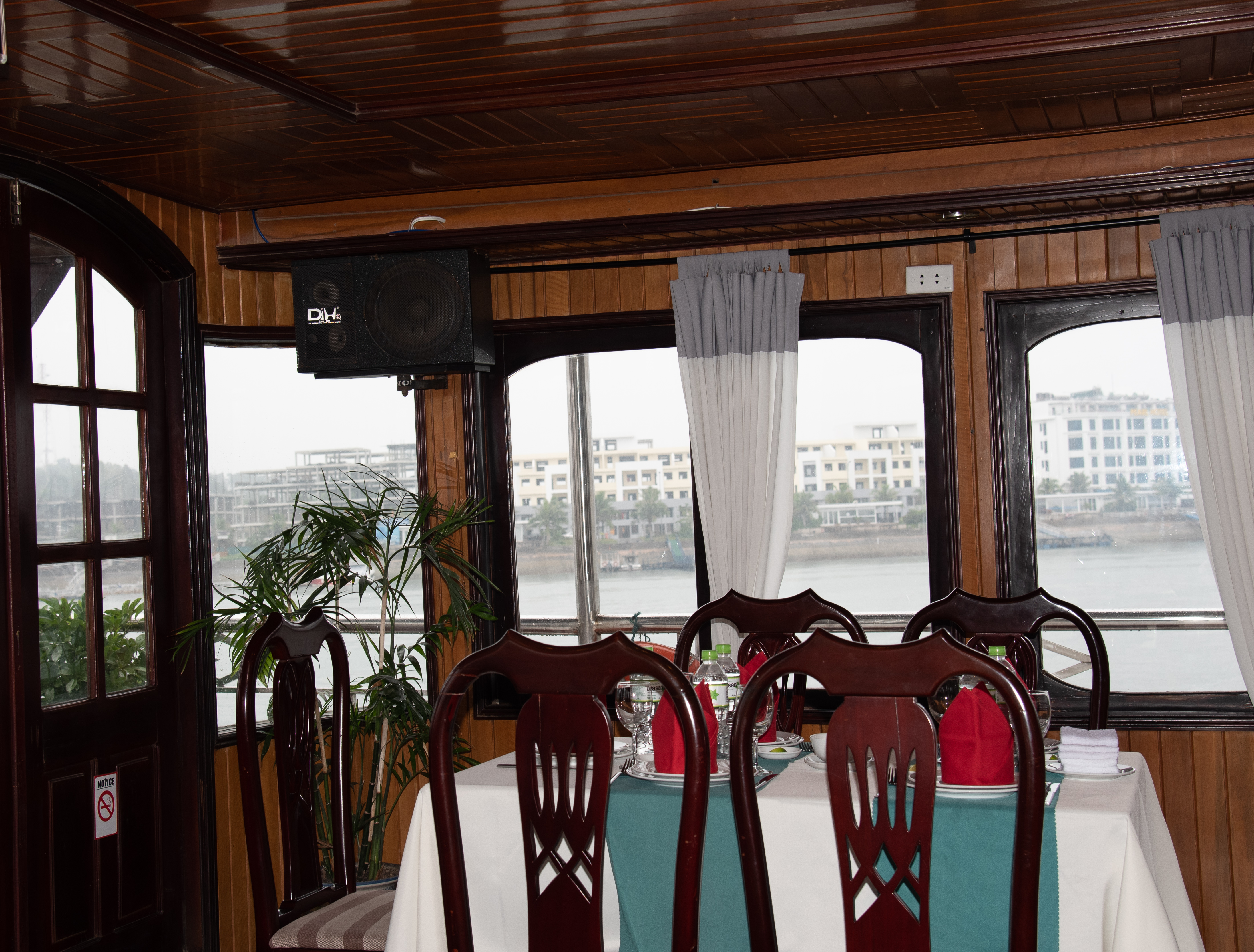
We spent the night on a traditional Vietnamese junk boat.
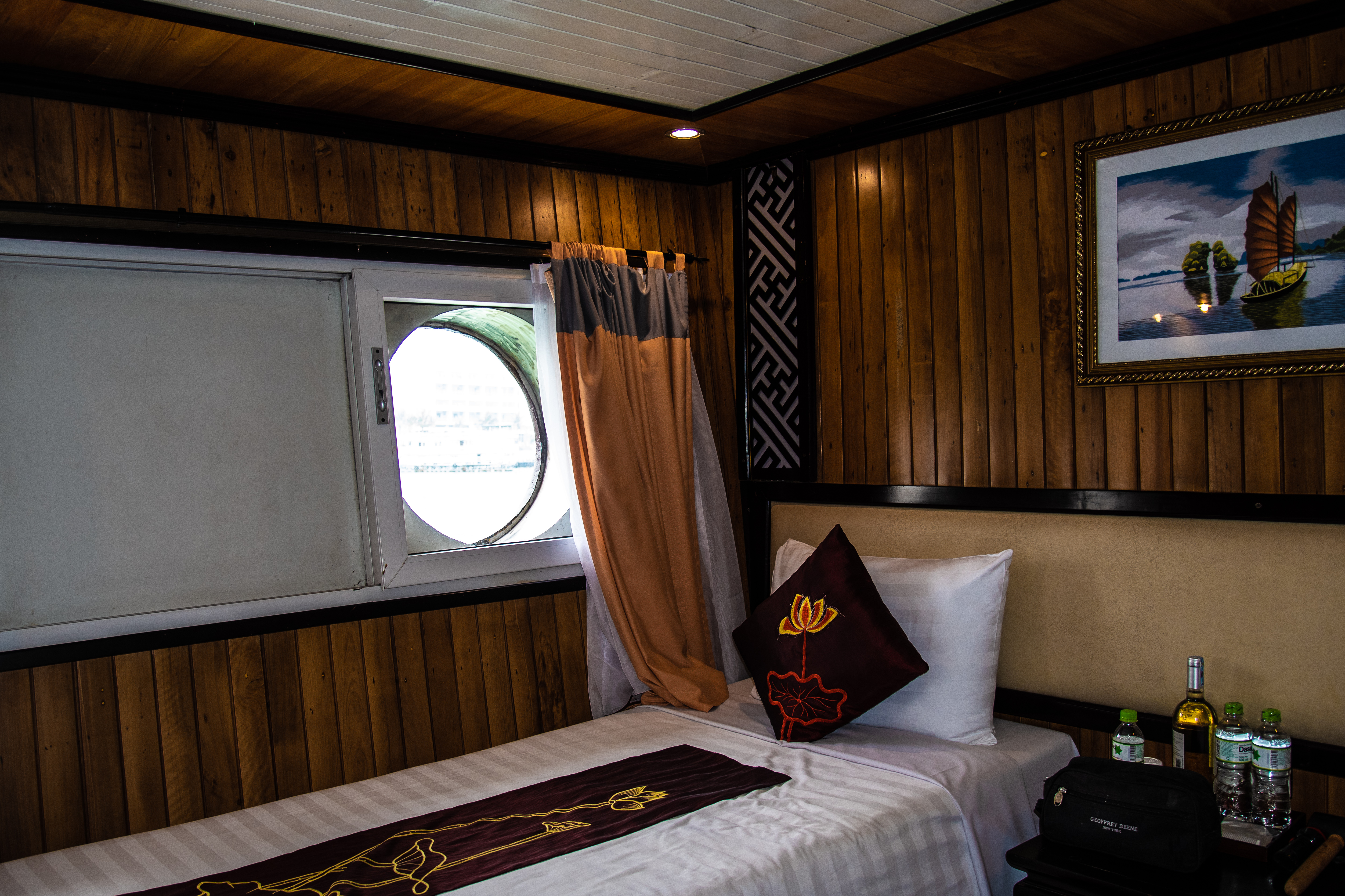
Our cabin was nicely appointed and comfortable.
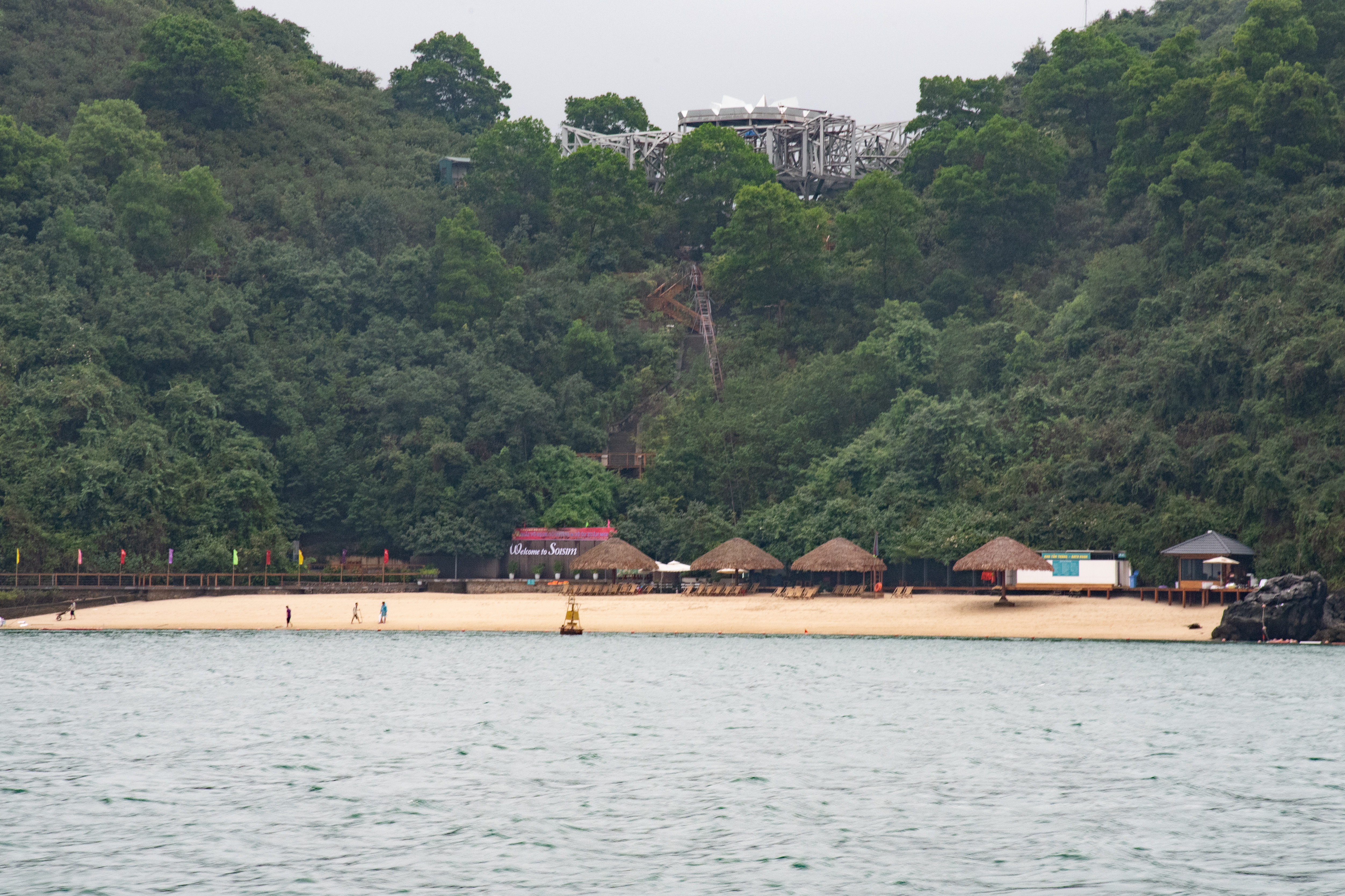
Cat Ba is the largest island in the Bay and approximately half of its area is covered by a National Park, including the Cat Ba Biosphere Reserve. The monitoring station is seen above. Home to the endangered Cat Ba langur, the island has an incredible high rate of biodiversity. Cat Ba Island is one of the only populated islands in Ha Long Bay, with roughly 13,000 inhabitants living in six different communes, and 4,000 more inhabitants living on floating fishing villages off the coast.

Our destination was the Hang Sung Sot or Cave of Surprises. A climb up steep flights of stairs took us to the cave opening.
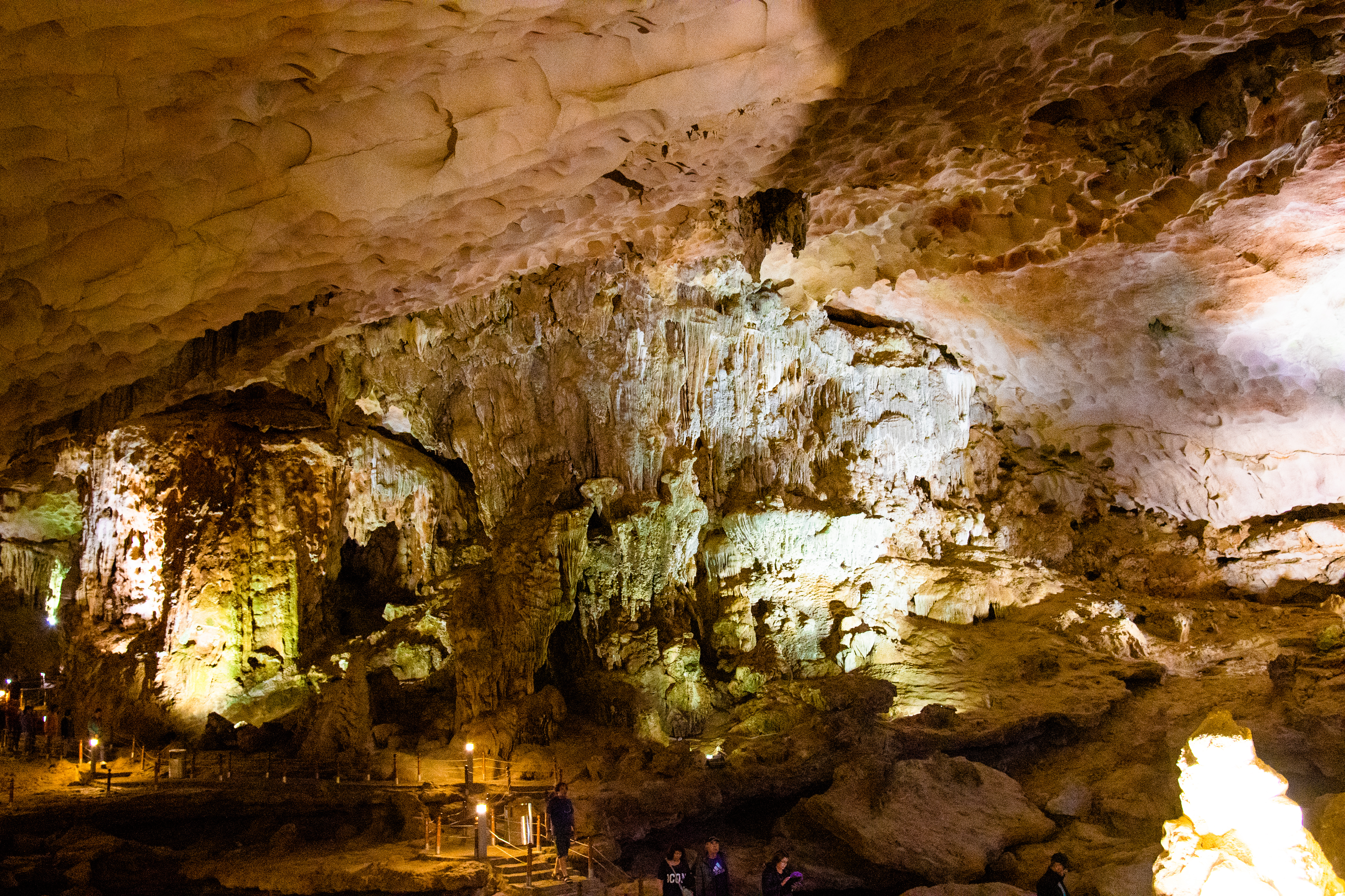
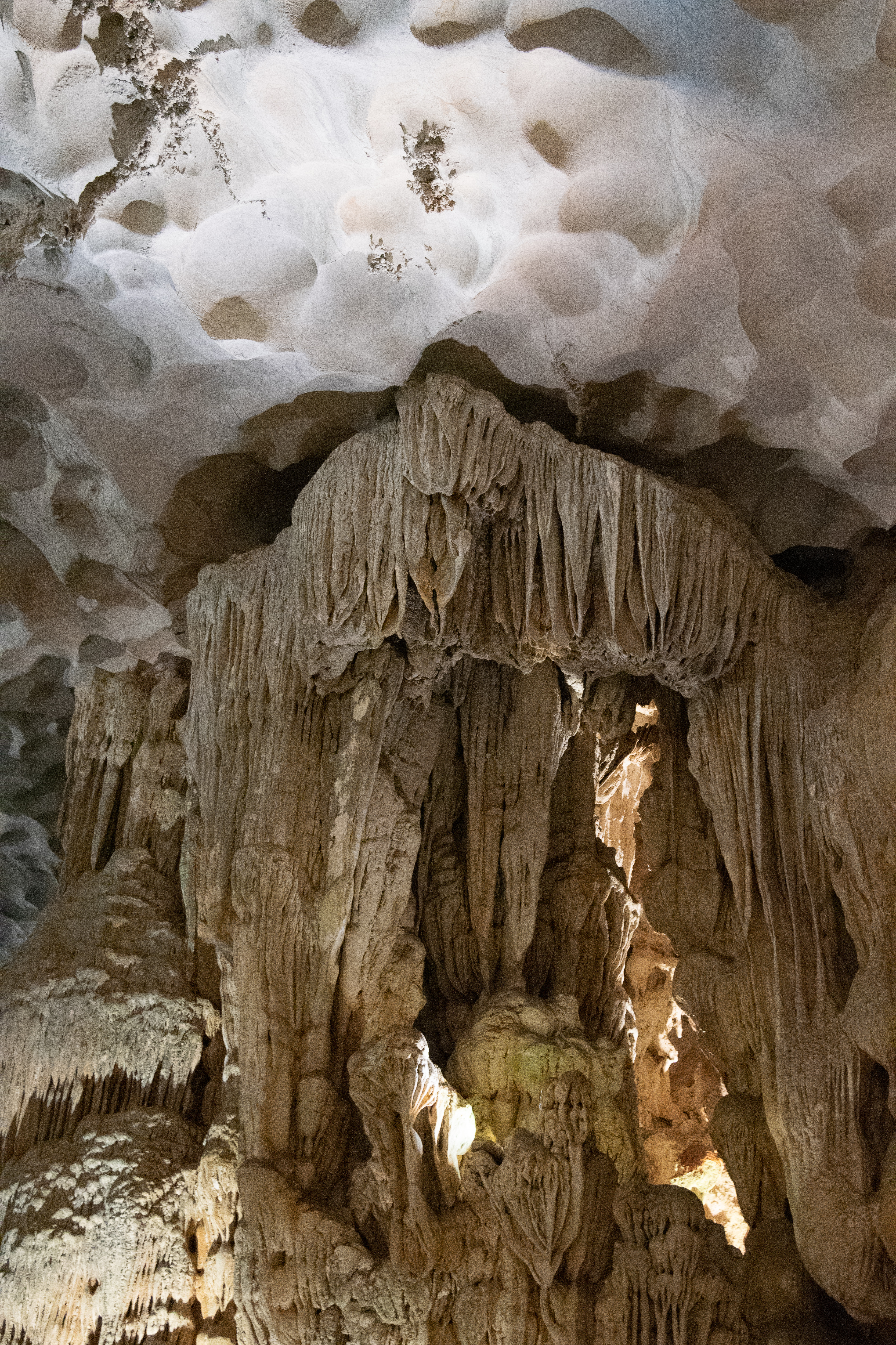
The cave, said to have been discovered by the French in 1901, covers 10,000 square meters and is about 30 meters high. The interior is separated into 2 caverns, the first of which is a small amphitheater type of space connected by a small passageway to the larger cavern next door.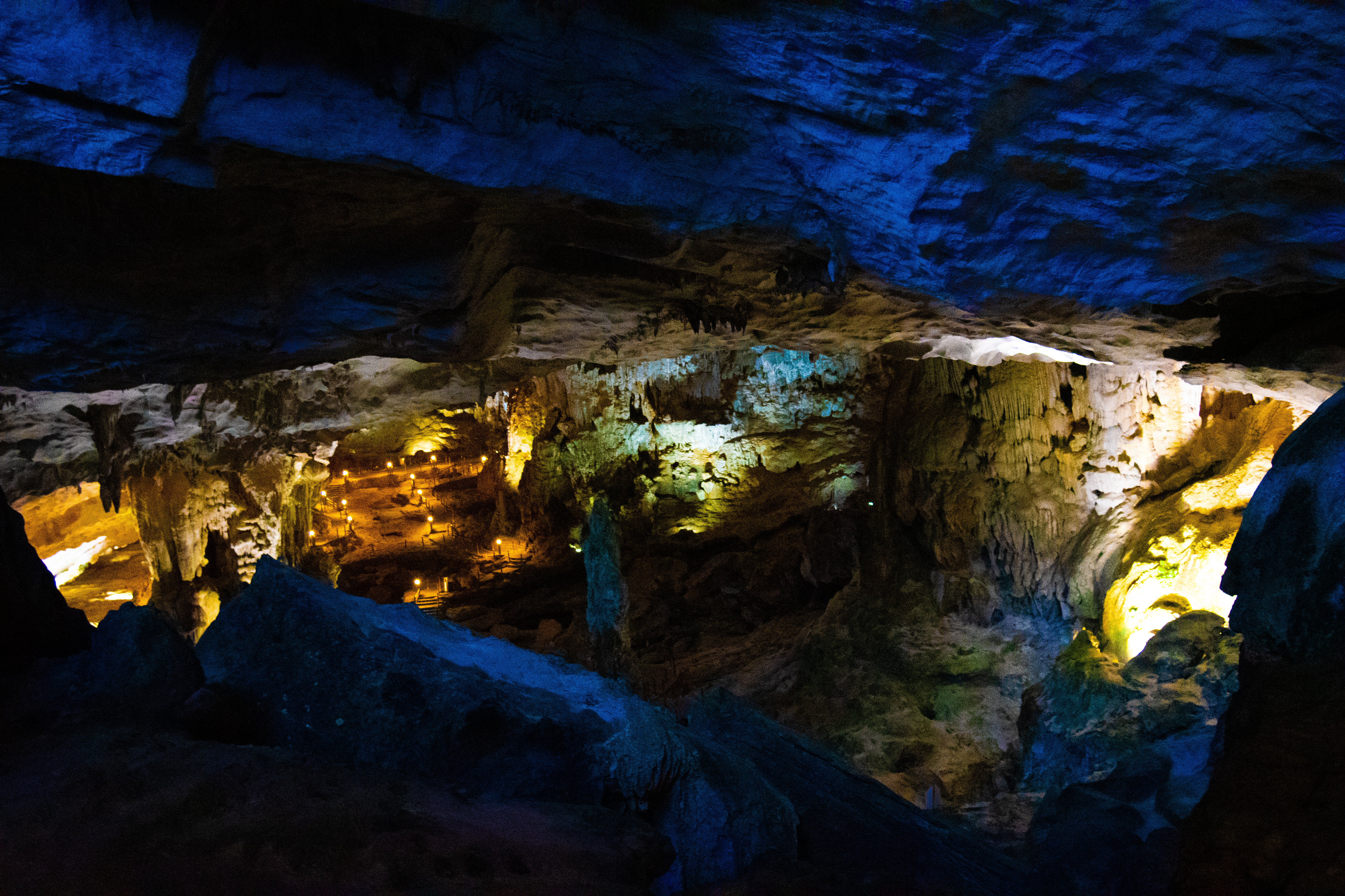
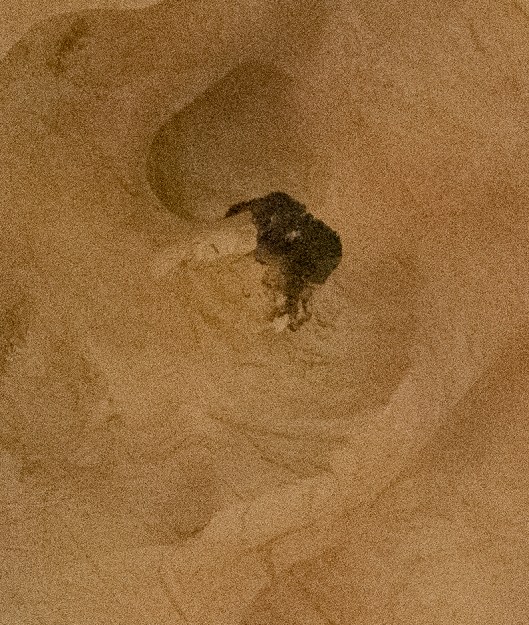
Hanging bats greeted us.
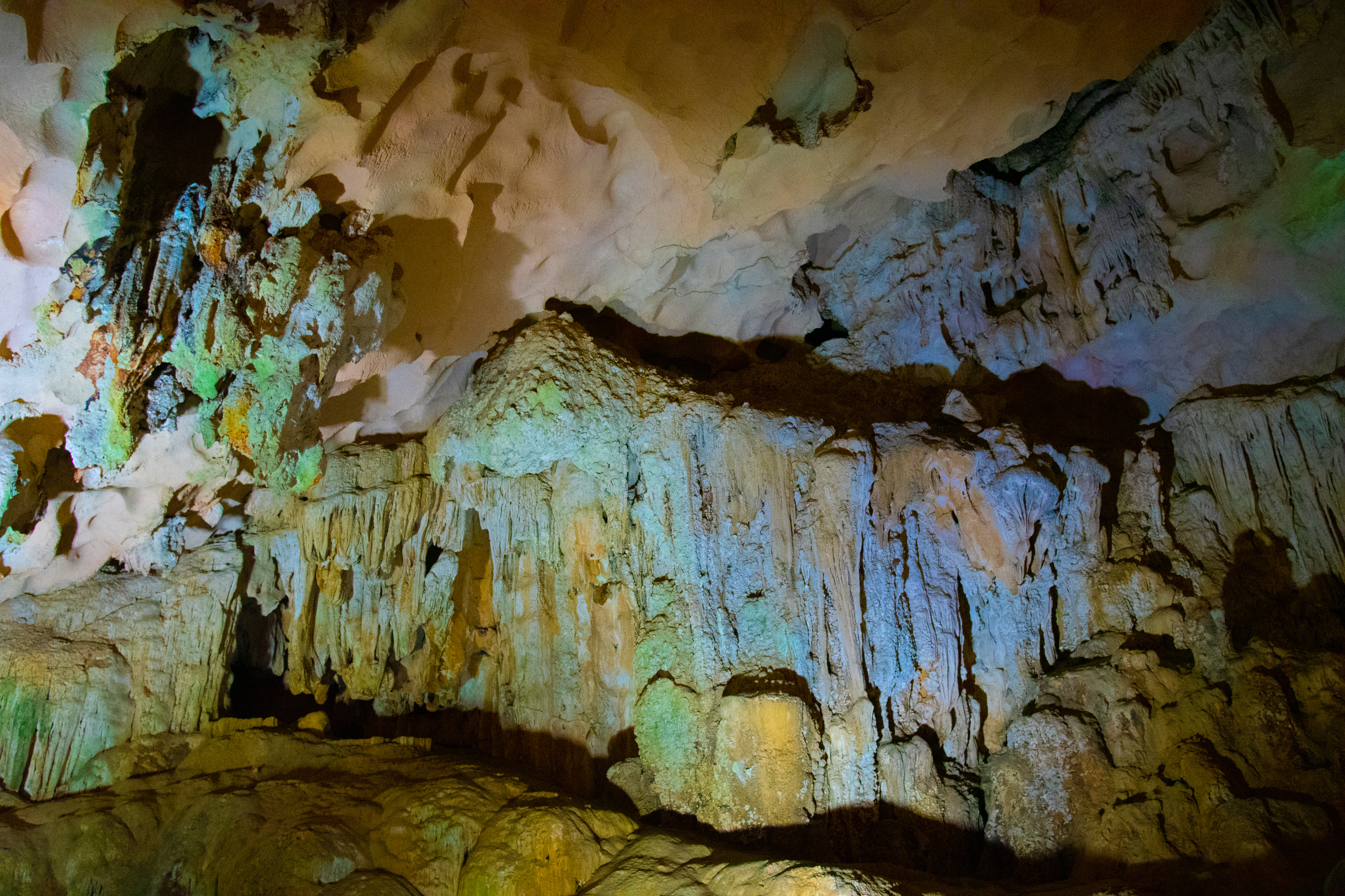
Colored lights added to the drama.
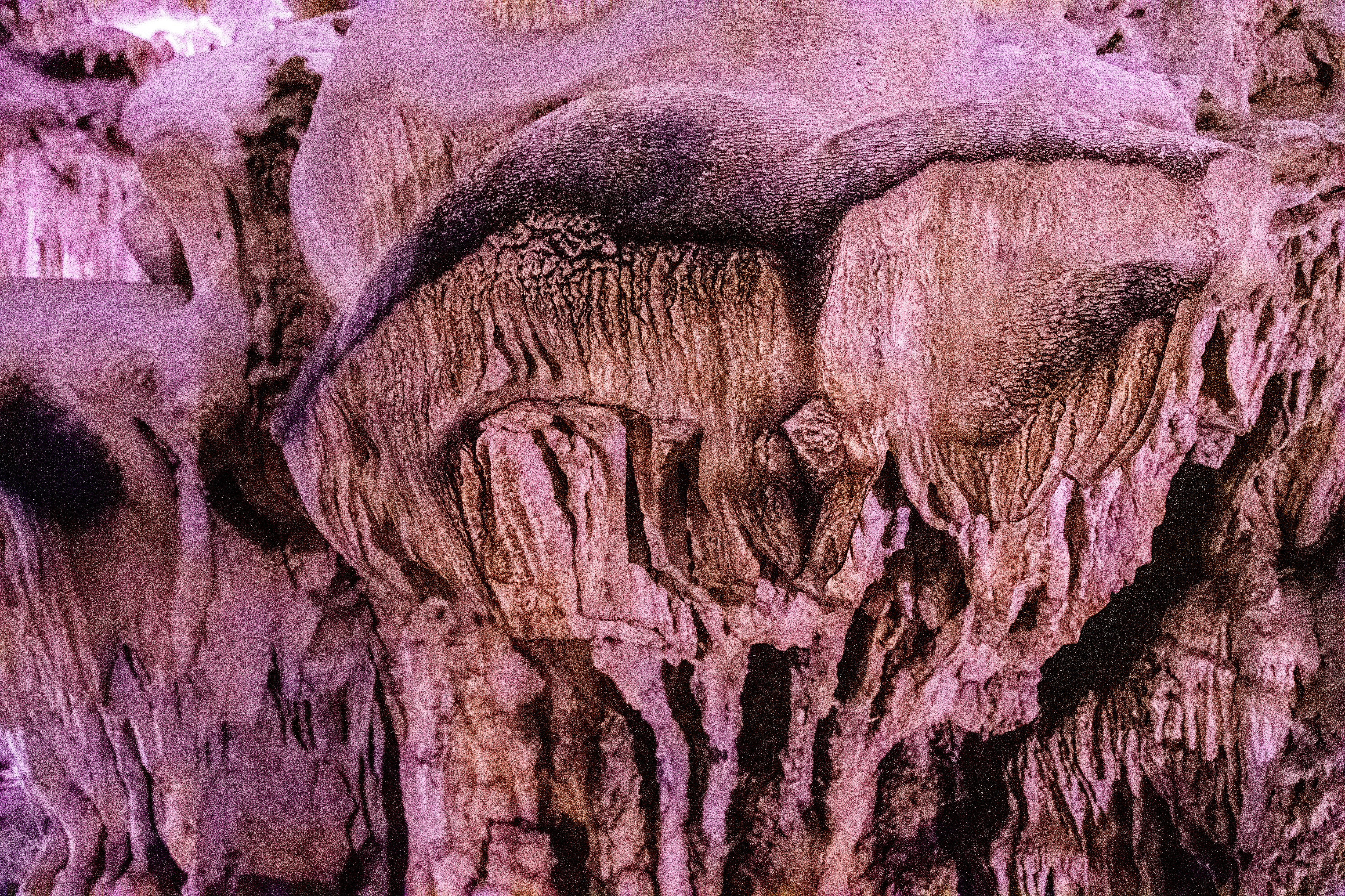
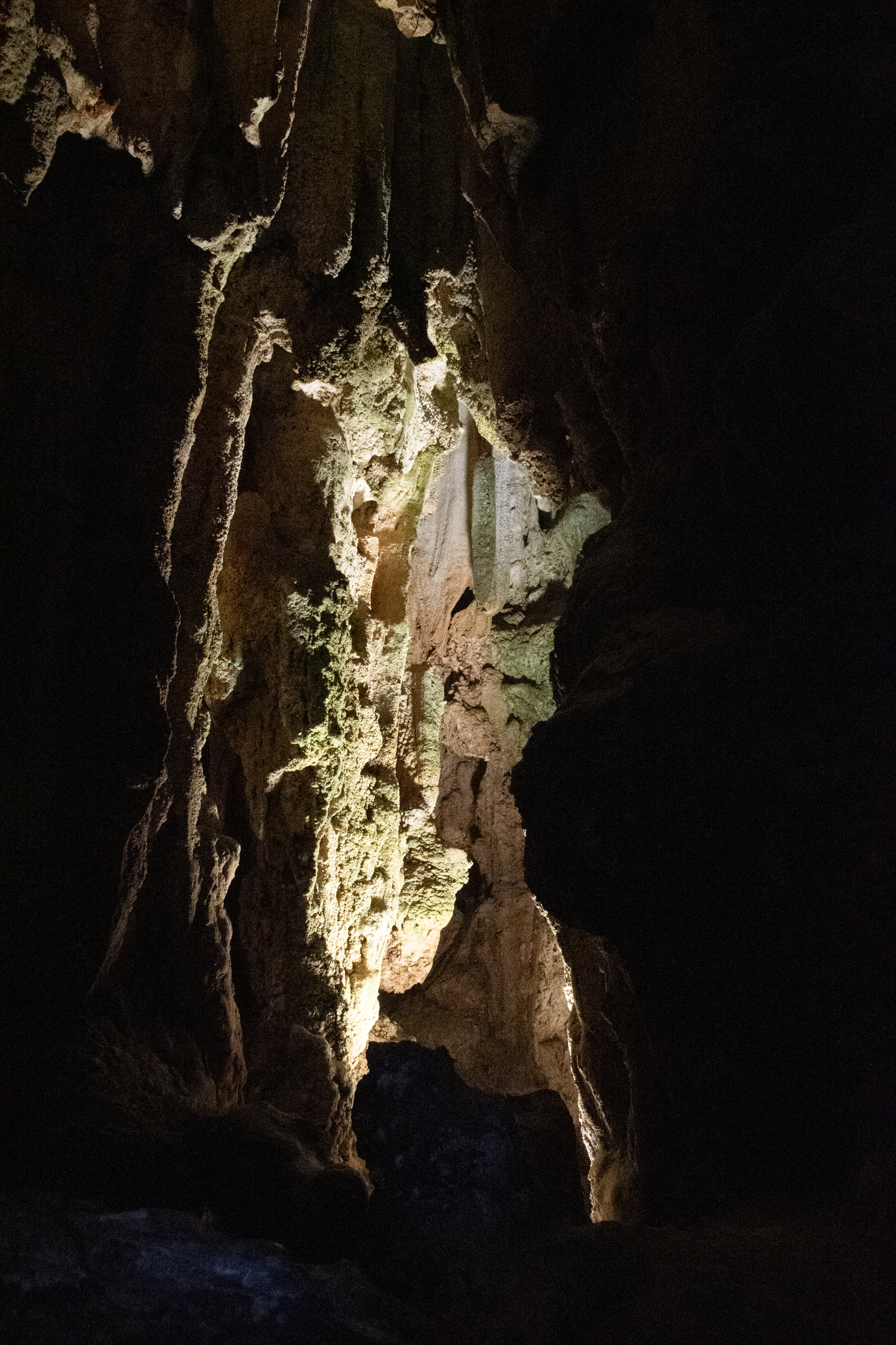
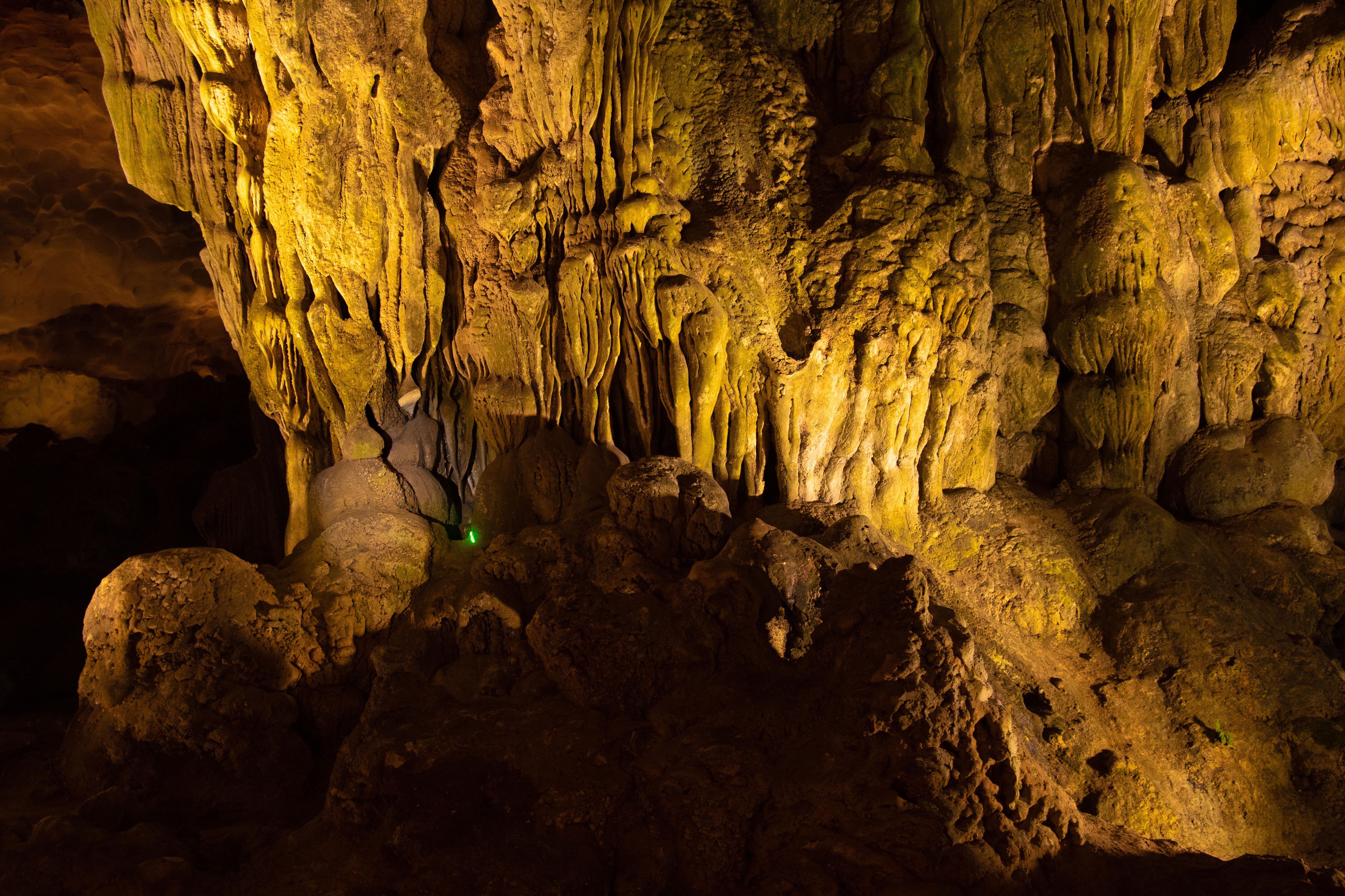
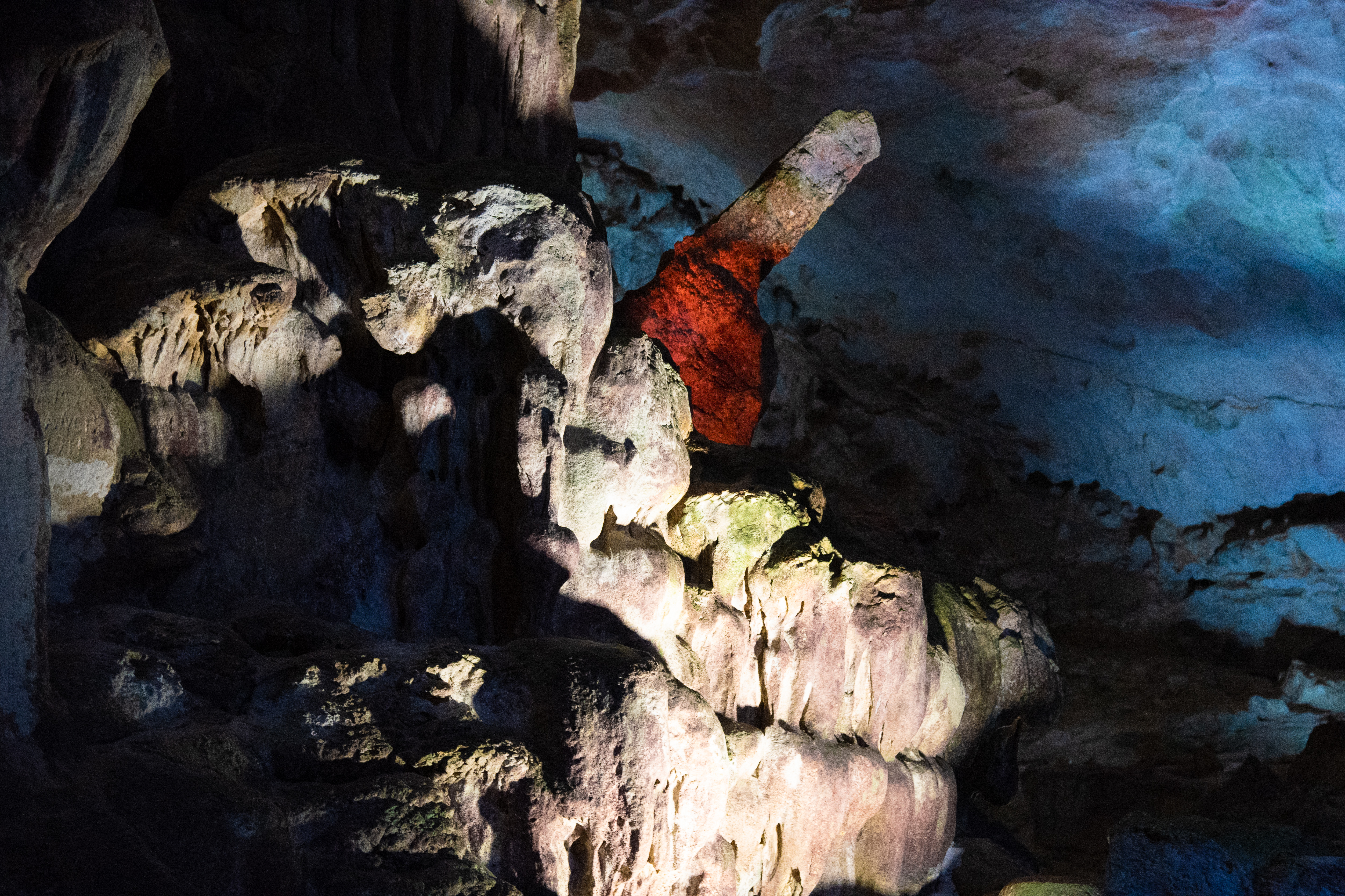
Nature’s phallic reference, this one bathed in a red glow.
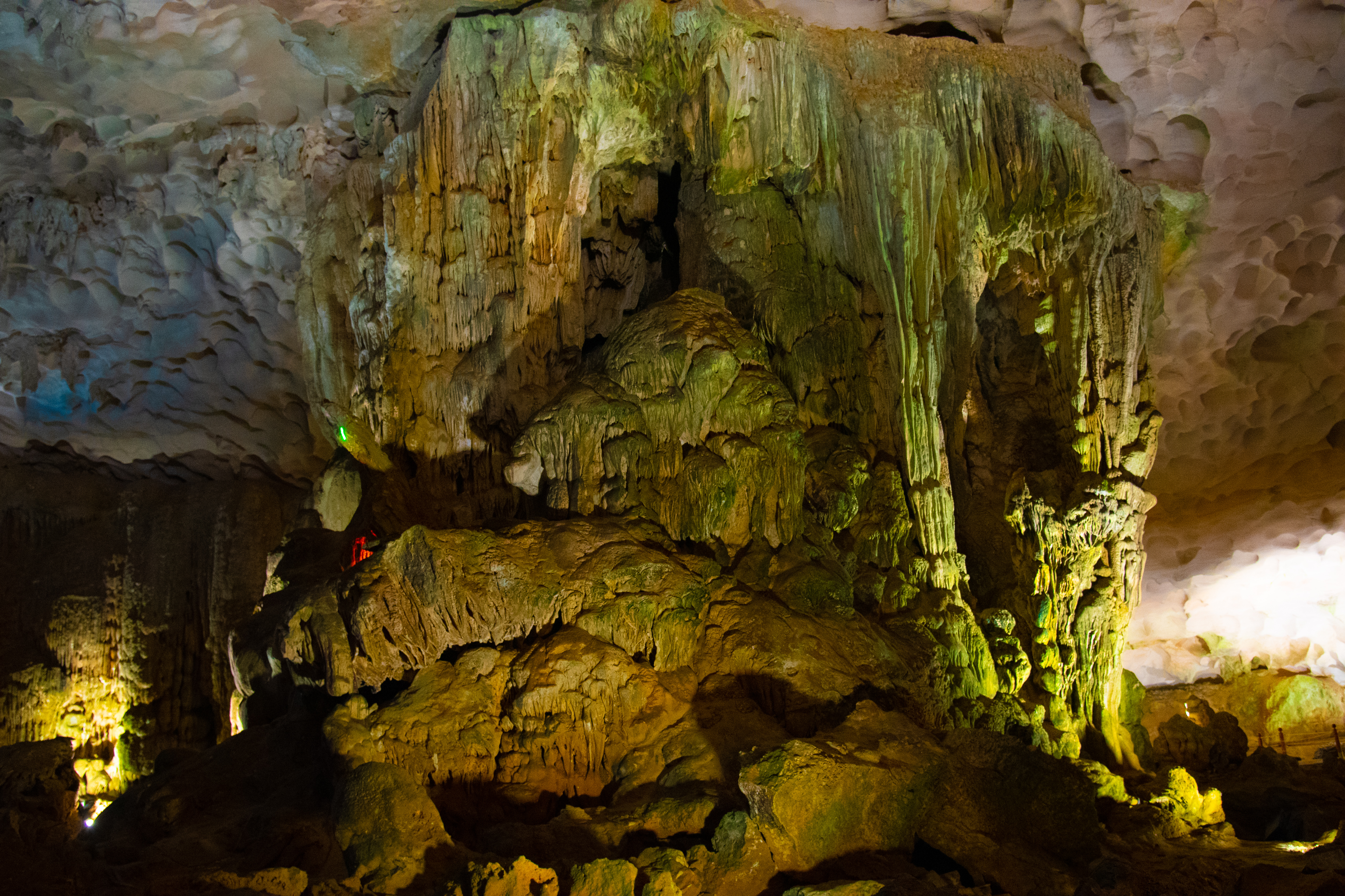
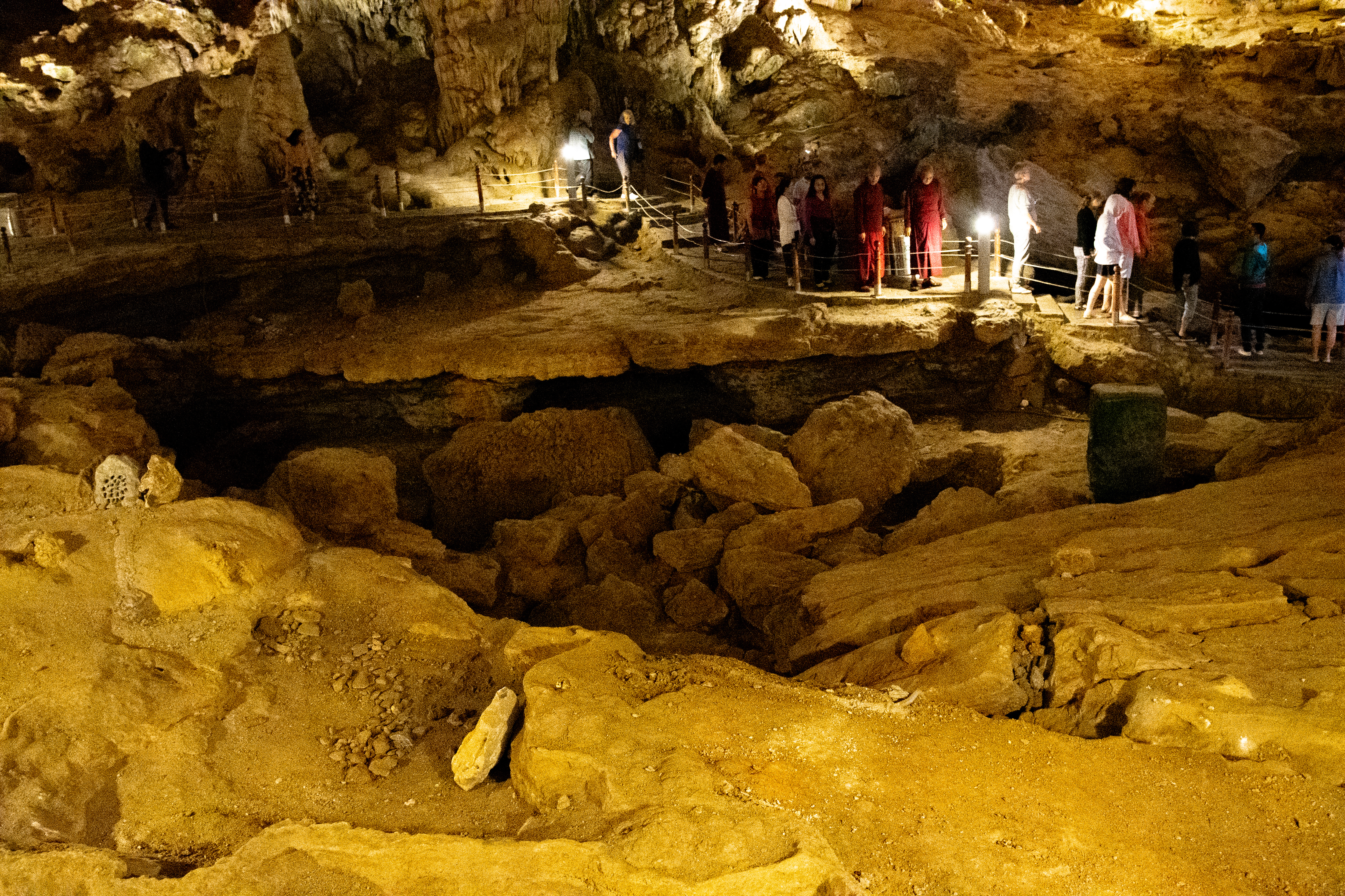
On the way out we had to skirt places where the floor of the cave is collapsing. The mouths of some caves have been widened to allow tourist access and the increase in light and disturbance has unbalanced the delicate links between the flora and fauna, decreasing the humidity inside the caves and increasing carbon dioxide which accelerates the growth of algae.
 westwardhowithapollo
You must be logged in to post a comment.