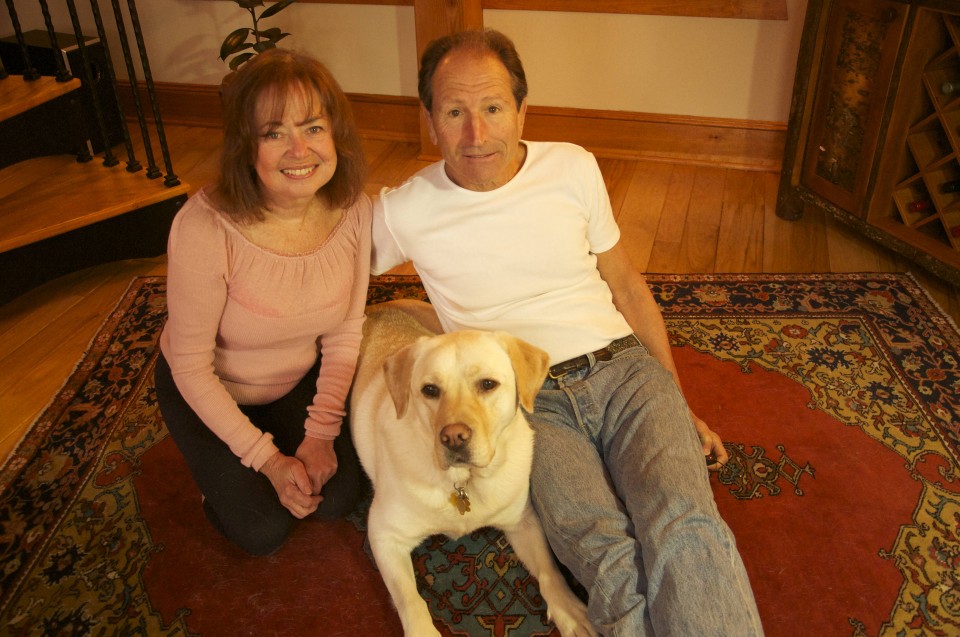
Hue (pronounced Hway) is located in the central coastal region of Vietnam. Once the Imperial capital (from 1802 to 1945), Hue has remained a major cultural, religious and educational center of the country and is Vietnam’s Buddhist center. The city was a fierce battleground during the 1968 Tet Offensive in the Vietnam/American War.
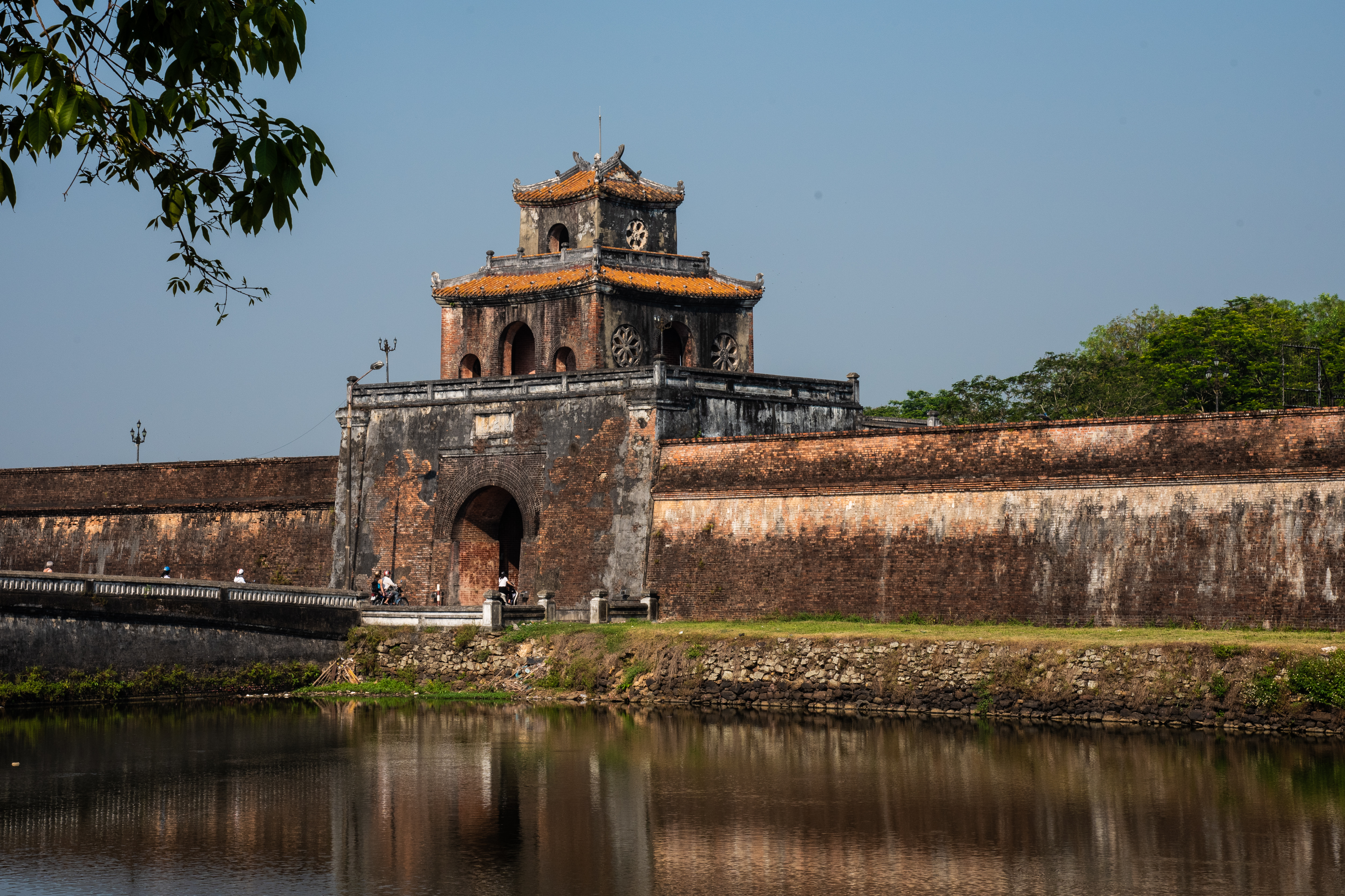
Surrounded by a moat and stone walls is the 19th Century citadel which encompasses the Imperial City.
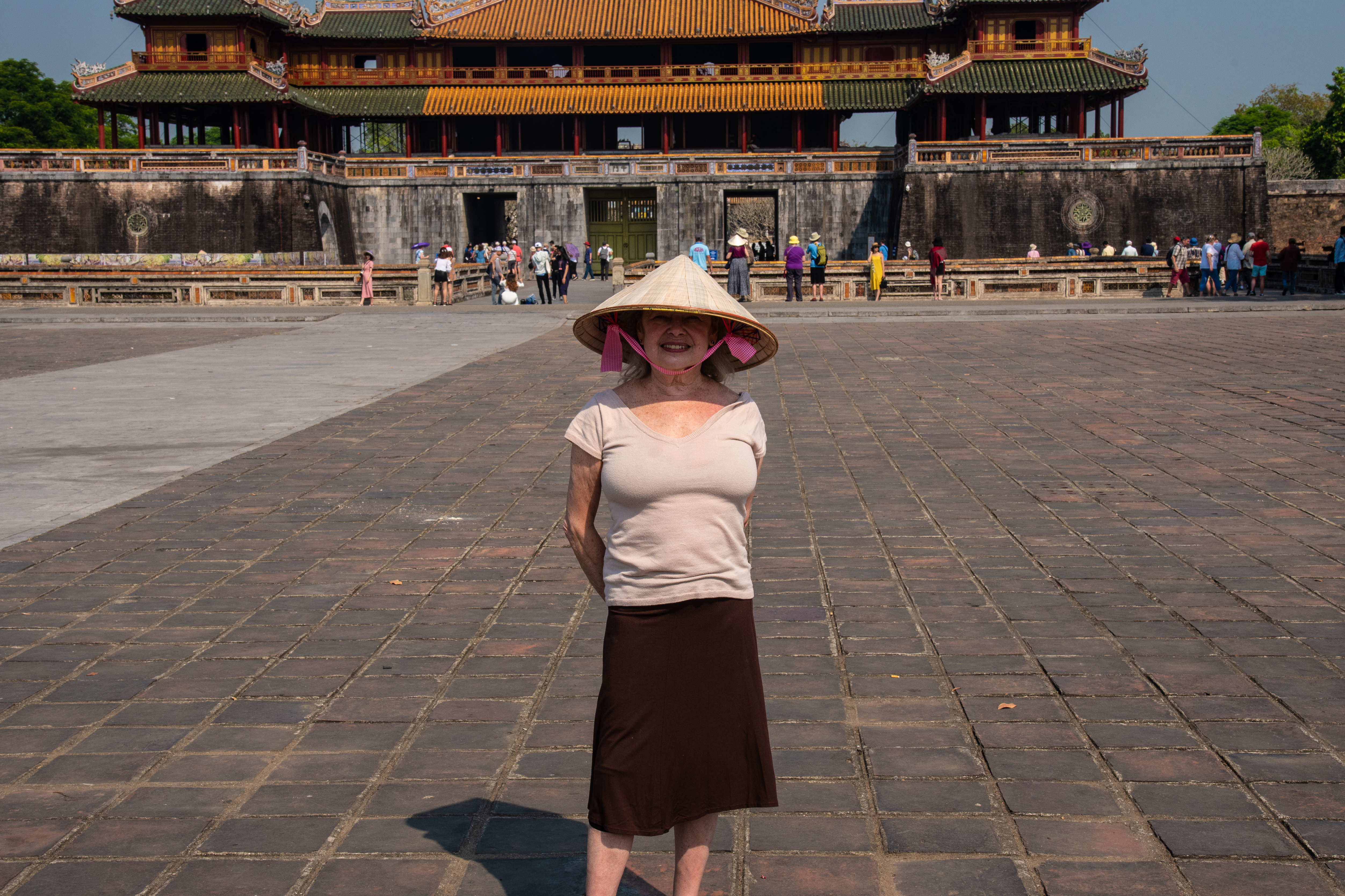
Joanne, wearing the typical conical hat called a non la. The Ngo Mon Gate is in the Background.
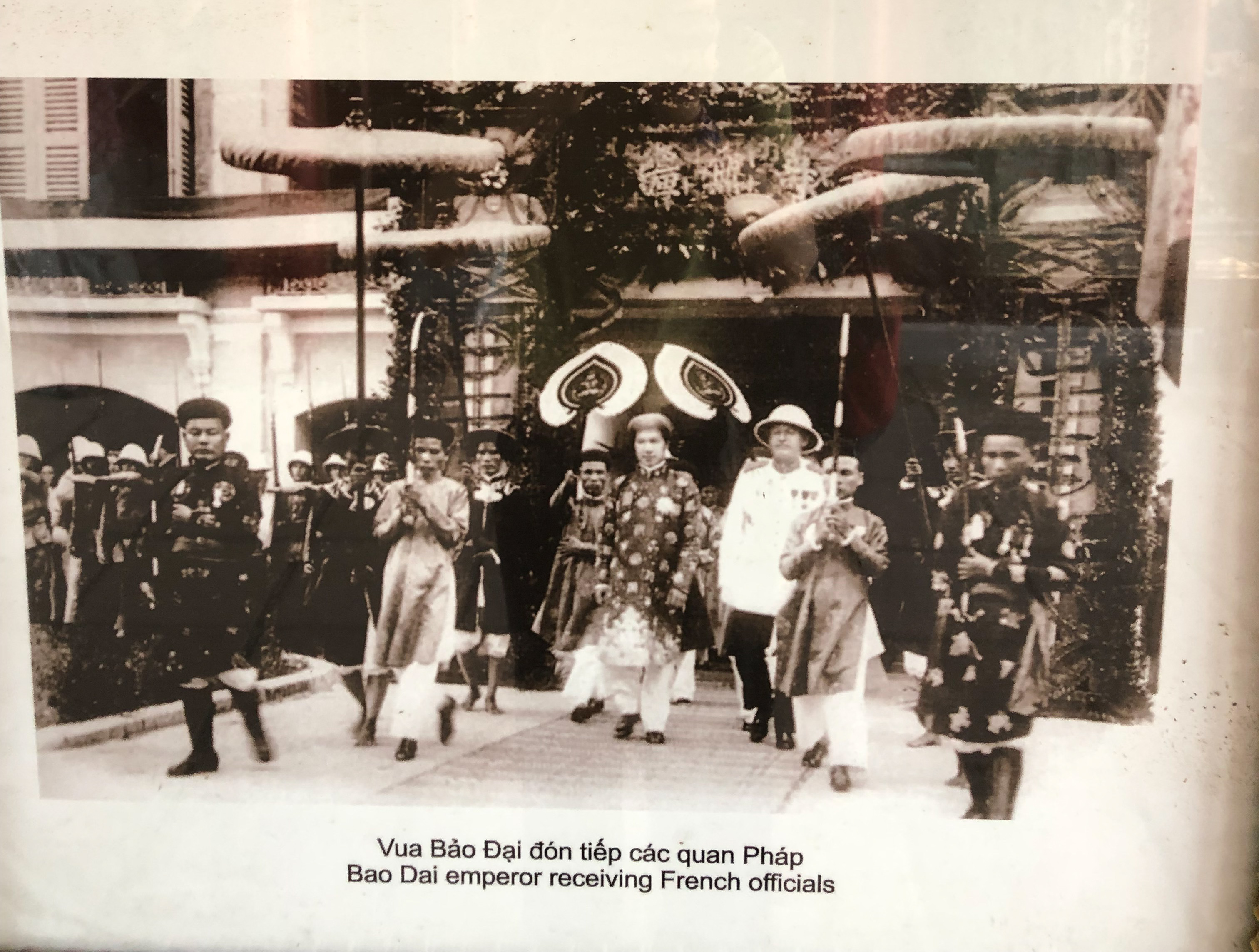
Vietnam’s last emperor Bao Dai with his French patrons. He eventually fled to France after the Viet Minh defeated the French at Dien Bien Phu in 1954. He unsuccessfully tried to play a leadership role in the South Vietnamese government after the Geneva Accords partitioned the country in 1955, and remained in France until his death in 1997.
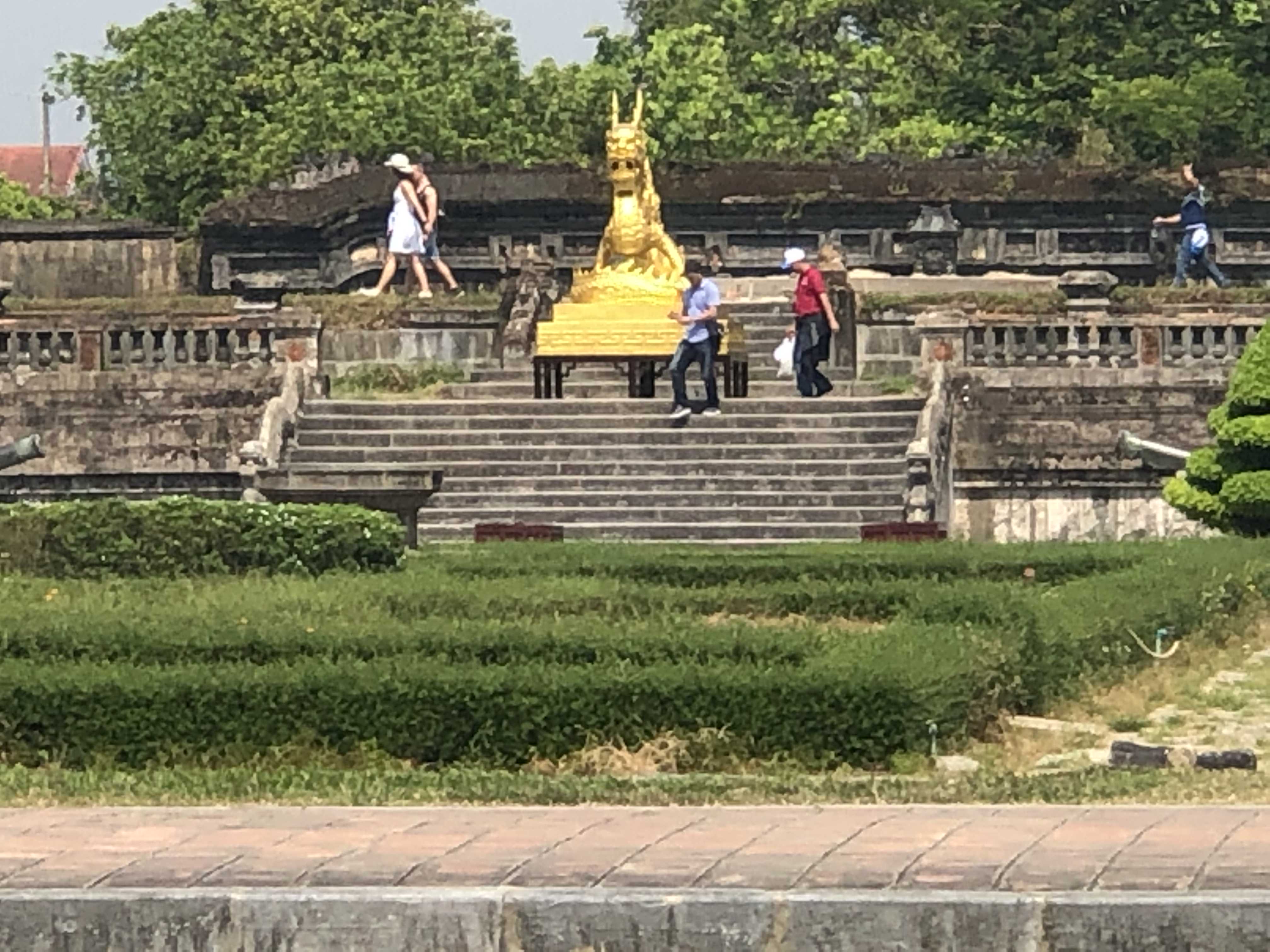
Replica of the statue of Emperor Khai Dinh (Bao Dai’s father). The original was built in France in 1920 and resides in the Thien Dinh Palace six miles away.
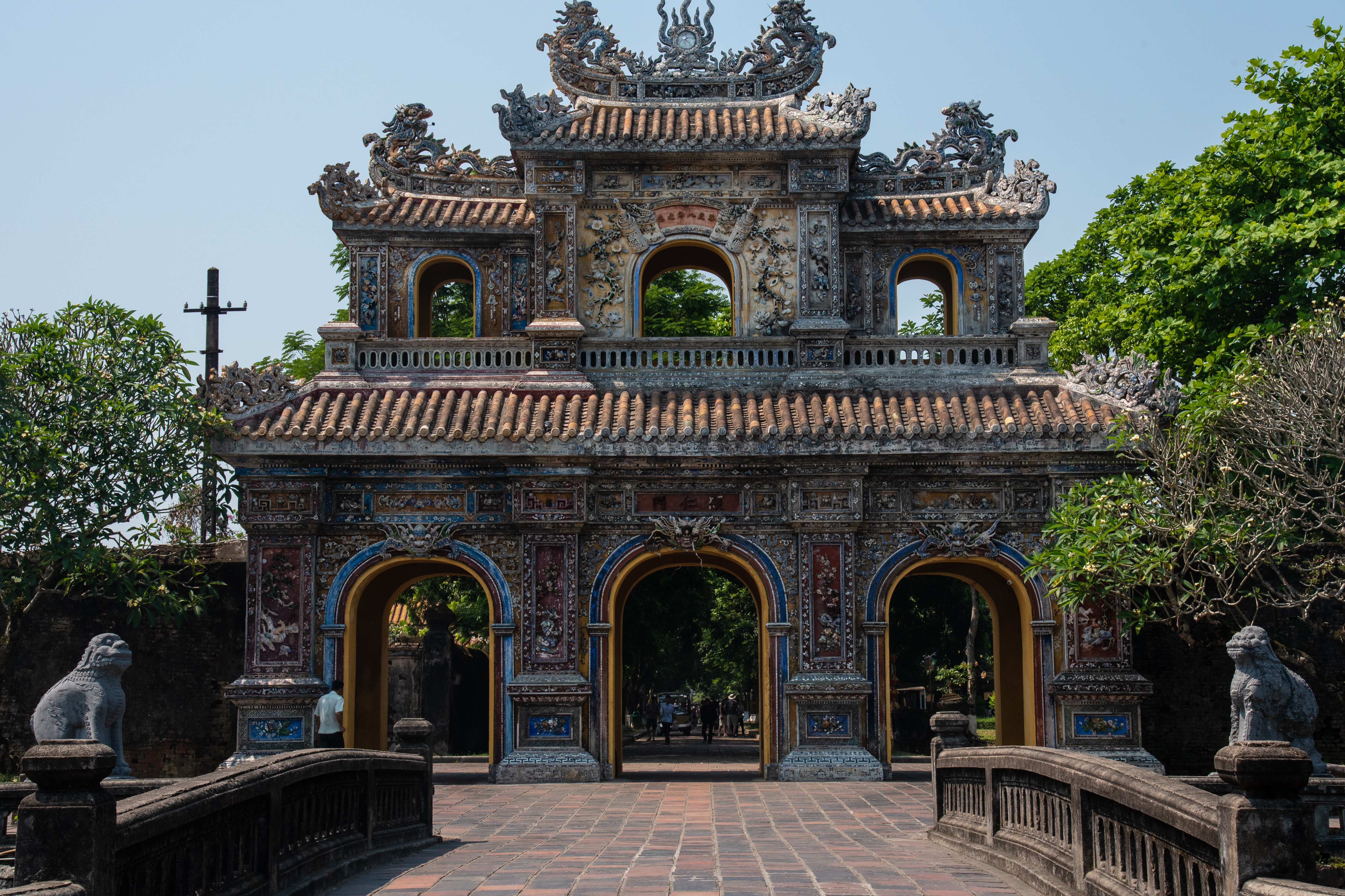
Dragons, powerful Vietnamese icons, decorate the rooftops in the Citadel. Legend has it that Lạc Long Quân, king of the dragons who lived in the water, married Âu Cơ, a fairy from the bird kingdom. She gave birth to 100 sons and her first-born son became King Hùng Vương of Lạc Việt, the first dynasty of Vietnam.
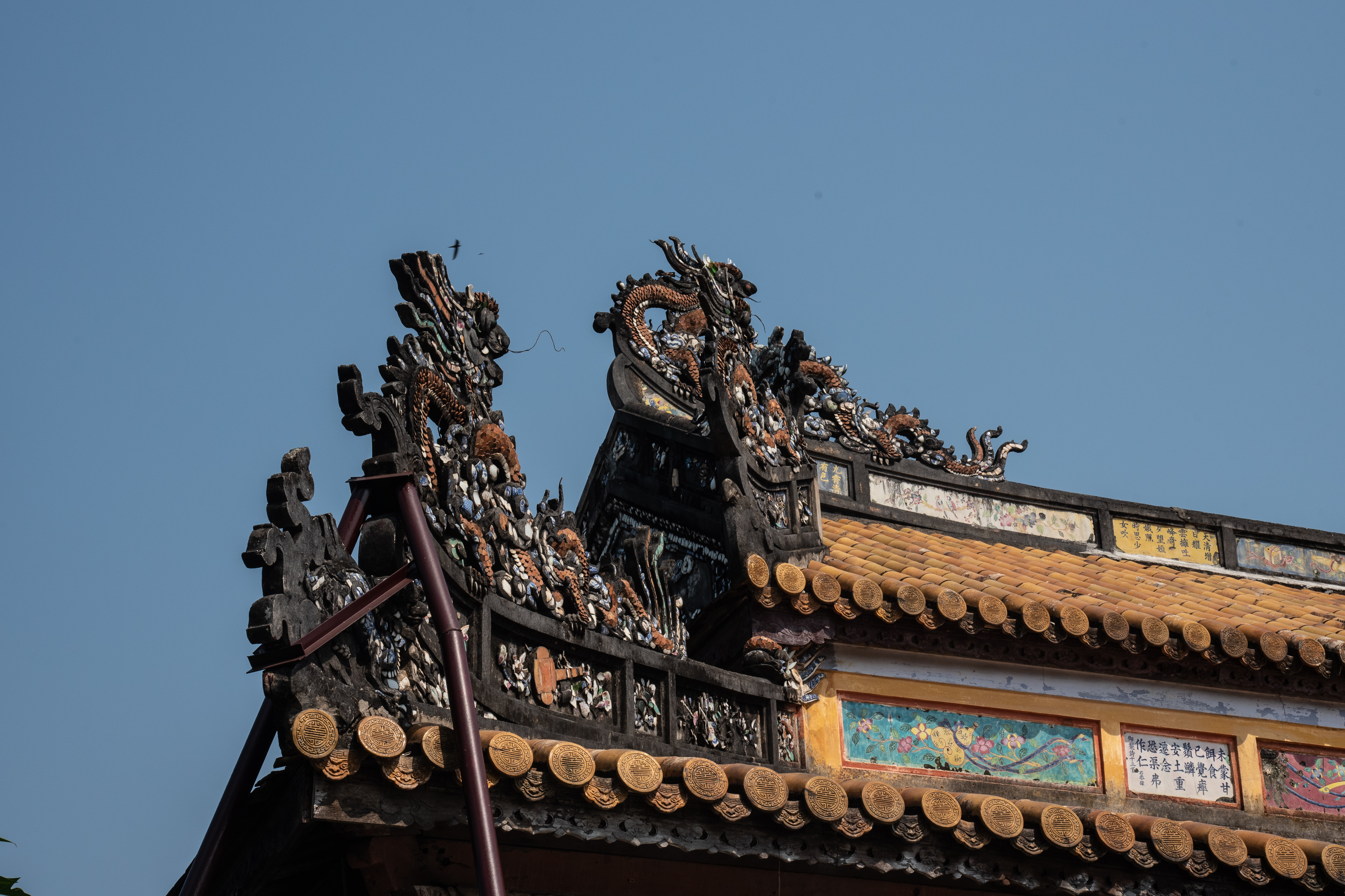
Dragons of Nguyen dynasty are usually represented with a spiral tail and a long fiery sword-fin. Its head and eyes are large. It has stag horns, a lion’s nose, exposed canine teeth, regular flash scale, and curved whiskers. The Dragons of the emperor have 5 claws.
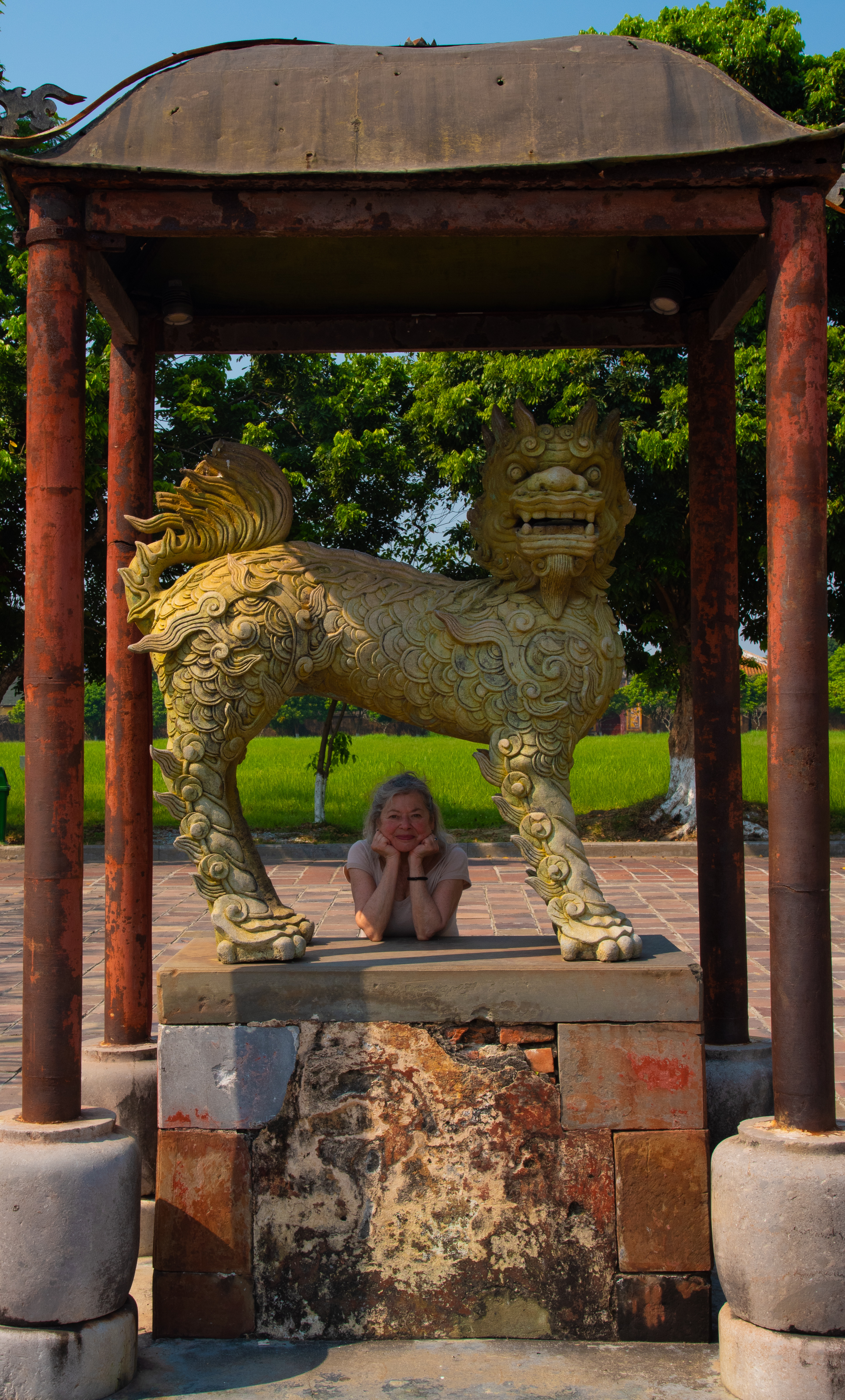
The guardian dragon can become more leonine.
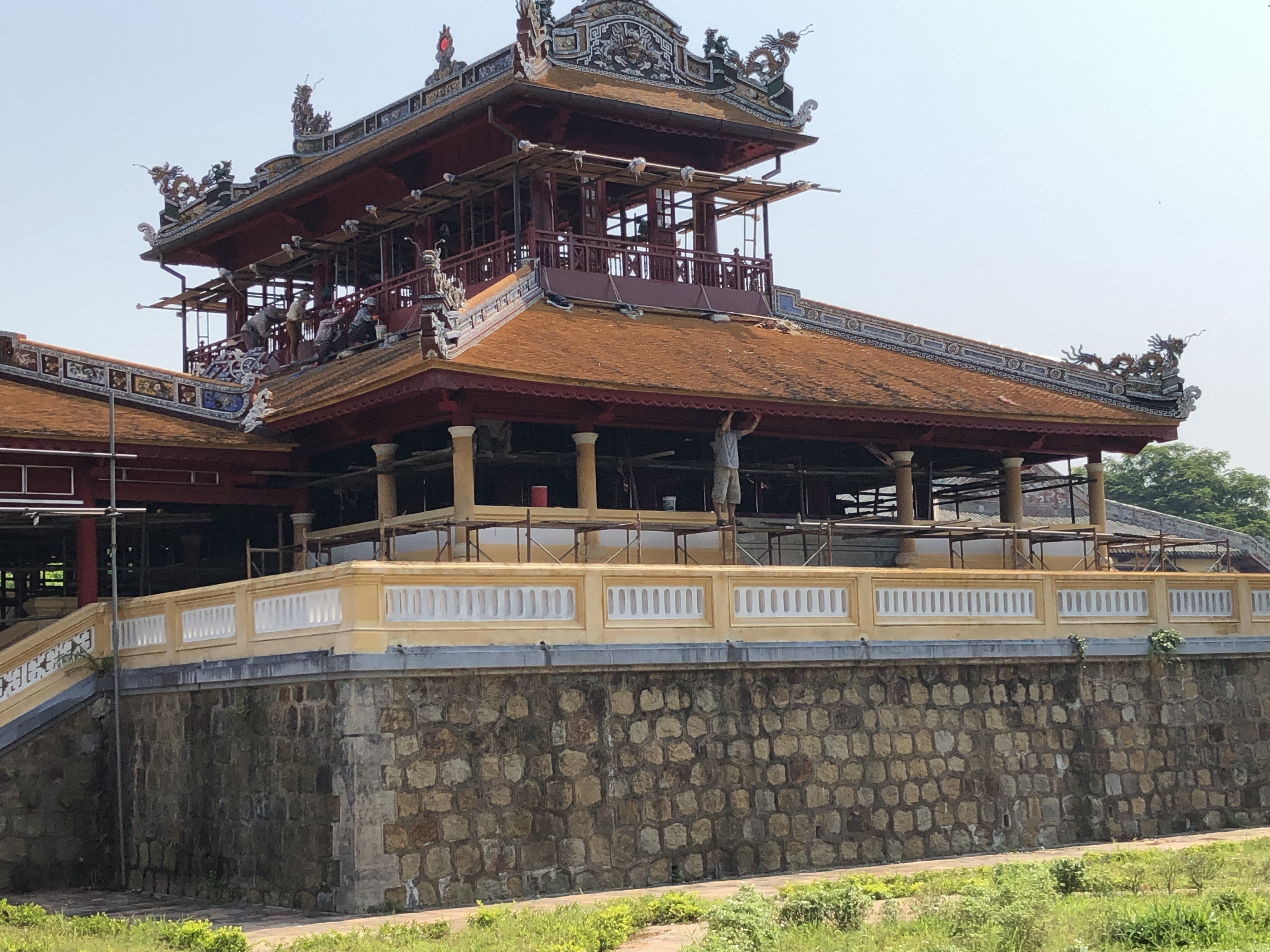
Restoration work is ongoing.
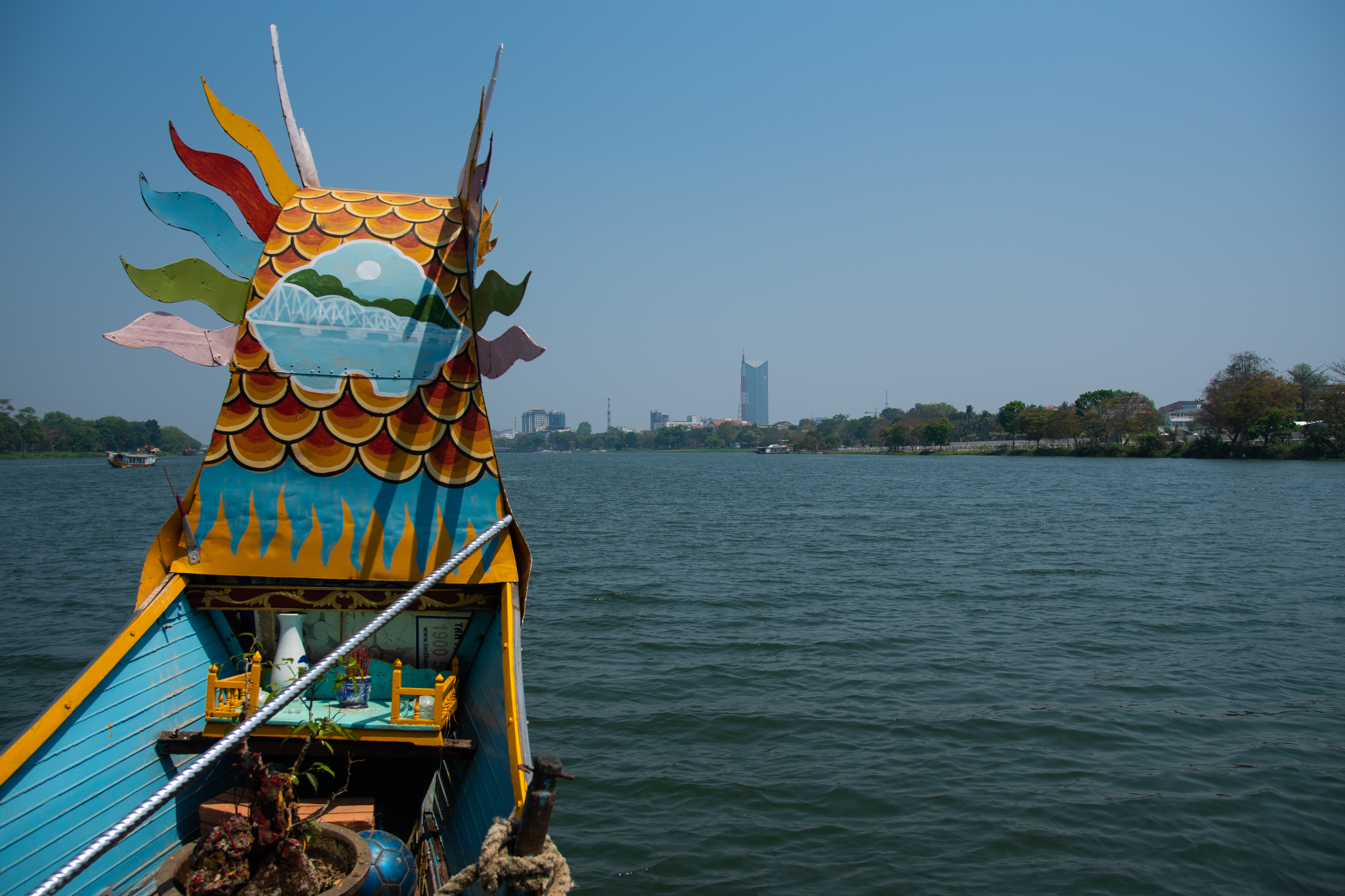
We took a dragon boat ride on the Perfume River.
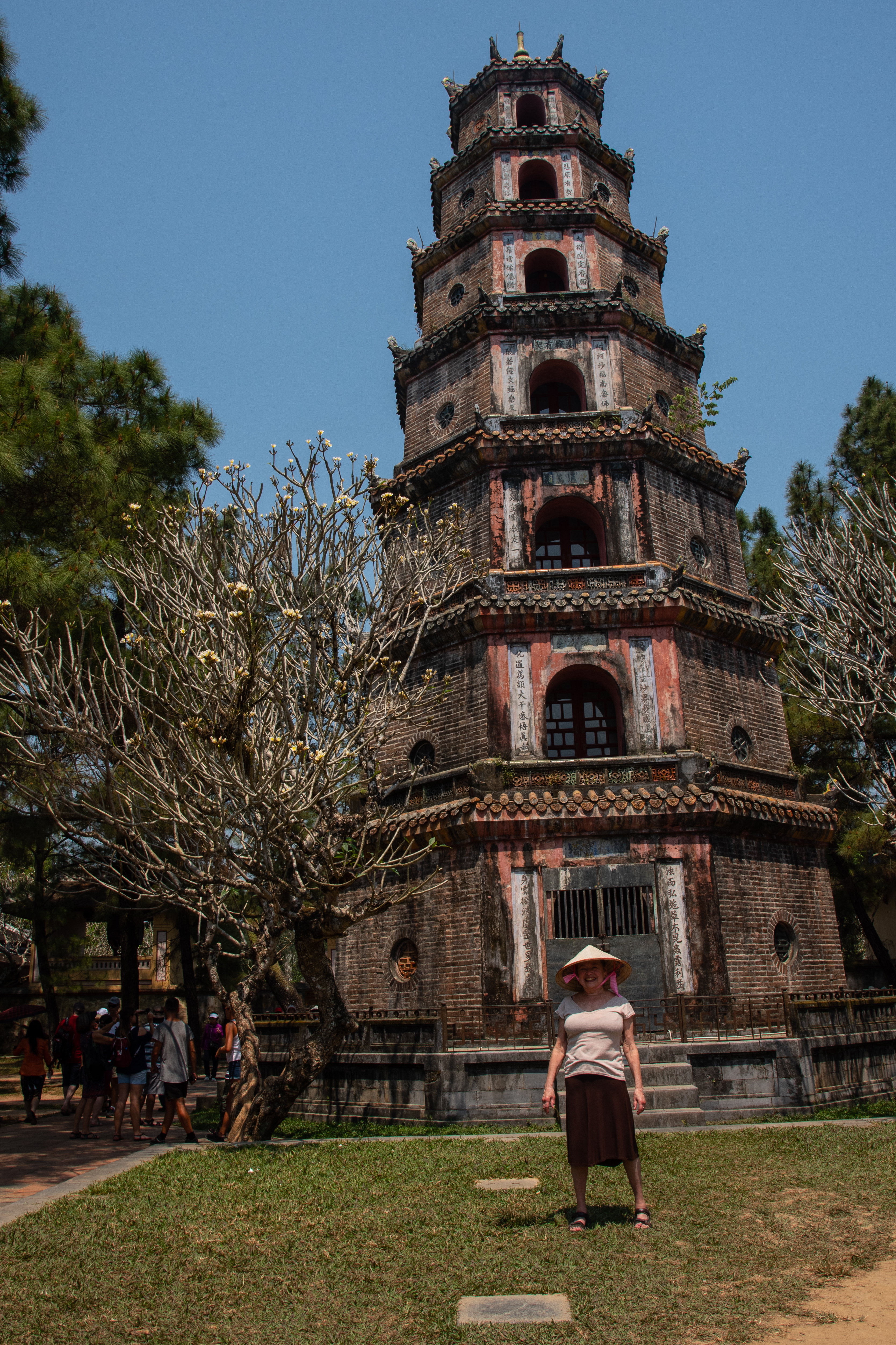
The Pagoda of the Celestial Lady (Thien Mu Pagoda) is a seven story pagoda constructed in 1601. This pagoda is considered the symbol of the City of Hue.
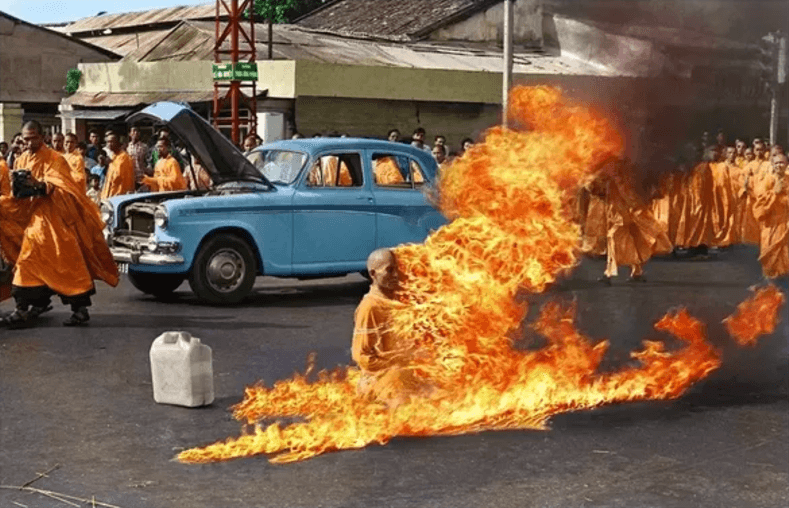
In 1963 the monk, Thich Quang Duc, got into his car and drove from Hue to Saigon where he immolated himself in protest against the South Vietnamese government policies against Buddhists. The blue car seen behind the monk is housed on the grounds of the Thien Mu Pagoda. (Pulitzer Prize winning photograph by Malcolm Browne)
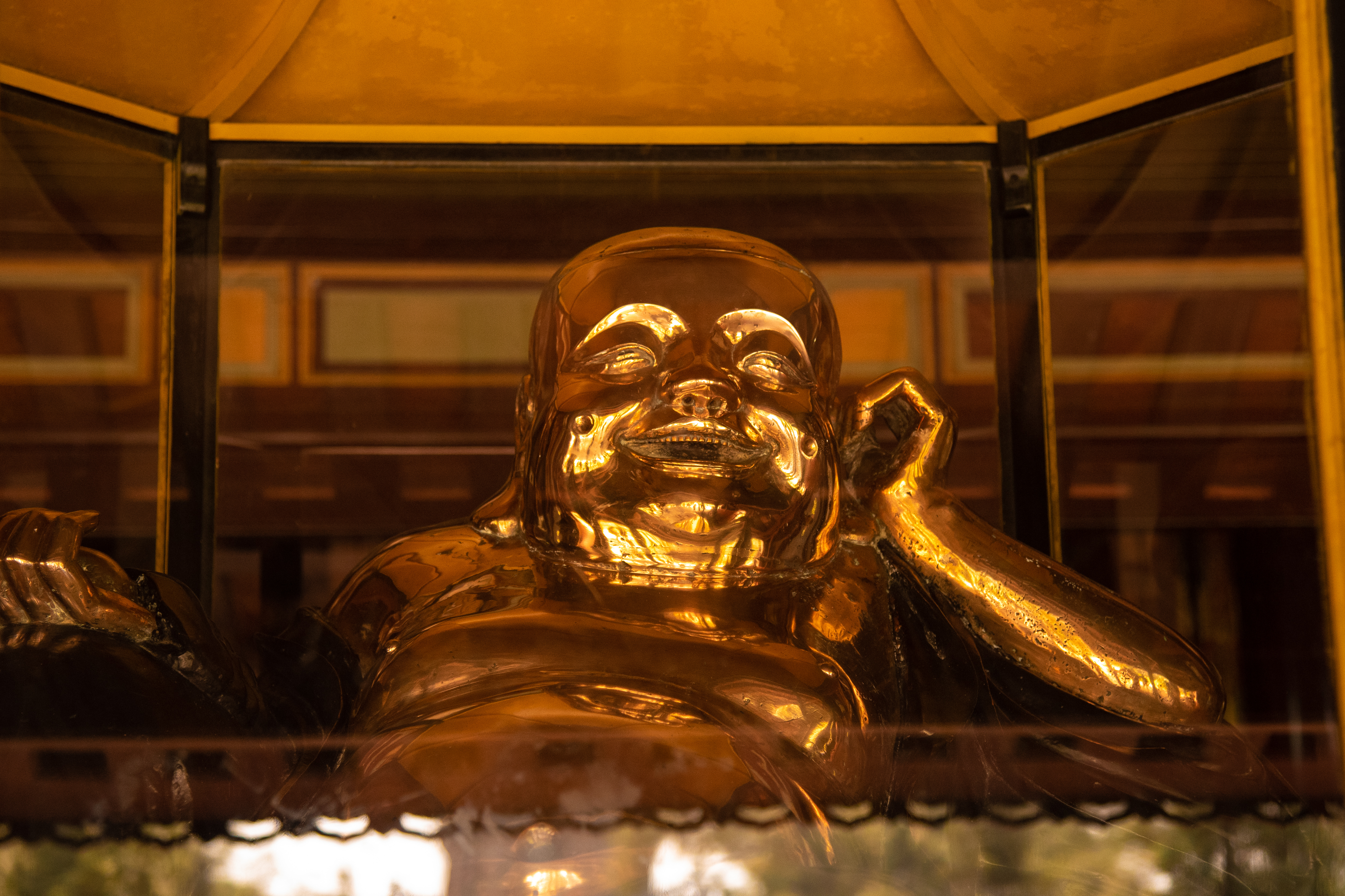
As our guide An would often say: “Oh My Buddha!”
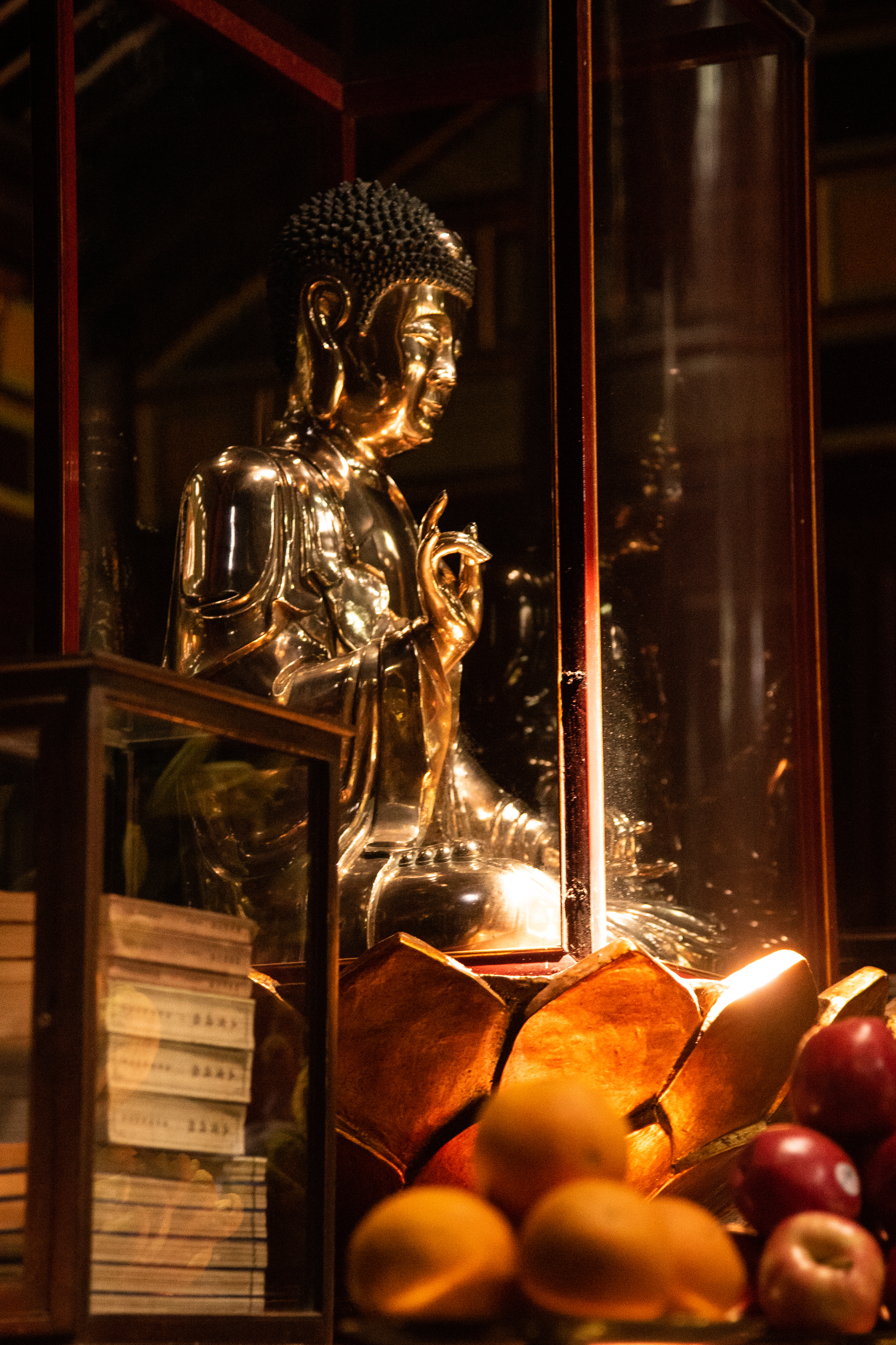
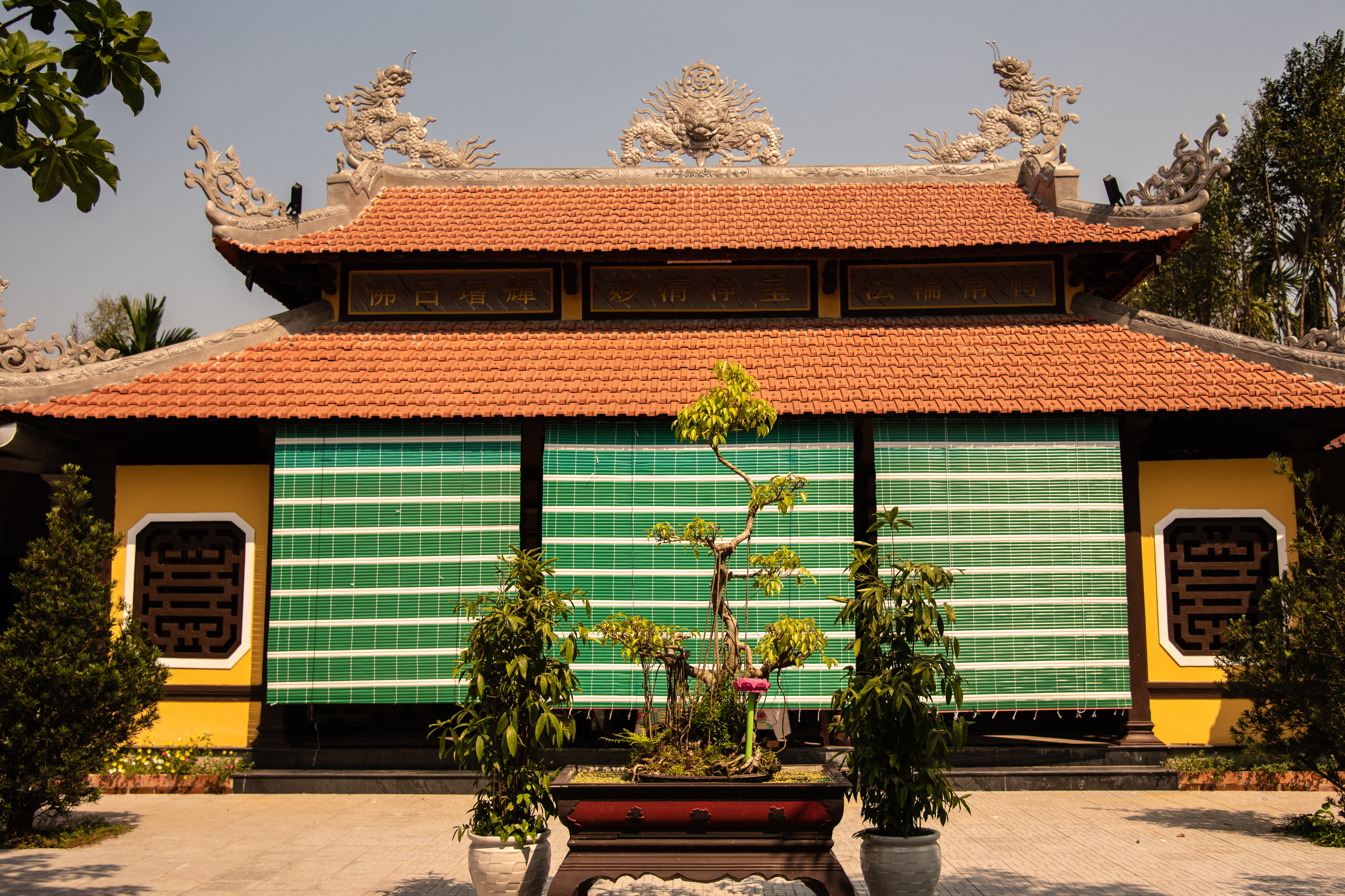
We visited the Dieu Thranh Buddhist Nunnery where we had a silent lunch.
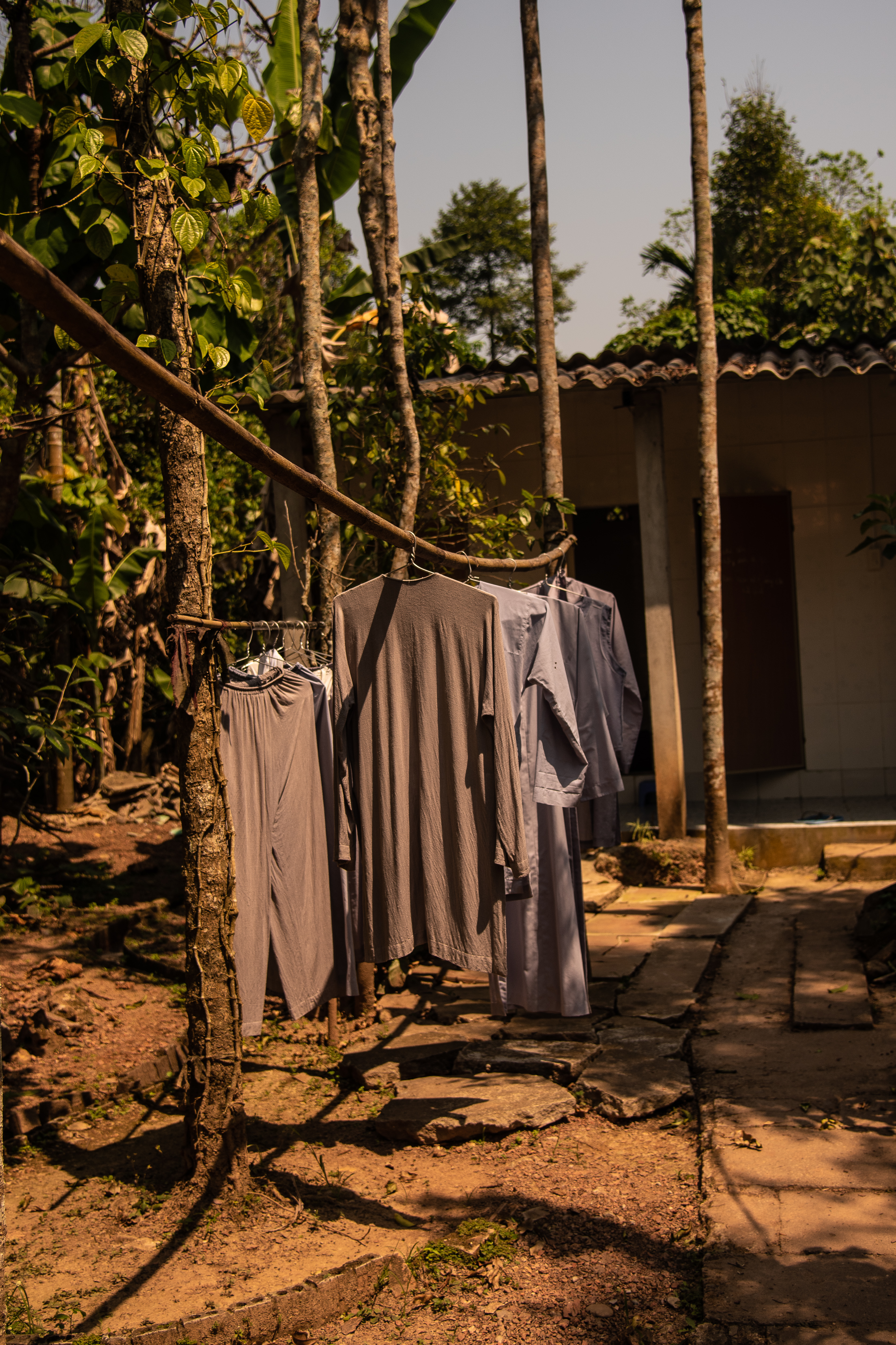
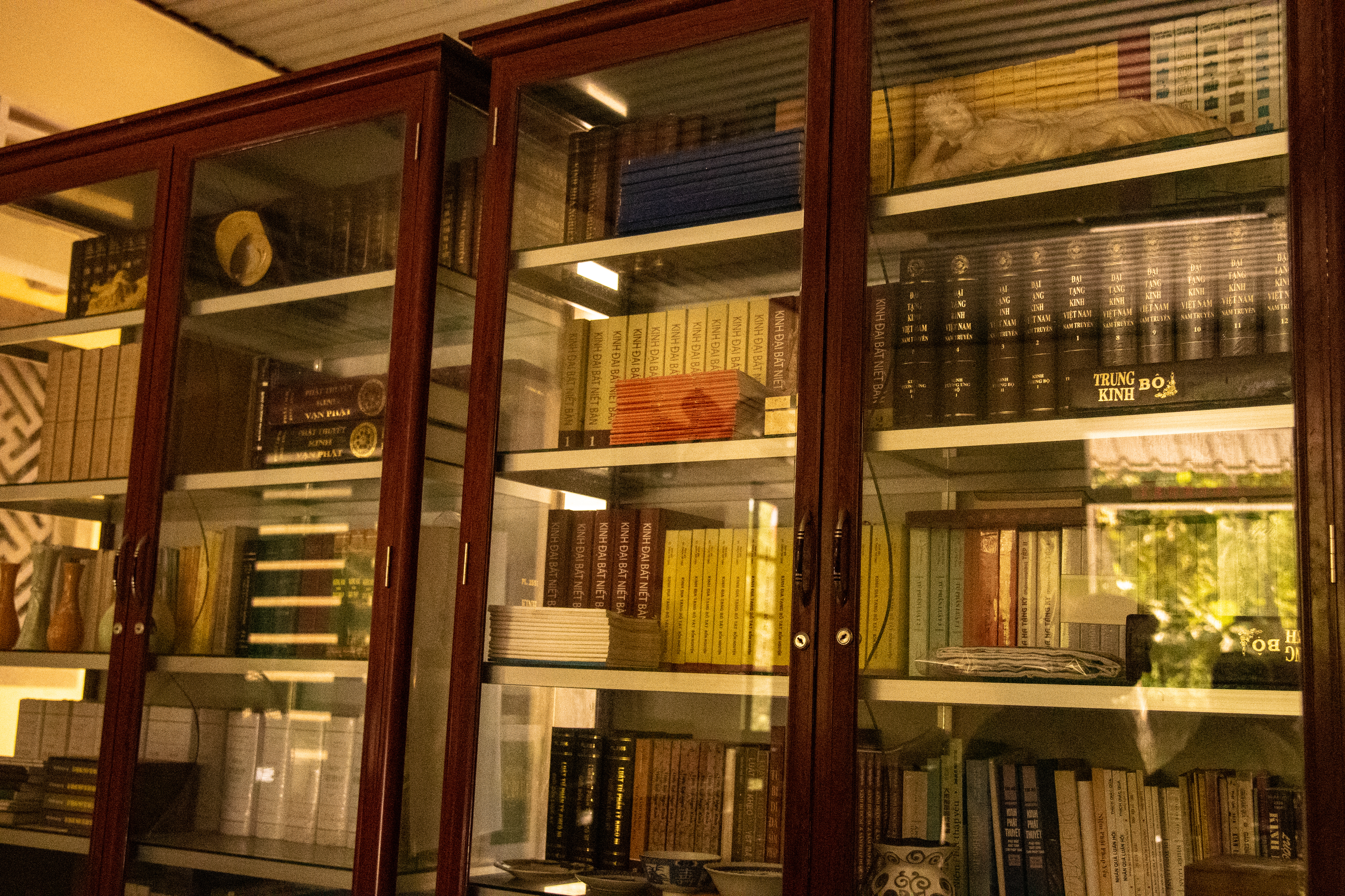
The Nunnery’s library of classic Buddhist literature and philosophy.
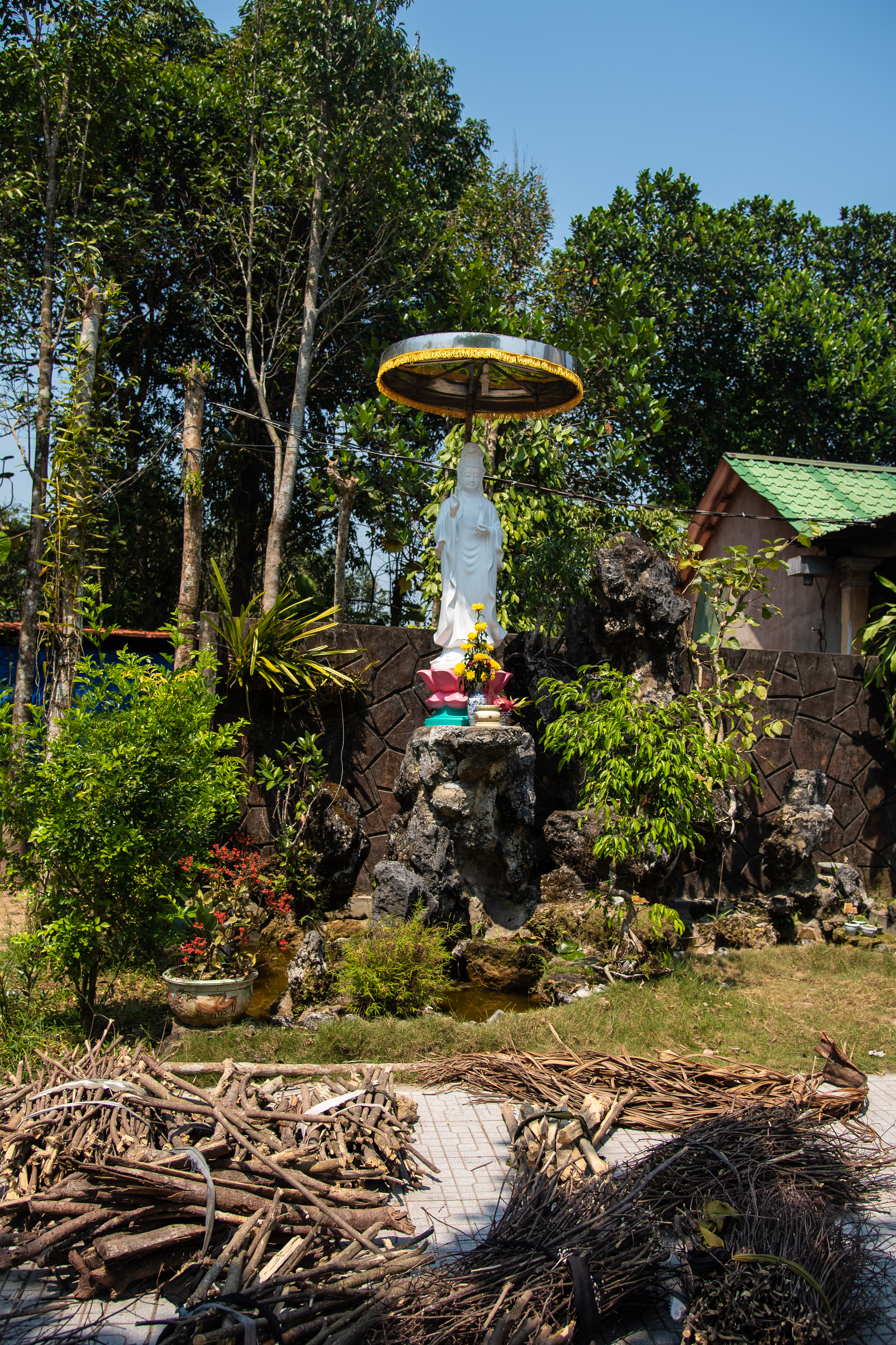
Statue of Guanyin. Guanyin is the Buddhist bodhisattva associated with compassion.
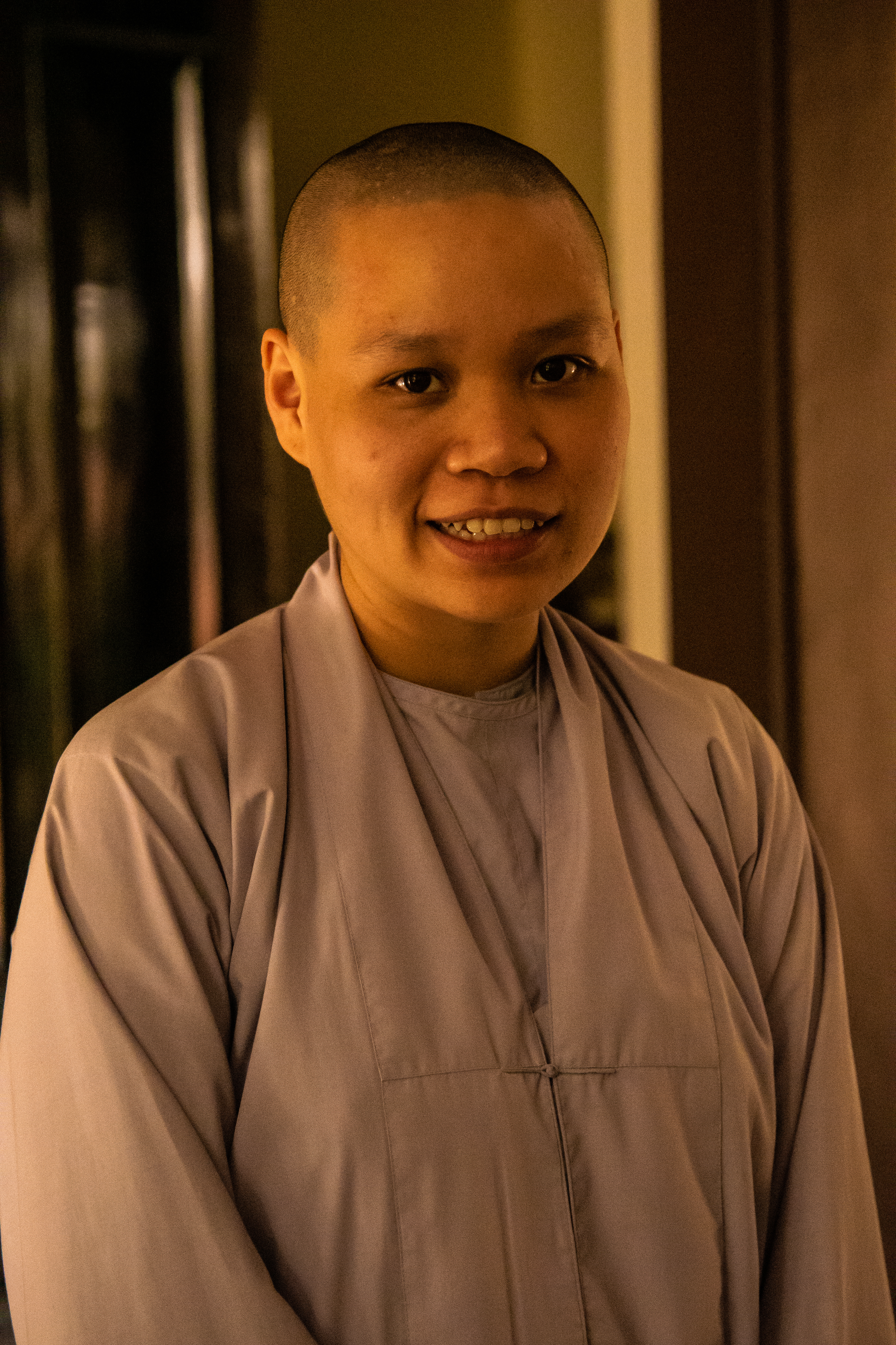
Our guide at the nunnery.
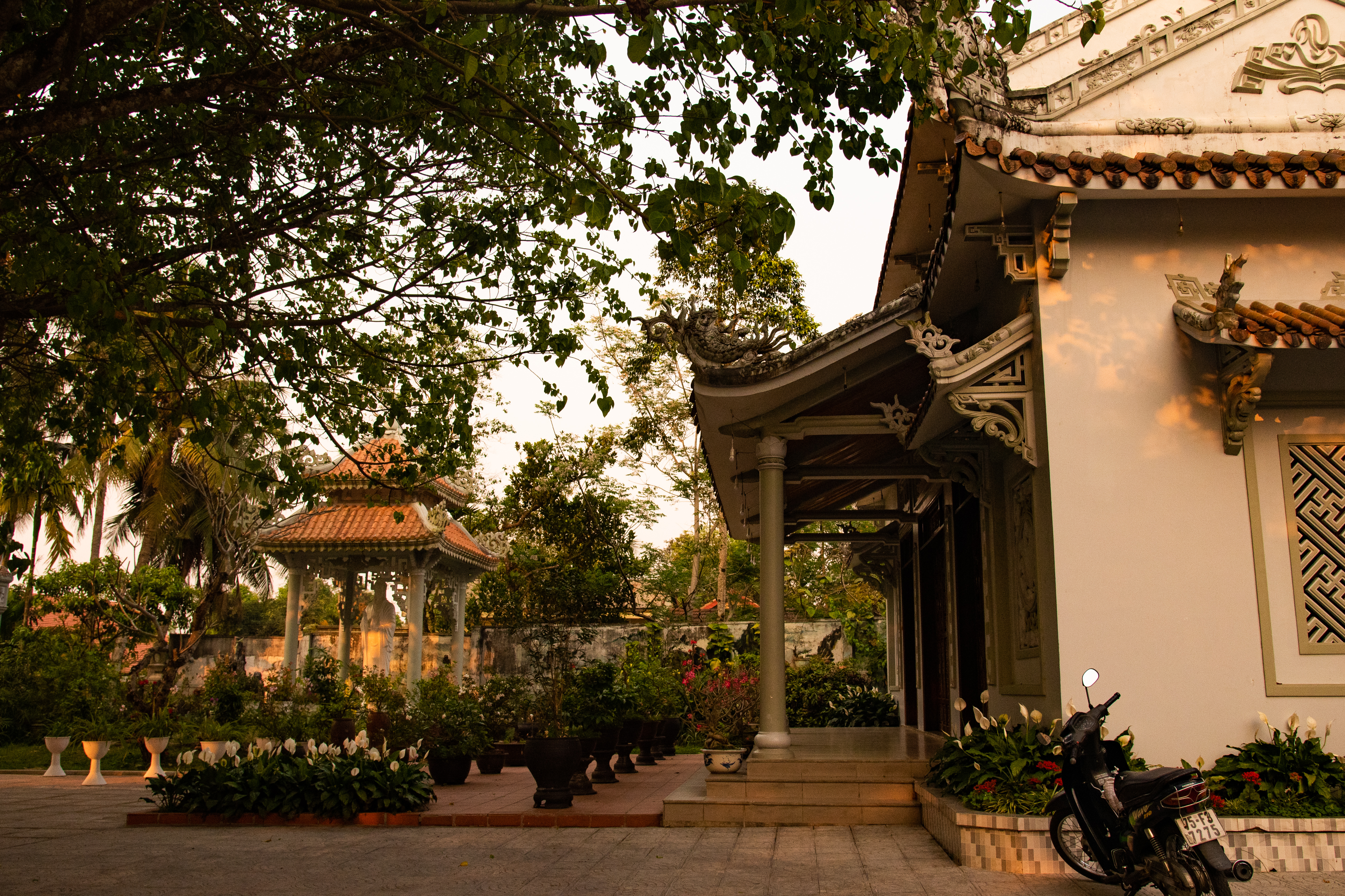
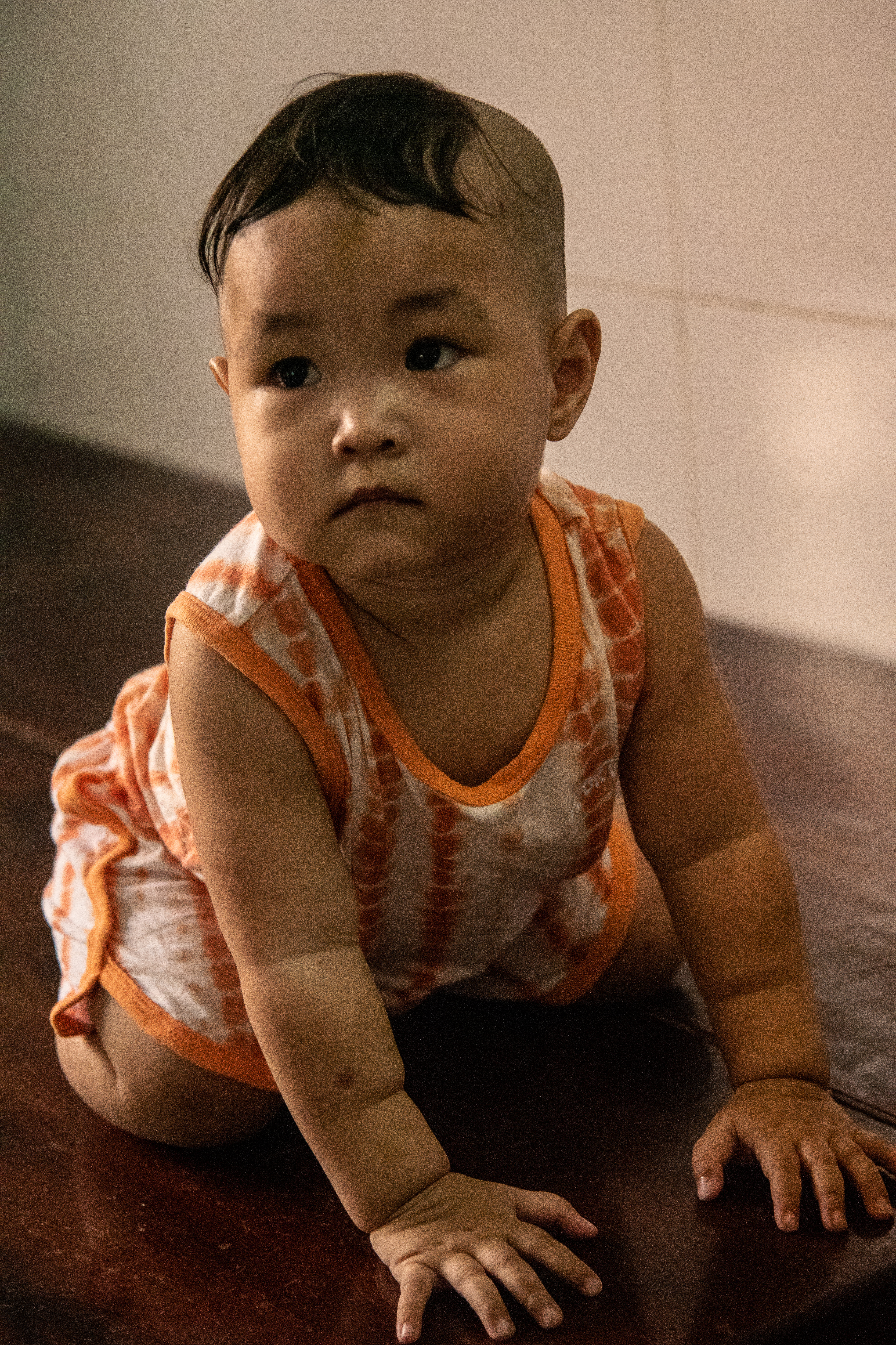
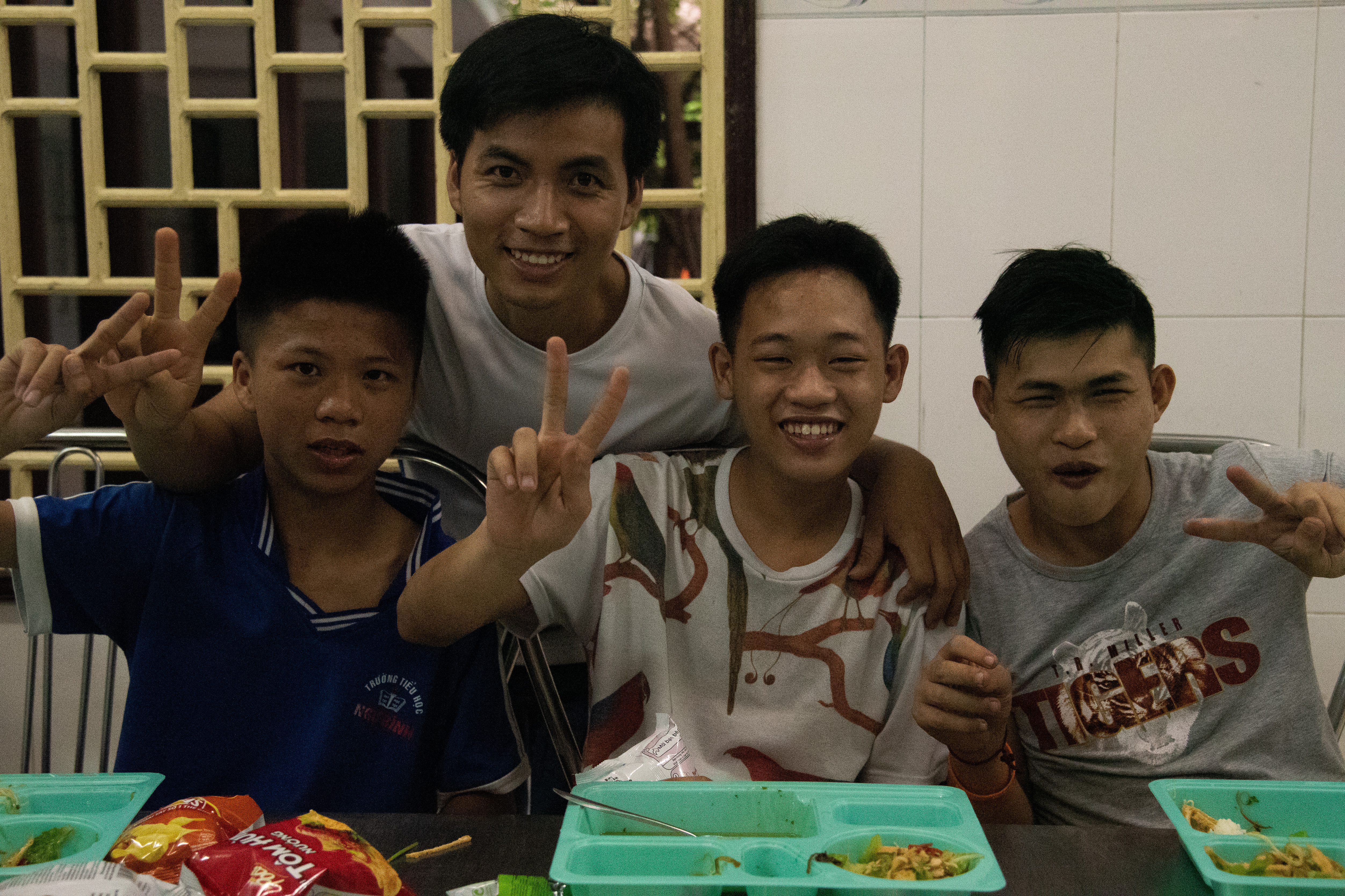
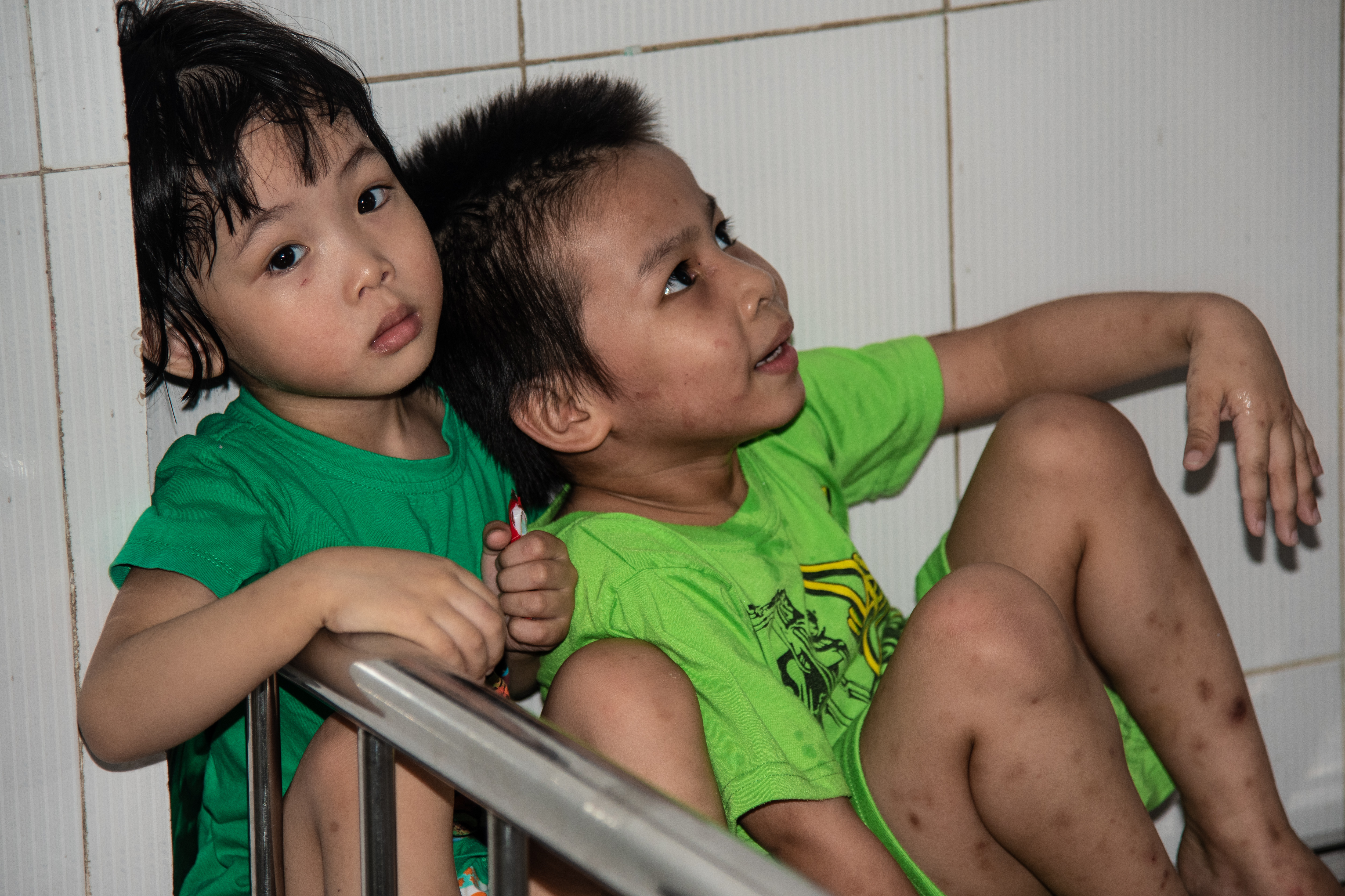
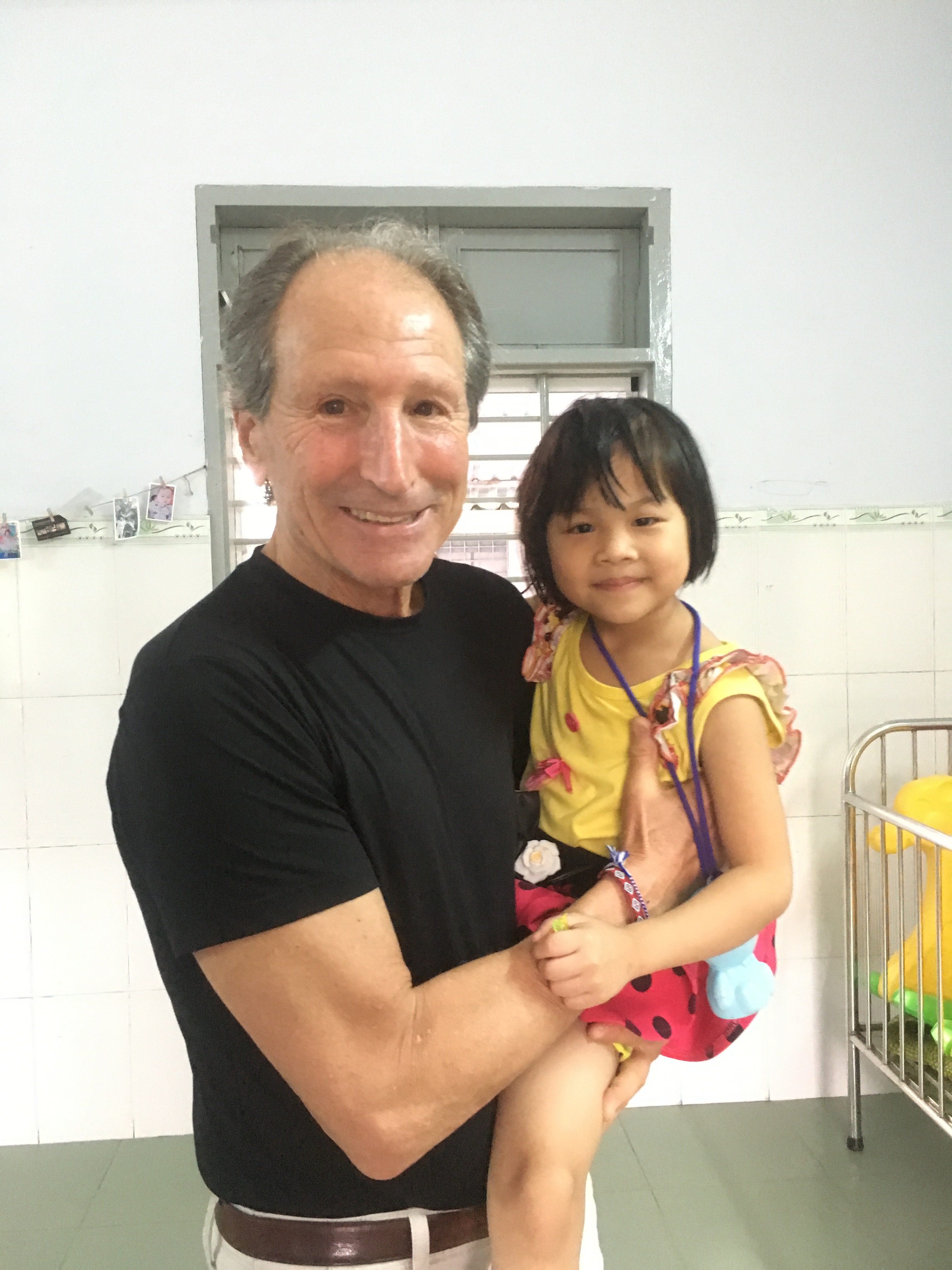
This is the entrance to the Duc Son Orphange in Thuy Bang Village, about 3 miles from Hue. There are almost two hundred children living here ranging in age from infancy to eighteen.
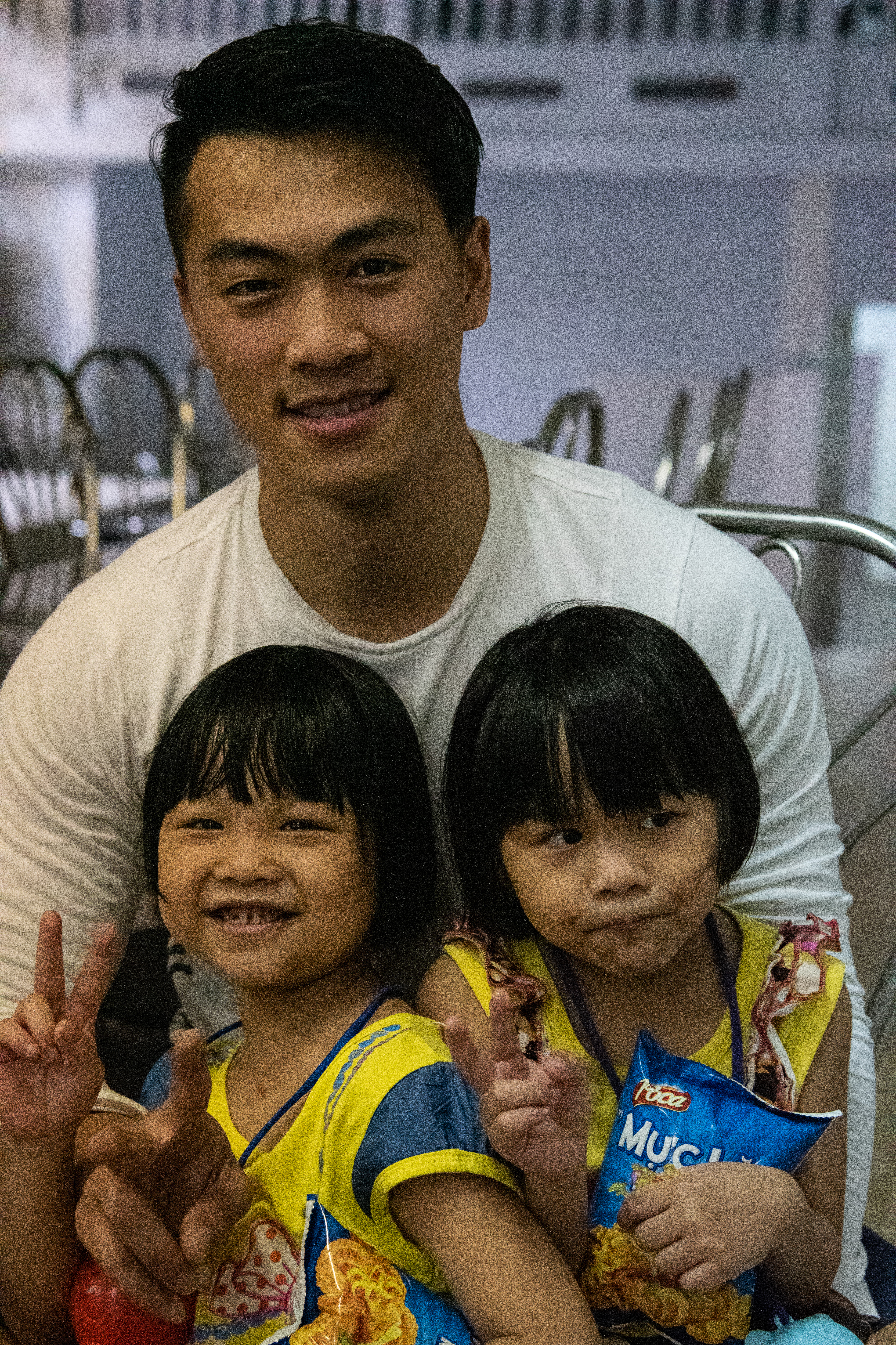
Twin girls sit on this young man’s lap. He is a volunteer from Michigan.
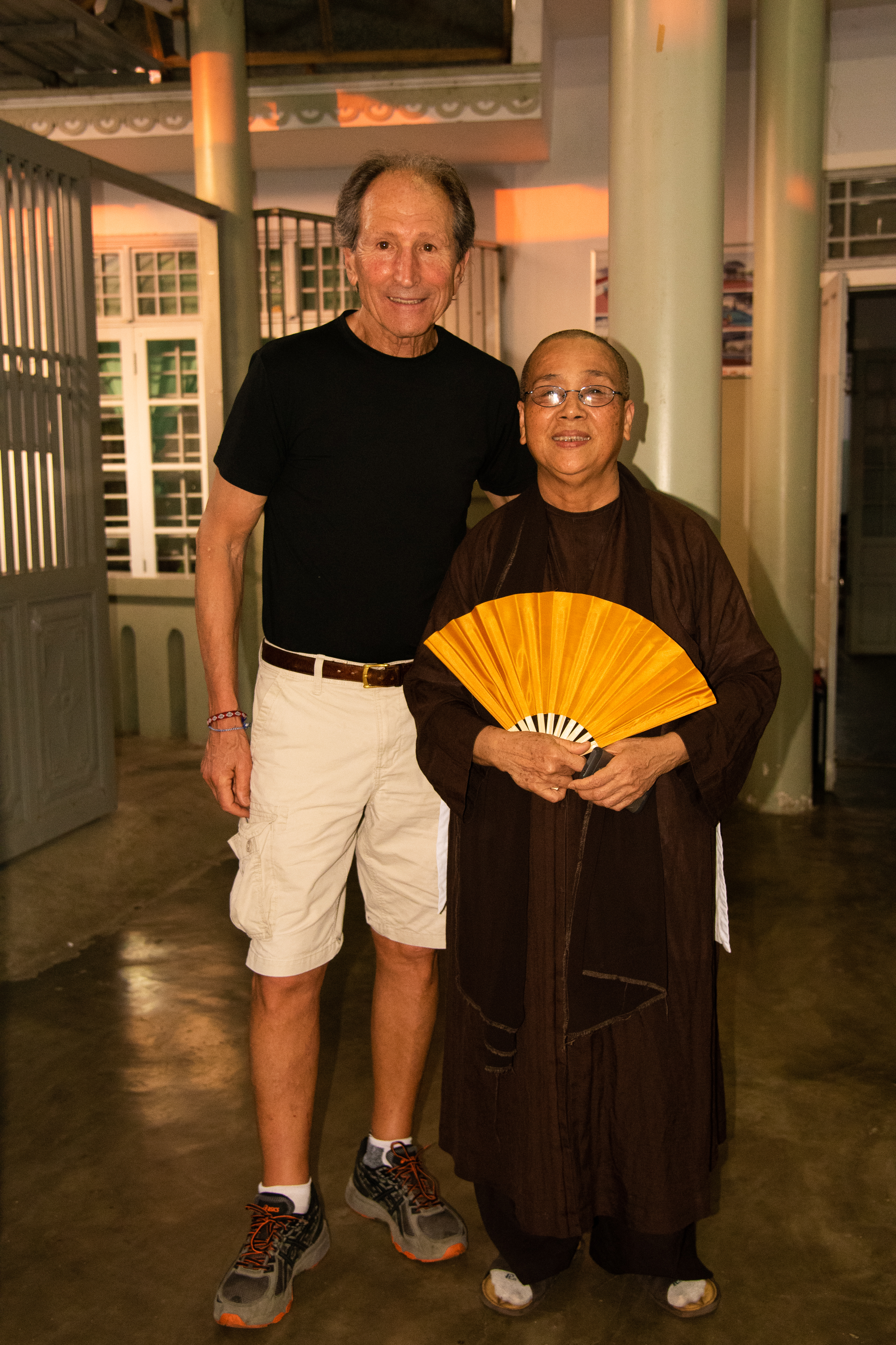
This is Na Su Thich Nu Minh Tu who has been working at the orphanage for the past fifty years. When she first started working there most of the children were war orphans. Today, she said they are mostly “love mistakes” whose young parents are unwilling or unable to care for them.
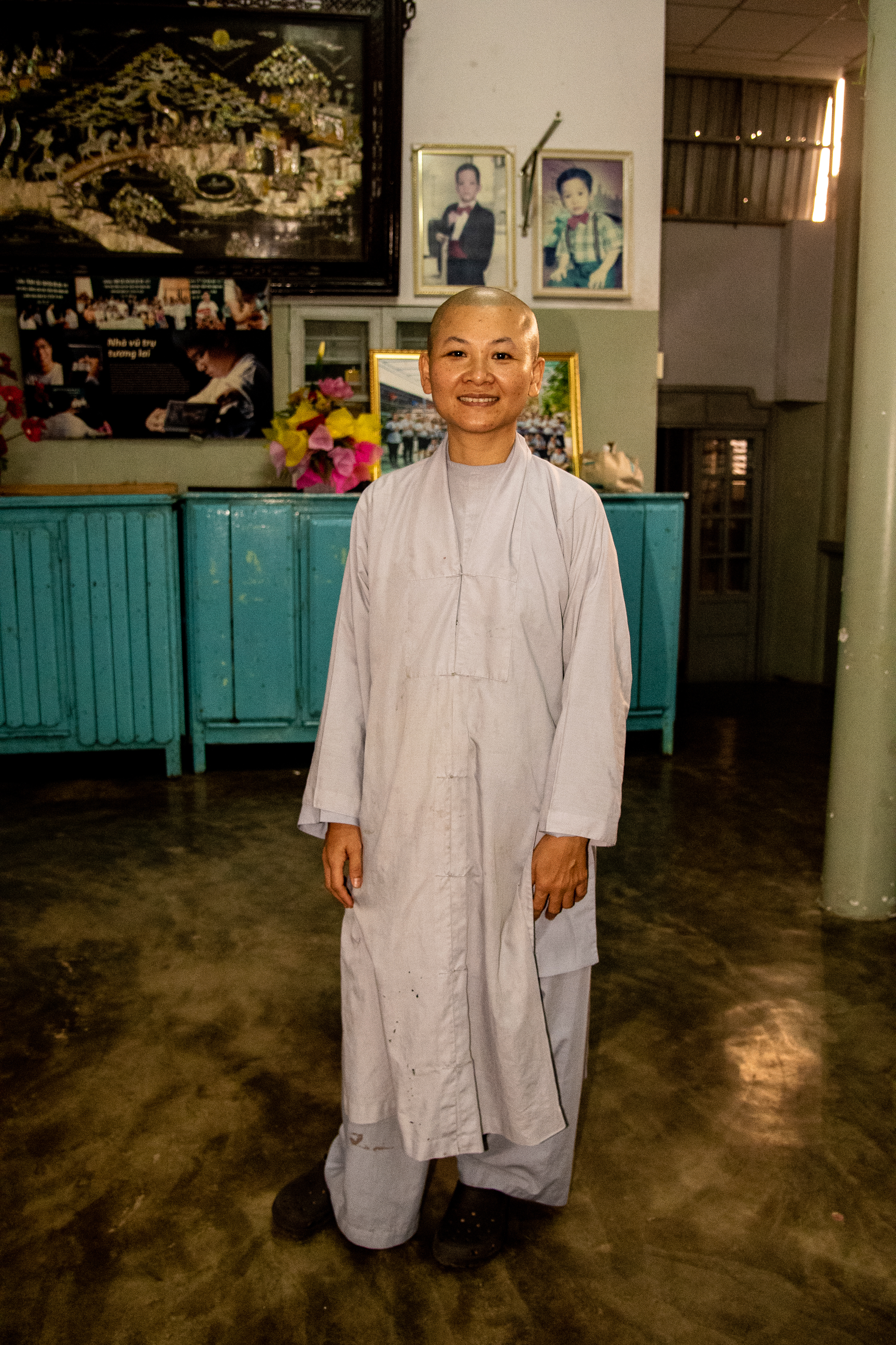
Other nuns at the orphanage. On the wall are photos of two graduates who became doctors.
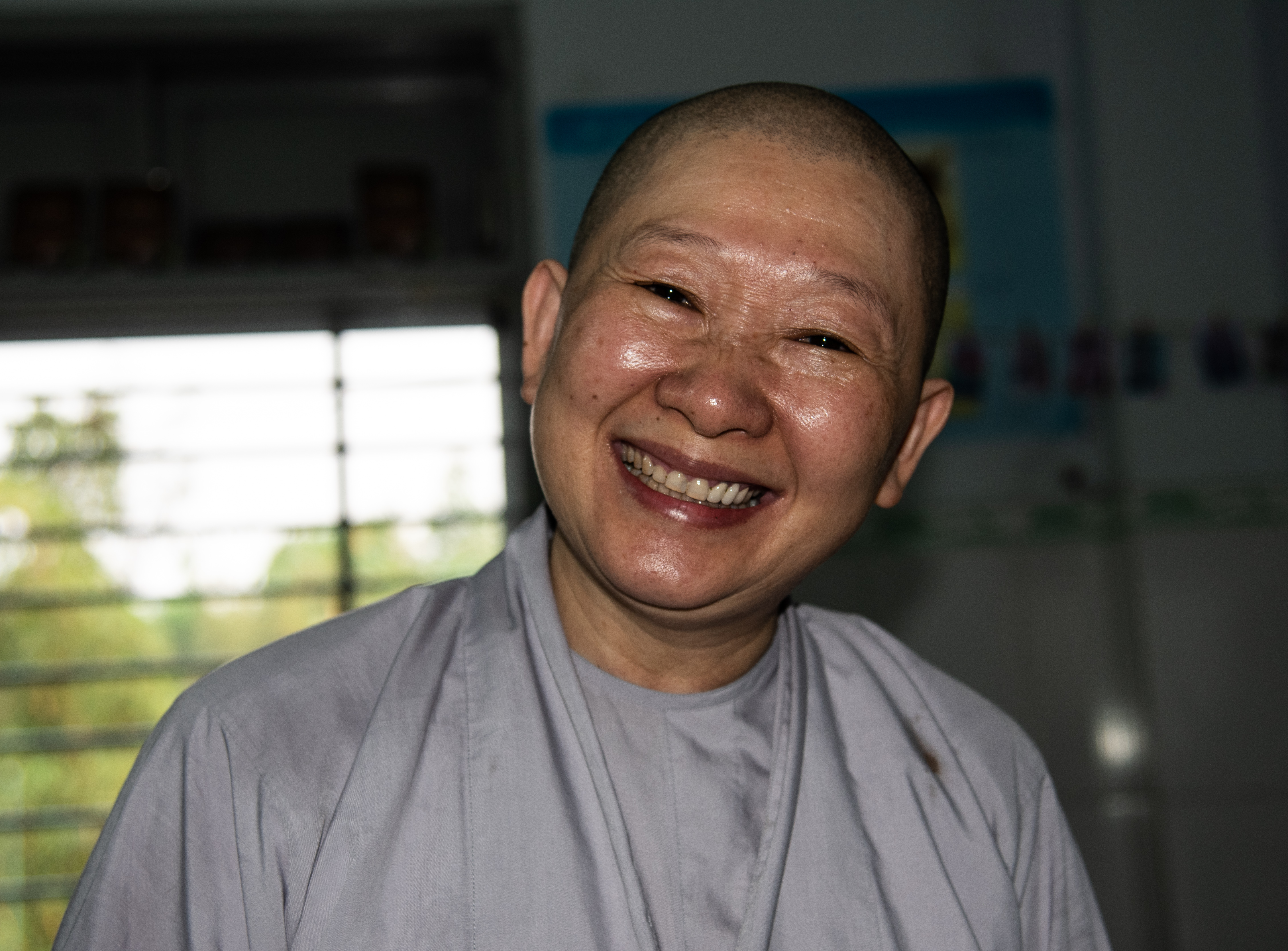
The nuns provide a kind and nurturing environment.


You must be logged in to post a comment.